If you have ever looked at a dozen parallette options and thought, which ones do I actually need, you are not the only one. A lot of people want something solid for push ups, L sits, planche work, or handstand practice, but get stuck on height, material, and stability. In this guide, I will walk you through what are parallettes, how different types compare, and what really matters before you buy. By the end, you should have a clear idea of which style fits your training, your space, and your budget.
What Are Parallettes and Why Do They Matter?
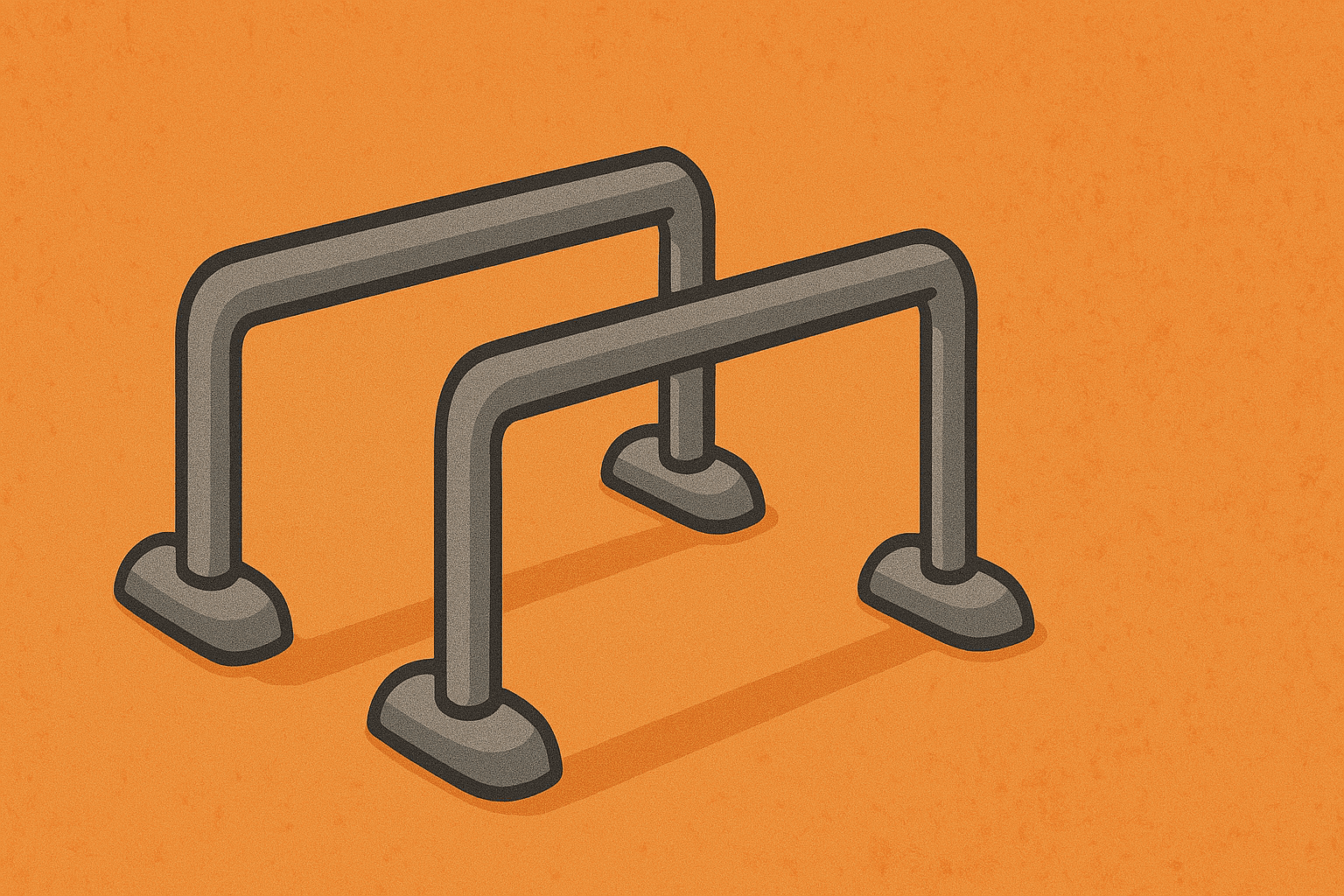
If you are new to calisthenics, the easiest parallettes meaning is this: they are small portable bars used for bodyweight training. Think of them as mini parallel bars that raise your hands off the floor and make many exercises more comfortable and more effective.
So, what are parallettes useful for in real training? The most common uses are push ups, L sits, tuck holds, planche leans, handstand drills, and sometimes even dips depending on the bar height and width. They also help reduce wrist strain because your hands stay in a more neutral position than on the floor. That alone makes them worth considering if regular push ups bother your wrists.
From my own experience, parallettes are one of the few pieces of gear that beginners keep using even after they get stronger. They are simple, but they scale well. You can start with elevated push ups and basic support holds, then move into harder core work and balance skills without replacing your whole setup.
If your main goal is a more complete bodyweight setup at home, they also pair well with other compact gear. If you want a broader overview, this guide on what equipment you need for calisthenics is a useful next read.
The Main Types of Parallettes Explained
Not all parallettes feel the same in training. The best choice depends on the exercises you want to do most, how much room you have, and whether you care more about portability or maximum stability.
Low Parallettes vs High Parallettes
Low parallettes are usually the best place to start. They sit close to the floor, which makes them great for planche progressions, push up variations, support holds, and parallettes for L sits. They are easier to store and often feel more secure for beginners because your center of gravity stays lower.
High parallettes give you more clearance and more exercise variety. If you want deeper push ups, more room for tucked movements, or better setup options for handstand drills, taller bars are useful. They can also work as parallettes for dips if they are tall and wide enough, though dedicated dip bars are often better for that specific movement.
When people ask how tall should parallettes be, I usually tell them to start with the movement list first. If most of your training is push ups, L sits, and planche basics, low or medium height is usually enough. If you want more all-around versatility, medium to high parallettes make more sense.
If you want a more direct comparison, this article on low parallettes vs high parallettes can help narrow it down.
Wood vs Steel Parallettes
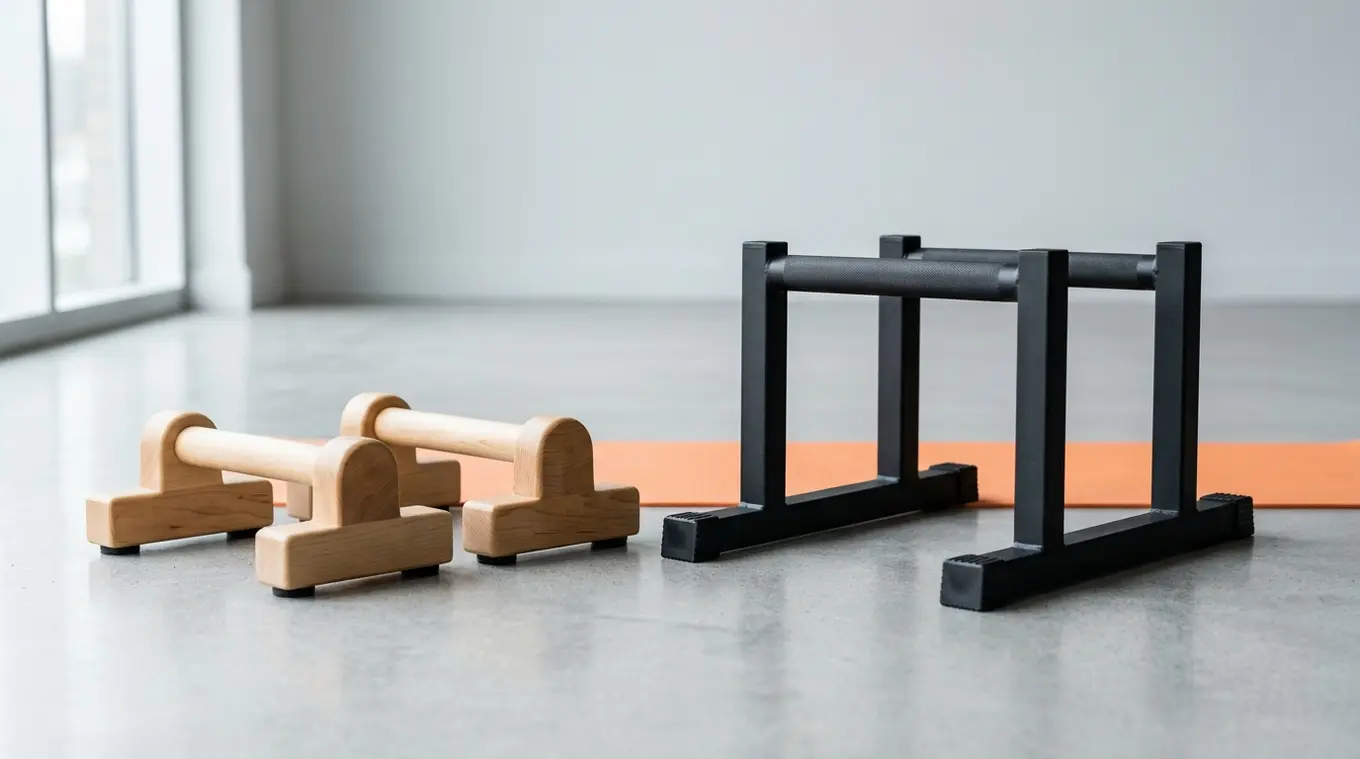
The wood vs steel parallettes debate matters more than people think. Wooden handles usually feel better in the hands. They are warmer, grippier when slightly sweaty, and many athletes simply prefer the natural feel for balance work. This is one reason wooden styles are popular for handstands and static holds.
Steel parallettes often win on durability, especially when the frame is thick and well welded. Powder-coated steel parallettes can offer a very secure grip and usually hold up well to rougher use, travel, and outdoor sessions. The tradeoff is that some steel handles feel a bit harsher on the hands during longer sessions.
In practice, the sweet spot is often a hybrid setup with a sturdy metal frame and quality grip surface. If you specifically want to compare materials, this guide on wooden parallettes vs metal parallettes is worth checking.
Key Features to Look For When Choosing Parallettes
Height and Dimensions
Parallettes height is one of the first things to check. Low models are often around 4 to 6 inches high, while medium and high models can go much taller. For most home users, medium height gives the best balance between versatility and stability.
Handle length and width matter too. If the handles are too short, hand placement feels cramped, especially for taller athletes or wider shoulder positions. If they are too narrow or too wide for your frame, support holds and handstand practice feel awkward. A little extra handle length usually makes training more comfortable.
If your focus is hand balancing, room under the bars and enough surface area on the handle are both important. For that, medium or high models usually feel better than ultra-compact bars.
Stability and Build Quality
This is where many cheap options disappoint. Sturdy parallettes should feel planted on the ground, not shaky or flexible under load. Look for solid welds, non-slip feet, and a frame that does not twist when you put full bodyweight through it.
Parallettes weight capacity is another useful clue, though numbers alone do not tell the full story. A high stated capacity is good, but what you really want is confidence during movement. Dynamic work like knee raises, planche leans, and handstand entries puts stress on the bars differently than static holds.
| Type | Best for | Main advantage | Possible downside |
|---|---|---|---|
| Low parallettes | Push ups, L sits, planche basics, support holds | Very stable, less intimidating, easy to store | Less clearance for deeper or larger movements |
| Medium parallettes | General home training, core work, deeper push ups, beginner handstand drills | Best balance of versatility and stability | Takes more space than low bars |
| High parallettes | Handstands, deeper movements, more advanced skill work | More clearance and exercise variety | Usually less compact and can feel less beginner-friendly |
In my opinion, stability matters more than shaving a few dollars off the price. If the bars wobble, you will hesitate during training, and that limits progress. This is especially true for beginners learning balance and for advanced athletes practicing handstands.
Portability and Storage
If you train in an apartment or like to work out outdoors, portability matters a lot. Compact low bars are easy to slide under a bed or toss in a car trunk. Taller bars take up more room, but some are still easy enough to move around if they are not overly heavy.
For small training spaces, I usually recommend choosing the biggest bars you will actually use consistently, not the biggest bars available. There is no point buying extra tall equipment if it ends up in a closet because it feels inconvenient. If that sounds familiar, this guide on the best calisthenics equipment for small spaces may help.
Which Parallettes Fit Your Training Goals?
For Beginners: Planche, L Sit and Push Up Work
If you are a beginner, the best parallettes are usually low or medium height with excellent stability. You do not need the tallest model on day one. What you need is a bar that helps you build confidence with support holds, knee tucks, push ups, and L sit progressions.
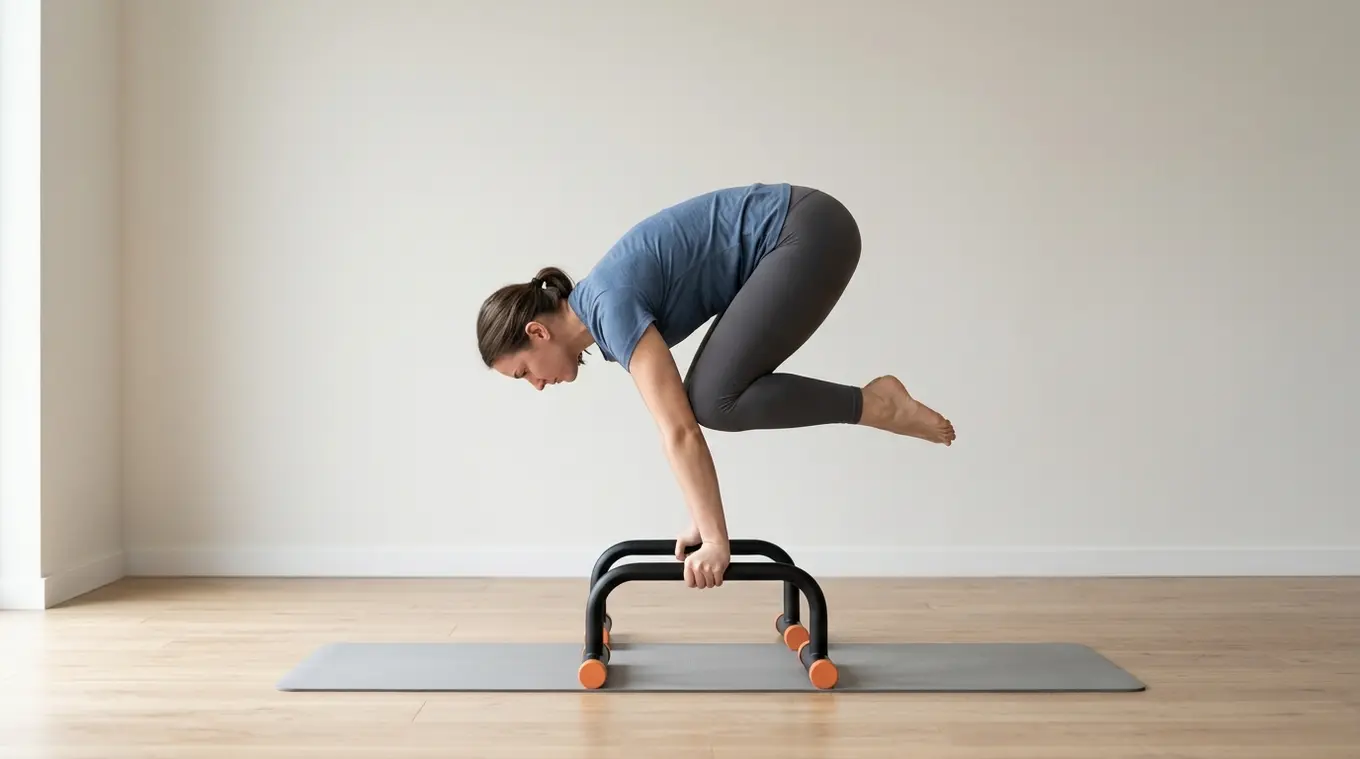
For this kind of training, low parallettes often feel ideal because they are less intimidating and easier to control. Medium bars can also be a smart choice if you want more range of motion for push ups and more clearance for core drills.
If L sit training is one of your goals, stable bars with comfortable grip make a big difference. A lot of people underestimate how much easier consistent practice becomes when the handles feel secure. If you want more help on that skill, read how to train the L sit.
For Advanced Athletes: Handstands and Gymnastics Movements
Advanced athletes usually need more than basic portability. They need room, stiffness, and predictable grip. For handstands, press work, and more gymnastics-style movements, medium or high parallettes are often the better choice.
This is where premium build quality becomes worth paying for. If you are kicking into handstand or leaning hard into planche progressions, you want zero doubt about the equipment. Bars that shift even slightly can throw off your balance and timing.
For athletes serious about handstand practice, I generally recommend checking medium to high models with strong feet and reliable grip surfaces. If handstands are your main focus, our guide to the best calisthenics handstand equipment goes deeper into that setup.
Parallettes vs Dip Bars vs Push Up Bars: What’s the Difference?
These three tools overlap, but they are not identical. Push up bars are the smallest and simplest. They are mainly for wrist-friendly push ups and basic support work. Parallettes sit in the middle. They are more versatile than push up bars and can be used for L sits, planche drills, handstands, and deeper pushing movements.
Dip bars are usually taller and wider. They are better for full dips, leg raises, and some larger static movements. If your main goal is serious dip volume, a dedicated dip setup often makes more sense than trying to force a parallette into that role.
So if you want one compact tool for varied calisthenics work, parallettes are usually the smartest buy. If you only want easier push ups, push up bars may be enough. If dips are your priority, choose dip bars.
How Much Should You Spend on Parallettes?
Budget is a practical question that often comes up alongside the type decision. Entry-level parallettes are available at low prices, but they frequently sacrifice stability and grip quality, which are the two things that matter most for confident training.
Mid-range sets from dedicated calisthenics brands tend to offer a much better balance. You get solid build quality, reliable non-slip feet, and comfortable grip surfaces that hold up to regular sessions. For most home athletes, this is the sweet spot between cost and performance.
Premium options, often larger, heavier, or made from higher-grade materials, are worth considering if you are serious about skill work like handstands or advanced planche progressions, where any wobble in the equipment creates real problems. If your budget is tight, a well-built mid-range set from a reputable brand will serve you far better than the cheapest option available. A set that wobbles will slow your progress and is likely to need replacing sooner.
Our Top Recommendation and Where to Buy
If I had to recommend one direction for most people, I would say choose a sturdy medium height set from a reputable calisthenics brand rather than the cheapest option on a marketplace. That gives you enough height for variety, enough stability for skill work, and enough practicality for a home gym.
From Gornation, the most sensible picks depend on your goal. If you want maximum versatility for general strength, core work, and progression, Gornation Parallettes MAX are a strong option because the extra height opens up more exercises. If your main focus is planche and handstand work close to the floor, Gornation Parallettes PRO are a better fit because the lower profile feels very controlled. If you want something compact for travel or a small apartment, Gornation Parallettes ACTIVE make more sense.
The reason I like this lineup is that it matches real training needs instead of pretending one product is perfect for everyone. That is how I would shop for my own setup too. Buy based on the exercises you will actually repeat every week, not the most advanced movement you might try once.
If you are still comparing options, look for sturdy parallettes with a clear stated weight capacity, strong non-slip feet, and dimensions that match your shoulder width and training style. That is usually what separates a good purchase from one you regret.
Conclusion
Choosing parallettes comes down to a few practical questions. What exercises do you care about most? How much space do you have? And do you need compact bars for simple strength work or taller bars for more variety and skill practice? For most people, a stable medium height set is the safest all-around choice. If you mainly train planche, L sits, and push ups, go lower. If you want more clearance for handstands and deeper movements, go taller. Focus on stability, grip, and build quality first, and you will end up with a pair you keep using for years.
Frequently Asked Questions
Are parallettes worth it for beginners?
Yes, especially if floor work bothers your wrists or you want more variety in your home workouts. Parallettes make push ups, support holds, and L sit progressions more comfortable and easier to progress. A stable low or medium set is usually the best starting point for beginners.
How tall should parallettes be for home training?
For most people, medium height is the best all-around option because it balances versatility, stability, and storage. Low parallettes are great for planche work and push ups, while taller models are better for handstands and deeper movements. Your ideal choice depends on your main exercises.
What is better, wood or steel parallettes?
Wood usually feels better in the hands and offers a more natural grip, especially during longer sessions. Steel often wins for durability and rugged use. Many athletes prefer a hybrid approach with a steel frame and a comfortable grip surface, since it combines stability with good hand feel.
Can you do dips on parallettes?
Some high parallettes can work for dips if they are tall and wide enough, but not every set is designed for that. If dips are one of your main exercises, dedicated dip bars are usually the better option because they offer more height, space, and overall comfort.
What should I check before buying parallettes online?
Check the height, handle length, grip material, non-slip feet, and stated weight capacity. Also look closely at reviews that mention wobble or poor assembly. In my experience, stability and comfort matter far more than fancy marketing claims, especially if you plan to use them several times a week.