Good grip can make or break your calisthenics session. Whether you’re holding a front lever, pushing through high-rep pull-ups, or grinding out a heavy dip set with a belt, slipping hands ruin form, waste energy, and cut sets short.
That’s where liquid chalk comes in. It gives you reliable grip, reduces hand sweat, and keeps your focus on the movement, not on re-gripping the bar. I always keep a bottle of liquid chalk in my training bag.
Table of Contents
Top picks for the best chalk
These picks make sense for calisthenics because you need grip that stays consistent across bars, rings, and parallettes, with as little mess as possible. You also want something easy to carry, quick to use between sets, and predictable in humid gyms or outdoor parks.
Here’s the fast answer so you can choose in seconds:
| Pick | Type | Best for | Why you’ll like it |
|---|---|---|---|
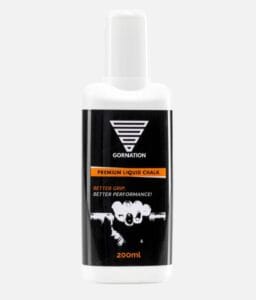
| GORNATION Premium Liquid Chalk | Liquid | Rings, bar skills, long sessions | Clean, strong grip, lasts many sets |
| GORNATION Chalk Block | Normal | Outdoor bars, quick touch-ups | Instant feel, easy to reapply, great on rough steel |
If you train indoors (or share space with others), liquid chalk usually keeps everyone happier. If you train outdoors on rough bars and want instant grip, a chalk block still feels hard to beat.
My favorite Liquid chalk: GORNATION
Liquid chalk is your best friend when you want solid grip without dust. GORNATION Premium Liquid Chalk dries fast, grips well even in humid air, and usually lasts through many sets before you need more.
It’s a great fit if you do:
- Rings (support holds, dips, transitions)
- Bar skills (muscle-ups, high pulls, toes-to-bar)
- High reps where re-gripping wastes energy
- Sessions where your hands get sweaty fast
You also get less mess than powder. No chalk cloud, no white footprints, and less buildup on the bar over time.
How to use it (simple): shake the bottle, put a pea-sized amount in your palm, rub a thin layer over palms and fingers, wait until it’s dry, then train. If your hands still feel slick, add a second thin layer after the first one fully dries.
My favorite normal chalk, GORNATION Chalk Block
Normal chalk still has a place, even if you love liquid. GORNATION Chalk Block gives you instant grip, and it’s easy to “top up” between sets without waiting for anything to dry.
You’ll like it most when:
- The bar is slick and you want grip right now
- You train outdoors, where dust is less of a problem
- You like that classic chalk feel on steel
- Your hands need frequent touch-ups during max effort sets
Downsides are real though: dust gets everywhere, it can annoy gym owners, and it can wreck your bag if the block crumbles.
Quick tip: break off a small piece, crush it in your hands, then tap off the extra so you don’t cake the bar. You want friction, not a thick chalk crust that turns slippery once it mixes with sweat.
Why use liquid chalk in calisthenics?
Liquid chalk helps you train harder with more control. It gives you the friction and dryness you need to hold positions or move confidently on the bar or rings.
Here’s why it works so well for calisthenics:
• Reduces slipping on metal bars, especially in humid conditions
• Helps with longer isometric holds like the front lever or dead hangs
• Improves control during weighted pull-ups and dips
• Keeps grip consistent even as your hands start to sweat
If you’ve ever missed a rep because of sweaty palms or lost tension in a hold due to slipping, liquid chalk is an easy fix.
Liquid chalk vs regular chalk
Think of chalk like tires on a car. You can have strong legs and good technique, but if your “traction” is gone, performance drops fast. In calisthenics, traction is grip, and grip changes depending on the surface.
- Pull-up bars (metal): can be slick, especially in humid gyms, or cold parks where condensation forms.
- Rings (wood or plastic): feel better than bare steel, but sweat still makes them slippery.
- Parallettes: wood often grips well, metal can get slick, and both suffer when your palms sweat.
Your decision usually comes down to four things: mess, feel, sweat control, and where you train. If you’re also choosing a bar setup for home training, this guide can help: Best overall pull-up bars for calisthenics
When liquid chalk is the better choice
Liquid chalk shines when you need grip without turning the room white.
Best reasons to choose it:
- Low dust: better for indoor gyms and shared spaces
- Stays on longer: great for circuits and skill blocks
- Easy to travel with: one bottle, no chalk crumbs
- Less bar buildup: you usually leave less residue behind
Common tradeoffs: it needs a short dry time, it can smell like alcohol, and it can feel “tight” on the skin after long use.
Use it for long ring sessions in a shared gym, bar skill practice where you don’t want to stop every set, or anytime you want clean hands and clean floors.
When normal chalk is the better choice
Normal chalk is the “instant button” for grip.
Best reasons to choose it:
- Immediate grip: no waiting, just chalk and go
- Easy to reapply: fast touch-ups between sets
- Great on slick steel: especially if your hands sweat a lot
- Strong feel on rough bars: you can fine-tune the amount quickly
Tradeoffs: dust clouds, messy floors, and stricter gym rules. Some places ban it completely.
Normal chalk makes a lot of sense at outdoor parks, during heavy single sets (like weighted pull-ups), or for rough hands that need quick, frequent grip refreshes.
Tips for using liquid chalk
A little goes a long way. You don’t need to cover your whole hand to get the benefit. Here’s how to get the most out of it:
Shake the bottle well before each use
Apply a small amount (about a pea-sized drop) to each palm
Rub hands together to spread it evenly
Let it dry for 5–10 seconds before grabbing the bar
Wash off after your session to avoid skin dryness
Frequently asked questions
Is liquid chalk safe for skin?
Yes. Most formulas are alcohol-based and evaporate quickly. If you have sensitive skin, wash your hands after use and moisturize when needed.
How long does it last per application?
Usually several sets. It depends on the intensity of your training and how much you sweat.
Is liquid chalk allowed in public gyms?
Most gyms that ban powder chalk are fine with liquid chalk. It’s cleaner and wipes off easily.