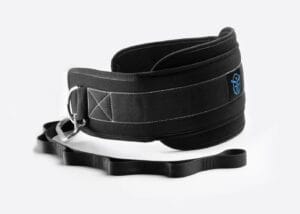
Best Dip Belt for Calisthenics

best dip belt for calisthenics

If you are serious about getting stronger in calisthenics, a dip belt for calisthenics setup is almost non-negotiable. At some point, bodyweight exercises stop being enough. You need extra load for heavy lifting to keep building strength, muscle, and joint resilience.

A good dip belt turns classic movements like dips, pull-ups, and even muscle-ups into heavy, progressive strength work. A bad belt digs into your hips, swings like crazy, or makes you worry that the chain might snap mid-set.

This guide keeps things simple. You will see the three best dip belts for calisthenics right now, then a clear breakdown of how to choose the right one for your budget, level, and training style. The picks here are based on real training use, not just nice photos and spec sheets.

Our three best dip belts for calisthenics recommendations:

  • MPDS Dip Belt: premium, competition-grade streetlifting belt
  • Gornation Dip Belt: best all-round choice for most athletes
  • Gym Reapers Dip Belt: best value for beginners and budget lifters

Let us start with a quick summary, then go deeper into what actually matters.

Quick answer: the 3 best dip belts for calisthenics

If you just want a fast answer, here it is.

MPDS Dip Belt (premium choice)

  • Built for heavy streetlifting and competition style training
  • Best for advanced lifters who push big weights and want top comfort

Gornation Dip Belt (best all-round belt)

  • Great mix of comfort, strength, and price
  • Best for most calisthenics athletes, from beginners to advanced intermediates

Gym Reapers Dip Belt (best budget belt)

  • Solid, straightforward design with a steel chain
  • Best for beginners or anyone who wants to try weighted dips and pull ups without spending much

The rest of the article explains why these three stand out, how they feel in real training, and which one fits your situation best.

Best overall premium dip belt: MPDS Dip Belt

MPDS dip belt
Best Premium Dip Belt
Get 10% extra OFF with code: "HEAVYWEIGHT10"
Order now!
mpds-streetlifting.com

The MPDS Dip Belt is built for lifters who treat weighted calisthenics like powerlifting. It has thick padding, a strong rope system, and hardware tested close to four digits of load, so it stays solid even on brutal sets. Its premium build rivals the King of Weighted for elite strength training.

Best all-round dip belt: Gornation Dip Belt

Gornation Premium dip belt
Best Allround Dip Belt
Get 10% OFF with code: "CE10"
Order now!
gornation.com

The Gornation Dip Belt hits the sweet spot. It is light but strong, padded but not bulky, and works just as well in a gym as at a park. It is the safest pick if you want one dip belt that does everything.

Best budget dip belt: Gym Reapers Dip Belt

Gym reapers dip belt
Best Budget Dip Belt
Order now!
amazon.com

The Gym Reapers belt is simple, sturdy, and kind to your wallet. The steel chain, contoured belt, and soft back support make it a great first belt if you are new to weighted training.

How to choose the best dip belt for calisthenics

Before you pick a model, it helps to know what actually matters for calisthenics and streetlifting, not just bodybuilding in a commercial gym.

Weight capacity and safety for heavy dips and pull ups

Most beginners start with extra 5 to 20 kilograms of weight plates. Intermediate athletes often work with 20 to 40 kilograms, and strong lifters go well past 40 kilograms, sometimes stacking several big plates.

You never want to train near the actual breaking limit of your dip belt. That is where weight capacity matters. Belts like the Rogue Dip Belt, Gornation and MPDS have been lab tested in the 900 to 1000 kilogram maximum load capacity range, including rope and carabiners. You will never load that much in practice, but that safety margin means:

  • Strong stitching that does not tear
  • Metal rings that do not bend under stress
  • Chains or ropes that do not deform, even with big plates

When you drop into a heavy set of dips or pull-ups, you should be focused on form and breathing, not wondering if your belt will fail.

Comfort: belt width, padding, and how it sits on your hips

A good dip belt spreads the load across your hips and upper glutes. A bad one feels like a thin cord cutting into your sides.

Key points for comfort:

  • Width: Wider sections across the back and sides spread pressure.
  • Padding: Foam or neoprene padding keeps the belt from digging in, especially with heavy loads.
  • Shape: A slightly curved, body-hugging cut tends to stay in place instead of riding up or down.

The belt should sit just above your hip bones. On dips, it should not pinch your obliques when you lean forward. On pull ups, it should not twist or slide when you raise your knees. If you dread putting the belt on because it bruises your hips, you will not use it often enough to progress.

Chain vs strap: which loading system is better for calisthenics

There are two main loading systems.

Metal chain

  • Classic choice, very strong
  • Easy to pass through plate holes
  • Can be noisy and rough on clothes or skin
  • Tends to swing more on pull ups

Strap or rope

  • Lighter and quieter
  • Feels smoother against legs
  • Often has loops or markings to set length quickly
  • Packs better for travel and outdoor sessions

In this guide:

  • MPDS uses a long, numbered rope with O-rings for even load distribution.
  • Gornation can be bought with a stainless steel chain or a light polyester rope. The rope version is excellent for calisthenics, since it is softer on the thighs and less likely to damage clothes.
  • Gym Reapers uses a heavy steel chain, which fits the budget, all-purpose style of the dip belt.

For most pure calisthenics athletes, a strong strap or rope feels better. If you like the old-school feel and do a lot of hip belt squats, a chain still works well.

Fit, adjustability, and body type

A dip belt should work across different body shapes. That is extra important if you share it with training partners.

Look for:

  • Enough length to fit both narrower and wider hips
  • A design that sits slightly above the hip bones without sliding down
  • A chain or rope long enough to give tall lifters leg room, but not so long that short lifters kick the plates every rep

MPDS solves fit by offering several sizes, from smaller waists up to much larger builds, each with the right amount of padding. Gornation uses a one-size belt around 82 centimeters long that suits both lean and bigger athletes, helped by its cut and padding. The Gym Reapers belt is also one-size, with a contoured shape and hook-and-loop closure that hugs most waists.

If a belt feels like it is either falling off or suffocating you, you will end up leaving it in your gym bag.

Durability, materials, and value for money

Common materials include:

  • Nylon or polyester: very tough, light, handles sweat well
  • EVA or neoprene padding: adds comfort without much bulk
  • Leather: durable, but heavier and less common in modern calisthenics belts

Higher-quality belts use better webbing, cleaner stitching, and hardware that is overbuilt for real loads, ensuring durability. For example, MPDS uses carabiners rated around 12 kilonewtons and a thick, embroidered rope. Gornation combines polyester, EVA foam, and nylon to keep the belt light, padded, and strong.

Cheap belts can work for a while, but the stitching, rings, or chain often give up once you push past moderate weights. Paying more once for a belt that lasts years often costs less than buying two or three cheap ones.

If you are still comparing gear, you might also want to see how dip belts stack up against vests in this dip belt vs weight vest comparison.

MPDS Dip Belt review: best premium dip belt for serious calisthenics

MPDS dip belt
Best Premium Dip Belt
Get 10% extra OFF with code: "HEAVYWEIGHT10"
Order now!
mpds-streetlifting.com

The MPDS Dip Belt is built like a competition tool, not a casual gym accessory. It was developed with high level streetlifters, tested up to around 950 kilograms in the lab, and refined through many prototypes.

Build quality, design, and comfort under heavy loads

The first thing you notice is the padding. The belt has about one centimeter of neoprene padding across a wide contact area. That thickness sounds small, but in use it provides maximum comfort. Even on heavy triples of dips, the belt presses in without leaving sharp pressure points on your hips.

Instead of cheaper D-rings like those on the Rogue Dip Belt, MPDS uses round O-rings. This might sound like a small detail, but O-rings pull the rope evenly from both sides. That keeps the belt from twisting under load and spreads force better when you drive out of the bottom of a heavy dip.

This 150 cm rope has embroidered markings, so you can set the same length every session. Once you find a setup that keeps plates in the right spot, you do not waste time guessing. The rope feels soft against the legs yet does not stretch, so the load stays predictable.

Everything about the build, from the carabiners to the stitching, feels like it was made for people who are not afraid of ten-plate PR attempts in street lifting.

Performance for weighted dips, pull ups, and street lifting

On weighted dips as part of weighted calisthenics, the MPDS belt feels very stable. The rope length markings help you keep the plates close to your center of mass, so the weight does not drag you forward. The padding keeps the belt locked in when you lean slightly over the bars.

On pull ups and chin ups, the rope moves with your body instead of fighting against it. Because the plates hang in a consistent spot every time, it is easier to keep a tight hollow body and control the swing. That matters once you move into harder progressions, slow eccentrics, and competition-style tests.

For muscle ups, the softer contact of the rope is welcome. Chains tend to bang into the thighs or spin awkwardly during the transition. The MPDS setup feels smoother and gives you more room to tuck.

Who the MPDS Dip Belt is best for

Pick the MPDS belt if:

  • You already train with heavy loads or plan to, including heavy lifting
  • You care about comfort on high-intensity sets
  • You see street lifting as your main strength sport, not a side hobby

Beginners can absolutely use it, but most will not need this level of refinement right away. If you are already adding 40 kilograms or more on a regular basis, this belt starts to make real sense.

Gornation Dip Belt review: best all-round dip belt for most athletes

Gornation Premium dip belt
Best Allround Dip Belt
Get 10% OFF with code: "CE10"
Order now!
gornation.com

The Gornation Dip Belt is the most balanced option in this list. It was created by calisthenics athletes, tested in the lab up to around 1000 kilograms, and tuned for everyday use in gyms and parks.

Balanced design for comfort, strength, and freedom of movement

The belt uses a mix of polyester, EVA foam, and nylon to hit a sweet spot between lightness and comfort. The inside is padded and the cut follows the body, so it presses in gently instead of digging.

You can buy the dip belt with a stainless steel chain, with a rope, or with both. The chain weighs around 400 grams and gives a traditional feel. The rope straps weigh about 100 grams and are longer, with several loops to set the length, similar to the lightweight, non-chain design of the Spud Inc Dip Belt. Both options work with standard 30 millimeter plates.

With the rope straps, the weight hangs close to your body and moves quietly. The plates swing less on pull ups and dips, and you are less likely to scratch clothing or bruise your thighs. For most pure calisthenics athletes, this variant is the better everyday choice.

Versatility for home, gym, and park calisthenics

The entire setup is light and packs well into the included canvas bag, which is handy if you cycle to the park or gym. One belt covers:

  • Weighted dips
  • Weighted pull ups and chin ups
  • Muscle ups with added weight
  • Belt squats or Bulgarian split squats

The one size belt (around 82 centimeters) is the best fitting dip belt and fits both lean and broader hips. With three carabiners, you can clip plates, kettlebells, or even a dumbbell securely. That flexibility helps if your gym plates are all different shapes or you often train outdoors.

Because the belt is not overbuilt or bulky, you can move freely. That makes it a strong option for athletes who mix strength work with more dynamic skills.

Who should choose the Gornation Dip Belt

Choose Gornation if:

  • You want one belt that works for everything
  • You train in different places, like home, gym, and park
  • You want high quality, but do not need the absolute most premium model

It is ideal for beginners through advanced intermediates who plan to push weights over time. If you are unsure what to buy and just want a reliable dip belt that will not hold you back, this is the safest pick.

Gym Reapers Dip Belt review: best budget dip belt for beginners

Gym reapers dip belt
Best Budget Dip Belt
Order now!
amazon.com

The Gym Reapers Dip Belt is a classic chain dip belt that offers good value. It will not match the fine details of MPDS or Gornation, but it is strong, comfortable enough, and trusted by many lifters.

What you get at a budget price

You get a contoured belt with a wide back piece, soft back support, a 38-inch steel chain, and metal carabiners. The belt uses sturdy materials and has a hook-and-loop style closure that wraps around the waist.

The build feels solid for the price. The padding is not as refined as the premium belts, and the chain is heavier and noisier, but that is normal at this range. The important part is that, when used correctly, it demonstrates solid durability for typical beginner and intermediate loads, with the chain and materials holding up well.

You can use it for dips, chin ups, pull ups, and hip belt squats. For many lifters, this is their first experience with weighted calisthenics, and it does that job well.

Performance for starting with weighted dips and pull ups

With lighter to moderate weight, the Gym Reapers belt is comfortable for short to medium sessions. The chain hangs plates in a predictable spot under the hips, and once you learn how to clip everything, setup is quick.

There are a few small points to watch:

  • The chain can hit your knees on pull ups if you leave it too long
  • The metal can feel rough on the thighs during swinging movements
  • The belt may feel less stable than premium models under very heavy loads

You can work around these by adjusting chain length, keeping the weight centered, and focusing on tight form. For most beginners learning to handle 10 to 30 kilograms, it is more than enough.

Who the Gym Reapers belt is right for (and when to upgrade)

This belt is best for:

  • Beginners who want to try weighted dips and pull ups
  • Casual lifters who add weight once or twice a week
  • Anyone on a tight budget who still cares about basic safety

Consider upgrading to Gornation or MPDS when:

  • You start training weighted movements several times per week
  • Your working sets move past 30 to 40 kilograms
  • You notice the belt digging in or becoming a distraction during heavy sets

Think of Gym Reapers as a reliable starter that lets you test whether weighted calisthenics will stay part of your training long term.

How to use a dip belt safely and get the most from your training

A good dip belt only helps if you use it correctly. Simple setup and clean form keep you progressing while avoiding dumb injuries.

Step by step: how to set up your dip belt

  1. Put the dip belt around your hips, just above the hip bones, and fasten it snug.
  2. Thread the chain or rope through the center hole of your weight plates or handle of a kettlebell.
  3. Clip the free end back to the ring on the other side of the belt, so the weight hangs in the middle.
  4. Check that the plates rest between your thighs and not against your knees. Adjust chain length if needed.
  5. Before stepping onto bars, bounce lightly on the floor so the plates settle and you feel the balance.

In busy gyms or parks, set everything up a few steps away from the station, then walk over carefully. It saves time and keeps you from blocking others.

Safe form for weighted dips and pull-ups with a belt

Weighted calisthenics is about controlled strength, not ego loading. A few simple cues go a long way:

  • Keep your shoulders active and packed, do not hang loose in the joints
  • Brace your core so the plates swing less
  • Use a full range of motion that you can control, no half reps to move more weight
  • Add load only once you can do clean bodyweight sets

For most people, starting with 5 to 10 kilograms on dips and 2.5 to 7.5 kilograms on pull-ups is enough. Increase slowly as your technique stays tight.

Common mistakes to avoid with dip belts

Some problems show up again and again:

  • Too much weight too soon: form breaks, joints complain. Fix it by earning your progressions with clean bodyweight strength first.
  • Plates smashing into knees or shins: chain or rope is too long. Shorten it so the plates sit higher and closer.
  • Belt sitting on the stomach: this makes it slip and pinch. Move it down so it hugs the hips instead.
  • Low-quality carabiners or worn chains: replace damaged hardware before it fails. Check your gear regularly, especially if you train outdoors.

Treat your dip belt like any other serious training tool. Look after it, and it will look after you.

Conclusion

The best dip belt for calisthenics is the one that matches your strength, budget, and training style, then quietly does its job every session.

  • Choose the MPDS Dip Belt if you are a heavy streetlifting athlete who pushes big numbers and wants elite comfort and stability.
  • Go for the Gornation Dip Belt if you want the best all-round option that works anywhere, from home setups to crowded parks, without a premium price tag.
  • Start with the Gym Reapers Dip Belt if you are on a budget or just beginning with weighted dips and pull-ups and want a simple, trustworthy first belt.

Pick one, load it sensibly, and focus on steady, technically sound progression. The belt is just a tool. Your consistency with it is what will build real, long-term strength.