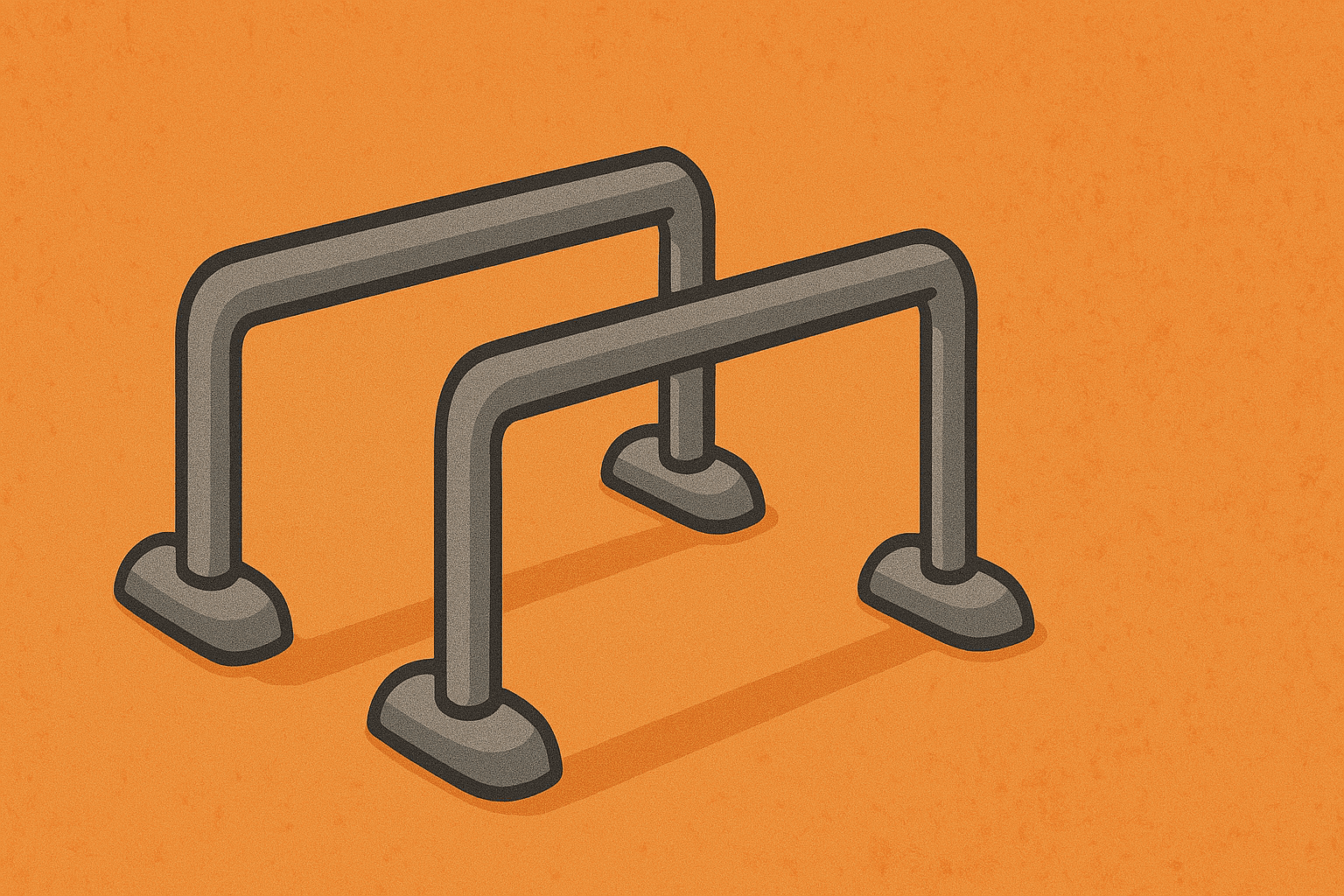
If you want calisthenics progress that doesn’t pause when life gets busy, a portable pull up bar for calisthenics is one of the smartest buys you can make. It lets you train pull-ups, hangs, and core work at home, outdoors, or on trips, without begging for a gym day pass or hoping the local park has a usable bar.
The big question is simple: do you want a freestanding setup you can place almost anywhere, or the lightest kit you can toss in a bag?
Table of Contents
Top pick: KT KHANH TRINH portable pull up bar


If you want a portable pull up bar for calisthenics that feels like “your own station” wherever you set it down, KT KHANH TRINH is the strongest all-around choice. It’s made for home training, garages, backyards, and renters who can’t drill into walls.
The standout feature is its huge height range, roughly 46.5 in to 101.6 in, so you can set it low for controlled work or high for full hangs and swing room. It’s designed to fit users up to about 6.56 ft, which matters if you’re tired of bending your knees on short doorway bars.
It also comes with unusually high strength numbers for a portable setup: a max load rating around 771.6 lb, and user weight guidance around 485 lb. That margin is reassuring if you train hard, use bands, hang rings, or add weight later. The handle width is about 39.4 in, which gives you room for narrow chin-ups and wider pull-up grips without feeling cramped.
Portability is where it earns its “portable” label. The folding design can close up fast (often quoted around 8 to 10 seconds), so it’s realistic to train, fold it, and get your space back. The lighter aluminum-alloy version also makes moving it less of a chore than bulky steel towers.
For outdoor training, the weather-resistant coating helps, and there’s even a long lifespan claim (up to 30 years) tied to durable materials and finish quality. Quality control is also a theme with this brand, with manufacturing described as consistent and precise, which usually shows up as cleaner welds and a more even surface finish.
Training options are wide. You can hit strict pull-ups and chin-ups, dead hangs, knee raises, toes-to-bar practice, band-assisted reps, and ring work like ring rows (you can hang rings from the bar), all without touching a doorway or a wall.
One realistic limitation: reviews often mention side-to-side wobble during very dynamic or above-the-bar skills, especially when it’s set very high. Archer-style pulling, aggressive transitions, and some muscle-up attempts can feel less locked-in than a bolted setup. If you train advanced skills, lower the height, stay controlled, and put a mat underneath so you have a safer margin if a rep gets messy.
At $359.99, it’s not the cheapest option. The cost makes sense when you want a freestanding solution that replaces the “where can I hang?” problem with “set it down and train.”
If you want to compare other non-portable setups too, you can check this guide on best pull-up bars for calisthenics.
Why it works so well for calisthenics
Calisthenics is built on clean reps and repeatable positions, and this bar supports that. The adjustable height lets you set up true full hangs, so your shoulders and lats can train through the range you actually need. That’s hard to copy with short doorway options where your feet keep hunting for the floor.
The wider handle area also helps you train with intent. You can go narrow for chin-ups, shoulder-width for strict pull-ups, and wider for lat focus, without feeling like your hands are forced into one spot.
Because it’s freestanding, you avoid doorframe scuffs and “is this trim strong enough?” stress. The frame also gives you extra space around your body, so your knees and shins are less likely to clip the structure when you drop down from a rep, which is a small thing that makes training feel smoother.
Quick setup, storage, and safety checks
Treat your setup like you’d treat a ladder. A few quick checks keep you safer and make the bar feel more solid.
Start on flat ground. Uneven patio stones or sloped driveways invite wobble, even with a good frame. Tighten and confirm any locking pins or fasteners before you load it.
Your first test should be boring: do a dead hang for a few seconds, then a controlled scap pull. If it feels stable, build up to reps. Don’t jump into hard kipping at max height until you trust how it behaves in your space.
Re-check bolts from time to time, especially if you move it often or train outside. And even with weather-resistant coatings, don’t store it wet. Dry it down before folding it away, because trapped moisture is how metal hardware ages faster than it needs to.
If you want ideas for safe progressions, this list of pull-up bar exercises can help you structure sessions without relying on risky momentum.
Best alternative: gymnastic rings (GORNATION)


If “portable” to you means backpack-level light, gymnastic rings beat every bar. Rings don’t care if you’re in a garage, a park, or visiting family. You just need something overhead that can hold you safely, like a sturdy beam, a strong tree branch, a playground bar, or even the KT bar itself.
The GORNATION wooden rings are built around Olympic-style sizing: about 7.1 in inner diameter and about 1.1 in thickness. The material is birch wood, which many people prefer because it feels warmer and less slippery than bare steel when your hands sweat.
The straps are long enough for a lot of real-world setups, around 14.8 ft, and they use numbered markings so you can set the same height on both sides fast. That matters more than people think, because uneven straps make every rep feel crooked. Strength ratings are also serious, around 661 lb per strap, which gives you confidence when you’re training rows, dips, and support holds.
Rings also give you a bigger exercise menu than a straight bar. You can do pulling and pushing in one kit: rows, push-ups, dips, support holds, and muscle-up progressions. Many athletes also like rings because the straps let your shoulders find a more natural angle, which can feel friendlier on the joints during pushing work.
A few warnings are worth taking seriously. Rings feel unstable at first, and that’s the point, but it can surprise you if you’re new. Keep your early sets easy and controlled. Wood also doesn’t love getting soaked, so don’t leave the rings out in heavy rain and expect them to stay perfect. Most important, your anchor point must be very strong. If you wouldn’t trust it to hold your full bodyweight plus movement, don’t hang from it. Before every session, match strap lengths exactly, because small differences turn dips and supports into a shoulder fight.
If you want a training menu that fits rings well, this guide to ring exercises for calisthenics is a solid starting point. If you want more info on which rings to purchase, check our best gymnastic rings for calisthenics guide.
When rings beat a portable bar
Rings win when your life moves around a lot. If you travel for work, train outdoors often, or want the lightest setup that still supports serious strength work, rings are the cleanest answer.
They also help if you want dips and rows without buying extra gear. A bar gives you great pulling, but rings let you push too, even if you’re training in a tight space.
Rings pair well with the KT bar as well. You can use the KT as your anchor, then switch between strict bar pull-ups and ring rows or ring dips. That combo turns one freestanding bar into a fuller calisthenics menu, without needing a permanent home gym build.
How to choose the best portable pull up bar for calisthenics
You’re usually choosing between three paths: freestanding bars, doorway bars, and rings. Each can work, but each has trade-offs that matter once you start training more than casual pull-ups.
Freestanding bars (like the KT) give you the most freedom without drilling. You set them up in a bedroom, garage, driveway, or yard. The main buying factors are base width and stability, height range, and how much wobble shows up during dynamic reps. If you plan to practice muscle-up transitions or harder variations, stability matters more than “easy to move.”
Doorway bars are often the cheapest and fastest home option. They can be great for strict pull-ups, chin-ups, and controlled knee raises, especially if you’re starting out. The downside is that not every doorway is built the same, and dynamic moves can be risky if the frame or trim is weak. If you go this route, follow the maker’s limits, protect your door surfaces, and always test with hangs before real sets. For a deeper breakdown, this doorway pull-up bar guide helps you avoid the common fit and safety mistakes.
Rings are the most portable and the most flexible, but they demand a safe anchor point and they punish sloppy control. They’re perfect if you want variety and joint-friendly angles, and you don’t mind that they feel “wobbly” at first.
No matter what you buy, take weight ratings seriously. You want a big safety margin above your bodyweight, and you should also think about added forces from swinging, bands, or weighted training.
Grip comfort also matters more than most people expect. Steel bars depend on coating and diameter. Wood rings feel different, and many people like the grip when hands get sweaty. Setup time and storage space matter too. A bar that takes forever to adjust often gets used less, even if it’s great on paper.
Match your goal to the gear. If your main goal is strict pull-ups and chin-ups, a stable bar setup is king. If you want ring skills and a full-body menu in one bag, rings are hard to beat. If you need band-assisted work for your first reps, both bars and rings can do it well, as long as your anchor is solid.
For more ideas on building a small kit that travels well, this guide to portable calisthenics equipment is useful.
Your quick decision guide
If you want max freedom at home with no drilling, pick a freestanding bar like KT KHANH TRINH. It’s the closest thing to having your own station that you can move around the house or take outside.
If you want the lightest travel kit, pick rings. They pack small, set up fast, and give you pulling and pushing in one tool, as long as you have a safe place to hang them.
If you want the cheapest quick home option, consider a quality doorway bar, but keep your training strict and controlled. Treat it as a tool for clean reps, not hard kipping, and always confirm the door frame is strong enough before you trust it with full sets.