A weighted vest for calisthenics is a simple tool that makes bodyweight moves feel like heavy lifting. The vest sits on the torso, adds extra resistance, and turns regular pull ups, dips, and push ups into real strength work.
This guide is built on real training experience from long-term calisthenics athletes, plus recent 2025 research on load carriage, strength, and joint safety. It walks the reader through the best overall weighted vest, the best heavy vest, and the best budget vest, then shows how to choose and use them without wrecking the shoulders or lower back.
By the end, any athlete who loves bodyweight training will know exactly which vest fits their goals and how to use it for steady progress.
Table of Contents
Our overall top pick: weighted vest for calisthenics
Why use a weighted vest for calisthenics in the first place?
A weighted vest for calisthenics adds load to the whole body, not just one limb. That keeps movements natural and full-body, like normal push ups and pull ups, only harder.
Instead of moving to big machines or a full barbell setup, the athlete keeps the same skills and patterns, just with more resistance. This leads to better strength, more muscle, and stronger joints, all with very simple gear.
Key benefits for strength, muscle, and endurance
A good vest helps in several direct ways.
- More resistance without machines: A simple push up with a vest can feel like a heavy bench press. Pull-ups and dips all get harder in a clean and natural way.
- Easy progressive overload: The athlete can add small amounts of weight over time, which is one of the core rules of strength training.
- Better carryover to streetlifting and sports: The body learns to move, jump, and pull with extra load, which carries over to weighted calisthenics competitions and many field sports.
- Time-efficient workouts: Instead of doing 40 slow push ups, someone might do 10 solid reps with a vest and get the same or better training effect.
Simple example: if a person can do 10 pull ups, adding a vest with 5 to 10 percent of bodyweight can drop the reps to 5 or 6, but each rep hits harder and builds more strength. This sustained effort also leads to improved endurance over time.
When a weighted vest makes more sense than extra reps
At some point, more reps stop giving real returns. Once an athlete can do things like:
- 10 to 15 clean pull ups
- 20 to 30 push ups
- 15 to 20 bodyweight dips
piling on extra reps mostly builds endurance, not much extra strength or muscle. This is where progressive overload with a weighted vest for calisthenics shines. Instead of chasing 40 or 50 push ups, the athlete adds a small load and goes back to 8 to 12 strong reps. That rep range is great for building muscle and keeps technique sharp.
How a vest beats ankle weights and backpacks for bodyweight exercises
Many people start with a backpack full of books or plates, or they strap on ankle weights. It can work for a short time, but it is not ideal.
A proper vest wins for a few simple reasons:
- Better weight distribution: The load wraps around the torso, so the center of mass stays close to the body.
- Safer for the lower back: A backpack pulls on the shoulders and can drag the spine into a bad position, especially on pull ups and dips.
- Freedom of movement: Ankle weights change leg swing and can stress the knees and hips during jumps or sprints.
- Less swinging: A good vest stays tight, so it does not smack the spine or ribs on every rep.
In short, a vest feels like part of the body, not a loose bag hanging off it.
Best weighted vest for calisthenics by budget and goal
This section gives a fast overview before the deep dive. All three vests are adjustable and suited for real training
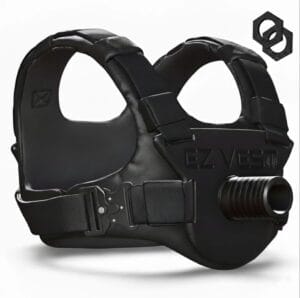
Best overall weighted vest for calisthenics: Gornation Elite 20 kg
The Gornation Elite 20 kg weighted vest stands out as a complete package for calisthenics athletes.
It has a compact design, sits close to the body, and uses removable plates so the weight can move from light to heavy in small steps. The padding is firm but provides a comfortable fit, so it does not cut into the shoulders during long sets of pull ups or push ups.
This vest stays stable on explosive moves like jump squats and even light muscle up practice, which many cheap vests fail at. For most people training pull ups, dips, rows, lunges, and squats, this is the one-vest solution.
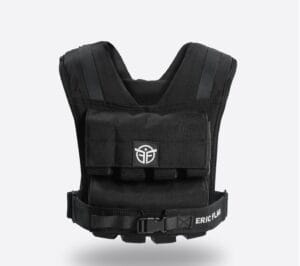
Best heavy weighted vest for advanced strength: MVRK Adjustable 65 lbs
The MVRK Adjustable 65 lbs vest, commonly found on Amazon, suits athletes who already have a solid strength base and want to achieve maximum strength with heavy sets of pull-ups and dips, plus squats.
The vest comes with individual adjustable weights that slide into pockets around the torso. This keeps the load balanced front and back, which feels natural on vertical pulls and dips.
While 65 lbs is not extreme for top streetlifting competitors, it is plenty for many advanced calisthenics athletes who weigh less than 90 kg. The build quality, strong stitching, and reliable straps make it a good choice for focused heavy work.
Best priced weighted vest for calisthenics: ZELUS
The ZELUS Adjustable vest is a friendly entry point for anyone who wants to try weighted training without a big cost.
It uses small iron packets as weight, so the athlete can add or remove adjustable weights in a basic way. It features simple, durable materials and padding that feel great.
The main trade-offs are that this weightvest has less weight. So if you’re not looking to push the weight too much, this one will suite you fine.
How to choose the right weighted vest for calisthenics
Choosing a vest is less about brand hype and more about how it fits real training. The main points are weight range, adjustability, fit and comfort, vest length, and material.
Each of these affects everyday moves like push ups, dips, pull ups, rows, lunges, and squats.
Pick the right weight range for current strength and goals
A simple guideline:
- Beginners to weighted work: Start with a vest that goes from about 5 to 10 percent of bodyweight up to around 10 kg.
- Intermediate athletes: A vest that reaches 15 to 20 kg covers strong sets of pull ups, dips, squats, lunges, and step ups. This range is great for progressing bodyweight exercises.
- Advanced athletes and streetlifters: They often pair a vest with a dip belt, but a 20 kg vest still helps for volume work and conditioning.
For example, someone at 75 kg who can do 12 pull ups and 25 push ups will get great use from a vest that can reach 15 to 20 kg over time. The criteria are similar for selecting a women’s weighted vest.
For athletes who also want to add plates on a chain, the guide to Top-rated dip belts for calisthenics is a helpful next step.
Why small, adjustable weight increments matter
Jumps of 5 kg at a time are rough on joints. Small steps, like 0.5 to 1 kg or 1 to 2 lbs, are kinder to the elbows, shoulders, and lower back.
This lets the athlete:
- Add just enough load to keep progress moving.
- Avoid big jumps that stall strength or cause nagging pain.
- Stay in control during phases of higher training volume.
In simple terms, small weight steps keep progress smooth and long-term, instead of fast then injured.
Fit, comfort, and freedom of movement for pull ups and dips
A good vest should provide a secure fit like a firm hug on the torso:
- Snug but not choking around the neck.
- No bouncing at the bottom of pull ups or dips.
- Even pressure on the shoulders during hangs and push ups.
Padding helps with proper weight distribution. Strong side straps stop the vest from shifting on muscle ups or explosive rows. If a vest rides up into the neck or crushes the collarbones, it will be hard to use for serious training.
Material, breathability, and durability for outdoor training
For outdoor park sessions, running and cardio, rucking and hiking, and hot gyms, breathability and build matter a lot.
Look for:
- Strong stitching that does not fray around weight pockets and straps.
- Tough, tear-resistant fabric on the outside.
- A liner that handles sweat and dries reasonably fast.
- Weights made from coated metal or rust-resistant material.
Metal plates are slim and durable. Sand or small pellets can feel softer but sometimes move around more. A vest that is easy to wipe down or hand-wash makes long-term use cleaner and more pleasant.
For athletes who plan a full setup of essential weighted calisthenics gear to support strength training goals, the broader guide to essential weighted calisthenics gear gives a bigger picture that pairs vests with belts and other tools.
How to use a weighted vest for calisthenics safely and effectively
The right vest is only half of the story. Smart use keeps progress steady and joints happy.
How much weight to start with and how fast to increase
A simple starting rule is 5 to 10 percent of bodyweight.
If someone weighs 70 kg, that means 3.5 to 7 kg for early sessions. Once technique feels solid and the sets feel controlled, small jumps of 0.5 to 1 kg work well.
Example:
- An athlete can do 10 bodyweight pull ups with clean form.
- They put on a light vest and do sets of 5 to 8 reps.
- When 3 sets of 8 feel smooth, they add a small amount of weight next week.
Slow, steady increases promote sustained effort for improved endurance, rather than big jumps that impress friends and annoy elbows.
Best weighted vest exercises for calisthenics
Some moves pair with a vest better than others.
Great choices include:
- Pull-ups and dips
- Push ups and decline push ups
- Bodyweight rows on rings or a low bar
- Squats, lunges, and step ups
- Simple core drills like planks and hollow holds
Complex skills such as planche, front lever, one-arm pull ups, and handstand push-ups are usually better trained without a vest first. Once the base skill is rock solid, a light vest can sometimes add a fresh challenge.
For more detailed programming ideas, Calisthenics-Equipment.com also shares practical weight vest training routine ideas that show how to build full sessions.
Avoid these common mistakes with a weighted vest
A few patterns tend to cause problems:
- Adding too much weight too soon and letting form fall apart on complex bodyweight exercises.
- Using a loose vest that bounces and hits the chest or back.
- Wearing the vest for every single exercise, with no lighter phases.
- Wearing the vest for too long during running and cardio, which can cause excessive stress.
- Ignoring joint pain and pushing through sharp discomfort.
Muscles often adapt faster than tendons and ligaments. A patient athlete who keeps reps clean and weight jumps small will usually win the long game.
FAQ on weighted vest for calisthenics
Is a weighted vest good for beginners in calisthenics?
A vest is not for complete beginners. First, an athlete should reach simple goals, such as 5 to 8 clean pull ups, 10 to 15 dips, and 20 to 30 push ups.
Once that base is in place, a light vest can help build more strength and muscle. Until then, smarter progress comes from better technique, full range of motion, and more bodyweight practice.
Can a weighted vest replace a gym membership?
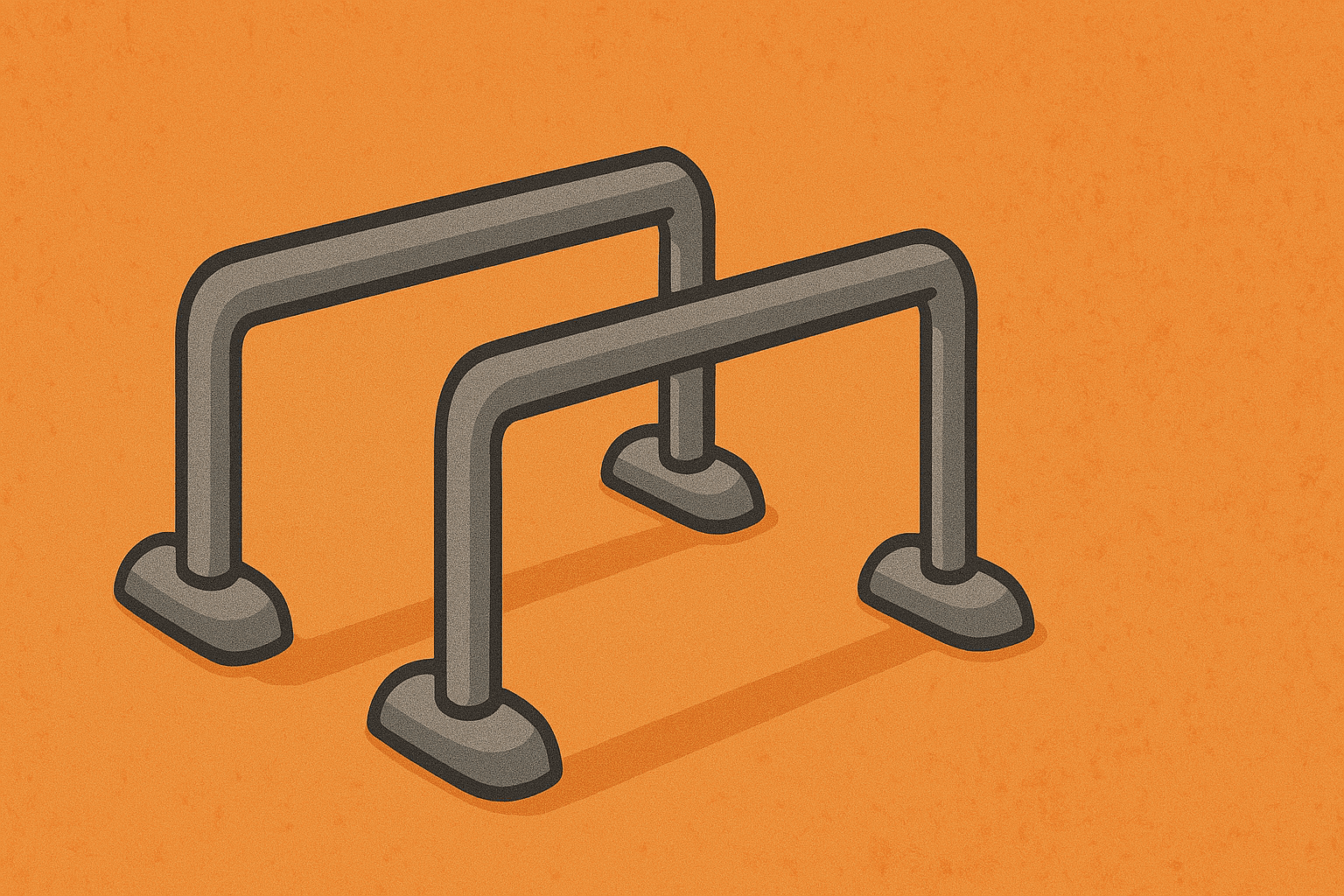
For many people, yes, at least for strength. A good vest, a pull up bar, and parallel bars can cover the main upper- and lower-body patterns.
What it will not fully replace are very heavy leg machines, some rehab tools, and very specific bodybuilding machines. For general strength training, muscle, and fitness, though, a vest-based setup can be more than enough.
Is it safe to do running and cardio with a weighted vest?
Light running, fast walking, and simple conditioning circuits with a vest can be helpful, including benefits for rucking and hiking. The heart and lungs work harder, and the legs learn to handle extra load.
Problems start when the weight is too heavy, the fit is not secure during dynamic movements, or when someone jumps straight into long runs with a vest. That can stress knees, hips, and ankles. It is better to start with short walks, then short runs, with a light vest, and build up over time.
Conclusion
A good weighted vest for calisthenics should provide a comfortable fit, offer adjustable weights in small increments, and match both the athlete’s strength and budget. The Gornation Elite 20 kg weighted vest shines as the best overall pick, the MVRK Adjustable 65 lbs suits advanced heavy work, and the ZELUS Adjustable vest offers a smart budget entry into weighted training.
With a solid vest, bodyweight basics stay fresh for years. Start light, keep form clean, move weight up slowly, and treat the vest as a long-term training partner. Simple movements, done well with smart load, will keep progress coming long after most people hit their first plateau.