Adding a weight vest to your training is one of the easiest ways to ramp up bodyweight workouts. A weight vest straps snugly to your torso and lets you add extra resistance without fuss or bulky gear. It turns basics like push-ups, squats and pull-ups into tougher challenges and helps you build strength and muscle faster.
This piece of gear is a top pick for athletes because it’s simple, adjustable and works for every fitness level. From explosive movements to static holds, a weight vest can boost almost any calisthenics exercise for better returns. Just remember, bumping up the load means your body works harder, so good form and safety should always come first.
If you’re curious about quality options or how to choose the right one, check out my guide to the best weight vest for calisthenics. It covers how these vests fit into a smart training plan and ways to use them for all-around progress.
Benefits of Using a Weight Vest in Your Training
Adding a weight vest to your routine does a lot more than just make workouts harder. It brings real, measurable benefits whether you want to build muscle, get stronger, or improve your cardio without much extra hassle. Here’s how a weight vest cranks up the value of your calisthenics workouts.
Progressive Overload and Muscle Growth
For real strength and muscle gains, you need to keep challenging your muscles with extra resistance. This is where a weight vest shines. It lets you increase the load on your body without ever picking up a dumbbell. Instead of endless reps, just strap on the vest and you immediately force your muscles to adapt and get stronger.
A few key ways a weight vest supports muscle growth:
- You can slowly add more weight as you get stronger.
- Classic moves like push-ups, pull-ups, and squats suddenly demand more from every muscle group.
- Progress becomes easier to track since you control exactly how much extra weight you use.
If you’re figuring out whether a weight vest or another tool like a dip belt fits your needs, see my Dip belt versus weight vest comparison.
Enhanced Cardiovascular and Functional Endurance
A weight vest isn’t just for building muscle. By wearing extra weight during runs, jump squats, or even brisk walks, your body works harder to pump blood and deliver oxygen to the muscles. Over time, this means your heart and lungs get a serious workout, too. The result is better stamina for both daily activities and hard training sessions.
A few reasons why it helps your endurance:
- Every step or jump takes more effort, raising your heart rate faster.
- You mimic real-life situations where you carry groceries, backpacks, or other loads.
- Higher breathing rate boosts your cardiovascular system’s ability to deliver oxygen.
Convenience and Versatility in Training
One of the best things about a weight vest is how it turns almost any bodyweight exercise into a strength move, with no need for extra gear. Want to make squats, lunges, or burpees tougher? Just wear your vest. It’s perfect for home workouts, outdoor training, or when you travel and don’t have access to a gym.
Just a few perks of this versatility:
- Packs small and works anywhere—no big setups or machines.
- Lets you switch between strength, endurance, and skill drills with no fuss.
- Works for static holds, explosive jumps, and everyday movement training.
If you want advice on choosing the ideal vest for your needs, I recommend checking out my Best Weight Vest for Calisthenics guide. It breaks down what to look for in a vest and how to get the most out of it.
A quality weight vest isn’t just about adding more weight, it’s about unlocking new ways to push your limits, wherever you train.
Top Bodyweight Exercises to Perform with a Weight Vest
Once you’ve got the basics down, adding a weight vest unlocks fresh intensity for classic bodyweight exercises. Even simple moves become a real strength test when you’re carrying extra load. It’s a way to get more out of every rep you do, build muscle faster, and break plateaus—without fancy machines or long warmups. Here’s how to put a weight vest to work if you want serious results from your training.
Weighted Push-Ups, Dips, and Pull-Ups
Push-ups, dips, and pull-ups are the holy trinity of upper body calisthenics. Strap on a weight vest and you’ll feel the difference from the first rep. That extra resistance forces your muscles to fire harder, turning easy sets into real grinders. Form comes first, but once you can control the movement, piling on weight is the next logical step.
My quick tips for leveling up:
- Weighted push-ups: Perfect for chest, shoulders, and triceps. Keep your core tight and move slow for max muscle.
- Weighted dips: Blast your triceps, lower chest, and front shoulders. Use parallel bars or a sturdy dip station.
- Weighted pull-ups: Legendary for back and biceps. Focus on quality movement—no chin over bar cheats!
If you want gear that makes all three of these moves possible, the best pull up station power tower is an essential tool that fits right into any home gym setup.
Weighted Squats, Lunges, and Lower Body Exercises
Don’t sleep on the power of weighted lower body moves. A weight vest lets you increase resistance for squats, lunges, and step-ups, all without touching a barbell. This is key for functional strength—think of carrying a heavy backpack on a hike, or hauling groceries up stairs.
Add these to your routine for new gains:
- Weighted squats: Fire up your quads, glutes, and hamstrings. Drop deeper, keep feet flat, and focus on balance.
- Walking lunges: Target legs and hip stabilizers. The vest challenges your balance more than dumbbells.
- Step-ups or box jumps: Add explosive power, working legs in ways regular squats can’t.
For a breakdown of why lower body training matters, or how squats serve as the foundation of leg strength, see my favorite guide for calisthenics basics explained.
Core Training: Planks, Leg Raises, and More
Weighted vests make even the simplest core work majorly challenging, turning static holds and slow leg raises into fights for stability. Training your core with extra load pays off in total-body strength and better form on other lifts.
Here are some core moves to try:
- Weighted planks: Go for time, not reps. The vest forces your whole trunk to stabilize.
- Hanging leg raises: Crushes your abs and hip flexors. Start with your legs bent if straight legs are too tough, then build up to longer sets.
- Weighted mountain climbers or hollow holds: These static or dynamic moves will light up your entire midsection.
Explore more ideas for building a stronger core with my list of Top Pull-Up Bar Exercises, which covers leg raises and other pull-up bar moves perfect for a weight vest.
Every rep adds up fast with extra weight on your shoulders—you’ll be amazed at the progress in both strength and muscle if you stick with it.
Programming and Safety Tips for Weighted Vest Workouts
Using a weight vest can take your calisthenics game up a level, but it’s only effective (and safe) if your approach is smart. Choosing the right weight, moving at your own pace, following essential safety strategies, and picking the tool that suits your goals will all make a difference.
How to Choose the Right Weight and Progress
Start lighter than you think, especially if this is your first time training with extra load. Your focus should be on quality movement, not max weight. I recommend sticking with the following plan for steady, safe progress:
- Begin with 5-10% of your body weight in the vest, especially for moves like push-ups, lunges, and squats.
- Pay attention to form. If it breaks down, lighten the load.
- Increase by small increments (1-2 kg at a time) only after you can easily complete all reps with strong, pain-free technique.
- Schedule lighter, bodyweight-only days to allow your joints and connective tissues to adapt.
If you’re building a calisthenics toolkit beyond the vest, supportive gear can help with transitions and progressions. I cover the essentials in my breakdown of the Top Calisthenics Accessories.
Best Practices for Injury Prevention and Recovery
Weighted vests challenge your muscles, joints, and even your skin. That’s fantastic for growth, but you need to respect that added stress. Here’s how I keep my training safe and trouble-free:
- Warm up thoroughly: Increase blood flow with dynamic stretches and basic bodyweight moves.
- Focus on slow, controlled reps rather than speed or momentum.
- Use a vest with even weight distribution to avoid tipping or awkward pressure on your shoulders.
- If a movement causes sharp pain, stop and check your form or lighten the load.
- Plan deload weeks or rest days. Recovery isn’t optional—it’s where you actually get stronger.
Grip control is another overlooked factor, especially when hands get sweaty. Consider chalk for extra confidence during high-rep or hanging exercises. My guide to the best liquid chalk for calisthenics covers what to look for to train safely and comfortably.
Dip Belt vs Weight Vest: Which is Better for You?
People often ask when to use a weight vest versus a dip belt. The choice comes down to exercise style and comfort. Each tool shines in different spots:
- Weight vests are best for moves where you want even loading across your body—think push-ups, squats, lunges, planks, and even running.
- Dip belts let you add heavy weights for vertical pulls or dips since they hang the load below the hips. They’re perfect for focused, pure strength work like weighted pull-ups or weighted dips.
If your routine includes lots of full-body movements or you like training outdoors, a vest is likely your best friend. Prefer to pack on plates for heavy dips or pull-ups at the gym? You might want a dip belt in your arsenal.
I put together a detailed Dip Belt vs Weight Vest Comparison that breaks down when each works best to help you decide. Check it out if you want more clarity or are looking to round out your setup.
Integrating Weighted Vests into Your Calisthenics Gear Arsenal
If you really want to max out your home workouts, adding a weighted vest is a smart way to get stronger without crowding your training space. A weight vest blends right into your calisthenics routine, making basic moves more challenging and helping you break through plateaus. Still, a vest works best with other quality gear, and keeping everything in good condition is key for long-term progress.
Building a Versatile Calisthenics Equipment Setup
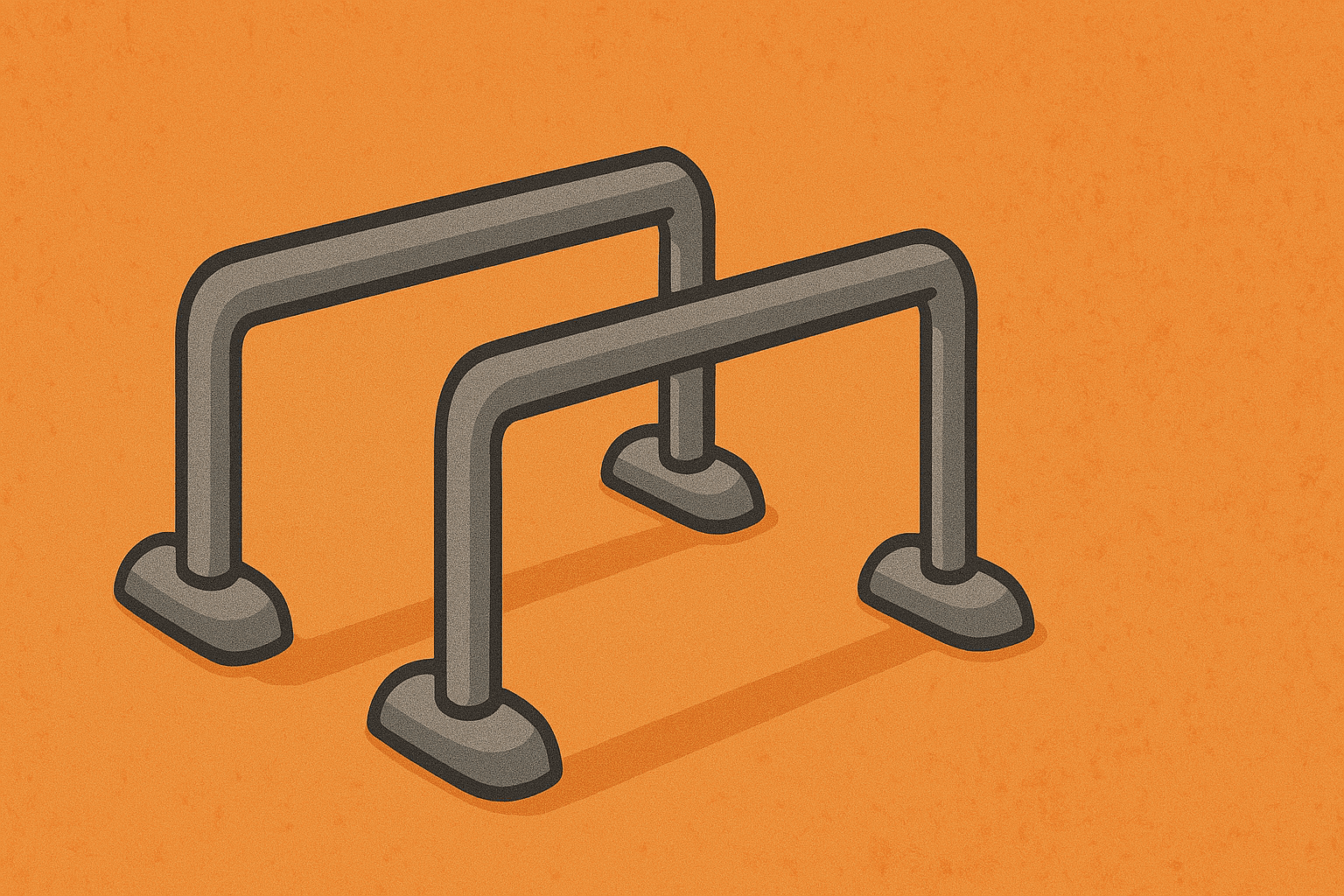
A solid calisthenics setup is about more than just a vest. I like to think of it as building a toolkit, where each piece matches a specific purpose. A weighted vest pulls extra duty—it’s compact, but it increases the challenge of everything from pull-ups to lunges and even static holds. I always keep my vest handy alongside a pull-up bar, dip station, sturdy parallettes, and resistance bands. These tools add layers to my workouts and help me hit every muscle group.
To get the best results, focus on combining your weight vest with other effective gear. Parallettes boost push-up range, dip bars make weighted triceps work safer, and a solid pull-up bar turns any doorway or beam into a workout spot. If you want a complete breakdown of gear to round out your training, I recommend checking out the Top Calisthenics Gym Equipment. You’ll find details on must-have items to match or upgrade your vest and get more out of every session.
A practical setup gives you freedom. I mix and match tools to train indoors or outdoors, keeping things fresh. Your vest doesn’t have to be the star every day, but when paired with the right gear, it ramps up the challenge fast.
Tips for Maintaining Your Weight Vest and Gear
Keeping your gear in good shape is about more than looks. Proper care keeps your workouts safe and extends the life of your setup, especially when you sweat through tough sessions. I always follow these habits for my vest and other essentials:
- Wipe down after use: Sweat and chalk build up fast. A clean, slightly damp cloth keeps the vest and straps fresh.
- Check for wear: Inspect the seams, buckles, and weight pockets. Small tears or fraying can turn into bigger problems if ignored.
- Store it right: Hang your vest in a dry, shaded spot—never stuff it at the bottom of a gym bag. This prevents odor and keeps the padding from warping.
- Air dry only: If your vest gets soaked or smells, let it air dry rather than putting it in a machine; heat can ruin the materials.
- Occasional deep cleans: Some vests have removable weights. Take them out, follow the brand’s cleaning guide, and let all parts dry completely before reassembling.
Regular care isn’t complicated, but it pays off. I treat my calisthenics gear the same way—keep bands clean, wipe down bars, check for rust or slipping grips. Reliable equipment always means safer, smoother workouts.
Conclusion
Weighted vest exercises bring real progress to bodyweight training, turning familiar moves into fresh challenges. They offer unmatched versatility, letting me upgrade push-ups, squats, or planks without any bulky gear. With the right start and steady progression, adding a vest is both safe and practical for getting stronger at home or outdoors.
If you’re serious about leveling up, step into weighted vest work carefully and focus on solid form. Explore more calisthenics gear beyond the basics—every extra tool can help you push farther and stay motivated. The right setup supports your growth for the long haul; I recommend checking out the calisthenics equipment category for more options to round out your training.
Try adding just one or two weighted exercises to your next session and notice the difference. Stay consistent, keep your gear in shape, and share your progress. Thanks for following along—here’s to stronger sessions and new personal bests.