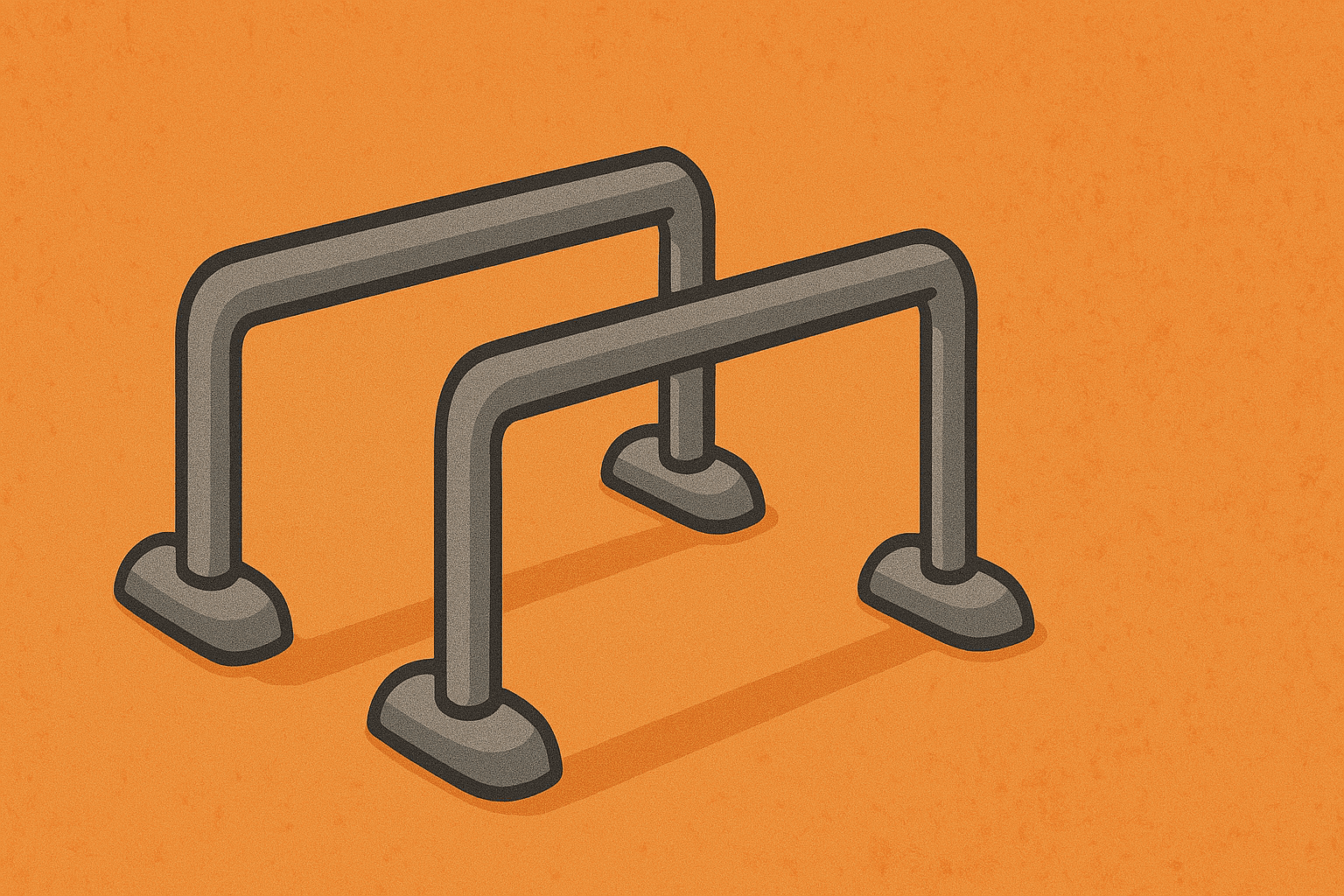
If you want to build real strength and control, training with a static bar is one of the smartest moves you can make. Unlike high bars used for swinging moves, a static bar sits at a fixed, moderate height, ideal for exercises that require staying in one place and using strict technique. These features make it perfect for mastering bodyweight staples like the front lever, back lever, and planche, helping you train power and stability all at once.
Static bars can’t be used for swinging or kipping, but that’s what makes them so effective for slow, controlled movements. With the right approach, you can shape your whole upper body, improve your core strength, and set a solid base for advanced skills. For anyone serious about progressing in calisthenics, the right bar makes a difference — you can check out my calisthenics static bar recommendations to find equipment that fits your space and style. Training with the static bar takes patience, but the results speak for themselves.
Understanding the Static Bar: Features and Limitations
The static bar stands out for its simple design and serious training potential. It gives you a fixed surface, perfect for strict holds and bodyweight exercises. To get the most out of your training, you need to know exactly what a static bar offers and where its boundaries lie. This helps you pick the right setup for your space and adjust your workouts for better results.
Key Features of the Static Bar
Static bars keep things basic, which is part of their appeal. Here’s what you can expect:
- Solid, Unmoving Base: The bar stays fixed, often mounted to a wall or anchored to the ground. This stability lets you perform demanding holds (like the front lever or planche) without worrying about the bar shifting.
- Even Height: Usually set at mid to upper chest height, static bars are ideal for a range of calisthenics exercises—high enough for safe clearance, low enough for full control.
- Minimal Bend or Flex: Most static bars are made from steel or similar durable materials. This means little to no bounce or give during use, so you get honest feedback from every rep.
- Simple, Grippy Finish: Bars typically have a knurled or matte finish to reduce slip, helping maintain your grip especially during sweaty workouts.
- No Moving Parts: There are no hinges or rotating pieces, which keeps distractions minimal and sessions focused.
These features add up to a piece of equipment that’s routine-proof—reliable for daily training and easy to maintain.
Core Static Bar Exercises: Essential Movements for All Levels
Static bars shine when it comes to core-focused bodyweight training. These bars push you to master holds and positions that demand full-body tension and strict form. If you want to boost your body control, progress through calisthenics skills, or just challenge your core and upper body, these foundational static bar moves give you the perfect roadmap. Let’s break down the best static bar exercises for every skill level, making room for both beginners and those chasing advanced strength.
Front Lever Progressions: Break Down Steps from Tuck Front Lever to Full Front Lever
The front lever is a classic test of back, core, and shoulder power. Beginners start with the tuck position, keeping knees close to the chest. This reduces leverage and helps you build up tension through your lats and abs without overstressing your lower back. As you build strength, you can extend one leg at a time (advanced tuck or single-leg front lever), eventually reaching the straddle and, finally, the straight-legged full front lever.
Key things to focus on:
- Keep your arms straight and shoulders “packed” (depressed and retracted).
- Pull your chest up and squeeze your glutes to maintain a rigid line from shoulders to toes.
- Progress by holding each position for longer (aim for 10-15 seconds before advancing).
Adding resistance bands can help support your body as you work up to tougher progressions. I’ve found that top resistance bands for calisthenics are a simple tool for practicing front levers safely, especially during the harder straight-legged stages.
Back Lever Progressions: From Skin-the-Cat to Straight Back Lever
Learning the back lever often starts with the skin-the-cat, which builds shoulder mobility and gets you used to rotating your body under the bar. From there, move into the tuck back lever, where your knees are close to your chest and hips are “piked” as you hold yourself parallel to the floor. Over time, start to open your hips, going from advanced tuck and straddle positions, finally working toward the straight-body back lever.
Important training notes:
- Focus on scapular retraction—pinching your shoulder blades together to protect your shoulders.
- Keep your core tight and legs squeezed together as you extend into harder shapes.
- Control the descent into the lever (don’t just “drop” into the hold).
Gymnastics rings can make back lever training more joint-friendly and accessible. If you want to deepen your practice or switch up your grip, check out the options in my top rings for calisthenics training guide.
Planche Variations and Progressions: From Tuck Planche to Full Planche
The planche is one of the hardest static holds you can aim for, demanding serious shoulder, chest, arm, and core activation. Start with the tuck planche, balancing on straight or bent arms with knees close to your chest. As you get stronger, open your hips and extend your legs to hit the advanced tuck, straddle, and then the full planche position. Bent arm planche progressions let you build strength before aiming for the classic straight arm planche.
What matters most:
- Straighten your arms as soon as your shoulders, wrists, and elbows can manage it. If you struggle, stick to bent arm planche to avoid injury.
- Lean forward as you planche—the more you lean, the harder it gets.
- Lock your scapulae forward and down, making a “protracted” (rounded) upper back.
Low parallettes make planche training more wrist-friendly and give you more room to practice strict positions. My experience with top parallettes for calisthenics training has shown they give an edge for both beginners and advanced users.
Plank and L-Sit Holds: Mechanics, Benefits, and Modifications
Isometric holds like the plank and L-sit are essential for total core stability. The plank is all about keeping a straight line from heels to head, activating your abs, back, and glutes. For L-sits, suspend yourself with locked elbows—either on the bar or parallettes—and lift legs out in front until your hips are at a 90-degree angle.
Try these variations as you get stronger:
- For planks, add leg lifts or shift forward to make the standard hold harder.
- For L-sits, move from tuck (knees bent), to one-leg extended, then full L-sit. If you want more burn, try V-sits by raising your hips and legs even higher.
If you’re interested in more challenging holds you can do on the bar, from hanging L-sits to complex core moves, visit my guide on best exercises for pull-up bars. You’ll find routines for building serious midsection strength.
Building skill and strength with these static bar exercises doesn’t just look cool—it pays off with a rock-solid core, stable shoulders, and full-body control you can feel in every workout.
Integrating Calisthenics Equipment for Better Static Strength
Mixing in the right calisthenics equipment can take your static strength training to the next level. With simple but purposeful gear, you can gain more stability, push through plateaus, and make classic static holds more effective. Whether you train at home or in the gym, choosing what works best for each move makes a real difference. Here’s how I use different pieces of equipment to fine-tune my static bar workouts and why they might help you do the same.
Pull-Up Bars for Advanced Static Holds
A quality pull-up bar is the heart of any static strength setup. The solid foundation of a mounted bar helps you build confidence in moves like the front lever and back lever. The right bar should be sturdy, with a grippy surface that makes it safer to attempt long holds, especially as you add weight or try new progressions.
If you want ideas for what to look for, my tips on the best pull-up bars for calisthenics break down options for all spaces and budgets. I like bars that let me focus on strict form, with no distractions from wobbly parts or rough finishes.
Dip Bars to Enhance Static Training
Dip bars aren’t just for dips—they double as a strong base for static holds like L-sits and tuck planches. Their parallel, stable grip puts less strain on the wrists, and the extra height gives you space to try deeper moves and transitions. If your goal is to improve static core strength, switching between the static bar and sturdy dip bars can give your wrists a well-earned break and spark new progress.
For a roundup of my preferred models, check out the top dip bars for calisthenics. I’ve found these work especially well for at-home training where you need stability and confidence for longer holds.
Parallettes and Push-Up Bars for Precision
When you want to clean up your planche or L-sit technique, parallettes or push-up bars are hard to beat. They raise you off the ground, improve your grip, and let you train static holds with better wrist alignment. This not only helps prevent pain but also builds more control and balance, especially as you chase advanced shapes like full planches or V-sits.
Push-up bars are my secret weapon for beginners easing into static holds. They’re portable, quick to set up, and ease wrist stress, making practicing holds less taxing on your joints. For more about gear that makes static training smoother, I recommend the best push-up bars for calisthenics guide.
Pull-Up Stations and Power Towers for Complete Progressions
Want to combine multiple static holds in one session without skipping a beat? Pull-up stations or power towers are like having a training lab in your home. They bring together bars at different heights and angles, so you can work through progressions from hanging holds to dips and push-ups all in one spot. This all-in-one setup supports serious static training by letting you switch up grips and positions without interruptions.
If you’re building a dedicated home setup, you’ll enjoy my experiences with the Best pull-up stations for calisthenics, which explain what to look for and how to use each feature for static goals.
Grips and Accessories for Safety and Progress
Don’t forget about the small accessories that help you train longer and safer. Grip fatigue will hit most people during static bar work. To counter this, I use leather workout grips or simple chalk to boost hold strength and avoid painful blisters. As your sessions get longer and holds more demanding, these small add-ons can make or break your practice. They allow me to work on grip-intensive skills, like longer front lever holds, without stressing about slipping.
Look for grips that are made for static bodyweight training, and replace them when they wear out to keep your setup safe every session.
Structuring Your Equipment for Maximum Static Strength
Here’s how I structure my own static-focused session with these tools:
- Warm-Up on a Pull-Up Bar: Start with light hangs and scapula pulls.
- Primary Static Holds: Use a pull-up bar or parallettes for front levers and planches.
- Core Focus on Dip Bars: L-sits and tuck holds with a wrist-friendly grip.
- Accessory Work on Push-Up Bars: Finish with planche leans, pseudo push-ups, and additional core holds.
- Take Breaks: Use grips or chalk as needed to prevent slipping.
Mixing equipment doesn’t complicate things. It extends your session, lets you manage fatigue, and teaches your body to use optimal positions for each move. More gear means more ways to adjust the challenge level, so you keep making steady gains.
Using calisthenics equipment with intention doesn’t just boost performance—it’s a practical way to stay injury-free and make training more enjoyable every time you hit the bar.
Training Tips for Safe and Effective Static Bar Workouts
Static bar exercises demand control and focus. They build real strength, but pushing too hard or skipping important steps can lead to setbacks or injuries. I take training safety as seriously as performance gains. The following tips help you stay confident and injury-free, while also getting the best out of each session. With practice, these habits become second nature and can help unlock new levels of strength on the bar.
Warm Up Purposefully Every Session
Warming up isn’t just a box to tick—it’s your secret weapon against pulled muscles and stiff joints. Before jumping into holds or advanced positions, I do a blend of dynamic stretches and light movement:
- Arm Circles and shoulder dislocates to loosen up the upper body.
- Scapula Pull-Ups, hanging scapula shrugs, or gentle bar hangs to activate the back and core.
- Wrist Rotations and gentle push-ups on fists to get wrists ready for bearing weight.
It’s especially helpful to warm up muscles that support your elbows and wrists. For extra joint support, consider compression and warmth—a tool like the Supportive Elbow Sleeves by Gornation can make a big difference for recovery and comfort, especially if you train frequently.
Master Your Technique First
Static bar strength comes from patience and precision, not rushing to the next progression. Every static hold or transition depends on strong form. I coach myself and others to:
- Prioritize Alignment: Keep your core braced, shoulders packed down, and avoid arching your back.
- Start with Easier Progressions: Use tuck versions before straddle or straight-leg. Only move on when you can hold each position with minimal shake.
- Work Both Sides: Balance strength by spending equal time on left and right side holds, especially if practicing one-arm work.
Neglecting form to chase a harder move only leads to sloppy habits and progress plateaus. Quality control on every rep pays off tenfold.
Use a Grip That Works for You
Grip strength is a common limit in static bar training. I rotate between using a full thumb-over grip (for safety) and a false grip (for moves like the front lever). But sweaty hands can ruin good form or even lead to slips. Liquid chalk is my go-to for consistent grip without mess.
If you train indoors or outdoors, you might find the Top Liquid Chalk for Grip list useful for learning what works best for bar control and hand health.
Respect Rest and Recovery
Static holds hammer smaller muscles and tendons, often in ways you don’t feel until a day later. I’ve learned the hard way that underestimating recovery slows strength gains and raises injury risk. To stay strong:
- Rest at least 48 hours between intense static sessions for the same muscle groups.
- If you notice pain or odd fatigue, step back and do active recovery—gentle hangs, banded mobility work, or soft tissue massage.
- Track your sessions and adjust volume if your performance or joint health dips.
Listening to your body is as important as any technical cue.
Progression: Small Steps, Big Results
Trying to move from tuck to advanced variations too fast can burn you out. Instead, I break progress down into mini-goals:
- Increase hold times before tackling new shapes. A 10-15 second steady hold is a good sign you’re ready.
- If form degrades, drop the difficulty and focus on excellent reps.
- Add weight or resistance bands only when you truly own each position.
This method keeps your confidence high and keeps setbacks away.
Keep Your Surroundings Safe
Your setup impacts your training just as much as your form. I make sure my bar and floor area are clear and stable before starting any static work:
- Double-check that the bar is tightly mounted and not loose.
- Use mats or grass if training outdoors for softer landings.
- Keep chalk, bands, or accessories within easy reach to avoid stepping off mid-session.
If you’re building or updating your home space, the Top Calisthenics Gym Equipment guide is a useful read for safe and functional setups.
Focus On Grip and Elbow Health
Static training puts a lot of stress on your grip and elbows, especially as you extend hold times. Take breaks as soon as your grip weakens, and don’t hesitate to use aids like supportive sleeves or grip pads. Train your forearms directly—farmer’s walks or bar hangs help reinforce endurance.
For more ways to protect your wrists and elbows, I recommend adding select Essential Calisthenics Accessories to your toolkit. Simple gear like quality wrist wraps or padded grips can make those long sessions safer.
Summing It Up
You don’t need maximal effort every session—instead, keep safety and form top of mind, and progression happens faster than you think. These tips are all tried and tested from real training. With consistent habits, your time on the static bar will not only be stronger but safer too.
Conclusion
Static bar exercises offer a clear path to mastering bodyweight strength and total-body control. With these holds and progressions, I’ve built real muscle and stability that translates into better training across every level of calisthenics. There’s real value in spending time on the basics—each static position teaches control, balance, and grit that carries over to advanced moves.
If you want to see steady results, add static bar skills to your routine and revisit them often. The stronger your foundation, the more progress you’ll notice in other bodyweight exercises. For those looking to balance their programs or add upper-body variety, my Dip bar exercises guide is a perfect next step.
Every rep on the static bar is an investment in better strength and confidence. Thanks for following along—stick with it and let your progress show.