If you are trying to choose between low parallettes and high parallettes, you are probably wondering which one will actually help your training instead of collecting dust in a corner. That is a fair question. The right height changes how stable the bars feel, which exercises you can do, and how comfortable your wrists are during training. In this guide, I will break down low parallettes vs high parallettes in a simple way, so you can see what works best for handstands, L sits, tuck planche work, push exercises, and general home workouts. By the end, you should know exactly which parallette height fits your goals.
What Are Parallettes and Why Does Height Matter?
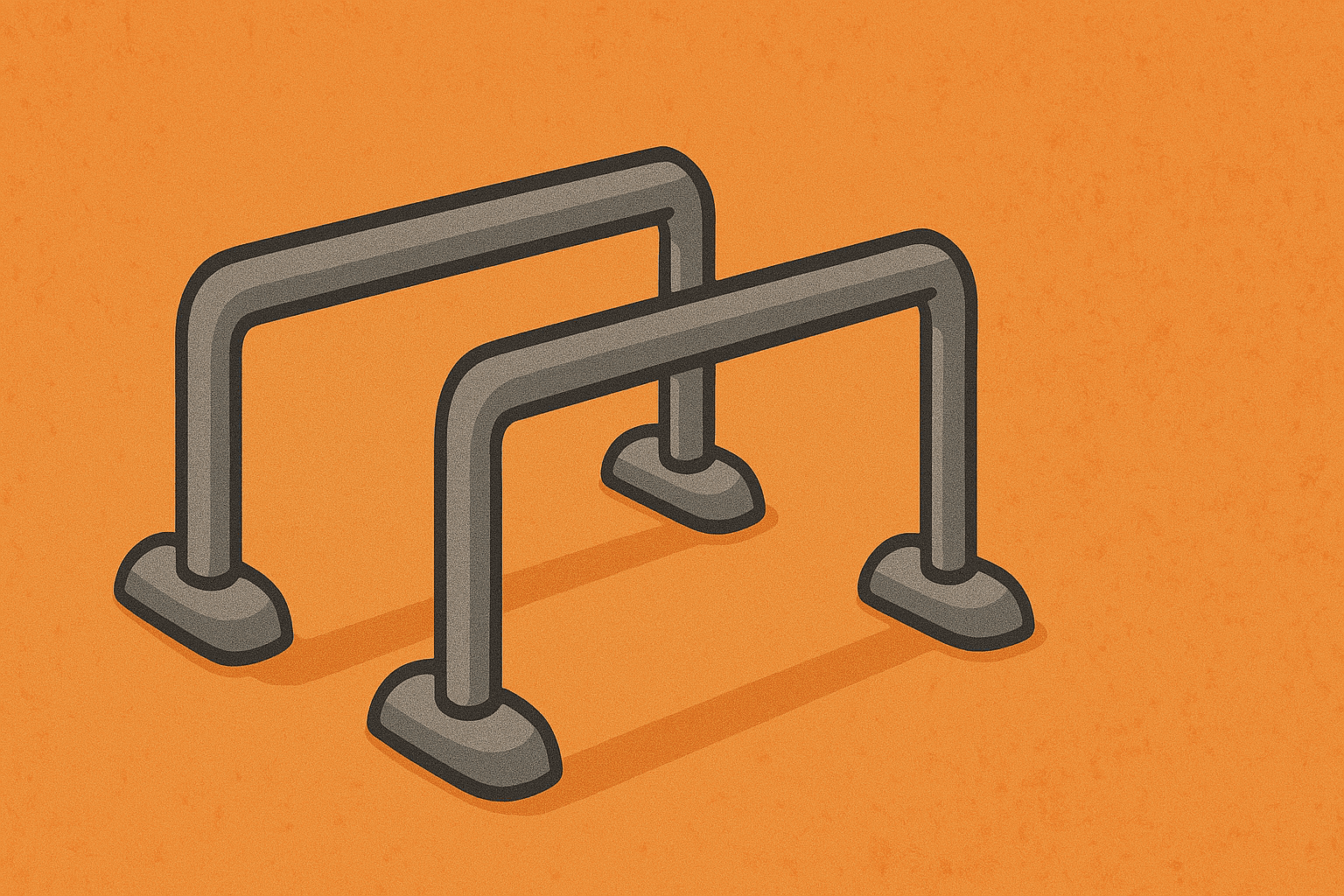
Parallettes are small parallel bars used for calisthenics, bodyweight strength work, and skill training. They give your hands a neutral grip, which often feels better on the wrists than training flat on the floor. They also create extra range of motion, which can make movements like push ups, L sit work, and planche drills more effective.
Height matters because it changes leverage, clearance, stability, and exercise options. In my own training, I noticed pretty quickly that the same athlete can have a very different experience on low parallettes compared with high parallettes. One feels compact and locked in. The other feels more versatile, but sometimes less direct for balance based skills.
The difference between low, medium, and high parallettes
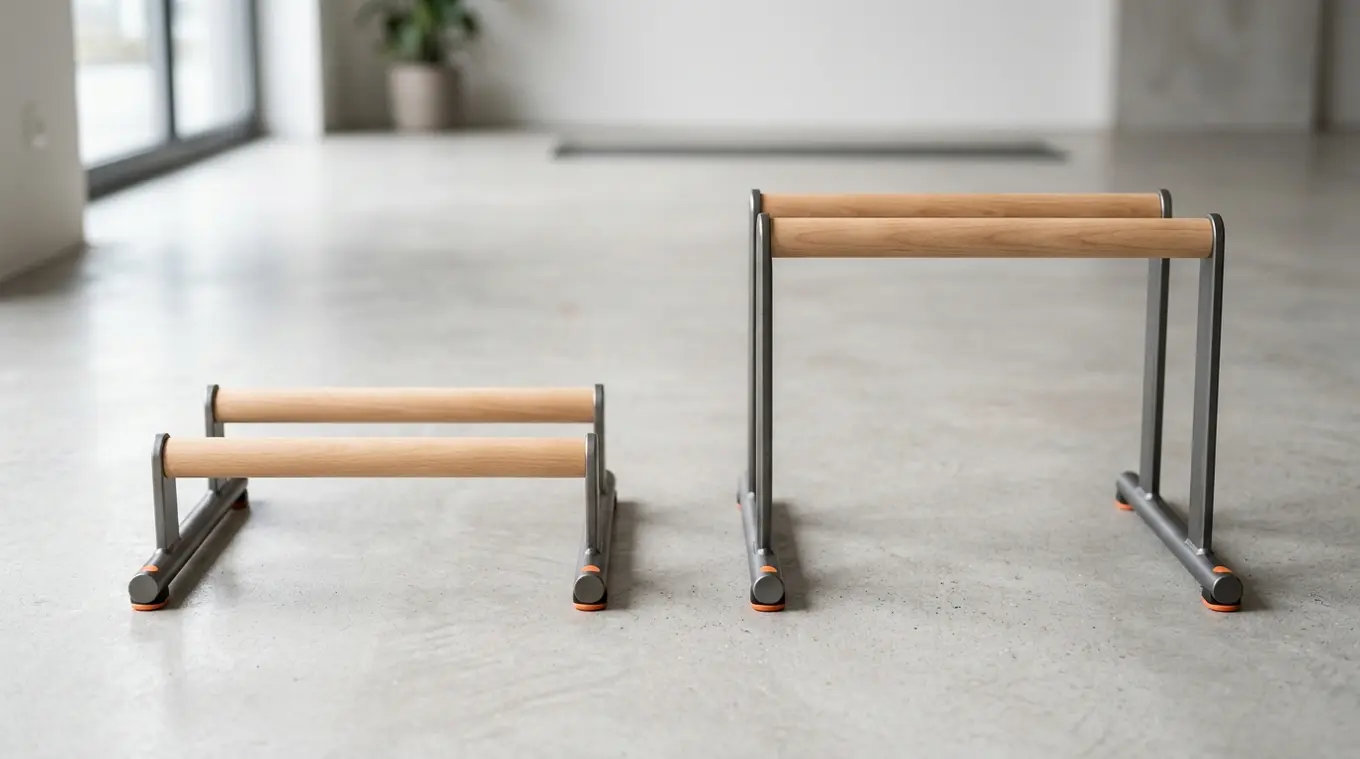
Low parallettes usually sit around 4 to 6 inches high. These are commonly used for planche progressions, handstand practice, push ups, and compact core work. They keep you close to the floor, which usually makes them feel more stable and less intimidating.
Medium or mid height parallettes often land around 8 to 12 inches. They try to combine the best of both worlds by giving you more room under the body without becoming too bulky. Many athletes like this range for general home workouts.
High parallettes are usually around 12 inches and up, sometimes closer to dip bar height depending on the design. They give you much more clearance for deeper movements, longer leg positions, and more exercise variety. If you want one setup for a broader range of push and core work, high parallettes can be the stronger option.
How parallette height affects your training
If your main goal is handstands, tuck planche on parallettes, or controlled static work, low parallettes often feel better because they reduce wobble and keep your center of mass closer to the floor. If your goal is exercise variety, deeper push ups, L sit on parallettes, and more freedom of movement, high parallettes usually offer more options.
That is why the question is not just low parallettes vs high parallettes. The real question is which parallette height is best for your specific training style, body proportions, and goals.
Low Parallettes: Who Are They Best For?
Low parallettes are best for athletes who want maximum stability in a compact setup. They are especially useful for beginners learning balance positions, but also for more advanced athletes drilling planche work and technical handstand shapes. One reason many people ask why use low parallettes is because they feel secure right away. You are not very far off the ground, and that alone makes practice less stressful.
The benefits of low parallettes also include portability and simplicity. They are easy to store, easy to carry, and usually fit well in apartments or small home gyms. If you want a straightforward piece of equipment that supports skill work without taking much space, low bars make a lot of sense.
A good example is the Gornation Parallettes PRO. This kind of lower profile setup works very well when your focus is handstands, planche drills, and controlled basics with a stable base.
Best exercises on low parallettes
Low parallettes shine in static and technical exercises. Handstands are a big one because the neutral grip can reduce wrist extension and help you spend more quality time upside down. If handstand training is one of your goals, you can pair this setup with tips from this handstand guide.
They are also excellent for tuck planche on parallettes, pseudo planche push ups, elevated push ups, and compact L sit progressions. For many athletes, the L sit on parallettes feels more natural than doing it on the floor because you get wrist comfort and a little space to lift the hips. If you want to improve that movement specifically, this L sit guide is a useful next step.
Limitations of low parallettes
The main downside is limited clearance. If you have long legs, tight hamstrings, or you want to perform deeper movement patterns, low bars can start to feel restrictive. That is especially true for advanced L sit variations, deep deficit push ups, and flowing exercise combinations.
Low bars are also less ideal if you want one piece of equipment for broad full body variety. They are great at what they do, but they are more specialized. So if you are asking what to look for in parallettes and your answer is versatility first, low may not be your best pick.
High Parallettes: Who Are They Best For?
High parallettes are best for athletes who want more freedom under the body and more exercise options from one tool. The biggest benefits of high parallettes come from the added space. You can move deeper, extend the legs more easily, and perform a wider range of push and core exercises without constantly running into the floor.
| Criteria | Low parallettes | High parallettes |
|---|---|---|
| Typical height | About 4 to 6 inches | About 12 inches and up |
| Best for | Handstands, tuck planche work, controlled statics | L sits, deep push ups, mixed strength and core workouts |
| Stability | Usually more stable and less intimidating | Usually more versatile but can feel less grounded |
| Range of motion | More limited clearance | More clearance and deeper movement options |
| Portability | Easy to store and carry | Bulkier and less travel friendly |
| Best choice if you want | Precision and compact skill practice | Versatility and broader exercise variety |
This is usually why use high parallettes in a home gym setup. They let you build more variety into training without needing several different bars. In my experience, they are especially useful for athletes who want practical strength work as much as skill work.
If that sounds like you, a model like the Gornation Parallettes MAX is worth considering. The extra height gives more room for L sits, deep push ups, and general conditioning while still feeling stable enough for serious training.
Best exercises on high parallettes
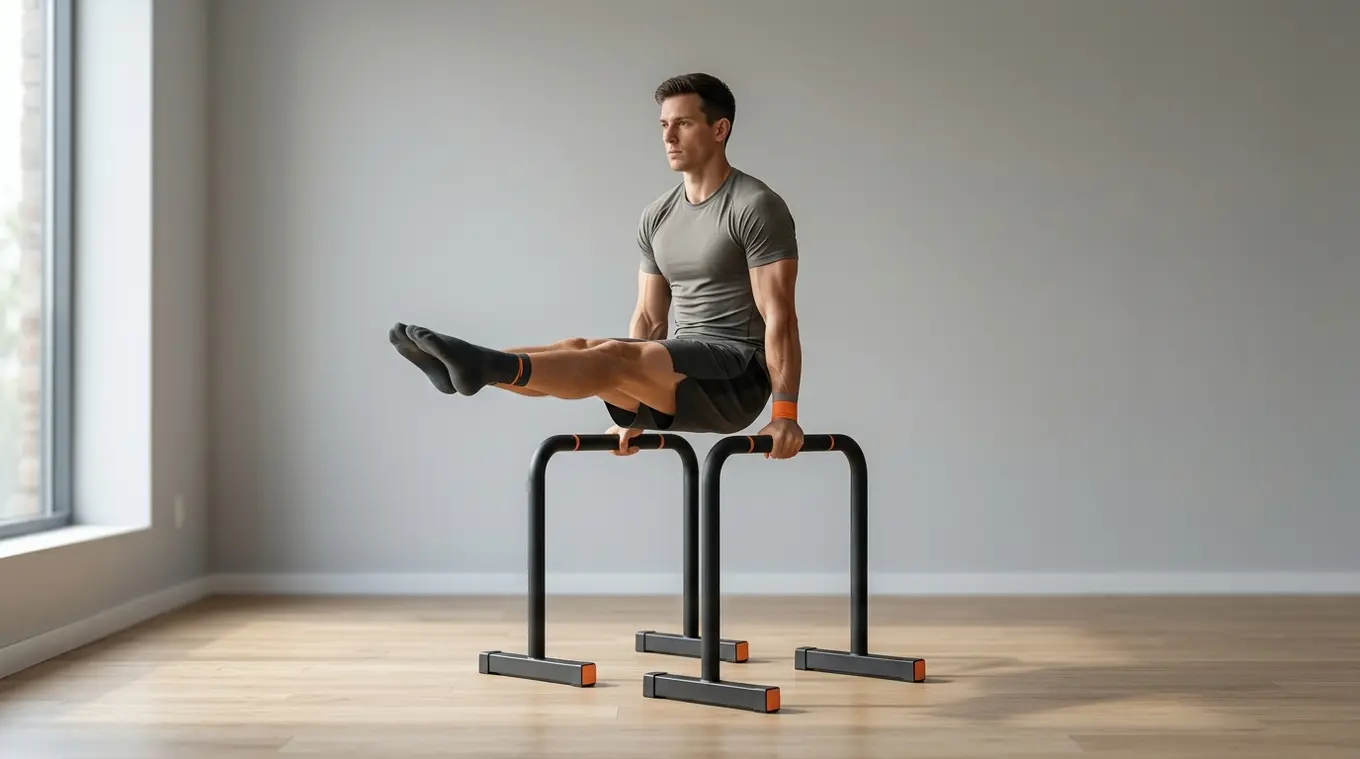
High parallettes are great for L sit on parallettes, deep deficit push ups, tuck holds, knee raises, shoulder focused push variations, and core work that needs extra leg clearance. They also make it easier to explore progressions toward elbow levers and more advanced compression based drills.
For athletes who want a broader menu of movements, this is often the better fit. A lot of people buy one pair and want them to cover strength, skill work, and conditioning. High bars usually do that better than low ones.
Limitations of high parallettes
The tradeoff is that high parallettes can feel a bit less grounded for balance based work, especially if the build quality is poor or the footprint is narrow. Cheaper models may wobble more, and that can affect confidence in handstands or planche training.
They are also bulkier to store and transport. If you train in a very small space or want something easy to throw into a bag for park sessions, low parallettes usually win on convenience.
Low vs High Parallettes: Side by Side Comparison
When comparing low parallettes vs high parallettes, low bars usually win for stability, compactness, and skill focused practice. High bars usually win for exercise variety, range of motion, and comfort in positions that need more clearance.
For handstands and tuck planche on parallettes, I would generally lean low. For deeper push patterns, L sit training, and mixed workouts, I would lean high. For beginners, the right answer depends on your goal. If your main interest is balance and statics, start low. If your main interest is general calisthenics strength and versatility, start high.
There is also the question of wrist comfort. Both options can reduce wrist strain compared with floor work because of the neutral grip. If grip is still an issue, chalk can help a lot, especially on sweaty sessions. If you want to compare options, read this guide on liquid chalk vs block chalk.
As for materials, wood handles usually feel better for grip and skin comfort, while metal can feel more rugged and easier to clean. But height is still the first choice to make because it affects how you actually train every week.
Should You Get Both Low and High Parallettes?
Some athletes eventually own both, and there is a real case for it if your training spans a wide range of skills and strength work. Low parallettes for handstand and planche sessions, high parallettes for L sits, deep push work, and conditioning. The two heights genuinely complement each other.
That said, most people do not need both to start. If you are still building your foundation or training in a limited space, pick the height that matches your most common exercises and commit to that first. You can always add a second pair later once your training has matured and you have a clearer sense of what each height gives you. Buying both at once makes the most sense when you are already training at a level where you regularly need what each option offers.
Which Parallettes Should You Buy?
If you want a simple answer, buy low parallettes if your focus is handstands, planche progressions, portability, and a stable feel close to the floor. Buy high parallettes if you want more exercise variety, more room for L sits and core drills, and a better all around tool for home workouts.
If you are still unsure which parallettes height is best, think about the exercises you will do most often over the next six months. That matters more than buying for an ideal future version of your training. A lot of people overestimate how much advanced work they will do and underestimate how important convenience is.
For focused skill practice, I would look at low models like Gornation Parallettes PRO. For broader strength and conditioning, high models like Gornation Parallettes MAX are often the better fit. If you want to compare more options before buying, checking a roundup of the best parallettes for calisthenics can help narrow it down.
At the end of the day, the best parallettes size for you depends on whether you want precision or versatility. Neither is universally better. The right choice is the one that supports your real training, not just the exercises that look impressive online.
Low parallettes vs high parallettes comes down to your priorities. Low bars are usually better for stability, handstands, and planche focused training. High bars are usually better for exercise variety, deeper range of motion, and L sit progressions. If you mainly train skills and want a compact setup, go low. If you want one pair for a wider range of workouts, go high. Keep build quality, grip, and stability in mind, and choose the option you will actually use every week. That is almost always the smartest buy.
Frequently Asked Questions
Are low parallettes better for beginners?
Low parallettes are often better for beginners who want to learn handstands, planche basics, or simple push variations. They feel more stable because you are closer to the floor. That said, beginners who want more general strength training and exercise variety may prefer high parallettes instead.
Can you do an L sit on low parallettes?
Yes, you can do an L sit on low parallettes, and many people start there. The challenge is that lower bars give you less room to lift and extend the legs. If you have longer legs or limited compression strength, high parallettes often make the position more accessible.
Are high parallettes good for handstands?
High parallettes can work for handstands, but many athletes find low parallettes more stable and easier to control. High bars are more useful when you want one tool for many exercises, while low bars are often preferred for focused balance practice and technical skill work.
What height should parallettes be for planche training?
For planche training, low parallettes are usually the better choice. They provide a solid, secure feel and keep you close to the ground, which helps with confidence and control. Many athletes use them for tuck planche on parallettes, leans, and pseudo planche push up progressions.
What should you look for when buying parallettes?
Look for stability, handle comfort, grip, quality materials, and a height that matches your goals. If possible, choose wooden handles for a more comfortable feel. Then decide whether you want low parallettes for skill work or high parallettes for more exercise variety and range of motion.