When it comes to liquid chalk vs block chalk for calisthenics (especially regarding grip strength, mess, and skin issues in apartments), your grip shouldn’t be the thing that ends a set. But it often is. A slightly slick pull-up bar, sweaty palms on rings, one tiny hand slip on a slow negative, and the whole session changes.
If you train in an apartment, you’ve got another problem: mess. Chalk dust on dark floors, white fingerprints on door frames, and that awkward feeling that you’re leaving a trail through shared spaces.
This guide breaks down these chalk options with a focus on grip performance, cleanup, and skin comfort, so you can train hard without turning your place into a crime scene.
What chalk actually changes (and what it doesn’t)
Chalk doesn’t magically give you stronger grip strength overnight. What it does is remove the weak link that sweat creates between your skin and the bar.
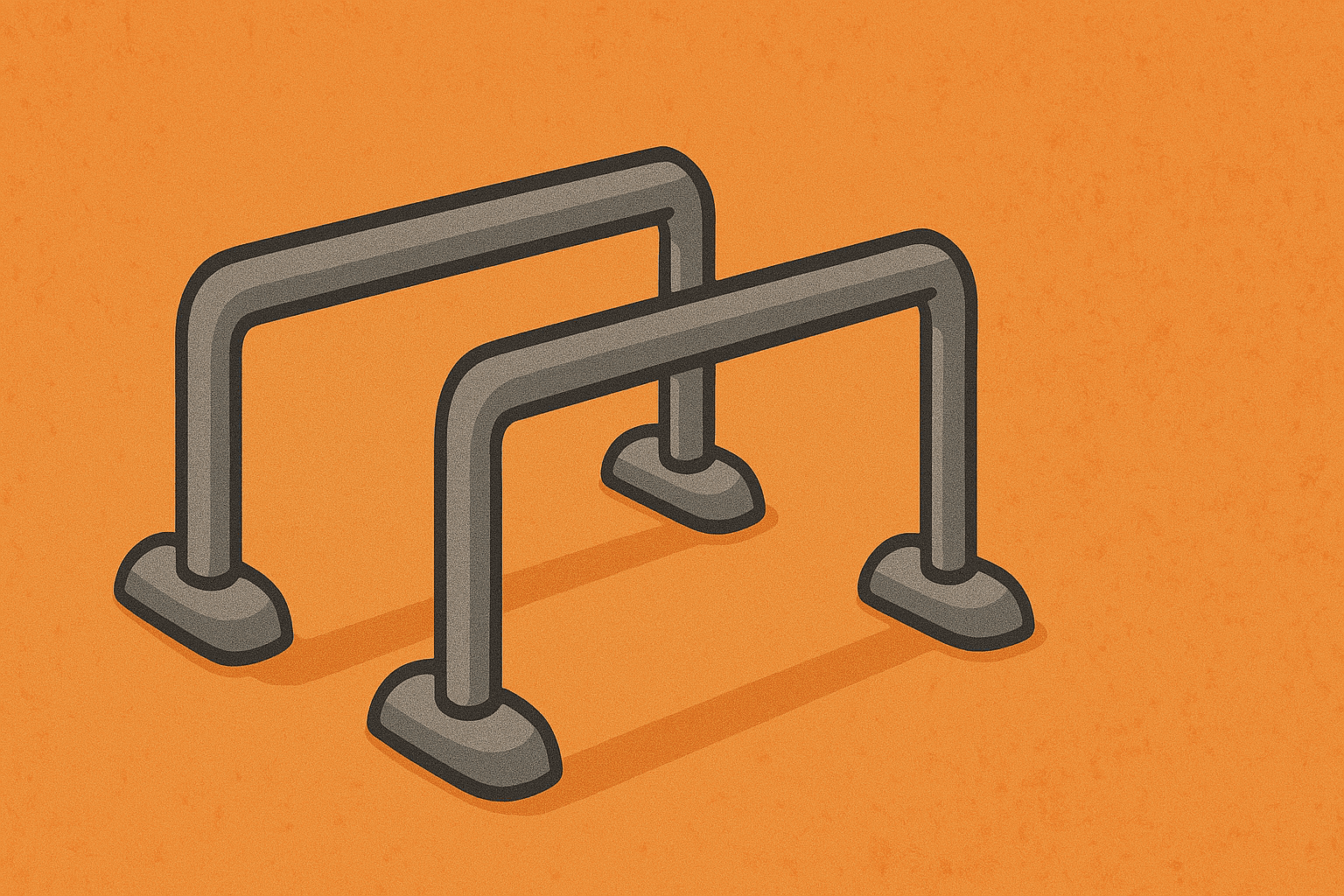
Most gym chalk and traditional chalk is magnesium carbonate. This compound provides science-backed moisture absorption for sweat control, adds friction, and makes your workout grip feel more “locked in.” That matters on pull-up bars, rings, and parallettes (much like in rock climbing), where a small slip can change your form and load your joints in a bad way.
Chalk also changes how you pace a set. If you’re re-gripping every rep, you waste energy. If you’re stable, you stay tight.
Here’s the real difference in feel and living-room impact:
| Factor | Liquid chalk | Block chalk |
|---|---|---|
| Grip feel | Dry and consistent | Often “grabbier” right away |
| Re-apply | Less often | More often (especially if you sweat a lot) |
| Mess | Low (no airborne dust) | High (dust gets everywhere) |
| Skin feel | Can dry fast (alcohol base) | Can dry and roughen over time |
| Apartment-friendly | Usually yes | Sometimes no |
If you want a deeper breakdown of chalk forms and textures (loose, block, liquid), this guide to chalk types and textures explains why different formats behave differently on your hands.
Liquid chalk for apartment training (clean grip, fewer complaints)
Liquid chalk is basically chalk suspended in alcohol content. You squeeze a small amount into your palm, rub it in, and it dries in seconds into a thin chalk layer with optimal adhesion time.
The biggest win in an apartment is simple: it stays on your hands. You’re not slapping a block, creating a puff of chalk dust that drifts onto the floor, the couch, and the black hoodie you’re wearing. This makes liquid chalk ideal for mess-free training.
It’s also easier to keep “contained.” If you apply it over the sink or a small towel, there’s usually nothing to clean afterward. Plus, liquid chalk is highly portable for apartment athletes, fitting easily in your gym bag.
A few practical tips that make liquid chalk work better indoors:
- Use less than you think. If your hands look painted white, you used too much.
- Let it dry fully before grabbing rings or a bar, or you’ll get weird clumps. The alcohol content ensures quick adhesion time once applied.
- Wash after training, then moisturize, because the alcohol base can leave your skin tight.
Liquid chalk shines for:
- Pull ups and chin-ups in higher reps
- Muscle ups, ring supports, and slow dips (where micro-slips add up)
- Static holds like dead hangs and tuck front lever work
If you want help picking a good formula that doesn’t feel overly sticky or messy, this best liquid chalk for calisthenics grip guide is a solid starting point.
One caution: liquid chalk can still leave light residue on gear. The difference is that it usually wipes off, instead of floating around your home.
Block chalk when you want maximum bite (and how to control the dust)
Block chalk is the classic traditional chalk in weightlifting. You rub the block on your palms, or crush a bit into your hands, and you get that dry, “ready to work” feel fast.
In pure grip terms, block chalk as regular chalk can feel more aggressive. If you train when your hands are already sweaty, it can absorb moisture quickly and give you a strong first contact on the bar.
The downside is obvious in an apartment: chalk dust.
Chalk dust doesn’t just land on the floor. It sticks to rubber mats, creeps into textured surfaces, and shows up as white smears on anything you accidentally touch after a set. If you’ve ever found chalk prints on a light switch, you know the vibe. Powder chalk generates this chalk dust, which can also cause respiratory irritation indoors. Many gym rules ban powder chalk and similar formats for the mess it creates.
If you still prefer block chalk, you can make it apartment-safe with a few habits:
Containment: Use one towel as a “chalk zone” under your bar or rings. Keep the block and your hands over that towel only.
Hands-only rule: Chalk, then grab the bar. Don’t adjust straps, open doors, or touch your phone.
Quick cleanup: Vacuum first (dry), then wipe (slightly damp). Wiping first can smear it into a paste.
Gym chalk like block chalk makes the most sense when:
- You train outside sometimes and want one option for everywhere
- You like re-chalking between sets as with traditional chalk or regular chalk
- You don’t mind cleaning, or you’ve got a dedicated training corner
If you’re on the fence about mess, this article on why liquid chalk is cleaner lines up with what most apartment lifters notice fast.
Skin issues, gear care, and neighbor-proof routines
In calisthenics, your hands take real abuse. Chalk, sometimes with rosin added to formulas for extra tack and grip longevity, can help by reducing sudden slips, but it can also push your skin toward dryness if you overdo it.
If your skin gets dry or irritated
Liquid chalk is the main offender for sensitive skin because of the alcohol content. Block chalk can still dry you out, but it’s usually a slower burn. Liquid chalk often worsens skin irritation for those prone to dryness.
A simple routine helps a lot for hand protection:
- Rinse hands after training, use mild soap
- Moisturize at night (not right before training)
- File thick calluses so they don’t catch and tear
If you get frequent tears on rings, consider your equipment too. Wooden rings often feel less harsh than slick plastic, and they handle sweat differently. This best gymnastic rings for calisthenics guide can help you choose a set that matches how you train at home.
If your apartment is the limiting factor
Your goal is to keep gym chalk where it belongs: on your hands, not on your floors.
Two small upgrades make a big difference:
- A dark training towel or small mat under your station
- A dedicated “grip kit” spot (chalk, hand towel, moisturizer)
If you’re building out a compact setup that fits apartment life, these basic calisthenics tools for home workouts are the kind of essentials that pair well with either chalk option.
Conclusion
For most apartment athletes practicing calisthenics or weightlifting, liquid chalk is the easiest win: strong grip, low mess, and fewer headaches. Block chalk, like regular chalk, can feel grippier right away, but you pay for it in dust and cleanup.
Pick the option that delivers reliable workout grip and keeps you consistent. Your training should leave you with better pull-ups and stronger hangs, not chalk footprints across the living room.