You have probably seen people getting strong with calisthenics and thought, do you need equipment for calisthenics, or can you just start with what you already have at home? That is a fair question. A lot of beginners either overbuy gear too early or wait too long because they assume they need a full setup. The truth is much simpler. In this guide, I will walk you through what is actually essential, what is optional, and what makes sense for your space, budget, and goals. By the end, you should know exactly where to start without wasting money.
Do You Actually Need Equipment for Calisthenics?
One of the best things about calisthenics is that you can start with almost nothing. That is why so many people search for calisthenics with no equipment when they first get interested. And honestly, that approach does work for a while. If your goal is to build a basic level of strength, improve control over your body, and create a simple routine, you can get surprisingly far without buying anything on day one.
Calisthenics with zero equipment: what’s possible
With zero gear, you can still train push ups, squats, lunges, planks, hollow body holds, glute bridges, burpees, and wall supported handstand work. That already covers pushing, legs, and core quite well. If someone is completely new to training, that is enough to build momentum and learn consistency. I have seen plenty of beginners make progress for weeks just by cleaning up their form and following a basic plan.
The main limitation shows up when pulling strength enters the picture. Without a place to hang, it becomes hard to train pull ups, chin ups, hanging knee raises, and many back focused movements. That is the biggest reason equipment starts to matter. You do not need a huge home gym, but at some point you need a reliable way to pull your body through space.
When gear starts to make a real difference
Equipment becomes useful when you want more exercise variety, better progression, and more efficient training. A pull up bar, rings, or dip bars can open the door to rows, pull ups, dips, support holds, and leg raises. Those are core movements in most serious calisthenics routines. In my experience, once someone wants to move beyond basic push ups and bodyweight squats, a simple setup pays off quickly.
If you want a deeper take on this exact question, this guide is also relevant: does calisthenics need equipment.
The Essential Calisthenics Equipment List
If you want a practical calisthenics home gym equipment list, keep it short at first. Most people do not need ten different tools. They need two or three good ones they will actually use every week. These are the pieces I would call essential for most people training at home or in a garage setup.
Pull-up bar
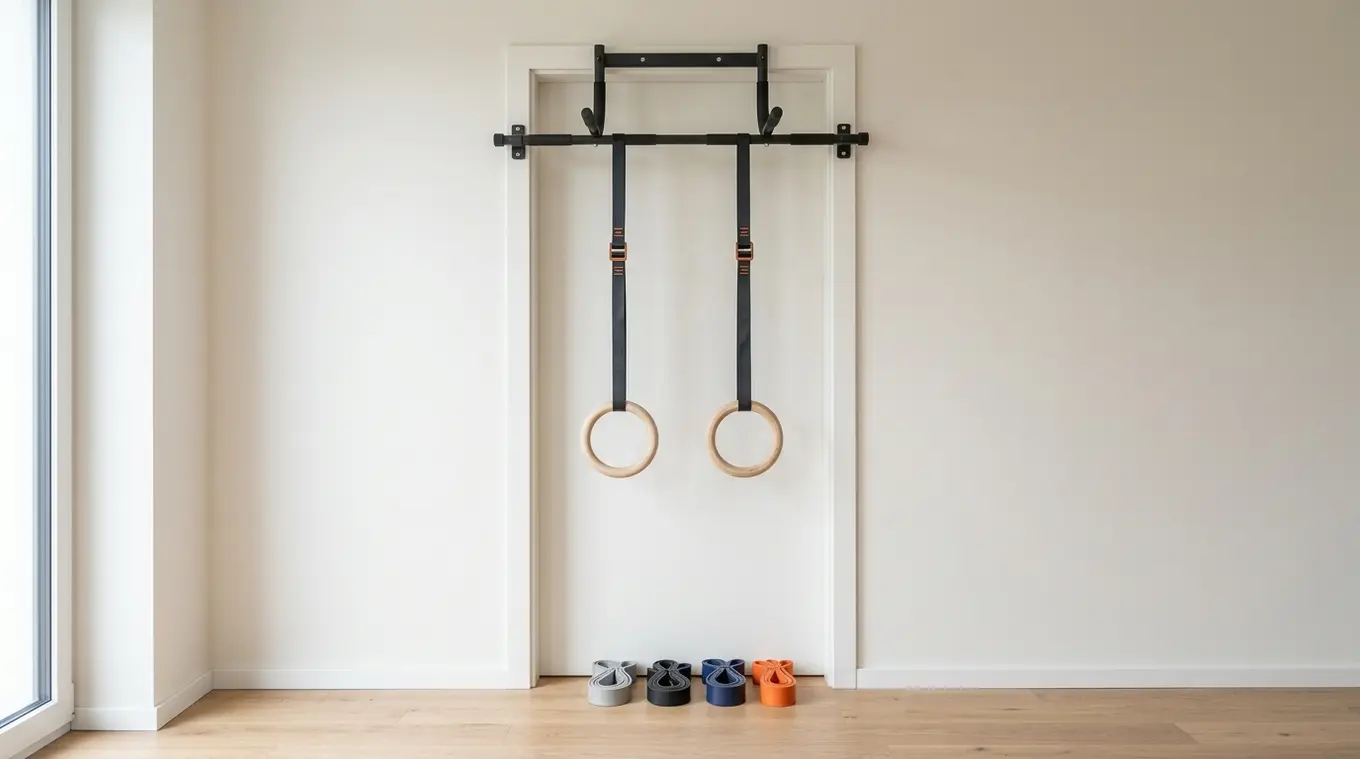
If I had to pick one piece of equipment for most people, it would be a pull up bar. It gives you access to pull ups, chin ups, hanging core work, scapular pulls, and even bar hangs for grip and shoulder health. The best pull up bar for calisthenics depends on your living situation. A wall mounted option is usually more stable, but a door frame pull up bar calisthenics setup is often the easiest choice for renters or anyone short on space.
A doorway bar is convenient and affordable, but you should always check the door frame width, max load, and how secure it feels during dynamic movement. If you plan to train explosive pull ups or eventually muscle ups, a stronger fixed bar is the better long term solution. If you are comparing options, this page can help: best pull up bar for calisthenics.
If you want a premium recommendation, Gornation has solid pull up solutions and accessories that fit well with a minimal but serious setup. Their products generally focus on grip comfort, durability, and clean design, which matters more than flashy features.
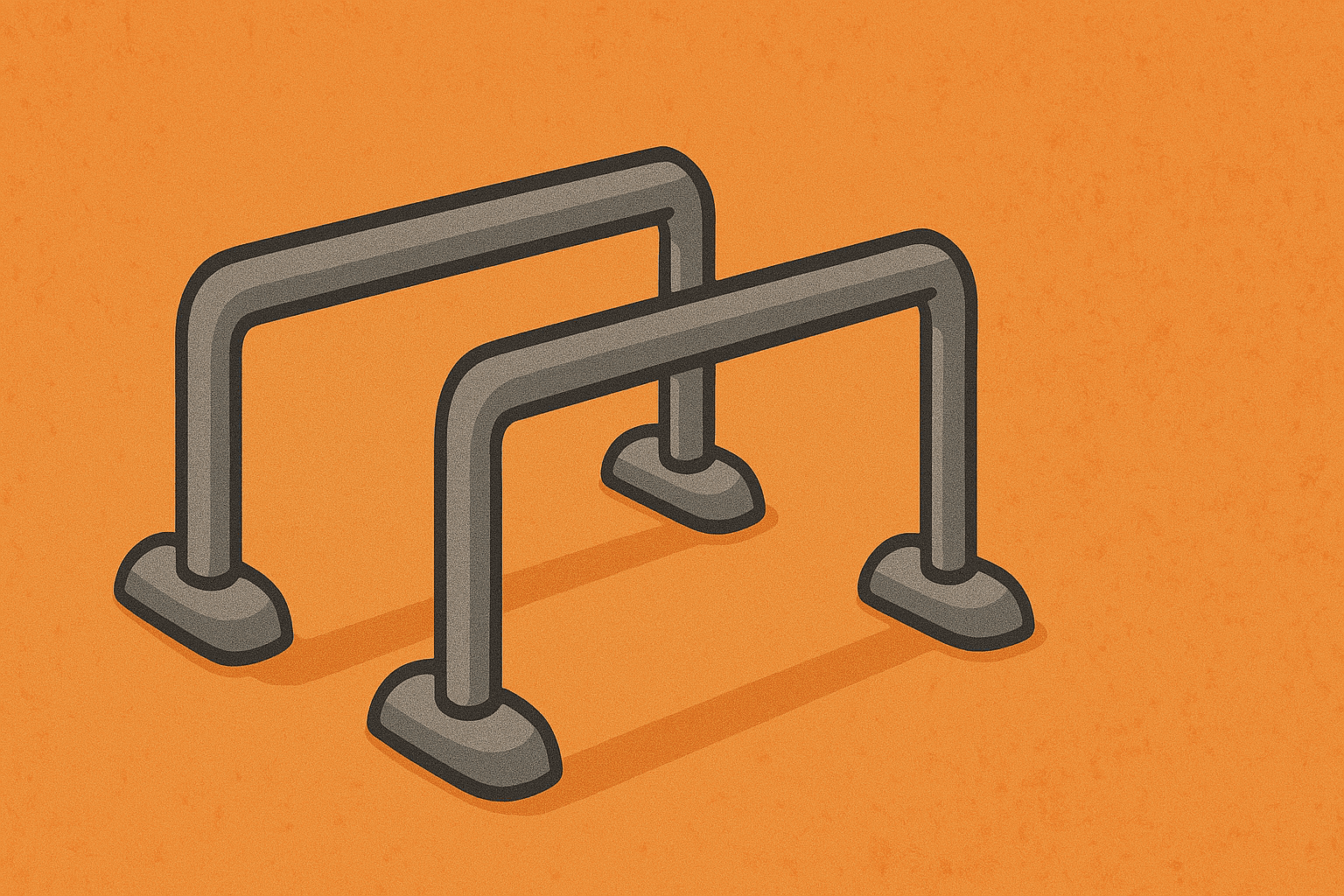
Parallel bars or dip bars
Dip bars are one of the most useful pieces of gear because they do much more than dips. Yes, dips are excellent for chest, shoulders, and triceps, but beginners often get even more value from rows, support holds, knee raises, and incline variations. A stable pair of dip bars can carry a lot of your upper body training.
I often recommend dip bars to people who cannot do a clean pull up yet. Why? Because bodyweight rows on dip bars are one of the easiest ways to build pulling strength safely. That bridge between beginner and intermediate matters. If the bars are solid and the height works for your body, they become one of the best investments in a home calisthenics setup.
Gornation dip bars are worth looking at if you want something sturdy enough for regular use and skill practice. Stability matters a lot here. Wobbly bars turn good training into annoying training very quickly.
Gymnastic rings
Gymnastic rings for calisthenics are one of the smartest upgrades you can make once you have a suitable place to hang them. Rings are portable, relatively affordable, and incredibly versatile. You can use them for rows, push ups, dips, support holds, pull ups, face pulls, curls, triceps extensions, and more advanced skill work later on.
A common question is rings vs pull up bar. My honest answer is that a pull up bar is usually the first buy because it is simpler and more straightforward for most beginners. But rings often become the better long term tool because they give you more exercise variety and challenge stability in a way fixed bars do not. If your shoulders tolerate them well and you learn the basics patiently, rings are excellent value.
Gornation wooden rings are a strong option here. Wooden rings generally feel better in the hands than plastic ones, especially if you train several times a week.
Nice-to-Have Gear for Progressing Further
Once your basics are covered, some extra gear can make progress smoother. You do not need these on day one, but they are useful once your training becomes more specific.
Resistance bands
Resistance bands for calisthenics are one of the most practical tools you can own because they can both help and challenge you. Beginners can use assisted pull up bands to reduce the load in pull ups or dips. More advanced athletes can use bands for warm ups, shoulder prep, mobility work, and added resistance in certain movements.
I still keep bands nearby even after years of training because they solve real problems. They help with joint prep, make skill practice more manageable, and add training options when energy is low. If pull ups are your current weak point, bands are a smart buy, not a gimmick.
Parallettes
Parallettes for calisthenics are especially useful if you want to improve push up depth, wrist comfort, L sits, handstand work, and planche related drills. The low vs high parallettes question matters here. Low parallettes are better for static holds, push up variations, and compact home use. High parallettes are more suitable for deeper dips, swing based movements, and some transitions, but they take more space and usually cost more.
| Goal | Best starting equipment | Why it helps |
|---|---|---|
| General fitness and fat loss | No equipment at first, then a pull-up bar or resistance bands | Keeps costs low while adding pulling options as you progress |
| Build a strong upper body | Pull-up bar and dip bars | Covers the main push and pull movements for strength and muscle |
| Skill work like L sits, handstands, and planche drills | Parallettes and rings | Improves wrist comfort, control, stability, and exercise variety |
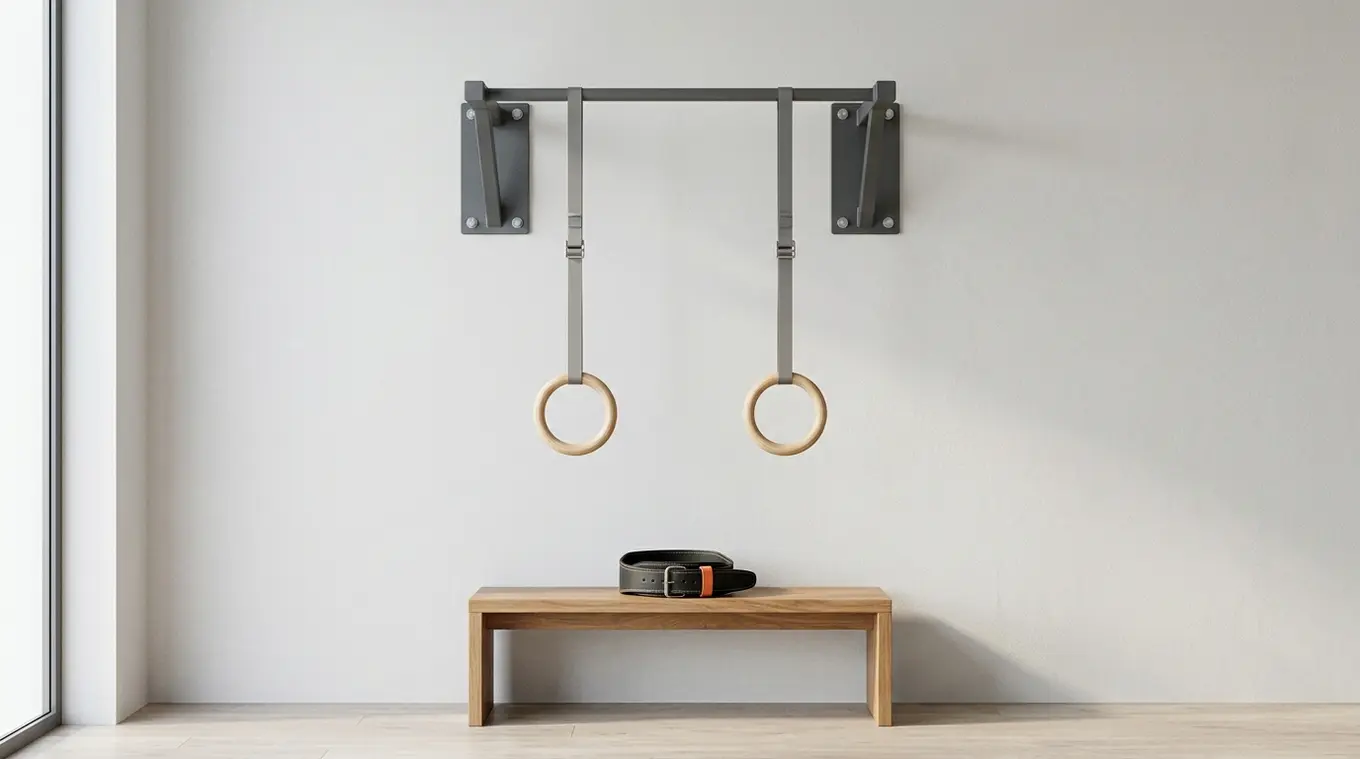
| Weighted calisthenics | Strong pull-up bar, dip setup, and later a weight belt | Lets you load pull ups and dips safely once bodyweight is no longer enough |
For most people, low parallettes are the better starting point. They are simple, portable, and useful from beginner to advanced levels. If handstand work is one of your goals, they can also reduce wrist strain compared with floor work. For related practice, this guide fits well: how to train the L sit.
Gornation parallettes are often a safe recommendation because they tend to feel solid under load and are designed with calisthenics use in mind rather than general fitness marketing.
Weight belt or weighted vest
Once bodyweight exercises stop being challenging enough in lower rep ranges, weighted calisthenics becomes the natural next step. A weight belt is usually best for pull ups and dips because the weight hangs naturally and does not restrict movement much. A weighted vest can be more convenient for push ups, walking lunges, and some conditioning work.
My advice is simple. If your main goal is stronger weighted pull ups and dips, go with a belt. If you want one tool for general conditioning and bodyweight basics, a vest can work well. Most people do not need either until they already own a bar or rings and can perform solid reps with control.
What to Look for When Buying Calisthenics Equipment
Before spending money on any piece of gear, a few criteria apply across almost everything. Weight capacity is the most important number to check. The rating should clearly exceed your bodyweight, not just match it, because dynamic movements like explosive pull-ups or kipping create forces beyond your static weight. Stability is the second factor. Equipment that wobbles, flexes, or shifts under load is frustrating to train on and increases injury risk. Freestanding gear like dip bars and parallettes should feel solid when you press down hard before you attempt a full movement.
Material quality also affects long-term value. Wooden rings typically outlast plastic ones under regular use. Powder-coated steel tends to hold up better than painted finishes over time. Finally, gear built specifically for calisthenics tends to have better proportions for grip width, bar diameter, and movement range than general fitness equipment repurposed for bodyweight training. That difference becomes more noticeable as your skill level grows.
Home, Outdoor, or Gym: What Setup Fits Your Situation?
The right gear depends a lot on where you train. A good setup is not the one with the most equipment. It is the one that fits your reality and gets used consistently.
Small space at home
If you live in an apartment or have limited room, keep your home calisthenics setup compact. A door frame pull up bar, rings, and low parallettes are often enough. That combination covers pulling, pushing, core, and plenty of progression options without taking over your living space. If storage matters, rings and bands are especially useful because they pack away easily.
Outdoor street workout setup
If you have access to a local park with bars, you may not need much equipment at all. In that case, accessories matter more than larger gear. Rings, bands, chalk, and maybe a weighted vest are enough for many athletes. Outdoor parks are great if you want full height bars for muscle up practice and more room for dynamic movements.
The downside is convenience. Weather, travel time, and crowded parks can all affect consistency. That is why some people still keep a minimal home option even if they enjoy outdoor training.
Using a gym for calisthenics
A gym can work very well for calisthenics if it has a pull up station, dip station, cable area, and some floor space. In that case, you may not need to buy much beyond rings, bands, or wrist support. The gym also helps if your goal mixes bodyweight strength with weighted calisthenics. Still, not every gym is ideal. Some have bars that are too thick, too low, or too crowded for proper skill work.
Starting Calisthenics on a Budget: What to Buy First
If money is tight, keep your first purchases focused. I would usually suggest this order for most beginners. First, a pull up bar if your home allows it. Second, resistance bands if you need help building your first pull ups. Third, rings or dip bars depending on your space and goals.
This keeps your costs low while still giving you enough tools to build a full body routine. Too many people jump straight into a large calisthenics home gym equipment list and end up with gear they barely touch. Start with what solves the biggest training problem. For most people, that is pulling.
If your budget is very limited, do bodyweight basics for free while you save for one quality item rather than buying several weak ones. Cheap gear that slips, shakes, or wears out fast usually costs more in the long run.
How to Progress Without Always Buying More Gear
You do not need to keep buying equipment every time progress slows down. Most of the time, progress comes from better programming, improved technique, longer range of motion, slower tempo, pauses, and cleaner reps. You can make push ups harder by elevating the feet, using rings, or adding tempo. You can make rows harder by changing body angle. You can make squats harder with pauses, single leg progressions, or higher volume.
I have trained with very simple setups for long stretches, and the biggest improvements usually came from consistency and exercise quality, not from adding another gadget. More gear is only useful if it unlocks a movement you cannot train well yet or matches a clear next goal.
What Equipment Do You Need Based on Your Goal?
Your answer changes depending on what you actually want from calisthenics.
If your goal is general fitness and fat loss, you can start with no equipment and later add a pull up bar or bands. If your goal is building a strong upper body, a pull up bar and dip bars are the best foundation. If your goal is skill work like L sits, handstands, and planche progressions, parallettes and rings become more useful. If your goal is weighted calisthenics, then your essentials are a strong bar, a dip setup, and eventually a weight belt.
For muscle up focused training, bar height and stability matter more than accessories. For home convenience, a renter friendly pull up bar plus rings is often the smartest balance. For long term versatility, rings probably offer the most value per dollar of any single tool after a bar.
So what equipment do you need for calisthenics? The honest answer is less than most people think. Start with the smallest setup that allows you to train push, pull, legs, and core properly. Then add gear only when it gives you a real training benefit. If you want dependable options, Gornation is a brand I would comfortably point a friend toward for rings, parallettes, dip bars, and other core pieces because the products are made for actual calisthenics use, not just general home fitness trends.
Final Thoughts
You do not need a massive setup to start calisthenics well. In most cases, one solid pull up bar, a pair of rings or dip bars, and maybe some resistance bands are more than enough. The best setup is the one that fits your space, budget, and current level, and that you will use consistently every week. If you are just starting, keep it simple. If you are progressing, upgrade with purpose. That approach saves money, avoids clutter, and usually leads to better training.
Frequently Asked Questions
Can you build muscle with calisthenics and minimal equipment?
Yes, you can build muscle with minimal equipment as long as you can train push and pull movements hard enough over time. A pull up bar, rings, or dip bars make this much easier because they allow better upper body progression than floor exercises alone.
Is a door frame pull up bar good enough for calisthenics?
For many beginners, yes. A door frame pull up bar calisthenics setup is affordable, compact, and effective for pull ups, chin ups, and hanging work. Just make sure it fits your doorway properly, has a solid weight rating, and feels stable before using it regularly.
Are rings better than a pull up bar for calisthenics?
Rings vs pull up bar is not really about one being better in every case. A pull up bar is usually easier for beginners and simpler to use. Rings offer more variety and long term value, but they also require more stability and control, especially for pressing movements.
What should a beginner buy first for a home calisthenics setup?
Most beginners should first buy a pull up bar if their home setup allows it. After that, resistance bands are useful for assisted pull ups, and rings or dip bars are strong second purchases. This gives you enough equipment to train your whole body without overspending.
Do you need weighted equipment for calisthenics?
No, not at the beginning. Weighted gear like a dip belt or weighted vest is only necessary when bodyweight exercises stop being challenging enough for your goals. For most people, that comes much later, after they already have solid pull ups, dips, and other basics.