If you’re asking does calisthenics need equipment?f, the honest answer is no. You can get strong with nothing but your body and a bit of floor space. That’s the whole point of calisthenics: you use your own weight as resistance.
That said, simple gear can make training easier, safer, and more fun, especially when you train at home. Equipment doesn’t replace hard work, it removes roadblocks. The biggest one for most beginners is pulling strength (your back, biceps, and grip).
In this post, you’ll learn what you can do with zero gear, when equipment becomes a smart upgrade, and the small “starter kit” that helps most people (yes, it’s pull-up focused).
What you can do with zero equipment (and why it still works)
Calisthenics “equipment” is mostly you. If you can move your body through space with control, you can build strength and muscle. Think of it like learning to drive with a manual transmission: you don’t need fancy add-ons to get moving, you need reps and good control.
With no gear, you can train the main movement patterns almost anywhere:
- Push: push-ups (incline, knee, standard), pike push-ups, floor triceps work
- Legs: squats, split squats, lunges, step-back lunges, wall sits
- Core: planks, side planks, hollow holds, dead bugs, slow leg lowers
- Conditioning: burpees, mountain climbers, high knees, squat-to-stands
The reason this still works is simple: your muscles don’t count equipment, they “feel” tension. You can increase tension without buying anything by using progression methods that actually matter:
Use a bigger range of motion (deeper squats, chest closer to the floor on push-ups). Slow the tempo (3 seconds down, pause, 1 second up). Add pauses and holds (bottom of a push-up, bottom of a squat). Switch to harder variations (incline push-up to floor push-up, plank to hollow hold). Track your reps and try to beat last week by a small amount.
If you’re training in a bedroom, focus on consistency and clean reps. A simple routine done 3 times a week beats a “perfect” plan you never repeat.
A simple no-gear routine you can start today
Do this 2 to 4 times per week. Rest about 60 to 90 seconds between sets, longer if you need it to keep form clean.
- Push-ups: 3 sets of 6 to 12
- Bodyweight squats: 3 sets of 10 to 20
- Plank or hollow hold: 3 sets of 20 to 40 seconds
Scale it to your level. If push-ups are too hard, use incline push-ups on a counter or do knee push-ups. If they’re too easy, slow the lowering phase and pause for 1 second near the floor. For squats, add a 2 second pause at the bottom. For core work, squeeze your glutes and keep your ribs down, don’t just “survive” the timer.
The goal is to finish feeling worked, not wrecked.
The main limit of no-equipment training: pulling strength
Pushing is easy to train on the floor. Pulling is not. Your back and biceps need you to pull your body toward something, and without a bar, rings, or even a sturdy anchor point, you’ll hit a ceiling fast.
You can try substitutes, but they’re limited. If it’s safe and stable, you might do towel rows under a heavy table (test it carefully first). You can also use doorframe holds, scapular squeezes, or isometric “pulls” where you tense hard against an object that won’t move. These can help you feel the right muscles.
Still, none of this matches the simple power of hangs, rows, and pull-ups. That’s why many people feel “stuck” with home calisthenics. It’s not lack of effort, it’s lack of a good pulling option. Fix that, and your training opens up.
When equipment becomes a smart upgrade (not a requirement)
You don’t need equipment to start, but you might want it once you care about steady progress. The right gear helps you apply progressive overload, adds exercise variety, and can be kinder on your joints (wrist-friendly handles are a real relief if you do lots of pushing).
As of January 2026, the trend is clear: people want compact, multi-use tools that fit small home spaces. Pull-up bars, adjustable loading tools like weighted vests or dip belts, and travel-friendly kits like bands (and even rings) are popular because they store easily and scale with your strength. The common theme is simple: small gear that makes bodyweight training harder, not more complicated.
Here’s the practical way to think about upgrades:
| Goal | What you’re missing | What helps most |
|---|---|---|
| First pull-up | A safe place to hang | Pull-up bar + bands |
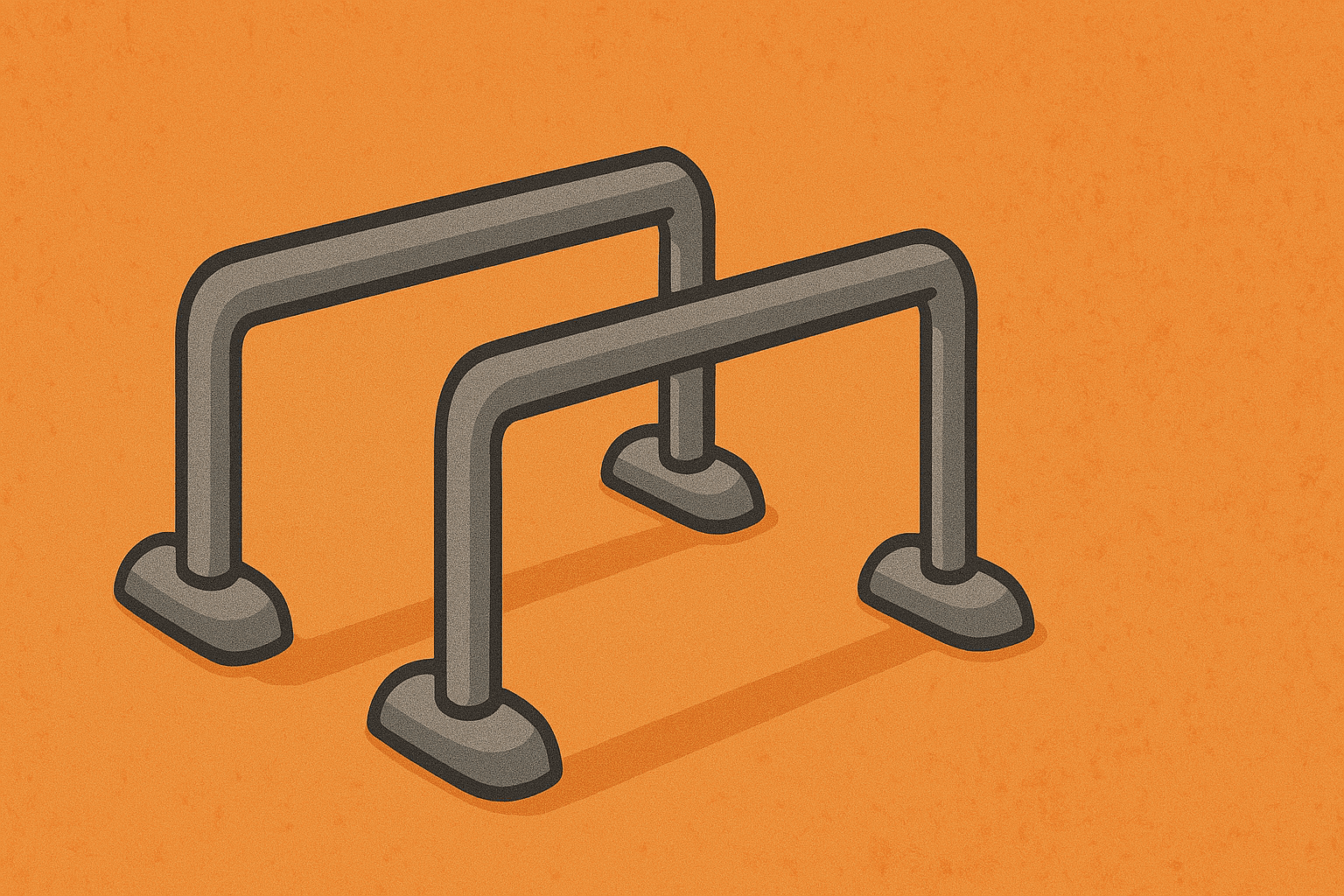
| More push-up comfort | Wrist stress on the floor | Parallettes |
| Faster strength gains | More load than bodyweight | Weighted vest or dip belt |
If you’re curious about what a solid bar setup looks like, use this guide to compare options and styles: Best calisthenics pull-up bar guide.
If you buy only one thing, make it a pull-up bar
For most home trainees, a pull-up bar is the best first purchase because it unlocks a whole category of training you can’t fake well on the floor. Even before you can do a strict pull-up, you can do dead hangs, assisted reps, slow negatives, and knee raises.
When you shop, look for boring but important details: a steel build, a stable mounting method, and a real weight rating (aim for 300+ lb capacity as a baseline). Make sure it fits your space, you want enough height to hang comfortably without your feet crashing into the floor.
Safety matters. If you mount a bar, install it into studs with the right hardware. If you use a doorway bar, check your doorframe integrity, tighten or seat it correctly, and avoid wild swinging until you trust it. A good bar should feel solid before you start your set, not after.
Your beginner add-ons: bands, parallettes, and rings (pick based on your goal)
You don’t need a pile of gear. Start with what removes your biggest bottleneck.
Resistance bands are the easiest “yes” for beginners because they help you learn pull-ups sooner, and they keep helping later for warm-ups, mobility, and added resistance. If you want help choosing a set that matches your strength level, this overview is useful: How to choose resistance bands for calisthenics.
Parallettes are great when your wrists complain. They also clean up your push-up form and make skills like L-sits feel more natural. If you want a quick breakdown of styles and what they’re for, start here: Best Parallettes for Calisthenics Guide.
Rings are a powerful tool for full-body training and they travel well, but they require a safe place to hang them. If you don’t have that yet, build your base with a bar and bands first.
A simple starter bundle that works for most people is bar + bands, then add parallettes if your wrists need a break.
A simple way to decide: no gear, minimal gear, or a small home setup
Decision time should feel easy, not like a shopping project.
If you’re a total beginner on a tight budget, go no gear for 4 to 6 weeks. Learn clean push-ups (scaled as needed), solid squats, and basic core holds. Your first “upgrade” is consistency, not equipment.
If you train at home and you want pull-ups, go minimal gear: a safe pull-up bar plus a couple of bands. That combo covers pulling, core work from a hang, and assisted strength for months.
If you’re already intermediate and you need harder progressions, build a small setup that adds load and variety. Keep it compact: a bar, bands, and one way to add weight (vest or dip belt). Add parallettes if you want more pushing volume without wrist pain.
Mistakes to avoid:
- Buying cheap, unstable gear that makes you nervous to use it
- Skipping progression, doing the same reps forever
- Relying on equipment instead of good form and full range of motion
How to keep progressing without turning calisthenics into a shopping list
Progress comes from doing slightly more over time, not from owning more stuff. Keep your plan simple: add a rep, add a set, slow the lowering, or pick a harder variation. Only chase extra weight when your basics look clean and feel controlled.
A good rule: earn the next step. If you can do 12 clean incline push-ups, lower the incline. If you can hold a plank for 40 seconds with good shape, move toward a hollow hold. If your hangs are strong, start assisted pull-ups and slow negatives.
Equipment is a tool. Your body is the project.
Conclusion
You don’t need equipment to start calisthenics, and you can build real strength with just floor space and consistency. The right gear simply removes the biggest bottleneck, especially pulling, and makes home training smoother.
Your next step is straightforward: run the no-gear routine a few times this week. If you want to level up after that, start with a safe pull-up bar and a set of bands, then add small tools only when they solve a real problem. You’re not missing a gym, you’re building a practice.