If you have been doing clean pull ups, dips, push ups, or squats for a while, you have probably asked yourself when bodyweight stops being enough. That is usually the point where weighted calisthenics equipment starts to matter. The challenge is that not every option feels right for every exercise, budget, or training level. In this guide, I will walk you through the most useful weighted calisthenics gear, explain when a weight vest, dip belt, or backpack makes sense, and help you avoid buying something that looks good online but feels awkward in real training.
Why Adding External Load to Calisthenics Changes Everything
Adding weight to calisthenics is one of the simplest ways to keep progressing once high rep bodyweight sets stop being challenging enough. Instead of doing endless reps, you can build more strength, improve relative power, and make movements like pull ups and dips feel more athletic again. That is why weighted calisthenics equipment is so popular among people training for muscle ups, streetlifting, or serious upper body strength.
In my experience, this change usually happens when someone can already control their body well. If your pull ups are strict and your dips are stable, adding external load makes training more measurable. You can track five more pounds, one extra rep, or a cleaner top set. That kind of progress is motivating because it is clear and practical.
It also changes exercise selection. A lot of advanced athletes do not just ask whether they need more equipment. They ask which tool fits the movement best. A weighted vest feels very different from a dip belt, and both feel very different from a loaded backpack. That is why choosing the right setup matters almost as much as the weight itself.
The Main Types of Weighted Calisthenics Equipment
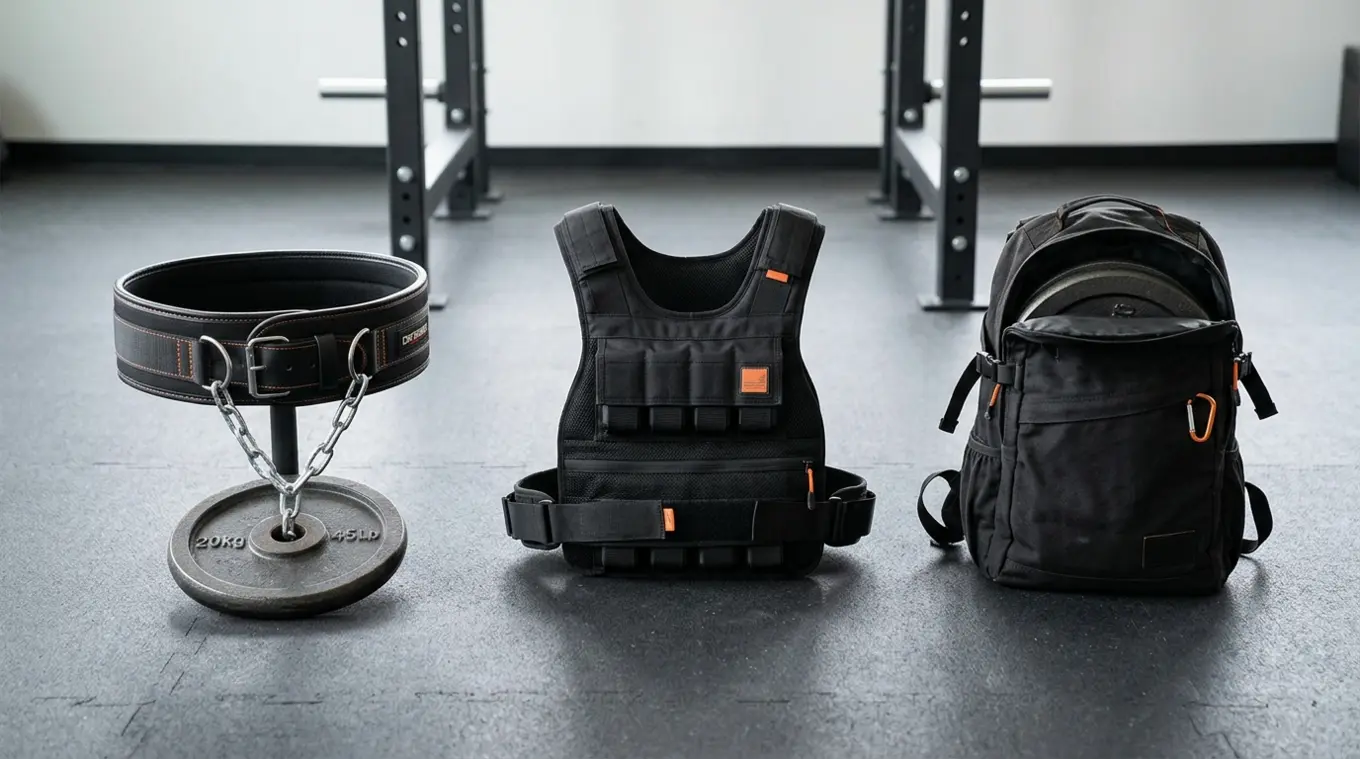
Most people only need to understand three main options at the start. These are the tools that cover the majority of weighted calisthenics gear for home, gym, and outdoor training.
Weight Vests: Versatile Load for Full-Body Movements
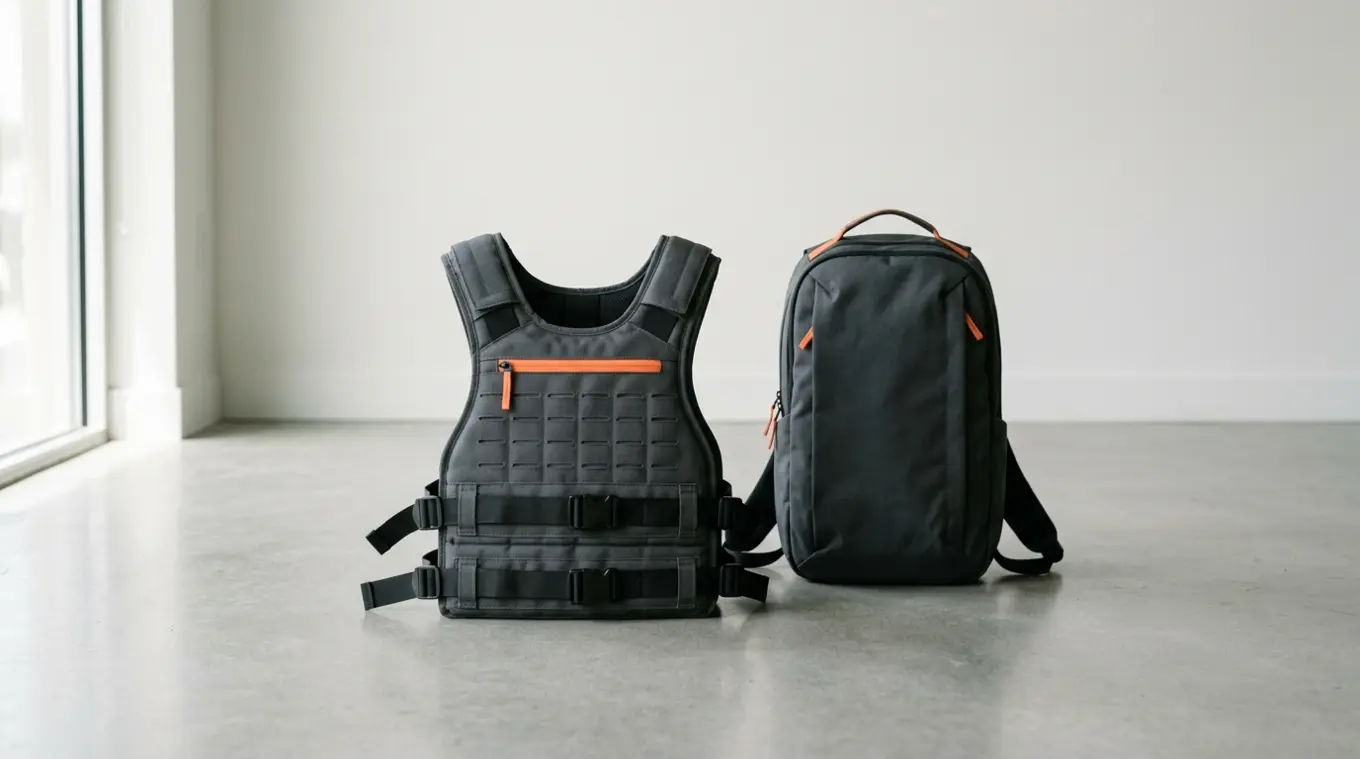
A weight vest is the easiest option to use for a wide range of exercises. You put it on and start training. That simplicity is the biggest reason many people begin here. A weighted vest for calisthenics works especially well for push ups, squats, lunges, step ups, walks, and even some pull up sessions if the vest does not restrict your movement.
The biggest advantage is comfort and balance. A comfortable weight vest keeps the load close to your torso, which makes the movement feel natural. An adjustable weight vest is even better because you can increase load gradually instead of jumping too fast. For beginners to weighted training, that matters a lot.
If you want a premium option, Gornation weight vests are worth a look because they are made specifically for bodyweight training and tend to fit more securely than generic fitness vests. That close fit is helpful when you want the load to stay stable during push ups, air squats, or conditioning circuits.
The downside is total loading potential. Once your weighted pull ups or weighted dips get heavy, a vest becomes less practical than a belt. It can also feel bulky on some bar movements.
Dip Belts: The Go-To for Pull Ups and Dips
If your main focus is strength on vertical pulling and pushing, a dip belt is usually the better long term choice. This is the classic answer for anyone searching for the best equipment for weighted pull ups or the best equipment for weighted dips. You attach plates, kettlebells, or dumbbells and let the weight hang below you.
The reason this works so well is simple. The load stays out of the way of your upper body. Your shoulders and chest can move more freely than with a vest, especially once the weight gets heavy. For pull ups and dips, that usually means better range of motion and less restriction.
I generally recommend a solid dip belt before anything else if your goal is maximum strength. A well built option like the Gornation Premium Dip Belt makes sense if you train seriously and want something stable, durable, and comfortable around the hips. If you are deciding between rope and chain setups, this guide can help: rope or chain for dip belt.
The tradeoff is convenience. You need plates or another load source, and that is not always ideal at home or outdoors. Still, for heavy strength work, dip belt vs backpack is not much of a debate. The belt wins almost every time.
What to Load on a Dip Belt
A common follow-up question after choosing a dip belt is what to actually attach to it. The belt is the connection point, but your load source matters too. Weight plates are the most popular choice. Standard plates with a 25 mm hole work with most rope or chain setups. If you only have Olympic plates with a 50 mm hole, check whether your belt’s chain or rope threads through comfortably before you buy.
Kettlebells are a flexible alternative, especially for home or outdoor training. The chain or rope passes easily through the handle, and a single kettlebell hangs stably during reps. Dumbbells with an open handle work in a similar way. If you train outdoors without access to iron plates, a compact sandbag attached via a carabiner can also work for park sessions.
The main practical rule is that your load source should be fast and simple to attach between sets. If setup takes too long, you will skip it. For most people, a couple of standard weight plates cover everything from beginner loads to serious strength work.
Weighted Backpacks: A Budget-Friendly Starting Point
A weighted backpack is the practical entry point if you are on a budget and want to test loaded calisthenics without buying specialized gear right away. You can load books, sandbags, or plates, and use it for push ups, squats, step ups, or walking.
This works best as a temporary solution. The issue is that most backpacks are not designed for repetitive training stress. They shift around, dig into the shoulders, and can change your movement pattern. For pull ups and dips, they are usually awkward. For lower body and basic pushing work, they are more acceptable.
If money is tight, starting with a backpack is fine. Just do not treat it as the ideal long term answer if you plan to progress seriously.
Equipment for Specific Weighted Exercises
Weighted Pull Ups: What Works Best
For most people, a dip belt is the best equipment for weighted pull ups. It lets you load heavy without compressing your chest or limiting shoulder motion. Once your pull ups move beyond beginner weighted sets, the difference is noticeable. A vest can still work for moderate loading, especially if you train at home and want convenience, but heavier athletes usually prefer a belt.
You also want reliable support gear. Wrist wraps, chalk, and a stable bar matter more once intensity climbs. If grip becomes a weak point, liquid chalk can help you stay consistent on top sets. If you want more on that, read liquid chalk vs block chalk for calisthenics.
Weighted Dips: Belt vs. Vest
Weighted vest vs dip belt is a real decision for dips because both can work well. If you want convenience, fast transitions, and moderate loads, a vest is great. If you want to push heavier numbers and keep your torso free, the belt is usually better. In practice, I like a vest for volume sessions and a dip belt for heavier strength sets.
The good news is that weighted dips are often a little more forgiving than weighted pull ups. Many athletes enjoy both options here. If your shoulders are sensitive, test comfort carefully and make sure the load does not force you into a compromised dip path.
Weighted Push Ups and Squats: Simpler Options
For weighted push ups and bodyweight squats, simpler options often win. A weight vest is usually the cleanest solution because it keeps both hands free and does not swing around. A backpack can work too, especially as a budget setup, but it is less comfortable over time.
| Equipment | Best for | Main advantage | Main drawback |
|---|---|---|---|
| Weight vest | Push ups, squats, lunges, walks, full-body training | Comfortable, balanced, quick to use | Less practical for very heavy pull ups and dips |
| Dip belt | Weighted pull ups, weighted dips, max strength work | Handles heavier loads with less upper body restriction | Needs plates or another load source |
| Weighted backpack | Budget-friendly push ups, squats, step ups, walking | Cheap and easy starting option | Less stable, less comfortable, not ideal long term |
For newer athletes, this is often the smartest place to start. You do not need huge loads to make push ups and squats more challenging. If you need technique help before adding weight, these guides are useful: how to train push ups and how to train bodyweight squats.
How to Choose the Right Gear for Your Level
If you are a beginner, keep it simple. You do not need a full collection of weighted calisthenics gear. Ask what you actually train most. If it is push ups, squats, and conditioning, start with a weighted vest. If it is heavy pull ups and dips, start with a dip belt. If budget is the main concern, a backpack can bridge the gap until you know your training style better.
A common question is how much weight should I start with. A safe starting point for most people is around 5 to 10 percent of bodyweight for movements you already own with clean form. For example, if your dips are stable and deep, add a small load and see whether your technique still looks the same. If not, reduce it.
Another good rule is this. Progress weighted calisthenics only after you can control the bodyweight version well. Sloppy pull ups do not become better because you hang a plate from your waist. They just become heavier sloppy pull ups.
If you are intermediate or advanced, think less about basic access and more about specificity. Strong athletes often end up using both a dip belt and an adjustable weight vest because the best tool depends on the exercise.
What to Look for When Buying Weighted Calisthenics Gear
Quality matters more here than with basic accessories. Cheap weighted gear often fails where it matters most: stitching, attachment points, chain quality, fit, and comfort under load. When equipment is literally hanging weight from your body, you want confidence in it.
For a dip belt, look for durable material, secure hardware, enough length for different loads, and padding that does not cut into your hips. For a weight vest, check adjustability, plate distribution, overall fit, and whether it stays tight during dynamic movement. A loose vest gets annoying very quickly.
I also pay attention to practical details that people ignore at first. Can you put it on quickly between sets? Does it fit your frame? Can it grow with your strength? That is often the difference between gear you use every week and gear that ends up in a closet.
If you are comparing options, it can also help to explore a broader guide to must have calisthenics equipment so you build a setup that makes sense beyond just added weight.
Our Top Picks for Weighted Calisthenics Equipment
If I were recommending a simple setup to a friend, I would break it down like this. For heavy pull ups and dips, get a solid dip belt first. That gives you the most room to progress. For push ups, squats, walks, and mixed conditioning, get a comfortable weight vest second. If you want one brand that fits calisthenics well, Gornation is a strong option because their products are built around bodyweight strength rather than generic gym use.
My practical picks would be a Gornation dip belt for strength focused athletes and a Gornation weight vest for people who want versatile loading across multiple movements. If your budget is tight, start with a sturdy backpack for push ups and squats, then upgrade once you know you will stick with weighted work.
I would also consider small accessories that support heavy sessions. Wrist wraps can improve comfort on dips and handstand work, elbow sleeves can help some athletes feel more supported on heavy sets, and chalk helps on pulling movements. Those are not the first purchase, but they become useful as intensity rises.
Most important, do not confuse owning more gear with better training. The best setup is the one you actually use consistently and can progress safely. For most people, one good belt or one good vest will do far more than a pile of cheap equipment.
Frequently Asked Questions
What is the best equipment for weighted pull ups?
A dip belt is usually the best equipment for weighted pull ups because it allows heavy loading without restricting your chest or shoulder movement. It also keeps the weight centered below your body, which feels more natural than a backpack or bulky vest once the load gets challenging.
Is a weight vest or dip belt better for dips?
Both can work well for weighted dips. A weight vest is more convenient and great for moderate loads or fast workouts. A dip belt is usually better for heavier strength training because it gives you more freedom at the shoulders and can handle more weight over time.
Do I need both a weight vest and a dip belt?
No, not at first. If your priority is heavy pull ups and dips, start with a dip belt. If your priority is general weighted calisthenics, circuits, push ups, and squats, start with a weight vest. Many advanced athletes eventually use both because each tool solves a different problem.
How much weight should I start with in weighted calisthenics?
Start light, usually around 5 to 10 percent of your bodyweight, and only on exercises you can already do with strong form. The goal is to make the movement harder without changing technique. If your reps get shaky right away, the load is probably too high.
Can I use a backpack for weighted calisthenics?
Yes, a backpack can work as a beginner option for exercises like push ups, squats, lunges, and step ups. It is affordable and easy to set up. Still, it is less stable and less comfortable than purpose built weighted calisthenics gear, so it is best seen as a starting point rather than a long term solution.
How do I progress weighted calisthenics safely?
Use small increases in load, keep your reps controlled, and avoid adding weight before you own the bodyweight version of the exercise. Most people progress best by adding a little weight or an extra rep over time. Steady progress is usually safer and more effective than big jumps.
Conclusion
If you are wondering what weighted calisthenics equipment to use, the short answer is this: choose the tool that matches your main exercises and current level. A dip belt is usually best for heavy pull ups and dips. A weight vest is better for versatile full body training. A backpack can work if you need a low cost place to start. From my own training, the best results always came from keeping the setup simple, using quality gear, and progressing slowly enough that form stayed solid. If you do that, weighted calisthenics becomes one of the most effective ways to keep building strength without overcomplicating your training.