If you are just getting into calisthenics, the first question is usually pretty simple: what do I actually need to buy? A lot of beginners in the U.S. want to train at home, save money, and avoid filling a room with gear they will barely use. I get that. When I first helped friends build a home setup, the biggest mistake was always buying too much too soon. In this guide, I will walk you through the best calisthenics equipment for beginners, explain what is truly essential, and show you how to build a practical setup that fits your budget, your space, and your current level.
Do You Even Need Equipment to Start Calisthenics?
Technically, no. You can start calisthenics with bodyweight basics like squats, push-ups, lunges, planks, and hollow body holds. That is one reason the method is so popular. It is simple, accessible, and easy to begin almost anywhere.
That said, if your goal is to make steady progress, equipment helps sooner than most beginners expect. A good setup gives you access to vertical pulling, horizontal pulling, support work, and better progression options. Without that, training can become push-heavy and limited. I see this a lot with beginners who only do floor exercises for months and then wonder why their back strength, grip, and pull-up progress are stuck.
So if you are wondering does calisthenics need equipment, the honest answer is this: you do not need equipment to begin moving, but you do need some equipment if you want a balanced and efficient beginner program. Even a minimal setup can make a huge difference.
For most people, the goal should not be a full home gym right away. The smarter move is learning how to start calisthenics with minimal equipment and choosing pieces that unlock the most exercises for the money.
The Essential Calisthenics Equipment List for Beginners
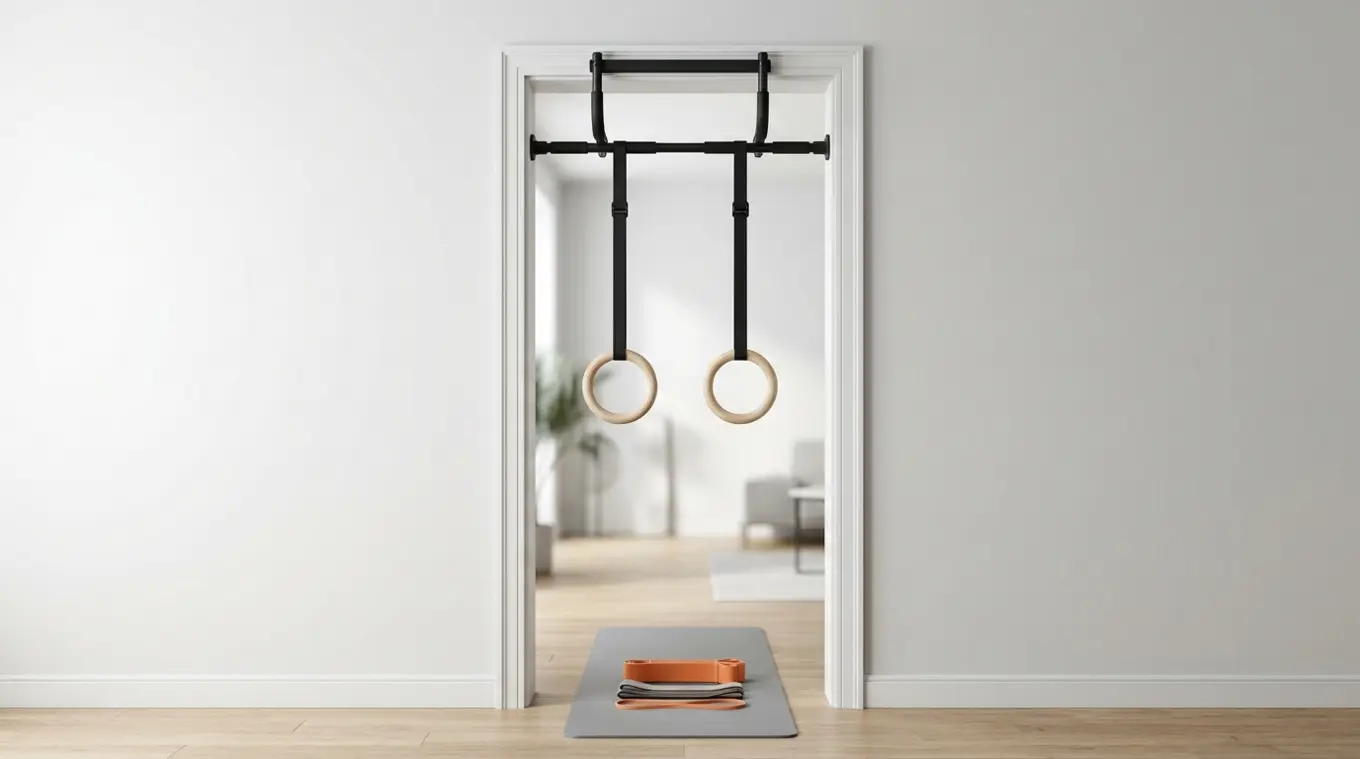
If I had to create an essential calisthenics equipment list for a true beginner, I would keep it focused on three pieces: a pull-up bar, gymnastic rings, and resistance bands. These cover the biggest gaps in beginner training and offer the best value long term.
Pull-Up Bar: The Single Most Important Piece
If you buy only one thing, make it a pull-up bar. A beginner can do dead hangs, scapular pulls, assisted pull-ups, negatives, knee raises, and eventually full pull-ups and chin-ups. That makes it the foundation of any serious home calisthenics setup for beginners.
For many people in apartments or rental homes, a doorway pull-up bar for beginners is the most practical choice. It is affordable, easy to install, and does not require a dedicated gym room. If you want more detail on the options, this comparison on the best doorway pull up bar for calisthenics is worth checking out.
The best pull-up bar for calisthenics beginners depends on your space. Doorway bars are great for convenience. Wall-mounted bars feel sturdier and allow more freedom for movement, but they are less renter-friendly. In my experience, a solid doorway model is enough for most beginners in the first year as long as it fits your frame properly and has a trustworthy weight rating.
If you want a product recommendation, GORNATION doorway pull-up bars are a strong option for beginners who want something purpose built for calisthenics rather than generic fitness gear. They are especially worth considering if you care about grip, stability, and compact home use.
Gymnastic Rings: Versatile and Worth It Early On
Some people think rings are too advanced for day one, but I actually like them early on if you can hang them safely. Rings give you rows, support holds, ring push-ups, assisted dips, and shoulder-friendly pulling variations. They also grow with you, which matters because beginner gear should still be useful six months from now.
One thing I have noticed coaching beginners is that rings often teach better control than fixed bars. Because they move freely, they expose weakness fast, but in a good way. You learn tension, coordination, and shoulder positioning early instead of just forcing reps.
Wooden rings usually feel better in the hands than plastic. GORNATION Workout Rings are a solid pick here if you want a reliable set that works indoors or outdoors. They are portable, compact, and one of the best choices for anyone looking for the best calisthenics equipment for apartment living.
If rings are new to you, they are not mandatory before a pull-up bar, but they are one of the best upgrades once you have somewhere to hang them.
Resistance Bands: Your Best Friend When Starting Out
The best resistance bands for calisthenics beginners are the ones that actually help you train movements you cannot yet do on your own. That means assisted pull-up bands for beginners, band-assisted dips, warm-up work, shoulder prep, and even adding resistance to squats or push-ups when bodyweight starts feeling easy.
Bands are one of the cheapest tools with the highest payoff. They are also beginner-friendly in a very practical way. If you cannot do a clean pull-up yet, a band keeps you training the full pattern instead of avoiding the movement. That matters because skill and strength improve faster when you can practice the real exercise with manageable assistance.
If you are comparing options, GORNATION resistance bands are worth considering because they are made with calisthenics progressions in mind. For more detailed guidance, this page on the best resistance bands for calisthenics can help narrow it down.
Nice to Have Additions Once You Have the Basics
After the basics, there are a few pieces that make training more enjoyable and more complete. These are not essential on day one, but they are useful once you know you will stick with training.
Parallettes for Push-Up and Handstand Work
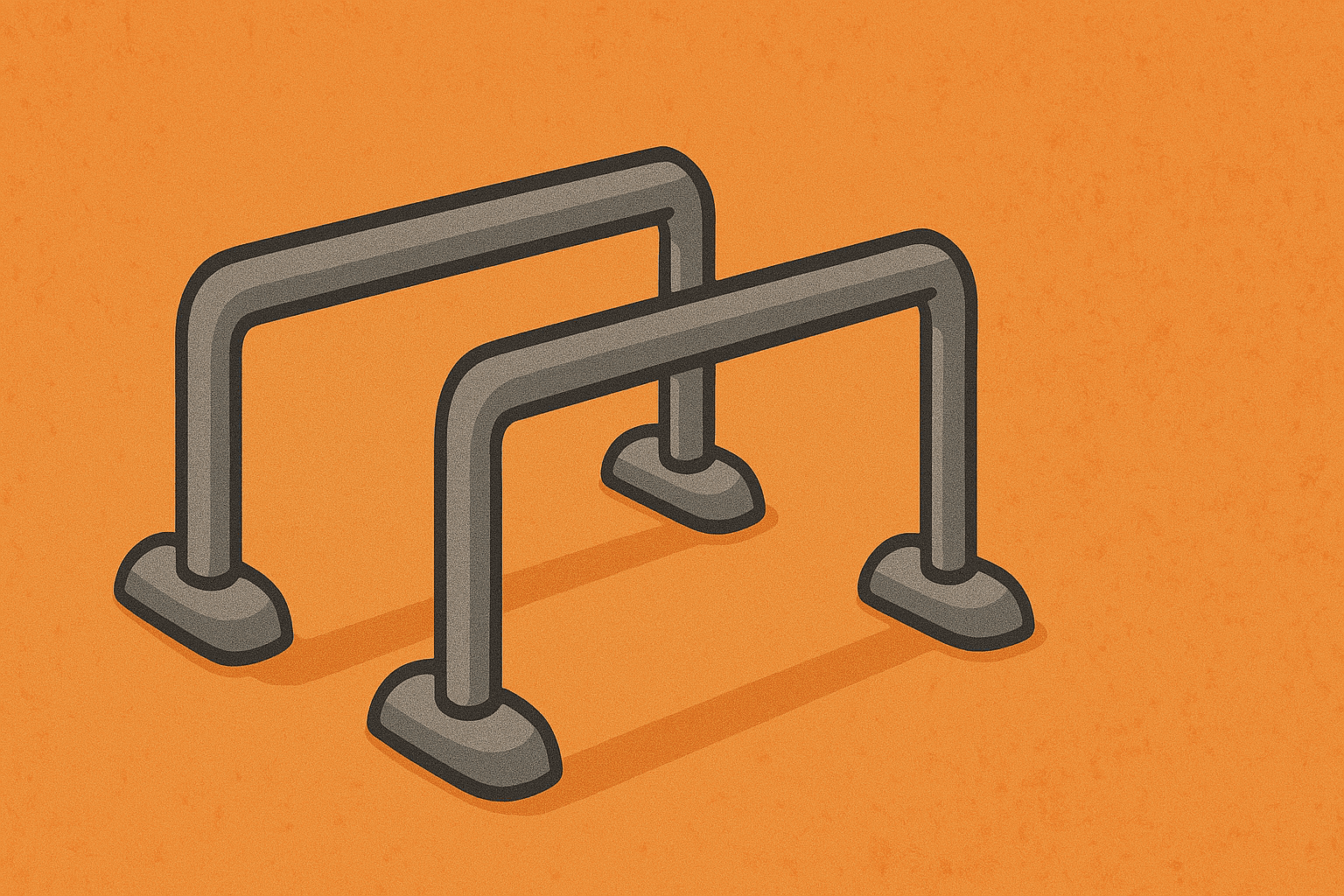
Parallettes are one of my favorite tools for beginners who enjoy skill work. They reduce wrist strain, improve push-up depth, and open the door to L-sits, tuck holds, and handstand practice. If floor push-ups bother your wrists, this upgrade can make a huge difference immediately.
Low parallettes are usually best for home use because they are compact and beginner-friendly. Wooden models often feel more comfortable for grip. GORNATION parallettes stand out here because their wooden options are well designed for bodyweight training and usually feel more secure than cheaper no-name versions.
If your goal includes handstands or core strength, parallettes become even more useful. This guide on how to train the L sit is a good next read if that is your focus.
Dip Bars for Beginners Training at Home
Dip bars are a smart choice for people who want more than just dips. Yes, they are useful for learning the bodyweight dip, but for beginners they are also excellent for bodyweight rows, knee raises, support holds, and incline-style progressions. That is why the best dip bars for beginners can be more valuable than people assume.
If you train in a small room, portable dip bars for home are often the best format. You can move them around, store them more easily, and use them for both pushing and pulling variations. They also work well in a beginner calisthenics routine with a pull-up bar and dip bars because that combination covers most basic movement patterns without needing much floor space.
| Equipment | Best for | Priority for beginners | Main benefit |
|---|---|---|---|
| Pull-up bar | Pulling strength and hanging work | Essential | Foundation for pull-up progressions, hangs, and core work |
| Resistance bands | Assistance, warm-ups, and progression | Essential | Makes hard movements accessible and adds versatility cheaply |
| Gymnastic rings | Rows, push-ups, support holds | Best early upgrade | Highly versatile and useful long term |
| Dip bars | Dips, rows, support work | Optional upgrade | Stable and beginner-friendly for home training |
| Parallettes | Push work, L-sits, handstands | Nice to have | Reduces wrist strain and supports skill training |
GORNATION Premium Dip Bars are a strong recommendation if you want something stable, cleanly built, and suitable for long-term use. For many beginners, this is the first major upgrade after a pull-up bar and bands.
How to Build a Minimal Home Calisthenics Setup on a Budget
If your budget is tight, keep it simple. The best low-cost setup is usually a doorway pull-up bar plus a couple of resistance bands. That gives you assisted pull-ups, negatives, hanging work, rows with creative setups, and banded accessory exercises. It is enough to start seeing real progress.
If you can spend a little more, add either rings or dip bars. Rings are more portable and versatile if you have a place to hang them. Dip bars are easier to use right away for rows and support exercises. I often suggest dip bars first for total beginners who want a clear and approachable home calisthenics setup, especially if pull-ups still feel far away.
A basic budget path looks like this: start with a pull-up bar and bands, train consistently for two or three months, then add rings or dip bars based on the movements you enjoy most. That approach keeps spending under control and helps you avoid collecting equipment you do not use.
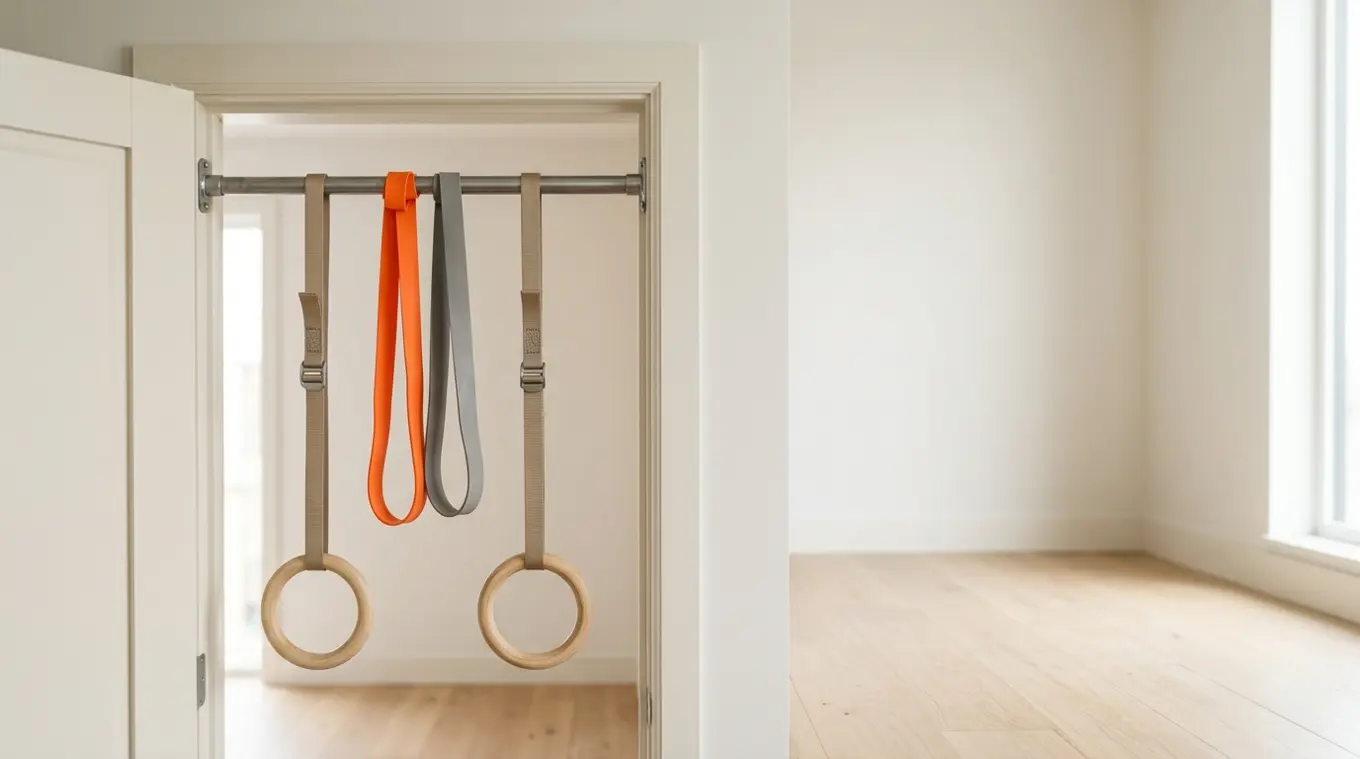
It is also one of the smartest answers to the question of how to start calisthenics with minimal equipment. You do not need a fancy setup. You need a setup you will actually use three to four times per week.
What to Look for When Buying Beginner Calisthenics Gear
Stability and Build Quality
Beginner gear should feel safe. That sounds obvious, but it is where many cheap products fail. A shaky dip bar or poorly fitted doorway bar changes how you move and makes beginners nervous. When people do not trust the equipment, they hold back. That slows progress and increases the risk of sloppy reps.
Look for realistic weight ratings, solid welds or hardware, good grip surfaces, and reviews that mention long-term durability. In calisthenics, build quality matters because your full bodyweight is often suspended or supported by one piece of gear.
This is one reason I often point people toward specialized brands instead of random marketplace listings. GORNATION has a good reputation in this space because their products are made for calisthenics use, not just general fitness marketing.
Size, Space, and Storage
The best calisthenics equipment for apartment living is not always the biggest or most advanced option. It is the gear that fits your space and can stay accessible. If setting up takes ten minutes every session, you are less likely to train consistently.
Think about doorway width, ceiling height, wall material, storage space, and whether you need renter-friendly gear. Doorway bars, rings, bands, and low parallettes usually win here because they store easily and work well in small homes.
If you are torn between options, compact gear is usually the better beginner choice. You can always expand later once your training becomes more specific.
Our Top Picks: Best Calisthenics Equipment for Beginners
If I had to give a straightforward recommendation list for the best calisthenics equipment for beginners, this would be it.
-
Best first purchase: a sturdy pull-up bar, ideally a doorway model if you rent or have limited space.
-
Best support tool: resistance bands for assisted pull-ups, warm-ups, and progression work.
-
Best all-around upgrade: gymnastic rings for rows, push-ups, support holds, and long-term versatility.
-
Best push-focused addition: dip bars for rows, dips, support holds, and compact home training.
-
Best skill tool: parallettes for wrist-friendly push work, L-sits, and handstand progressions.
If you want brand-specific suggestions, GORNATION is one of the few companies I would comfortably recommend across multiple categories because their lineup makes sense for actual calisthenics training. Their doorway pull-up bars, workout rings, resistance bands, dip bars, and parallettes are all relevant for beginners without feeling like overkill.
The main thing is not buying everything at once. Start with the essentials, train consistently, then add pieces based on your next bottleneck.
How to Put Your Setup to Work: A Simple Beginner Training Week
Knowing what to buy is one thing. Knowing how to use it is another. Once you have a pull-up bar, bands, and one extra piece, the most practical next step is building a simple weekly structure around them. Three sessions per week covering the core movement patterns is enough to make consistent progress as a beginner.
A straightforward starting template looks like this:
- Pulling: dead hangs, scapular pulls, band-assisted pull-ups, or ring rows
- Pushing: push-ups (floor, incline, or on rings), dip bar support holds, or beginner dip progressions
- Core: hollow body holds, knee raises on the pull-up bar, plank variations
Rest one to two days between sessions and prioritize clean form over high reps. As movements get easier, reduce band assistance, add reps, or move to a harder variation. That cycle of gradual progression is what makes even a minimal setup go a long way.
Final Thoughts
Beginners usually overthink equipment and underestimate consistency. If you train the basics well, even a small setup can carry you very far. In most cases, a pull-up bar, bands, and one versatile extra piece are more than enough to build strength, improve body control, and create a solid base for future skills.
If you want the shortest version of my advice, it is this: buy less, choose better, and make sure every piece earns its place. That is the real secret behind the best calisthenics equipment for beginners.
The best calisthenics equipment for beginners is not the biggest list. It is the smallest setup that lets you train consistently and cover the basics well. For most people, that means starting with a pull-up bar, resistance bands, and then adding rings or dip bars when you are ready. If you want dependable gear that is built for real calisthenics training, GORNATION is a brand worth considering. Keep your setup simple, focus on quality, and build from there. You will make better progress with a few smart purchases than with a room full of equipment you barely touch.
Frequently Asked Questions
What equipment do I really need to start calisthenics at home?
You can start with no equipment at all, but a pull-up bar and resistance bands make a huge difference. They let you train pulling strength, which is hard to develop with floor exercises alone. If your budget allows, dip bars or rings are the next best addition for a balanced home routine.
Is a doorway pull-up bar good enough for beginners?
Yes, for many beginners a doorway pull-up bar is the most practical option. It is affordable, compact, and works well for pull-up progressions, dead hangs, and knee raises. Just make sure it fits your door frame correctly and has a safe weight rating before you start using it regularly.
Are dip bars better than rings for beginners?
It depends on your space and your confidence level. Dip bars are easier to use right away for rows, support holds, and beginner dips. Rings are more versatile and portable, but they feel less stable at first. If you want the easiest learning curve, dip bars usually win. If you want long-term variety, rings are excellent.
What is the best calisthenics equipment for an apartment?
The best calisthenics equipment for apartment use is usually compact and easy to store. A doorway pull-up bar, resistance bands, rings, and low parallettes are ideal because they do not take much room and still allow a full-body workout. Portable dip bars can also work well if you have enough floor space.
Can I build muscle with minimal calisthenics equipment?
Yes, absolutely. You do not need a large home gym to build muscle as a beginner. A pull-up bar, bands, and one extra tool like dip bars or rings can give you enough exercise variety and progression to gain strength and size, especially if you train consistently and improve your reps, control, and form over time.