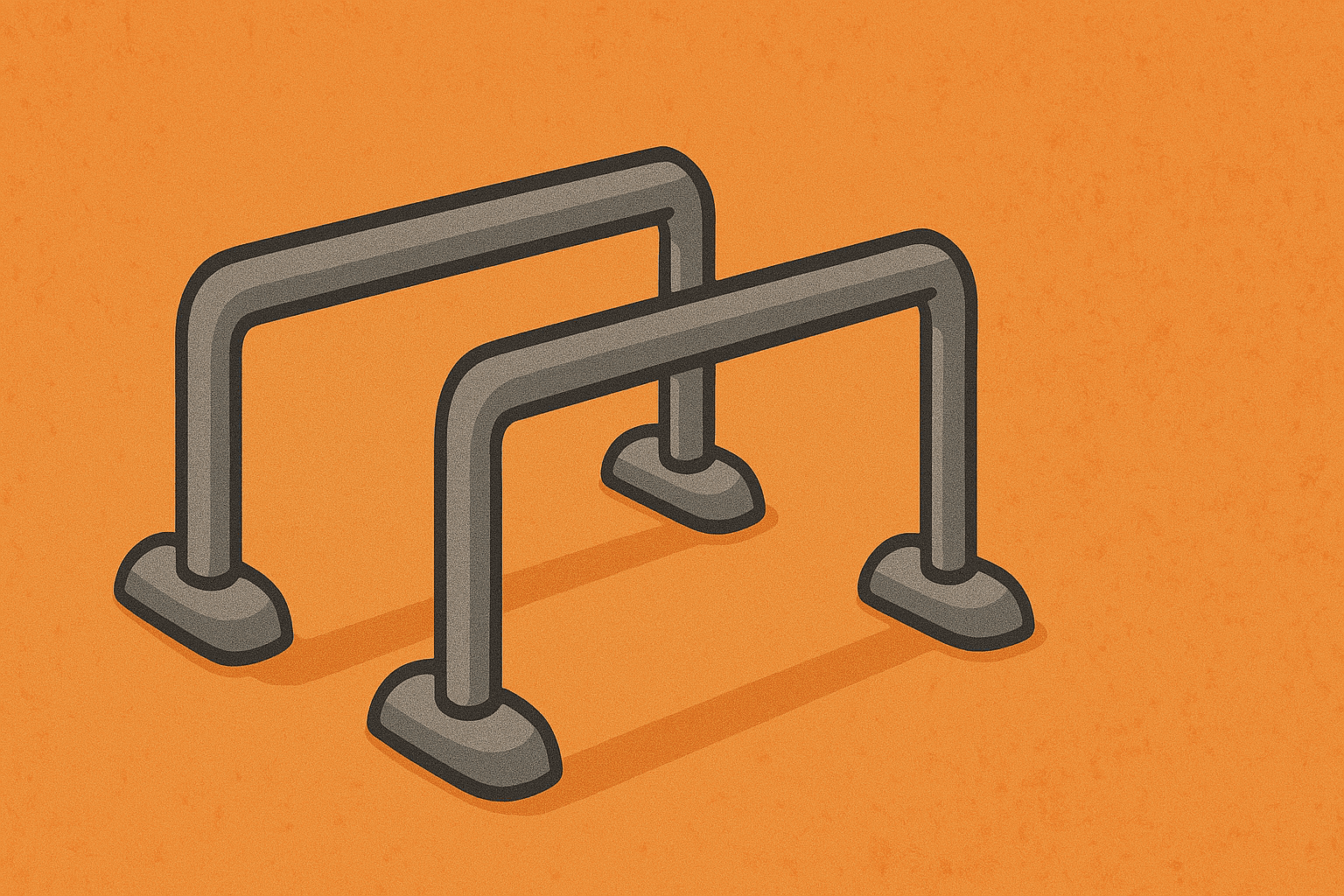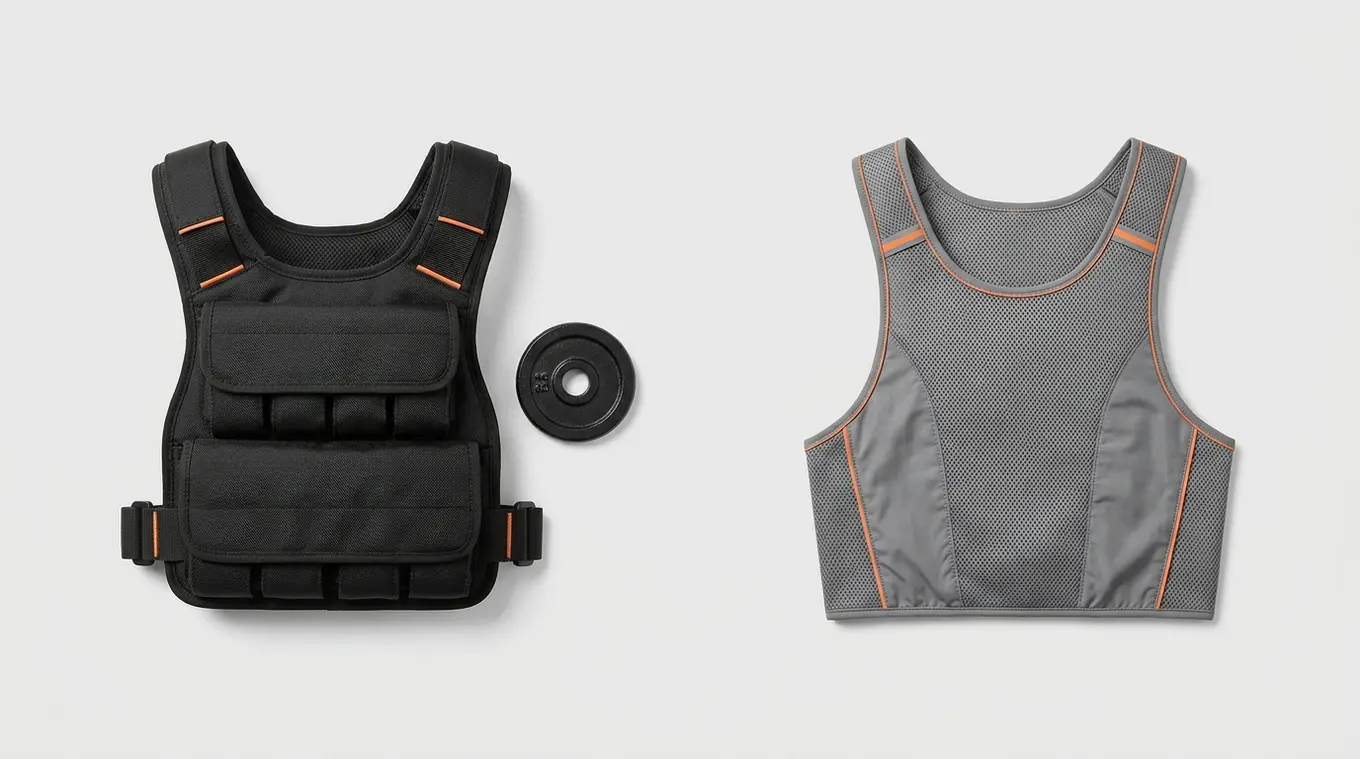
You start looking for a weighted vest, and within ten minutes everything seems the same until you notice the big differences in fit, weight range, comfort, and price. Then the real question hits: how do you actually choose the right one without wasting money? I have used weighted vests for pull ups, dips, walks, and conditioning sessions, and the wrong vest always shows itself fast through bouncing, rubbing, or awkward movement. In this guide, I will walk you through what a weighted vest is, how a weighted vest works, how heavy it should be, what fit matters most, and which type makes sense for your training style.
What Is a Weight Vest and How Does It Work?
If you are new to this category, the simplest answer to what is a weighted vest is this: it is wearable resistance that spreads extra load around your torso so bodyweight movements, walking, and conditioning become more demanding without needing dumbbells in your hands.
How a weight vest adds resistance to your training
A weight vest works by increasing the total load your body has to move. That affects almost everything: your legs work harder when you walk upstairs, your upper body works harder during push ups and pull ups, and your heart rate usually climbs faster during circuits. In calisthenics, this is especially useful because you can keep the movement pattern the same while making the exercise harder.
For example, a strict push up with a well fitted vest still feels like a push up, just heavier. That is very different from improvising with a backpack, where the load often shifts and changes how you move. In practice, that matters more than most beginners expect.
I usually tell people to think of a weighted vest as a clean way to progress bodyweight training. If regular squats, lunges, step ups, push ups, or short walks feel too easy, a vest can raise the challenge without making the session complicated.
Weight vest vs. backpack vs. ankle weights: what’s the difference?
A backpack can work for some walking and hiking sessions, but it is not the same as a vest. Most backpacks place the load mostly behind you, which can change posture and create more sway. That can be useful for rucking, but not ideal for general calisthenics.
Ankle weights are even more specific. They load the limbs rather than the torso, which changes movement mechanics more directly. For walking or running, that is often less natural than torso loading. If your goal is better push ups, pull ups, dips, or bodyweight squats, a vest is usually the better tool.
A proper vest keeps the load closer to your center of mass, which usually means better balance, less flopping, and fewer strange compensations. If you want a deeper comparison between weighted gear for bodyweight training, it also helps to read what weighted calisthenics equipment to use.
Benefits of Training With a Weight Vest
A lot of people buy a vest for one reason, then keep using it for three or four others. That is part of the appeal. It can support strength work, conditioning, and everyday fitness in one piece of equipment.
Strength and muscle gains
For strength and muscle building, a vest makes lighter bodyweight movements challenging again. If you can already do high rep push ups or bodyweight squats, adding load can move you back into a more productive rep range. The same goes for pull ups, dips, split squats, calf raises, and even some core work.
In calisthenics, that matters because progression often stalls when bodyweight alone is no longer enough. A vest gives you a simple way to keep progressing before you jump to more specialized gear. That said, once you get very strong on pull ups and dips, a dip belt often becomes a better tool for heavy loading. We cover that in more detail in dip belt vs weight vest.
Cardio and endurance benefits
For walking, circuits, and conditioning, the vest increases energy demand without forcing you to move faster. That is why many people look for a weighted vest for weight loss. The vest itself does not burn fat magically, but it can make walks and bodyweight sessions more demanding, which may help you burn more calories if you recover well and stay consistent.
There is a practical side to this. A vest lets you make a 20-minute walk or a simple home circuit more effective when time is limited. I have found this especially useful during busy weeks when a full gym session is not realistic.
Why weighted vests work especially well for calisthenics
Weighted vests fit calisthenics well because they preserve freedom of movement. Your hands stay free, your setup stays simple, and you can switch from pull ups to squats to push ups without moving plates around.
That is also why many athletes who train at home or outdoors like them. If you use a doorway bar, dip station, rings, or parallettes, a vest is often the easiest first step into weighted calisthenics. Brands like Gornation are relevant here because their equipment is built around bodyweight training, and a solid vest pairs naturally with rings, dip bars, and pull up setups rather than replacing them.
Potential Downsides You Should Know About
Weighted vests are useful, but they are not automatically a smart choice for every person or every session.
When a weight vest can work against you
If the load is too heavy, the fit is poor, or your movement quality is not solid yet, the vest can make training worse instead of better. This is one reason people ask, is a weighted vest bad for your back? The honest answer is not by default. A good vest with a sensible load and good posture is usually fine for healthy people. But a bad fit, a load that is too aggressive, or weak movement control can create back, neck, shoulder, or hip discomfort.
Running is the clearest example. A vest that bounces or pulls you forward can quickly turn a decent run into a choppy, stressful session. The same is true for pull ups if the vest hangs too low and swings under the ribs.
Common mistakes beginners make
The biggest mistake is choosing too much weight too soon. The second biggest is buying the wrong vest type for the main activity. I have seen people buy bulky fixed weight models for pull ups, then hate them because they hit the torso awkwardly. I have also seen people buy very sleek running vests, then realize the max load is too low for serious strength progression.
Another common mistake is ignoring fit. Many people focus on pounds first and everything else second, when in reality how should a weighted vest fit is one of the most important buying questions. A lighter vest that stays snug is usually much better than a heavier one that shifts around.
The 6 Key Factors to Consider When Choosing a Weight Vest
If you want the short version of this whole article, choose your vest based on six things: weight range, fit, vest type, movement freedom, build quality, and your main training style.
Weight capacity and adjustability
Start with the load range. Ask yourself two questions: what weight do I need now, and what weight might I need in six to twelve months? This is where the choice between a fixed weight vs adjustable weighted vest becomes important.
Fixed weight vests are simple. You buy a 10 pound, 20 pound, or 30 pound model and use it as is. That can be fine if you mainly walk, do light circuits, or already know the exact load you want. Adjustable vests are more versatile because you can start lighter and progress over time.
For most beginners, adjustable is the safer buy. It gives you room to learn what feels right without committing to one load forever.
Fit, comfort and stability
This is where good vests separate themselves from bad ones. The best vest feels secure and close to the torso, without pinching your ribs or blocking your breathing. It should not rise into your chin during jumps or slam into your stomach during pull ups.
Look for shoulder adjustment, side adjustment, and a shape that suits your torso length. A lot of comfort issues come from poor proportions rather than weight alone. Shorter athletes often do better with more compact vests. Taller athletes may prefer a little more torso coverage, but not so much that it interferes with hip flexion in squats or knee raises.
Vest type: plate-loaded vs. sand-filled vs. fixed weight
There are three broad categories. Plate loaded models use front and back plates. These often feel compact and stable, and they are common in CrossFit and advanced calisthenics. If you have heard the phrase plate carrier weighted vest, this is what it means. They are usually durable and secure, but not always the most breathable.
Sand filled or iron sand vests often distribute small packets or stitched weight around the vest. These are common in beginner and walking focused models. They can be comfortable, but quality varies a lot.
Fixed weight micro load or compression style vests sit very close to the body and feel great for running or fast circuits, but they often top out at lower weights. For bodyweight athletes who want heavy pull ups and dips, that can become limiting fast.
Range of motion and exercise compatibility
Some vests are fine for walking but annoying for floor work. Others feel great for push ups but ride up during burpees. Before buying, think about your main movements. For calisthenics, you want full shoulder motion, minimal torso swing, and enough clearance around the hips and ribs.
If your training includes handstands, L sits, or lots of pike work, vest length matters more than people think. A vest that hangs low can block compression and make skill work clumsy.
Breathability and heat management
In the U.S. market especially, climate matters. Training in Texas in summer is different from training in a garage gym in Minnesota. Cordura and heavy nylon are durable, but they can run warm. Open side panels, mesh lining, and a lower profile help a lot if you sweat heavily or plan to walk outdoors often.
Ease of loading and daily use
A vest can be technically great and still annoy you if changing the load takes too long. If you know you will swap between different weights often, choose a model with a simple loading system. If you will mostly use one or two loads, this matters less.
How Much Weight Should Your Vest Hold?
This is one of the most searched questions for a reason. People want a clear answer. The truth is that the right load depends on your bodyweight, training level, and activity.
Starting weight recommendations by training level
For walking and general beginners, around 5 percent of body weight is a smart starting point. For someone around 150 pounds, that is roughly 7.5 pounds. For someone around 200 pounds, it is about 10 pounds. This is a good conservative starting point for people asking how heavy should a weighted vest be.
For bodyweight strength work, many beginners can also start in the 5 to 10 percent range, depending on the exercise. A vest that feels fine for squats may feel much harder for pull ups or push ups, so use exercise specific judgment.
Here is a simple weighted vest weight chart by body weight as a starting point:
100 pounds body weight: about 5 pounds to start
125 pounds body weight: about 6 to 7 pounds to start
150 pounds body weight: about 7.5 to 10 pounds to start
175 pounds body weight: about 9 to 12 pounds to start
200 pounds body weight: about 10 to 15 pounds to start
225 pounds body weight: about 11 to 17 pounds to start
For advanced calisthenics athletes, a vest with 20 to 40 pounds of capacity can make sense, especially for squats, push ups, and conditioning. For very strong pull ups and dips, though, a dip belt often becomes more practical than trying to wear a very heavy vest.
How to progress over time
The best progression rule is simple: keep movement quality first. If posture, stride, breathing, and joint comfort stay normal, you can slowly add weight. If technique changes, the load is too aggressive right now.
I usually prefer this order for most people: first increase consistency, then time, then reps or distance, and only then increase weight. That approach works especially well for walking and conditioning. For calisthenics strength work, you can also add weight in small jumps once you own the exercise with clean form.
How often should you use a weighted vest?
Frequency depends on your goal and intensity. For walking and low-intensity use, many people can use a vest daily or near-daily as long as the load stays conservative and the body recovers well. For strength training and conditioning, treat weighted vest sessions like any loaded workout and give yourself adequate recovery time between harder efforts.
Two to four vest sessions per week is a reasonable starting range for most people. More important than hitting a specific number is paying attention to how your joints, posture, and energy respond. If everything feels consistent, the frequency is likely fine. If you feel unusually sore, stiff, or run down, reduce the number of sessions before adjusting the weight.
| Body weight | Suggested starting vest weight |
|---|---|
| 100 pounds | About 5 pounds |
| 125 pounds | About 6 to 7 pounds |
| 150 pounds | About 7.5 to 10 pounds |
| 175 pounds | About 9 to 12 pounds |
| 200 pounds | About 10 to 15 pounds |
| 225 pounds | About 11 to 17 pounds |
Choosing a Weight Vest Based on Your Training Style
This is where your buying decision gets practical. The best vest for pull ups is not always the best vest for walking, and the best vest for running is often not the best vest for heavy bodyweight strength.
Weight vests for calisthenics and bodyweight training
For calisthenics, I recommend a compact, stable, adjustable vest with enough load to progress but not so much bulk that it ruins movement. It should stay close during pull ups, dips, push ups, and squats. A shorter cut is often better than a long vest because it interferes less with hip movement and core work.
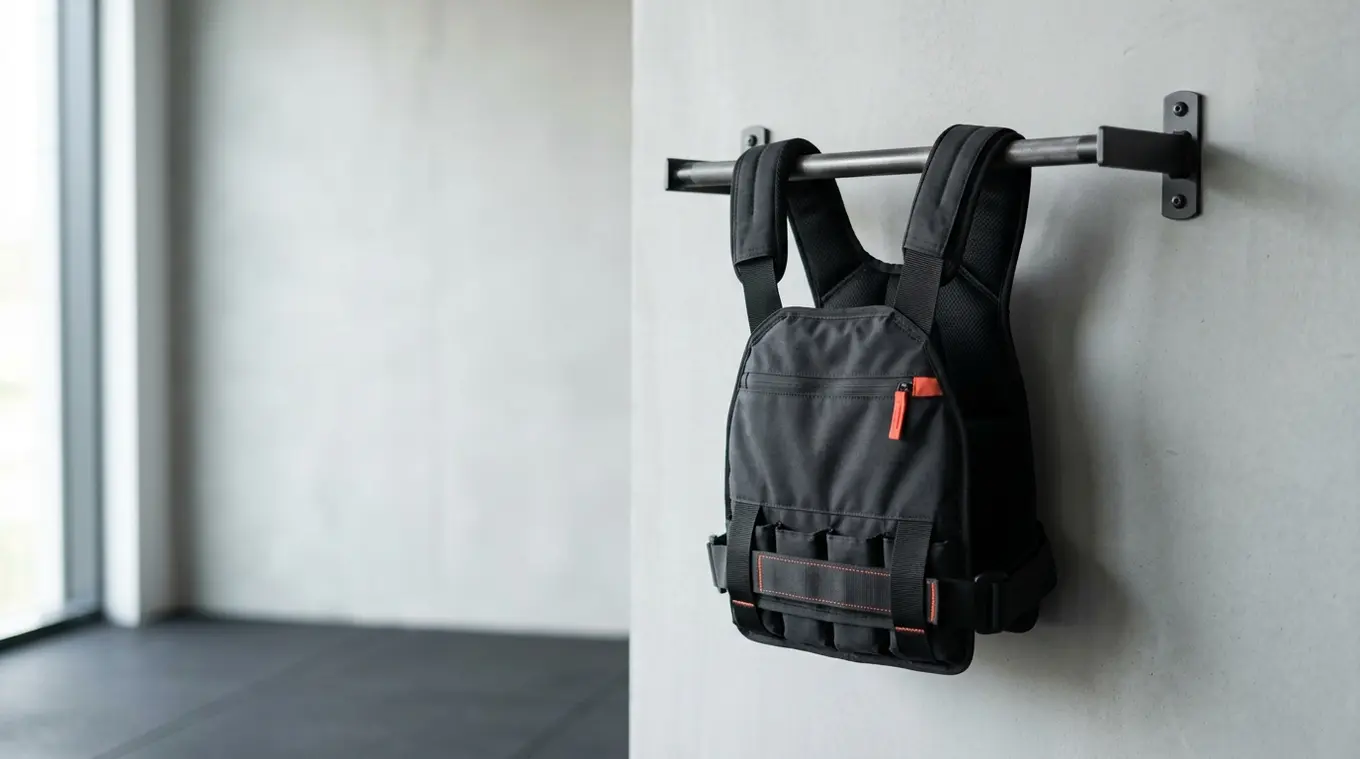
If you train mostly at home with bars, rings, or a dip station, a solid adjustable vest from a calisthenics focused brand makes the most sense. This is where Gornation stands out as a relevant recommendation. Their equipment is designed for bodyweight athletes, so if you want a vest that makes sense alongside rings, parallettes, and pull up training rather than generic cardio use, Gornation is worth checking first. If you want a direct comparison of strong options, see best weight vest for calisthenics.
Weight vests for running, walking and hiking
For walking or hiking, comfort and low bounce matter more than maximum load. You do not need a tactical looking vest just to make neighborhood walks harder. A lighter, breathable, snug model is usually the smarter choice.
For running, be even more careful. A running vest should sit close to the body, avoid bounce, and not restrict breathing or arm swing. This is where lower profile fixed or micro adjustable designs make more sense than bulky plate carriers. If a vest changes your stride, it is too heavy or just the wrong design.
People often search for a weighted vest for bone density too. There is some interest in vests as a bone loading tool, but the evidence is mixed and individual results vary. If you have osteoporosis, osteopenia, balance issues, or a fracture history, talk to a clinician before using one.
Weight vests for CrossFit and HIIT workouts
For CrossFit, Murph-style training, and HIIT, durability and security become huge. This is where plate carrier style vests are popular. They handle dynamic movement well, usually last longer, and keep the load stable during burpees, box step ups, air squats, and pull ups.
The downside is heat and stiffness. If your sessions are short and intense, that tradeoff is often acceptable. If you mostly do long outdoor cardio, it may not be.
What to Look for in Vest Construction and Quality
Specs on a product page do not always tell you whether a vest will still feel good after three months of sweat, washing, and repeated movement.
Materials, stitching and durability
Look for durable outer materials like strong nylon, Cordura, or dense polyester if you want long term durability. These fabrics tend to hold shape better and handle friction from bars, floor contact, and outdoor use. Neoprene style vests can feel softer, but they often run hotter and may not age as well under heavy use.
Stitching matters too. Cheap stitching is one of the first places lower quality vests fail, especially around load pockets and strap anchors. If the vest uses small removable weights, clean stitching around those compartments becomes even more important.
Personally, when I test gear for calisthenics use, I pay attention to whether the vest still feels solid during pull ups and dips after repeated sessions. That is usually where poor construction starts to show.
Buckles, straps and adjustment systems
Weak buckles and sloppy straps can ruin an otherwise decent vest. You want closures that stay locked when you jump, squat, or hang from a bar. Velcro can work well if it is high quality, but cheaper hook-and-loop systems often wear out faster or collect sweat and lint.
A good adjustment system should let you tighten the vest enough for security without making it hard to breathe. That balance matters a lot. If you need a weighted vest sizing guide, the safest rule is to choose enough adjustability to fine tune the fit, not just enough to technically get it on.
How to Find the Right Fit for Your Body
Fit is one of the biggest reasons people either love or hate their vest. It is also the part buyers underestimate the most.
Sizing tips for men and women
Start with chest size, then check torso length and shoulder width. Do not assume one size fits all means one size fits well. Men with a broad chest or thick upper back often need more room in the shoulders and side straps. Women often benefit from vests with better contouring and less pressure across the chest.
If the vest brand provides a real sizing chart, use it. A proper weighted vest sizing guide should include chest measurements and sometimes torso notes. If you are between sizes, think about your main use. For running, a snugger fit is better. For walking, a little extra room may be fine as long as you can still cinch it down.
For many calisthenics athletes, compact fit matters more than absolute comfort at rest. A vest can feel fine standing still but become annoying the second you start pull ups or burpees.
What happens if the vest doesn’t fit properly
If the vest is too loose, it bounces, shifts, rubs, and makes every movement feel less controlled. If it is too tight, it restricts breathing, presses into the ribs, and can limit overhead motion. Neither is good.
When people ask how should a weighted vest fit, my answer is this: snug enough that it moves with your torso, loose enough that you can breathe deeply and move freely. That sounds obvious, but it rules out a surprising number of bad designs.
A poor fit can also create the impression that weighted vests are uncomfortable by nature, when often the real problem is simply that the vest shape does not match the body shape or the training style.
Budget vs. Premium: What Does Price Actually Get You?
Price differences in weighted vests can be large, so it is fair to ask what you are actually paying for.
Entry-level vests: what to expect
Budget models usually give you basic resistance for walking, beginner circuits, and general fitness. They often use simpler materials, fixed weight designs, fewer sizing options, and less refined fit. Some are still good value, especially if you just want to make walks or air squats harder.
The downside is that budget vests are more likely to bounce, run hot, or feel awkward during advanced calisthenics. If you know you will mostly use the vest for pull ups, dips, and higher skill bodyweight training, entry level options often become limiting fast.
Mid-range and premium vests: when the upgrade is worth it
Once you move into mid range and premium models, you are usually paying for better fit, better load stability, more durable construction, and more thoughtful adjustment systems. In other words, not just more weight, but better use of that weight.
This is worth it when your training is frequent, technical, or long term. If you train calisthenics three to five times per week, I would rather buy one good vest than two cheap ones over time. If your use is occasional walking, a premium vest may be overkill.
For people who want equipment that integrates well with a serious bodyweight setup, Gornation is one of the first brands I would look at because their gear tends to make sense for real calisthenics training rather than generic fitness trends.
Our Recommendation: Which Weight Vest Should You Get?
There is no single best vest for everyone, but there is usually a best type for your goal.
Best pick for calisthenics beginners
If you are new to weighted calisthenics, get an adjustable, compact vest in a moderate range. Ideally, it should start light enough for push ups and squats but still let you progress. For most beginners, that means something in the 10 to 20 pound usable range with a snug fit. If you already train with rings, dips, and pull ups, I would strongly lean toward a Gornation option or another calisthenics focused model over a generic walking vest.
The reason is simple: you want stability and movement freedom more than gimmicks. A vest that works with your pull up bar and dip station is the smarter long term buy.
Best pick for advanced athletes and CrossFit
If you are more advanced, or you want a vest for Murph, hard circuits, and heavy bodyweight work, a plate loaded vest is usually the best choice. This type of plate carrier weighted vest gives you durability, load stability, and room to progress. Just be aware that it may feel stiffer and warmer than a lighter compression style vest.
For very heavy pull ups and dips, I still think many athletes eventually outgrow the vest and move to a dip belt. But for mixed training, a strong plate loaded vest is hard to beat.
Best pick for running and outdoor use
For running, brisk walking, and outdoor conditioning, choose a light, breathable, close fitting vest with minimal bounce. You do not need huge capacity here. You need comfort, stable movement, and safety. Reflective details are a bonus if you train early in the morning or after work.
If you are still comparing styles, ask yourself one final question: do I want maximum versatility, or do I want the best vest for one main job? That answer usually decides the purchase faster than any review list.
Weighted Vest Safety Tips Before You Buy
Good choices start with safe expectations. A few basic weighted vest safety tips can save you from buying too much vest too soon.
Start lighter than your ego wants
Use bodyweight percentage as a guide, not a challenge
Increase one variable at a time, either weight, time, pace, or volume
Stop if you feel sharp back, neck, knee, or foot pain
Choose a vest that stays close and does not change your movement pattern
If you have a history of back pain, joint issues, breathing limitations, pregnancy, or bone health concerns, get medical clearance first. Weighted vests are useful tools, but they are still external load, and that matters.
Final Buying Checklist
Before you click buy, run through this quick checklist. What is your main goal: calisthenics strength, walking, running, or CrossFit? How heavy should your weighted vest be based on body weight and current level? Do you need adjustable loading or is fixed weight enough? Does the vest shape suit your torso and movement style? Will it stay secure for pull ups, dips, and squats? Is the construction durable enough for how often you train?
If you can answer those clearly, you will probably choose well. And if your main focus is bodyweight training, I would keep the recommendation simple: choose a compact, adjustable, high quality vest that feels built for calisthenics, and give extra attention to brands like Gornation that already understand how bodyweight athletes actually train.
Conclusion
Choosing the right weighted vest comes down to matching the vest to your training, not just picking the heaviest or cheapest option. If you train calisthenics, prioritize compact fit, stability, and enough adjustability to grow with you. If you walk or run, focus more on comfort, breathability, and low bounce. In most cases, a vest that starts around 5 percent of body weight is a smart entry point, and a snug fit matters just as much as the load itself. If you want a practical all around choice for bodyweight training, I would start with a calisthenics focused option such as Gornation before looking at more generic fitness vests.
Frequently Asked Questions
How heavy should a weighted vest be for beginners?
Most beginners do well starting at around 5 percent of body weight, especially for walking or general conditioning. For strength training, some people can use slightly more, but only if form stays clean. If your posture, breathing, or joint comfort changes, the vest is too heavy for that activity right now.
Is a 20 pound weighted vest too heavy?
It depends on your body weight and training goal. For a 200 pound person, 20 pounds is about 10 percent of body weight and can be reasonable for walking or basic strength work. For a 120 pound person, it is much more aggressive and usually too much as a starting point.
How should a weighted vest fit?
A weighted vest should fit snugly against your torso without squeezing your ribs or limiting breathing. It should move with your body instead of bouncing or shifting during reps. If it rides up, swings, or changes your movement pattern, the fit or the vest type is wrong for you.
Are weighted vests bad for your back?
Not automatically. For healthy people, a well fitted vest with an appropriate load is usually fine. Problems tend to show up when the vest is too heavy, poorly fitted, or used with bad posture and poor movement control. If you already have back pain or joint issues, check with a healthcare professional first.
Should I choose a fixed weight or adjustable weighted vest?
An adjustable weighted vest is usually the better choice if you want progression and more versatility. It lets you start lighter and increase load over time. A fixed weight vest can still be a good buy for walking, simple conditioning, or people who already know exactly what load they want to use.