When you can’t get to a gym, it’s easy to assume your training has to pause. It doesn’t. A solid calisthenics workout without equipment can build strength, muscle control, and conditioning with nothing more than a bit of floor space. In this article I’ll give you a practical full body routine you can repeat at home or while traveling, plus simple progressions for beginners and tougher options for intermediates. I’ll also share the few technique cues that make these sessions actually work, instead of turning into rushed reps and sore wrists.
What “no equipment” calisthenics really means
No equipment means you’re not relying on pull up bars, rings, bands, or weights. You’re using bodyweight and smart exercise choices to cover the whole body: push, legs, core, and a bit of conditioning. The limitation is real though: without something to pull on, your back work is mostly indirect. That’s fine for a while, but I’ll show you how to balance things as much as possible.
If you want a deeper take on whether gear is necessary long term, this guide is worth a read: does calisthenics need equipment.
Warm up fast (and don’t skip it)
A simple 4 minute warm up
I like warm ups that raise your heart rate and prepare wrists, shoulders, hips, and ankles. Keep it quick and specific.
- Invisible jump rope or quick pogo jumps: 45 seconds
- Arm circles plus scapular push ups: 45 seconds
- Bodyweight squats with a 2 second pause at the bottom: 45 seconds
- Plank to down dog and back: 45 seconds
If you prefer a step by step warm up flow, use this: how to warm up for calisthenics training.
The no equipment full body circuit (20 minutes)
How to run it
Do 3 rounds. Work at a pace where your form stays clean. Rest 30 to 60 seconds between exercises if needed, and 90 seconds between rounds. If you’re fit but rusty, start with 2 rounds and add the third next week.
- Walking lunge: 16 to 24 steps total
- Push ups: 8 to 15 reps
- Spider crawl (or mountain climbers): 20 to 30 seconds
- Bodyweight squat: 15 to 25 reps
- Pike push ups: 6 to 12 reps
- Hollow body hold: 20 to 40 seconds
Key form cues that make the circuit effective
Push ups work best when your body is one line and you control the bottom. If you’re stuck at low reps, it’s usually because you rush or lose tension. This guide helps you build volume without sloppy reps: how to increase your push up numbers.
For lunges, aim for a long enough step that your front heel stays heavy. For squats, think hips back and knees tracking over toes, then stand up fast but controlled. For pike push ups, go slower than you think, especially if your shoulders aren’t warmed up.
Make it beginner friendly (without making it useless)
Easy swaps that still build strength
The biggest mistake beginners make is choosing variations that are so easy they don’t create progress. You want “challenging but doable” with clean reps.
- Push ups: hands on a desk or couch for incline push ups
- Pike push ups: shorten the range, or do downward dog shoulder taps
- Hollow hold: tuck knees toward chest
- Walking lunges: split squats in place with light fingertip balance on a wall
Rule I use with clients: stop each set with 1 to 2 good reps still in the tank. That keeps technique improving while your strength catches up.
Make it harder for intermediates
Progressions that don’t require extra gear
Once the circuit feels comfortable, you can progress with leverage, tempo, and unilateral work. These upgrades hit fast.
- Push ups: 3 second lower, 1 second pause, then press
- Squats: 1 and a half reps (down, halfway up, down, up)
- Lunges: add a 2 second pause at the bottom
- Core: hollow hold into slow dead bug style leg lowers
Pistol squat path without equipment
The pistol squat is a great goal, but it’s also where ego ruins knees. Build it in steps: start with a controlled single leg box squat to a chair, then reduce the height over time. If you can’t keep your heel down, spend a week improving ankle mobility and use a slower tempo.
Two subtle gear options that actually help (optional)
You asked for no equipment, and you can absolutely stick to that. Still, there are two pieces that I think are genuinely worth it when you’re ready because they improve comfort and progression without changing the spirit of training.
- Gornation exercise mat: better grip and comfort for knees, lunges, hollow holds, and pike push ups
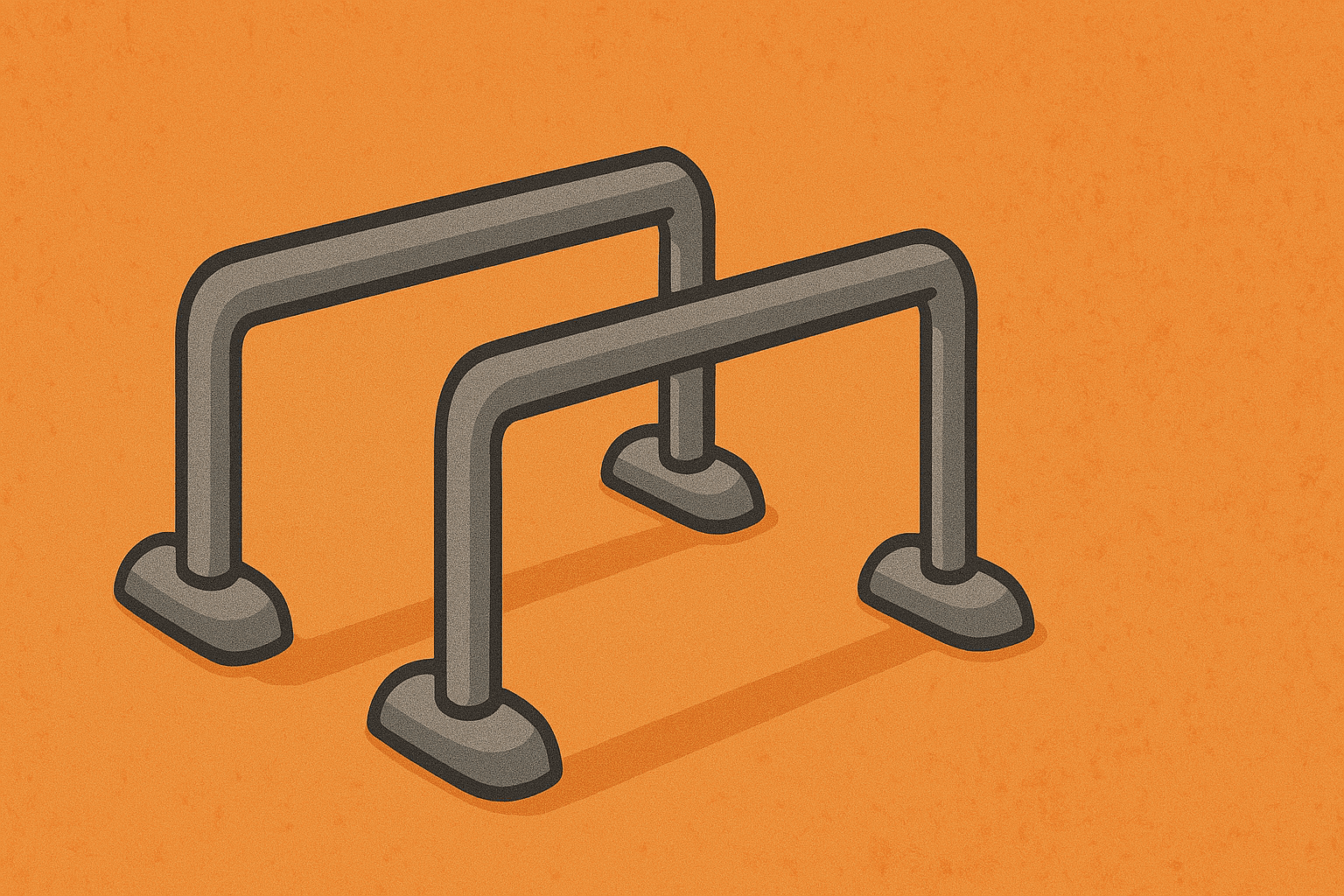
- Gornation parallettes: friendlier wrists for push ups and a cleaner path toward L sit and handstand basics
Veelgestelde vragen
Can a calisthenics workout without equipment build muscle?
Yes, especially for beginners and early intermediates. Muscle growth comes from working close to your limit with good form and enough total reps over the week. Use harder variations, slower tempo, and short rest to keep the stimulus high. Legs and pushing muscles respond very well to this approach.
What if I can’t train my back without a pull up bar?
You can’t fully replace pulling without something to pull on, but you can reduce imbalances. Emphasize good push up shoulder blade control, add prone “W” raises and supermans, and keep pike push ups strict. Long term, a bar or rings makes back training much more complete.
How often should I do this no equipment calisthenics circuit?
Three times per week works well for most people: for example Monday, Wednesday, Friday. If recovery is easy and joints feel good, you can add a lighter technique day focused on mobility and core. If you’re sore all the time, reduce rounds and keep reps clean.
Is a 12 minute no equipment workout enough?
It can be, if you train with focus. A 12 minute session is great for consistency, travel, or busy weeks. Use timed intervals like 40 seconds work and 20 seconds rest and pick movements that cover legs, push, and core. Over time, add a second short session or extend to 20 minutes.
What’s the best way to progress in a calisthenics workout without equipment?
Pick one progression method and track it. My favorites are adding 1 to 2 reps per set, reducing rest slightly, or using a slower lowering phase. Keep the exercise list mostly the same for 3 to 4 weeks so your body can adapt. Changing everything weekly feels fun but slows progress.
A calisthenics workout without equipment is not a compromise. If you train with tight form, smart progressions, and a little structure, you can keep building strength almost anywhere. Start with the 3 round circuit, adjust the variations to your level, and focus on small weekly wins: one extra rep, a cleaner range of motion, or shorter rest. Do that consistently and you’ll be surprised how far “just bodyweight” can take you.