If you want a strong chest, shoulders, and triceps but don’t want to rely on a gym, a calisthenics home push workout is one of the simplest ways to stay consistent. In this guide I’ll give you a practical routine you can run in a small space, plus the exact exercise cues that keep it safe and effective. You’ll also see easy regressions if you’re still building your first clean push ups and dips, and clear progressions if you’re ready to make it harder. No fluff, just a plan you can repeat week after week.
What a home push workout should train
A solid push session mostly targets your chest, front shoulders, and triceps. The core is always working too, because every good push up is basically a moving plank.
In my experience, home workouts fail for one reason: people only do one angle. They spam the same push up variation, get strong in that groove, then stall or start feeling cranky shoulders. A better plan covers three needs: a chest focused push up, a shoulder focused push, and a triceps focused movement.
- Chest: push ups and their incline or decline versions
- Shoulders: pike push ups and handstand progressions
- Triceps: bench dips, extensions, sphinx variations
- Stability: holds and controlled tempos
If you also train pull and legs on other days, you’ll build a much more balanced upper body. For pull day technique, this wide pull up guide is worth a look: https://calisthenics-equipment.com/how-to-do-wide-pull-ups/.
Warm up in 5 minutes (don’t skip this at home)
At home it’s tempting to jump straight into sets. I get it. But your wrists and shoulders usually need a quick ramp up, especially for pike work or dips on a couch.
Quick warm up sequence
Wrist circles and gentle palm pulses for 45 to 60 seconds
Shoulder circles, forward and backward, 10 each
Scapular push ups, 8 to 12 reps
Easy incline push ups, 8 reps with perfect control
If you want a more complete routine, this warm up article fits calisthenics really well: https://calisthenics-equipment.com/how-to-warm-up-for-calisthenics-training/.
The calisthenics home push workout (all levels)
Here’s the routine I’d give a friend who wants something effective, repeatable, and adjustable. Do it 1 to 2 times per week. If you do it twice, keep at least 48 hours between sessions.
How hard should sets feel?
A good rule: stop when you feel you have about 2 to 3 reps left with clean form. That’s hard enough to progress, but it keeps technique from falling apart.
The workout
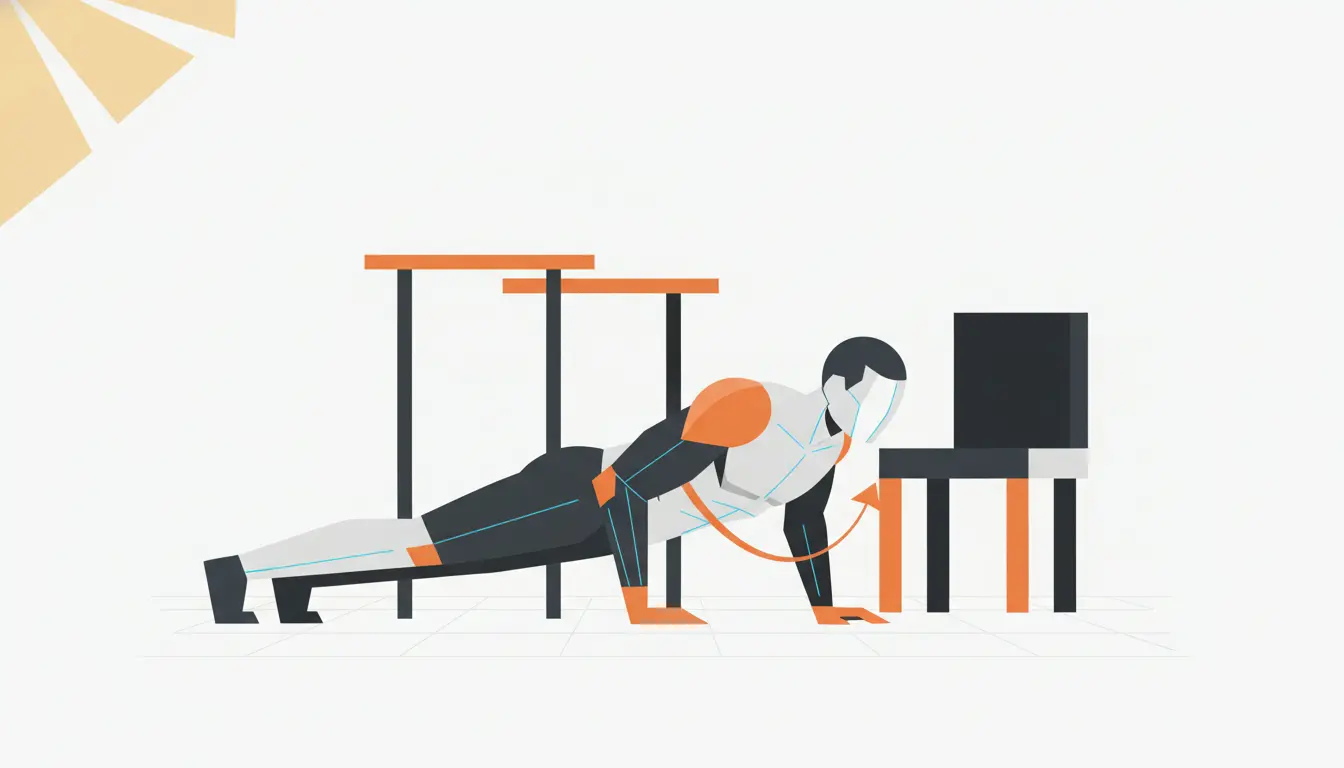
Decline Push Ups 4 sets of 8 to 12 reps
Feet on a chair or couch, body in one line. Lower with control, press up and lock out gently. If decline is too hard, do regular push ups or incline push ups.
Pike Push Ups 4 sets of 6 to 10 reps
Hips high, head travels down between the hands. Think of pushing the floor away to target the shoulders. If you feel it mostly in your wrists, shorten the range and focus on shoulder position.
Bench Dips 3 to 4 sets of 8 to 12 reps
Hands on a stable surface behind you. Go down until elbows reach about 90 degrees, then press back up. If shoulders feel pinchy, bring your hands a bit wider and keep the chest lifted.
Bodyweight Shrugs (scapular push ups in plank) 3 sets of 10 to 15 reps
Arms straight, move only the shoulder blades. This is sneaky but it pays off for healthier pushing and better control.
Triceps Extensions 3 sets of 8 to 12 reps
Hands slightly in front of your head, elbows bend forward, then press back. Keep your core tight so it doesn’t turn into a floppy half plank.
Push Up Hold (bottom position) 3 sets of 15 to 30 seconds
Hold just above the floor with a strong brace. If that’s too hard, hold a high plank instead. If it’s too easy, do the hold after a slow rep.
Rest 60 to 120 seconds between sets. If your reps drop a lot from set to set, rest longer. At home, better quality beats rushing.
Regressions and progressions (so you never get stuck)
Your goal is to make the movement hard enough to challenge you, but not so hard that you compensate. Progress is mostly about small, boring wins: cleaner reps, slightly more range, slightly less rest.
If you’re a beginner
- Incline push ups on a table or countertop instead of floor push ups
- Knee push ups if you can’t maintain a straight line
- Bench dips with bent knees to reduce load
- Shorter pike range and more focus on control
When you’re close to your first clean floor push ups, this guide can help you build reps without guessing: https://calisthenics-equipment.com/how-to-increase-your-push-up-numbers/.
If you’re intermediate to advanced
- Slow eccentrics 3 to 5 seconds down on push ups
- Pause reps 1 second at the bottom
- Deeper pike push ups by elevating your feet
- Explosive push ups once you own strict form
If you’re moving toward handstand pushing, use a wall and build skill slowly. This handstand push up guide is a good reference for progressions: https://calisthenics-equipment.com/how-to-do-handstand-push-ups/.
Two equipment upgrades that actually make sense
You can do a great calisthenics home push workout with zero gear. Still, there are two upgrades I think are genuinely worth it if you want more comfort and more exercise options.
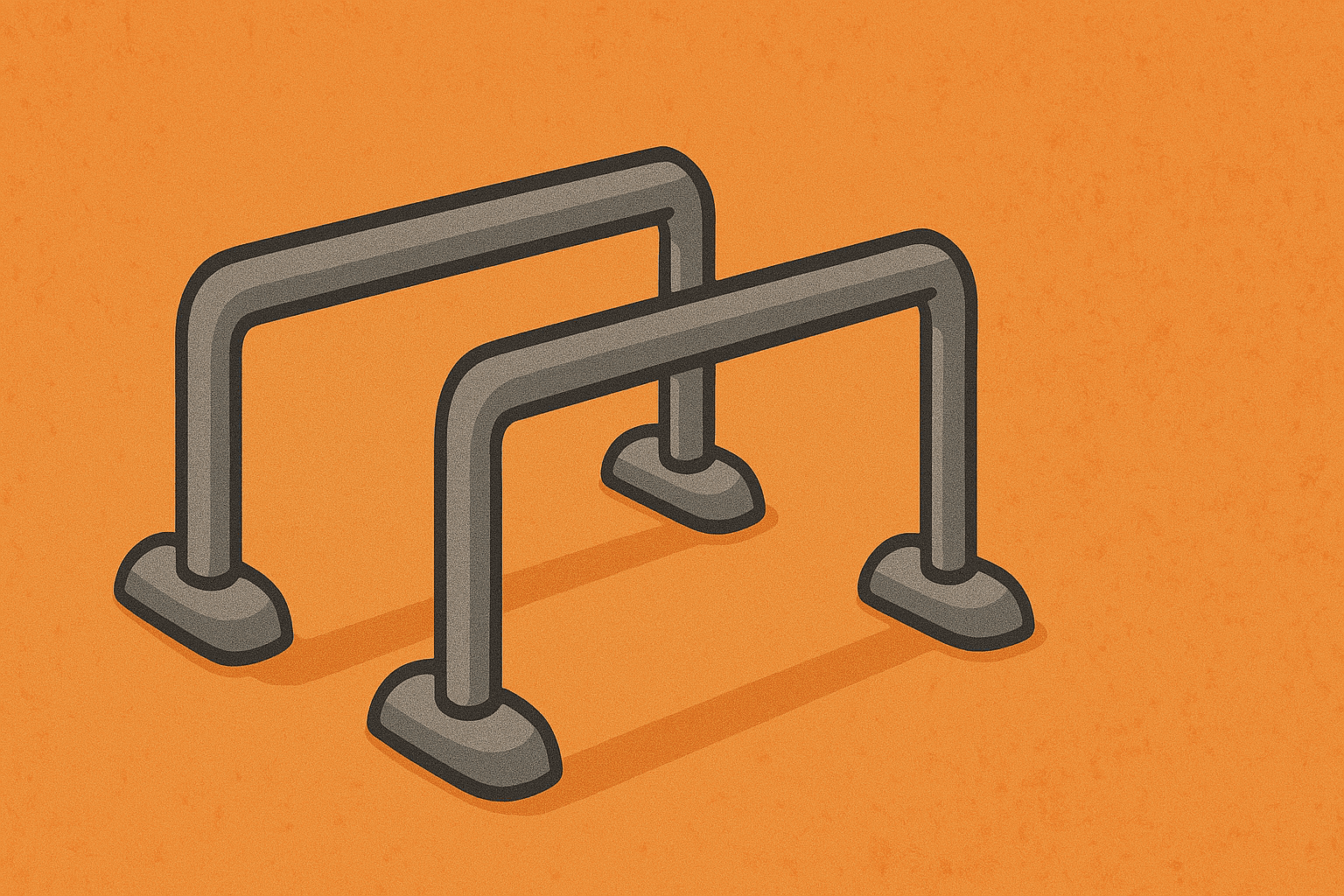
Gornation Parallettes
Parallettes make push ups and pike push ups easier on the wrists and give you a cleaner, deeper range. I like them because they improve consistency: when your wrists feel good, you train more often.
Gornation Resistance Bands
Bands are useful for smart assistance and smart overload. You can assist dips progressions, add resistance to push ups, or warm up shoulders with light band work. It’s a simple tool that fits small apartments.
Common mistakes I see in home push sessions
Most issues aren’t about motivation. They’re about small form leaks that add up.
- Flared elbows on push ups: keep them slightly tucked so shoulders feel stable
- Half reps: use a range you can control, then gradually deepen it
- Sagging hips: squeeze glutes and keep ribs down for a strong brace
- Rushing rests: if performance drops fast, rest longer
- Only training push: add pull work weekly for shoulder balance
Veelgestelde vragen
How often should I do a calisthenics home push workout?
For most people, 1 to 2 sessions per week works best. Twice weekly is great if your shoulders and elbows recover well and you also train pull and legs. Keep at least 48 hours between push days and focus on consistent, clean reps instead of chasing exhaustion.
Is a calisthenics home push workout enough to build muscle?
Yes, if you train close to failure with good form and you keep progressing. Use harder variations, slower tempos, longer ranges, or extra sets over time. Muscle growth also depends on nutrition and sleep, so don’t ignore recovery just because you’re training at home.
What if I can’t do regular push ups yet?
Start with incline push ups and gradually lower the surface as you get stronger. Knee push ups can help, but incline work usually transfers better to full push ups because the body line stays similar. Aim for controlled sets of 8 to 12 and add reps week to week.
Do I need dips for a good home push routine?
No, but dips are a strong option for the lower chest and triceps if you can do them pain free. At home, bench dips are the common substitute, but keep the range controlled and stop if shoulders feel irritated. You can also emphasize triceps with extensions and sphinx push ups.
How do I make the workout harder without weights?
Pick one lever at a time: harder variation, slower lowering, a pause at the bottom, shorter rest, or one extra set. For example, move from regular to decline push ups, then add a 3 second eccentric. Small upgrades like these keep a calisthenics home push workout challenging without turning it into chaos.
A good calisthenics home push workout doesn’t need fancy programming. You need a few smart exercises, solid form, and a clear way to scale difficulty. Run the routine once or twice per week, keep your reps clean, and progress one small step at a time. If you stay patient, your push strength will climb fast and your shoulders will feel better than they do with random, rushed sessions.