If your push ups have been stuck at the same number for weeks, you are not alone. Most people either test too often, train to failure every time, or never change the difficulty. In this article, I will show you a simple way to add reps with smart weekly volume, a few high impact push up variations, and recovery rules that actually matter. You will also learn how to pace a max test, how to fix the most common form leaks, and how to balance push training with pulling so your shoulders stay happy. No fluff, just steps you can use this week.
Start with a clear baseline and a realistic target
Test your current max the right way
Before you try to increase anything, you need one clean number. Warm up for 5 minutes, then do two easy sets of 5 to 8 push ups. Rest 2 minutes, then do one max set with strict form. Stop when your hips sag, your chest stops reaching the same depth, or your lockout gets messy.
Write down two things: your max reps and how it felt. If your last 5 reps were pure chaos, your training numbers should be based on a cleaner rep range.
Pick a target that fits your level
For beginners, a jump from 10 to 20 is already a big win. For intermediate athletes, adding 5 to 15 reps in 4 to 6 weeks is a solid outcome if you train consistently. The goal is progress you can repeat, not one heroic week followed by sore shoulders.
The fastest way up is more quality volume, not more failure
Use submax sets most of the time
The mistake I see most is doing max sets every session. It feels productive, but it beats up your elbows and slows practice quality. A better rule is to do most sets at about 50 to 70% of your max, leaving a few reps in reserve.
- If your max is 20, train sets of 10 to 14.
- Keep reps smooth and repeatable.
- Rest 60 to 120 seconds between sets.
- Stop a set when form starts to change.
This approach builds the total number of good reps your body can handle, which is what usually drives your push up numbers up.
A simple 3 to 5 day weekly template
I like a schedule that mixes volume and a little intensity. Train 3 days if recovery is a challenge, 4 to 5 days if you recover well and keep sets submax.
- Day 1 Volume: 5 to 8 sets of 50 to 60% max.
- Day 2 Variation: 4 to 6 sets of a harder or easier variation.
- Day 3 Density: 10 minutes, do small sets every minute.
- Optional Day 4: easy technique practice, never near failure.
Re test your max every two weeks, not every day. You need time to adapt.
Variations that actually move the needle
Easier variations for more clean reps
When your form breaks early, you do not need more grit, you need a slightly easier push up that lets you practice strong positions.
- Incline push ups with hands on a bench or box. Lower the height over time.
- Knee push ups if you cannot keep a straight line yet.
- Tempo push ups with a 2 second lower and a brief pause near the bottom.
Use these on high volume days so every rep looks the same.
Harder variations for strength carryover
If you can already do decent reps, you will benefit from periods where each rep is harder. Stronger pushing makes higher rep sets feel easier.
- Decline push ups with feet elevated on a chair.
- Close grip push ups to build triceps strength.
- Ring push ups for stability and control, if your shoulders tolerate them.
Keep reps lower here, usually 4 to 10 per set, and keep your core tight so you do not turn it into a half plank, half push up situation.
Technique tweaks that add reps immediately
Lock in a repeatable setup
Small leaks cost big reps. Aim for hands around shoulder width, fingers slightly turned out, and shoulders packed down, not shrugged. Squeeze glutes and keep ribs down so your body stays a straight line.
I prefer a consistent depth cue: chest to a book or fist height from the floor. The more consistent your depth, the more reliable your progress is.
Breathe and pace your test
During training, use controlled reps. During a max test, speed matters, but you still need rhythm. I like an inhale on the way down and a strong exhale on the way up. Start slightly faster than comfortable, then settle into a pace you can hold.
If you stall near the end, change hand position slightly wider or narrower for a few reps. It is not magic, but it can help you squeeze out clean reps when one position is fatigued.
Recover well enough to train 3 to 5 times per week
Use push pull balance to keep shoulders happy
Push ups are only half the story. If you only push, your shoulders tend to drift forward and get cranky. Add pulling work 2 to 3 times per week. A pull up bar and rows are perfect, and if you want a clear guide for clean reps, this is worth a read: https://calisthenics-equipment.com/how-to-do-a-pull-up-with-perfect-form/.
- Bodyweight rows under a table or on rings
- Scapular pull ups or dead hangs
- Light band pull aparts if you have bands
Know when to back off
If your elbows feel sharp, your wrists ache, or your reps drop for several sessions, reduce volume for 3 to 5 days. Keep technique practice, but cut sets in half. Consistency beats grinding through pain.
Sleep and food matter more than people want to admit. If you are trying to increase your push up numbers while sleeping 5 hours, you are training with one hand tied behind your back.
Equipment that can help, without turning it into a shopping list
Push up handles for comfort and range
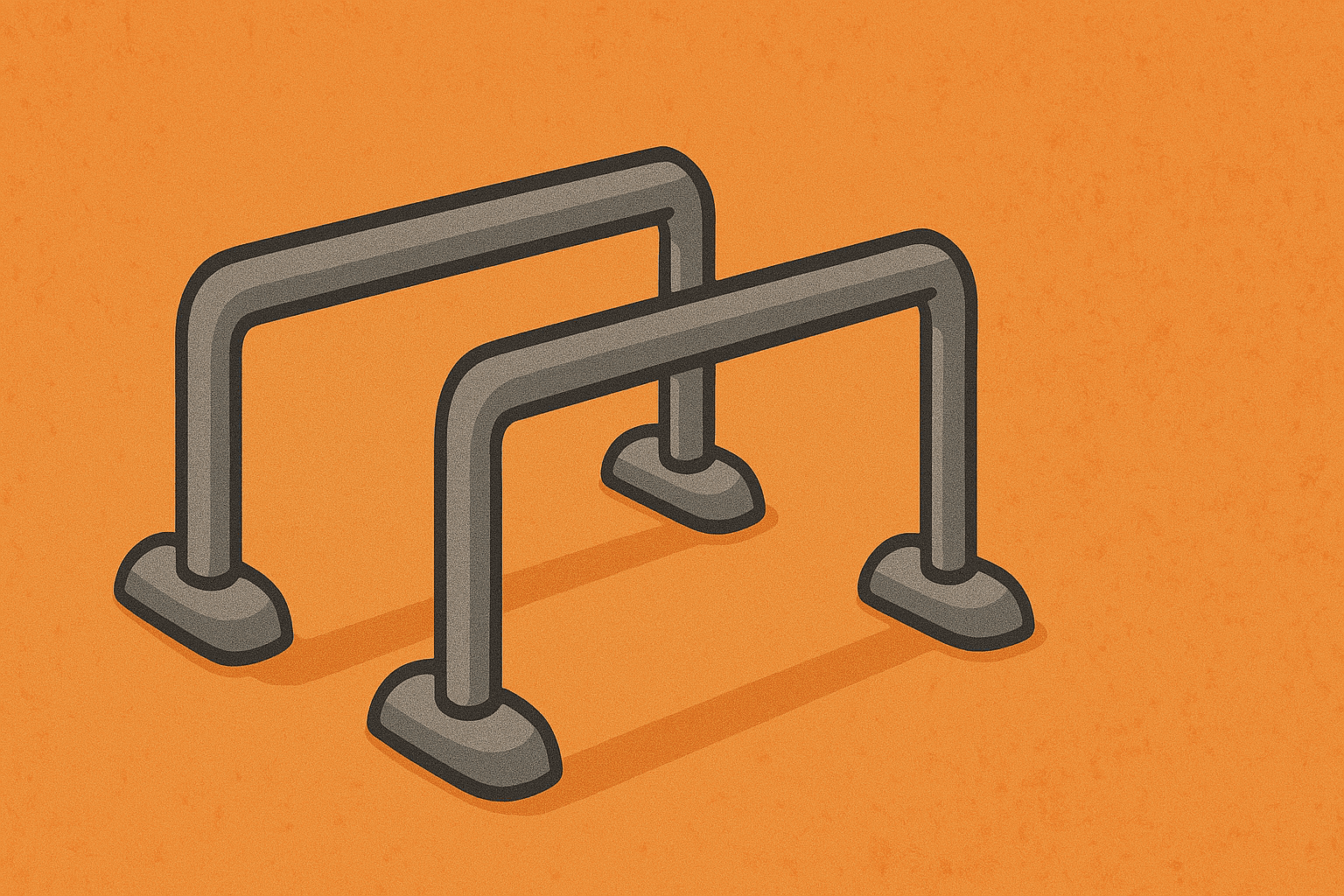
If your wrists limit your training, push up handles are a practical upgrade. They keep wrists neutral and often allow a slightly deeper rep. If you want options, start here: https://calisthenics-equipment.com/best-push-up-bars-for-calisthenics/. For a straightforward choice, the Gornation Push Up Bars are sturdy and do the job without gimmicks.
A weight vest for strength focused blocks
Once you can do solid sets of 20 to 30, adding light load can make regular push ups feel easier later. Keep it modest and controlled. The Gornation Weight Vest is a sensible pick if you want adjustable resistance and a close fit that does not bounce around. Use it for low rep sets, then go back to bodyweight for volume days.
Veelgestelde vragen
How to increase your push-up numbers if I can only do 5 to 10 reps?
Use incline or knee push ups so you can accumulate more clean reps. Train 3 to 4 days per week and aim for 20 to 40 total reps per session in small sets. Each week, lower the incline slightly or add a rep per set. Retest every two weeks with strict form.
How often should I train push ups to increase my numbers?
Most people do best with 3 to 5 sessions per week, as long as most sets stay submax. If you constantly hit failure, 2 to 3 days may be better. Your goal is frequent practice with good form, not being sore all the time.
Should I do push ups every day to improve faster?
Sometimes, but only if you keep the sets easy. Daily max sets usually backfire. If you want a daily approach, do multiple small sets at about 50% of your max and stop well before fatigue. If elbows or shoulders complain, add rest days immediately.
Why do my push up numbers drop from set to set?
That is normal fatigue, but big drops usually mean your first set is too close to failure or your rest is too short. Start with 60 to 70% of max, rest 90 to 120 seconds, and keep the pace steady. Also check breathing, because holding your breath kills endurance fast.
Do weighted push ups help increase push up reps?
Yes, if you already have a base. Weighted work builds strength, which can make bodyweight reps feel lighter. Keep weighted sets in the 4 to 10 rep range and do them 1 to 2 times per week. Pair that with at least one higher volume day for endurance.
To increase your push up numbers, focus on repeatable volume, not constant maxing out. Test your baseline, train mostly with submax sets 3 to 5 times per week, and rotate variations so you build both endurance and strength. Keep your form consistent, balance pushing with pulling, and respect recovery when joints start talking. Do this for four to six weeks and your next max test will usually surprise you in a good way.