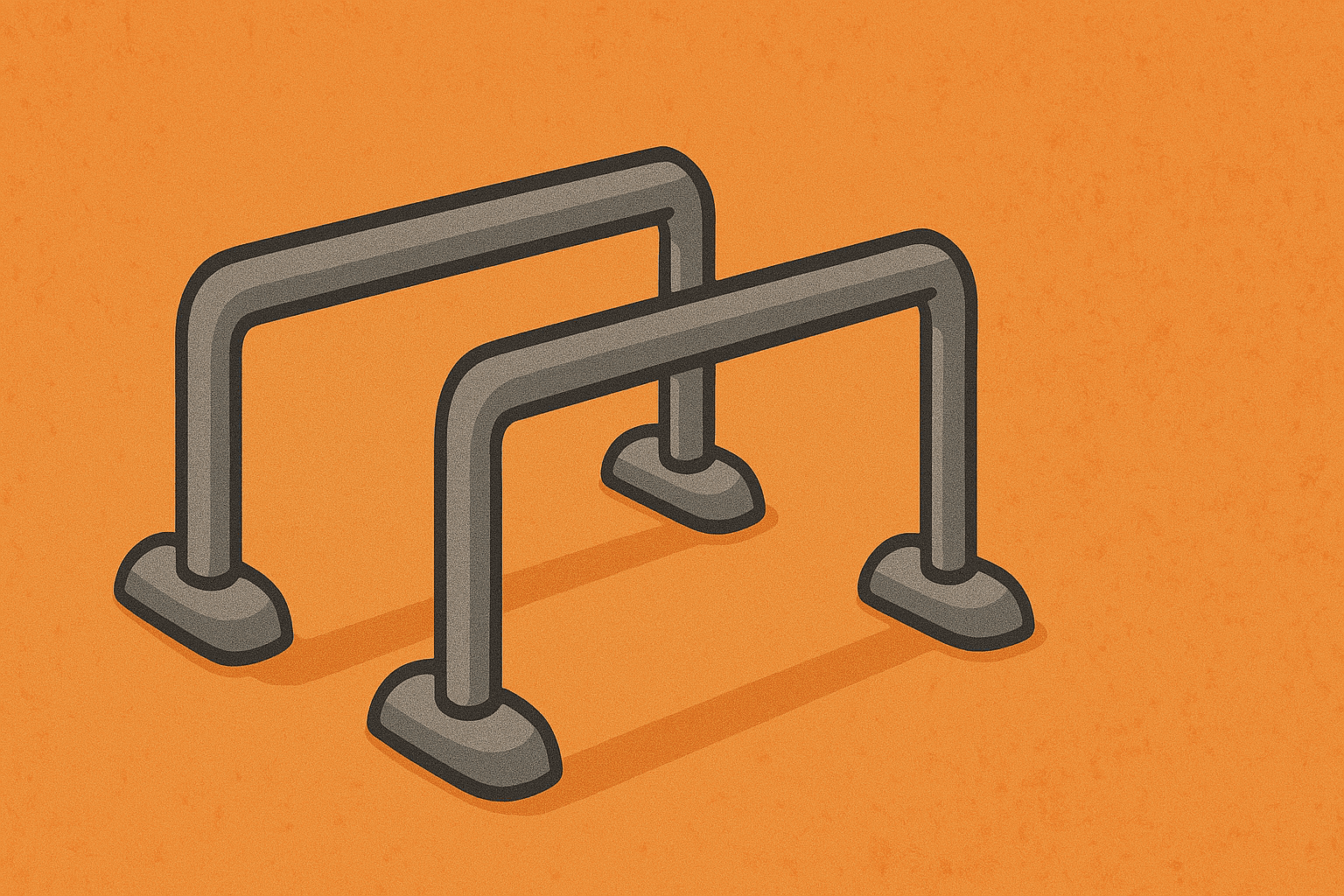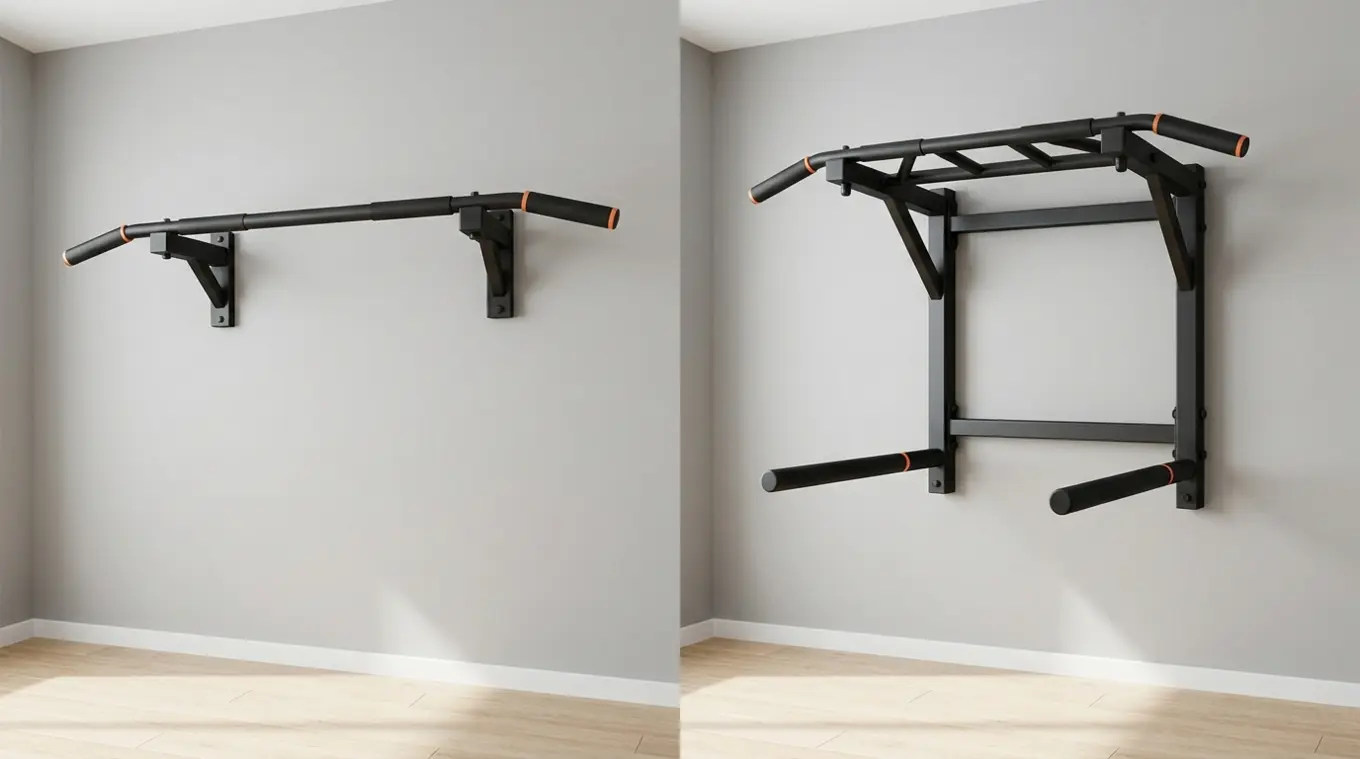
If you have been looking at home workout gear and keep seeing the term pull up dip bar, you are not alone. A lot of people wonder whether it is just a pull up bar, a dip station, or something in between. That confusion makes sense, especially when brands use different names for very similar equipment. In this guide, I will explain exactly what a pull up and dip bar means, what it does, who it is for, and how to choose the right version for your space and training level. By the end, you should know whether this is the right piece of gear for your home setup.
What Is a Pull Up Dip Bar?
A pull up dip bar is a piece of calisthenics equipment designed to let you do both pulling and pushing exercises on one setup. In simple terms, it combines the function of a pull up bar with the function of dip handles or a dip station. That is why people often search for the pull up and dip bar meaning when they first come across it.
Depending on the design, a pull up dip bar can be mounted in a doorway, attached to a wall, used as a freestanding station, or carried outdoors. Some models are fixed and some are adjustable. The main idea is the same: one tool that gives you more exercise options than a regular straight pull up bar.
In practice, this can mean a bar that flips over to become dip bars, a freestanding frame with a top bar and arm supports, or a compact doorway pull up dip bar that works for bodyweight training in small spaces. I have trained on several versions over the years, and the biggest benefit is convenience. When one piece of equipment covers pull ups, dips, leg raises, rows, and support holds, it becomes much easier to train consistently at home.
What Does a Pull Up Dip Bar Actually Do?
The biggest job of a pull up dip bar is to create a stable place for upper body bodyweight training. It gives you a setup for vertical pulling, vertical pushing, core work, and often a few horizontal pulling variations too.
That matters because many people start with floor exercises only, then hit a limit. Push ups and squats are great, but if you want to build your back, lats, grip, and overall upper body strength, you need a good pulling station. If you also want to train chest and triceps properly, having a dip option on the same unit makes home training much more complete.
Which Muscles Does It Work?
A pull up dip bar can train most of your upper body and a surprising amount of your core. Pull ups and chin ups mainly target the lats, upper back, biceps, forearms, and grip. Dips shift the focus toward the chest, triceps, and front shoulders. Hanging knee raises and leg raises bring in the abs and hip flexors. Support holds and scapular work help with shoulder stability as well.
From my experience, this is why this type of equipment is so useful for calisthenics. It covers the muscles people usually miss when they only do push ups at home. If your goal is a stronger back, better posture, and more balanced upper body development, a solid pull up dip bar can do a lot of work.
What Exercises Can You Do on It?
The list depends on the design, but common pull up dip bar exercises include pull ups, chin ups, neutral grip pull ups, dips, knee raises, leg raises, support holds, Australian rows, hanging holds, scapular pulls, and sometimes muscle up progressions.
The best exercises on a pull up dip bar for most people are the basics. Start with dead hangs, assisted pull ups, bodyweight dips, and knee raises. Those movements build strength fast and teach control. If you want more ideas, you can also check our guide to best pull up bar exercises and our breakdown of dip bar exercises.
For more advanced training, a good setup can also support L sit pull ups, straight bar dips, tucked front lever work, and explosive pull variations. The better and more stable the bar, the more room you have to progress.
The Different Types of Pull Up Dip Bars
There is no single standard design, which is why search results often feel messy. When people look up types of pull up dip bars, they usually run into three main categories.
Freestanding Pull Up Dip Bar
A freestanding pull up dip bar is a standalone station that sits on the floor. Some people would call the larger versions a power tower, but not every freestanding unit is that big. These are usually the easiest to understand because they clearly provide a top pull up bar and lower dip handles in one frame.
The advantage is versatility. You do not need a doorway or wall, and many models support a wide range of exercises. The downside is that they take up more floor space. If you train in a garage, basement, or spare room, this can be one of the best pull up dip bar for home options.
If you want a cleaner and more premium calisthenics focused setup, Gornation equipment is worth a look, especially if you care about build quality and minimalist design. For people who train seriously at home, that usually matters more than extra gimmicks.
Door Frame Pull Up Dip Bar
A doorway pull up dip bar is made for people who want to train in a small apartment or rented home. Some models sit in or over the door frame for pull ups, while others can be reconfigured lower for dips, rows, or push up variations.
This type is popular because it is affordable, compact, and easy to store. But it comes with tradeoffs. Range of motion is more limited, mounting height can be low, and not every door frame is suitable. If you are researching a Pullup & Dip doorway pullup dip bar review or similar products, the big thing to check is whether your door frame dimensions and trim style actually match the product requirements.
For renters, doorway models can be very practical. If that sounds like your situation, our guide on pull up bars for renters may help you compare options more clearly.
Portable and Outdoor Pull Up Dip Bars
Portable versions are built for flexibility. Some can be attached to trees, beams, or posts, and some fold down for travel or outdoor sessions. This is where products like the Pullup & Dip pull up dip bar became well known. The concept is simple: bring your training station with you instead of relying on a gym or public park.
I like this style for athletes who travel often or want to train in the backyard, at the park, or on vacation. The key is realistic expectations. Portable does not always mean as rigid as a wall mounted bar. But if it is well built and correctly installed, it can still be very effective.
Pull Up Dip Bar vs Regular Pull Up Bar: What’s the Difference?
A regular pull up bar is mainly built for hanging exercises such as pull ups, chin ups, and leg raises. A pull up dip bar expands on that by adding dip functionality and often more exercise variety. That is the main difference.
If your only goal is basic pull up practice, a regular pull up bar may be enough. It is often cheaper, simpler, and easier to install. But if you want a more complete upper body station, a pull up dip bar gives you more value. In my opinion, that matters most for home training, where every piece of equipment should earn its place.
| Type | Best for | Main advantage | Main drawback |
|---|---|---|---|
| Freestanding pull up dip bar | Home gyms, garages, spare rooms | Stable and versatile | Takes up more floor space |
| Door frame pull up dip bar | Apartments, renters, small spaces | Compact and affordable | Limited range of motion and door compatibility issues |
| Portable or outdoor pull up dip bar | Travel, backyard, park workouts | Flexible and easy to move | Usually less rigid than fixed setups |
Another difference is body position. Dips require stable handles and enough clearance to lower your body safely. A normal doorway pull up bar often cannot do that well. That is why many athletes outgrow a standard bar and later switch to a more versatile setup.
Pull Up Dip Bar vs Power Tower: Which One Should You Choose?
This comparison confuses a lot of buyers because the terms overlap. A power tower is usually a larger freestanding station with pull up handles, dip arms, back support, and often push up handles. A pull up dip bar can be a power tower, but it can also be a smaller or more portable design.
Choose a power tower if you want maximum stability, do not need portability, and have enough room. Choose a pull up dip bar if you want flexibility, a smaller footprint, or a design that can be mounted, stored, or used outdoors.
For most apartment users, a huge power tower is overkill. For a garage gym, it can be a good choice. For serious calisthenics athletes who care about movement quality, I usually prefer a simpler, sturdier setup over a bulky machine style tower with too many attachments.
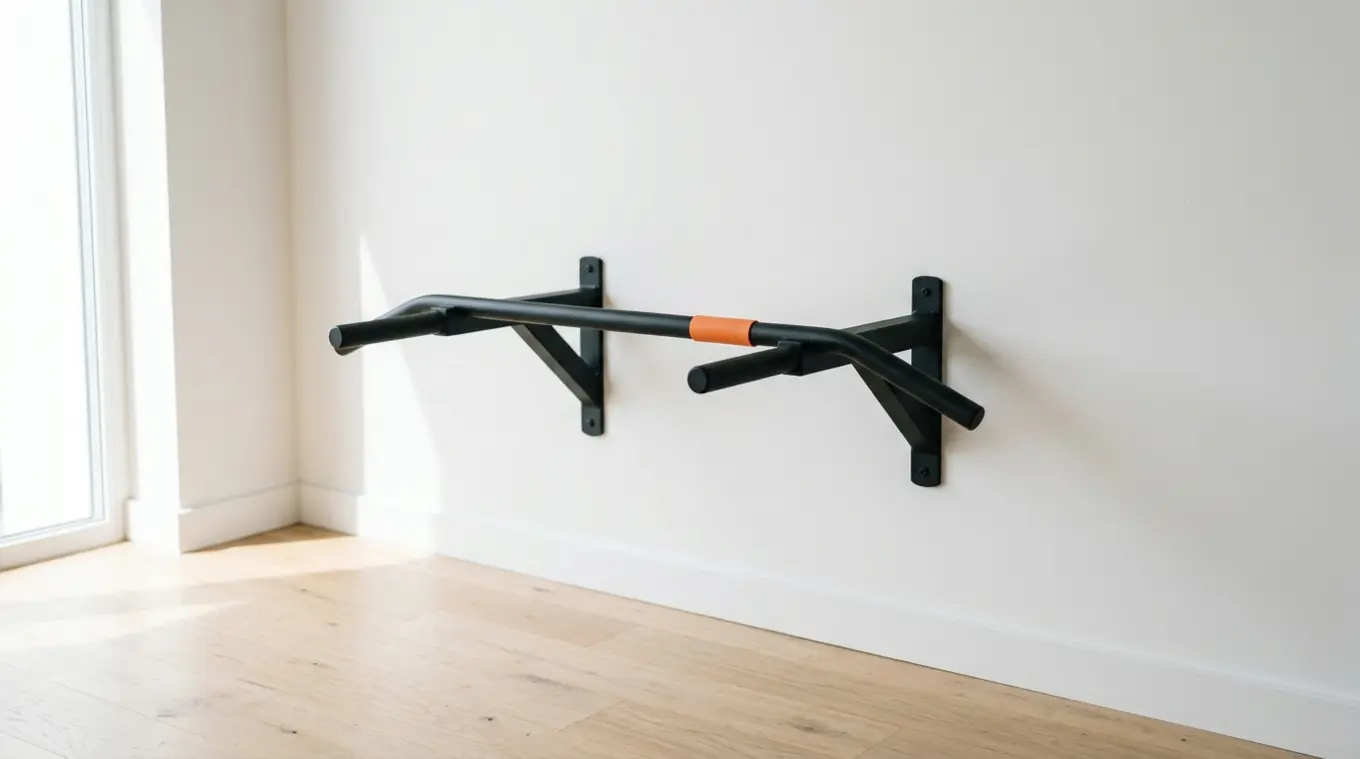
Who Is a Pull Up Dip Bar For?
A pull up dip bar is great for beginners, intermediate athletes, and advanced calisthenics users who want efficient upper body training at home. Beginners can use it for dead hangs, band assisted pull ups, foot assisted dips, and basic core work. Intermediate athletes can build stronger pull ups, deeper dips, and start working toward muscle ups. Advanced athletes can use it for weighted work and skill progressions.
It is especially useful for people who want to train without a full gym membership. If you are building a compact home setup, this can be one of the smartest pieces to buy because it opens up so many movement patterns at once. It is also ideal if you want to transition from general fitness into calisthenics more seriously.
If you are still figuring out what equipment actually matters, our guide to must have calisthenics equipment gives a good bigger picture.
What to Look for When Buying a Pull Up Dip Bar
If you are trying to find the best pull up dip bar, focus less on marketing terms and more on how you actually train. A cheap model that wobbles or limits your movement is rarely a good deal.
Stability and Build Quality
This is the first thing I would check. A good pull up dip bar should feel secure under your bodyweight, and ideally under dynamic movement too. Steel construction, solid welds, quality hardware, and a realistic weight rating matter more than flashy add ons.
Grip matters too. If the handles are too slippery, too thick, or awkwardly spaced, your workouts will suffer. Powder coated or textured grips often feel more secure than cheap foam grips that wear out fast. If grip is something you struggle with, a little chalk can help, and our comparison on liquid chalk vs block chalk explains which option makes more sense.
This is one reason I often recommend Gornation when people want calisthenics equipment that feels well thought out. It tends to be designed with actual training use in mind rather than just looking good in product photos.
Weight Capacity and Load Rating
Every pull up dip bar has a stated maximum weight limit, and it is worth checking before you buy. For standard bodyweight training, most mid-range models support enough load for the average user. But if you weigh more, plan to train with added weight such as a weighted vest or dip belt, or intend to do dynamic or explosive movements, you should look for a model with a higher rated capacity.
Dynamic loading from kipping pull ups or explosive reps can place more momentary stress on the bar than your static bodyweight alone. A higher weight rating generally also reflects better overall construction. Check the manufacturer specifications carefully and do not assume all models are built the same.
Size, Space, and Portability
Before buying, measure your space carefully. Ceiling height, doorway width, wall type, and floor area all matter. A lot of frustration comes from people buying first and measuring later. If you want to know how to install a pull up dip bar, the answer depends entirely on the style. Doorway models usually need correct frame dimensions and proper positioning. Wall mounted and ceiling mounted options need strong anchor points. Portable designs need a safe structure like a tree, beam, or post.
Think about storage too. If you train in a living room or apartment, portability and compact storage may matter more than maximum rigidity. If you have a dedicated gym corner, a heavier station is often worth it.
Also be honest about your goals. If you want strict pull ups and dips a few times a week, a compact model may be enough. If you want weighted calisthenics and explosive training, buy something more robust from the start.
Is a Pull Up Dip Bar Worth It for Home Training?
For most people, yes. A pull up dip bar is one of the most useful pieces of equipment you can buy for home calisthenics because it covers two major movement patterns with one product. That saves space, money, and setup time.
From a training perspective, it is hard to ignore the value. Pulling exercises are difficult to replace at home, and dips are one of the best bodyweight pushing exercises once you are ready for them. Together, they give you a much more complete setup than a basic mat and resistance band routine.
Is it always the right choice? Not necessarily. If your budget is very tight or your space is extremely limited, you may be better off starting with a simple pull up bar, rings, or parallettes. But if you want one tool that can carry a lot of your upper body training for years, a well chosen pull up dip bar is absolutely worth considering as the best pull up dip bar for home setup foundation.
My honest advice is this: buy based on your space and training style, not on hype. The best model is the one you can install safely, use consistently, and progress on for a long time.
Final Thoughts
So, what is a pull up dip bar? It is a versatile training station that combines pull up and dip functions in one piece of equipment. Depending on the design, it can be freestanding, doorway based, mounted, or portable. The right one can help you train your back, chest, arms, shoulders, and core far more effectively at home.
If you want a practical answer, this equipment makes the most sense for people who want more than a basic pull up bar but do not need a full commercial gym setup. Focus on stability, space, and how you will actually use it. If quality matters to you, Gornation is a strong brand to keep in mind. Choose well, and a pull up dip bar can be one of the most useful pieces in your entire calisthenics setup.
FAQs
Can a beginner use a pull up dip bar?
Yes, absolutely. Beginners can start with dead hangs, assisted pull ups, negative pull ups, support holds, and foot assisted dips. You do not need to be advanced to benefit from one. In fact, it can be a great tool for building your first real upper body strength at home.
Is a pull up dip bar the same as a power tower?
Not always. A power tower is usually a large freestanding station with several built in features. A pull up dip bar is a broader term that can include freestanding units, doorway models, mounted systems, and portable designs. Some power towers are pull up dip bars, but not all pull up dip bars are power towers.
How do you install a pull up dip bar safely?
It depends on the model. Doorway versions need the correct frame size and careful positioning. Wall and ceiling models need strong mounting points and proper hardware. Portable versions need a secure tree, beam, or post. Always follow the manufacturer instructions and avoid guessing if safety is unclear.
What is the best pull up dip bar for home use?
The best option depends on your space, training goals, and budget. For small apartments, a doorway pull up dip bar may be the best fit. For garages or dedicated workout rooms, a freestanding or wall mounted setup often feels better. In general, prioritize stability, grip comfort, and enough room for full movement.
Can you do more than pull ups and dips on it?
Yes. Many models also allow chin ups, hanging knee raises, leg raises, rows, support holds, scapular pulls, and even some muscle up progressions. That is why a pull up dip bar is so popular for calisthenics. It gives you more exercise variety without needing multiple large pieces of equipment.