If you want to train pull ups at home but do not want to drill into your wall, an over the door pull up bar is usually the first option that comes up. I get why. It is affordable, quick to set up, and for many people it is the easiest way to start building upper body strength in a small space. The problem is that not every doorway pull up bar fits every home, and some feel much safer than others. In this guide, I will walk you through how a doorway pull up bar works, what to check before buying, which models stand out, and when a mounted option like Gornation may be the smarter long term choice.
What Is an Over the Door Pull Up Bar (and How Does It Work)?
An over the door pull up bar is a removable bar that uses leverage and contact points around your door frame to stay in place while you train. In simple terms, the front part of the bar sits on the front of the frame, while the back support presses against the opposite side. When you hang from it, your bodyweight helps lock the bar into position. That is why so many people search for how does a doorway pull up bar work before buying one. It looks simple, but the design matters a lot.
Most people use this style for pull ups, chin ups, neutral grip pulls, dead hangs, knee raises, and sometimes push ups on the floor if the frame allows for it. In my experience, the biggest advantage is convenience. You can get training done in a bedroom, hallway, or apartment without turning your place into a full home gym.
Hook-over vs. tension-mounted: what’s the difference?
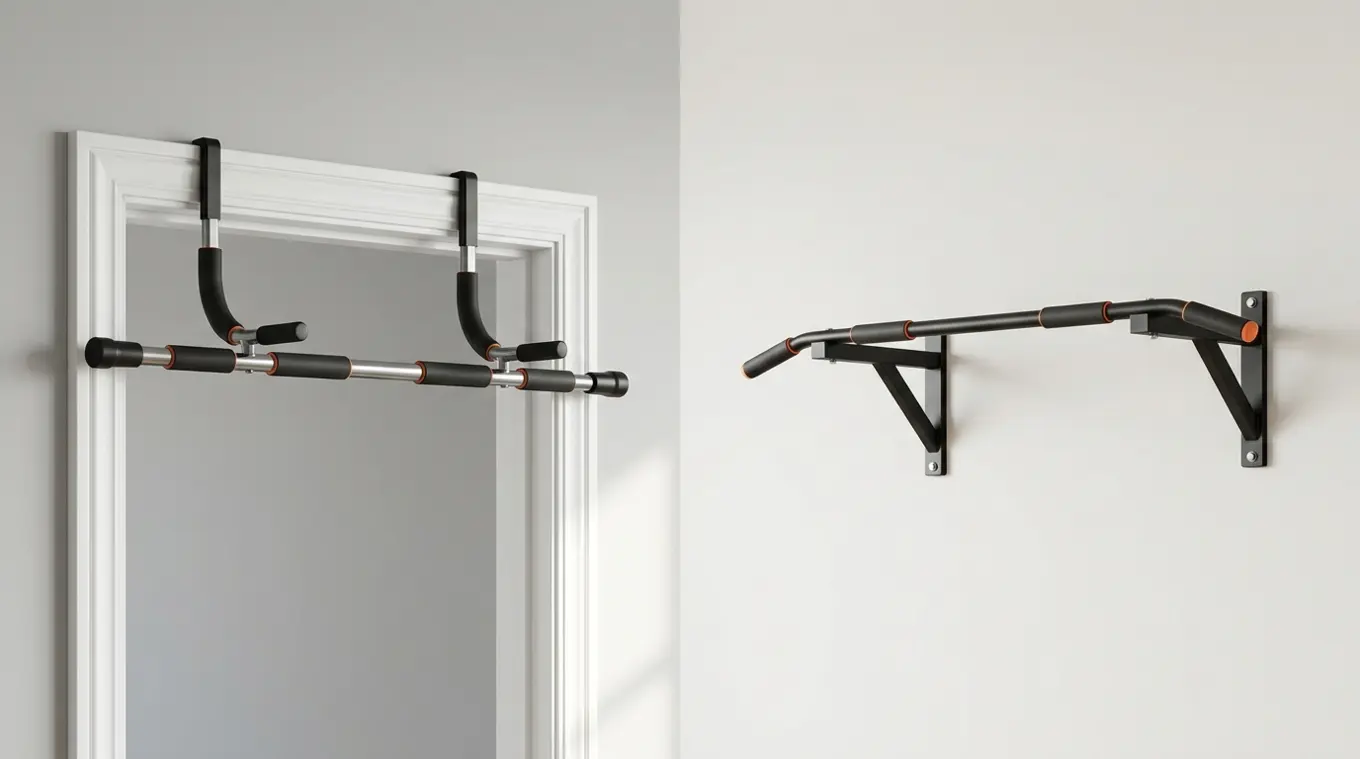
There are two main types you will see. The first is the classic hook-over design. This is what most people mean when they say over the door pull up bar. It hooks over the top of the door trim and usually gives you several grip positions. These bars are popular because they are easy to remove, beginner-friendly, and often work well for mixed grip training.
The second type is a tension-mounted or in-frame bar. This sits between the sides of the doorway and uses pressure, locking ends, or brackets to stay in place. Some people prefer this style because it can be left installed and still lets the door close. It is also a common choice when someone wants the best doorway pull up bar for small spaces.
In practice, hook-over bars tend to offer more grip variety and better exercise options. Tension-mounted bars are cleaner looking and more compact, but they can be more dependent on precise fit and correct installation. If you have ever looked at the Iron Gym total upper body workout bar review style of product, that is a classic example of the hook-over category.
Is it safe to use without drilling?
Yes, many are safe to use without drilling, but only if the bar matches your door frame and you follow the setup instructions carefully. This is where people get into trouble. They assume every door is the same, throw the bar up in a few seconds, and start kipping or swinging hard. That is not what these bars are built for.
If you use a well made bar on a solid, standard frame, and you stay within the stated doorway pull up bar weight limit, these bars are generally safe for strict pulling movements. I still tell most people to test the bar with partial weight first, then a full dead hang, before doing full reps. It takes less than a minute and gives you a much better feel for stability.
Our Top Picks: Best Over the Door Pull Up Bars
There is no single best model for every home. The right pick depends on doorway width, your height, storage space, and whether you are training casually or seriously. These are the options I would focus on first.
Best overall: top pick for most home setups
For most people, the strongest all around choice is a hook-over style bar similar to the Ultimate Body Press Elevated XL. It stands out because it fits a wider range of door widths than many standard models, feels solid under bodyweight, and gives you more grip options than the usual budget bar. The raised grip area is especially helpful if you are taller or have long arms, because you get a little more room before your knees need to bend hard.
If you are comparing names you have seen online, this is the kind of product that usually wins for overall usability. It is more versatile than a basic straight bar and more confidence inspiring than ultra cheap no-name models. The downside is that it takes up more storage space and needs some assembly.
If your goal is a simple but serious home setup, I would put this style first. If your goal is long term calisthenics progression and you eventually want something more stable than a removable doorway bar, I would also look at a mounted option from Gornation later on, especially if you start getting into higher volume pull up training.
Best for wide doorways
If you have a doorway wider than average, your options get narrower fast. Many bars claim they fit wide frames, but in real homes the fit is often less forgiving than the box suggests. Models with adjustable crossbars or longer spans tend to work best here, and again the Elevated XL type design is one of the safer bets.
Another model often mentioned in wider doorway discussions is the Rogue Jammer pull up bar doorway, but in reality many athletes who want Rogue level sturdiness end up moving away from true over the door designs and toward mounted bars. If your frame is wide and you train hard, this is one of those moments where a wall mounted setup can make more sense than forcing a doorway solution to work.
For wide spaces and more serious training, a Gornation mounted pull up bar becomes easier to recommend because it removes a lot of the fit limitations that come with doorway bars. It is not the same category, but it is often the upgrade people make after they outgrow removable options.
Best portable and apartment-friendly option
If you rent, move often, or need to put the bar away after each session, a lighter hook-over model or compact in-frame bar is usually the better call. This is where products like the Iron Gym style bars still make sense. They are not the most premium option, but they are easy to understand, widely available in the US, and good enough for many beginners who want a portable setup.
For very tight living situations, a straight in-frame bar such as the Garren Fitness style can also work well. It is less versatile, but it takes up much less space and can be left in the doorway. That makes it a practical best doorway pull up bar for small spaces choice if you mainly want chin ups, pull ups, and dead hangs without bulky handles sticking out into the room.
If apartment living is your main concern, you may also want to read this guide on pull up bars for renters for a deeper breakdown of what tends to work best without upsetting your landlord or damaging trim.
What to Look for Before You Buy
If you are figuring out how to choose an over the door pull up bar, do not start with brand names. Start with your doorway. I have seen plenty of good bars get blamed for bad performance when the real issue was a poor fit.
Door frame compatibility and width
Measure the width of your doorway first. Then measure the frame depth and look at the trim shape. Decorative molding, extra thick walls, or shallow trim can all create problems. Some bars technically fit the width but do not sit properly on the frame. Others need a certain amount of flat contact area to stay stable.
For the US market, many standard interior doors fall near the typical range these bars are built for, but not all. Apartment buildings, older homes, and remodeled houses can be less predictable. This is why product pages that list only width but ignore frame depth are not very helpful.
If your home has unusual trim or very thick walls, I would be cautious with no-drill options. In those cases, a mounted design is usually more reliable.
Weight capacity and stability
Do not look only at the advertised max load. A bar can say 300 pounds and still feel shaky. What matters is how the force is distributed across the frame and how much movement the bar allows during reps. For strict bodyweight pull ups, a stable 250 to 300 pound rated bar is enough for most users. If you plan to add a weight vest later, stability becomes even more important.
This is also where technique matters. An over the door pull up bar is made for strict reps, controlled negatives, hangs, and basic core work. It is not ideal for kipping, aggressive muscle up attempts, or dynamic swings. If you want that style of training, get a mounted bar instead.
As a rule, the safest bar is the one that fits correctly, has wide and well padded contact points, and feels planted in a dead hang before you ever start repping.
Grip options and bar width
Grip variety changes how useful the bar feels over time. A basic straight bar gives you standard overhand and underhand work. Multi grip bars add neutral grip handles and wider positions, which many people find easier on the shoulders and elbows.
I usually tell beginners not to overcomplicate this. If your first goal is simply getting stronger at pull ups, chin ups, and hangs, a stable bar with two or three useful grips is enough. More handles are nice, but not if they make the whole setup bulky or awkward.
| Type | Best for | Main advantages | Main drawbacks |
|---|---|---|---|
| Hook-over bar | Most home setups | More grip options, easy to remove, versatile for pull ups and chin ups | Needs compatible trim, bulkier to store, not ideal for dynamic moves |
| In-frame bar | Small spaces and apartments | Compact, cleaner look, can often stay installed | Less grip variety, more dependent on precise fit |
| Mounted pull up bar | Serious long-term training | Best stability, more clearance, better for weighted reps and progression | Requires drilling and permanent installation |
For exercise ideas once your bar is up, this guide on the best pull up bar exercises is worth saving.
Over the Door vs. Mounted Pull Up Bar: Which Should You Choose?
This comes down to convenience versus stability. An over the door pull up bar wins on convenience. It is easier to set up, usually cheaper, and makes sense if you rent or want something temporary. For many people, that is enough.
A mounted pull up bar wins on long term performance. You get more space, better clearance, and a more secure feel. If you train several times a week, want to progress into weighted reps, or dislike the idea of hanging from your door trim, mounted is the better investment.
This is exactly where I would naturally mention Gornation. If you know you are committed to calisthenics and you have the right wall for installation, a Gornation mounted pull up bar is a smarter long term buy than replacing two or three mediocre doorway bars over time. It gives you more freedom for clean pull ups, leg raises, and even ring work depending on your setup.
If you are still comparing both categories, this page on doorway vs wall mounted pull up bar goes deeper into the tradeoffs.
Who Is an Over the Door Pull Up Bar Best Suited For?
This type of bar is best for beginners, renters, students, apartment dwellers, and anyone who wants a practical home training solution without permanent installation. It is also a good fit for people who want to add pulling work to a basic bodyweight routine but do not have room for a power tower.
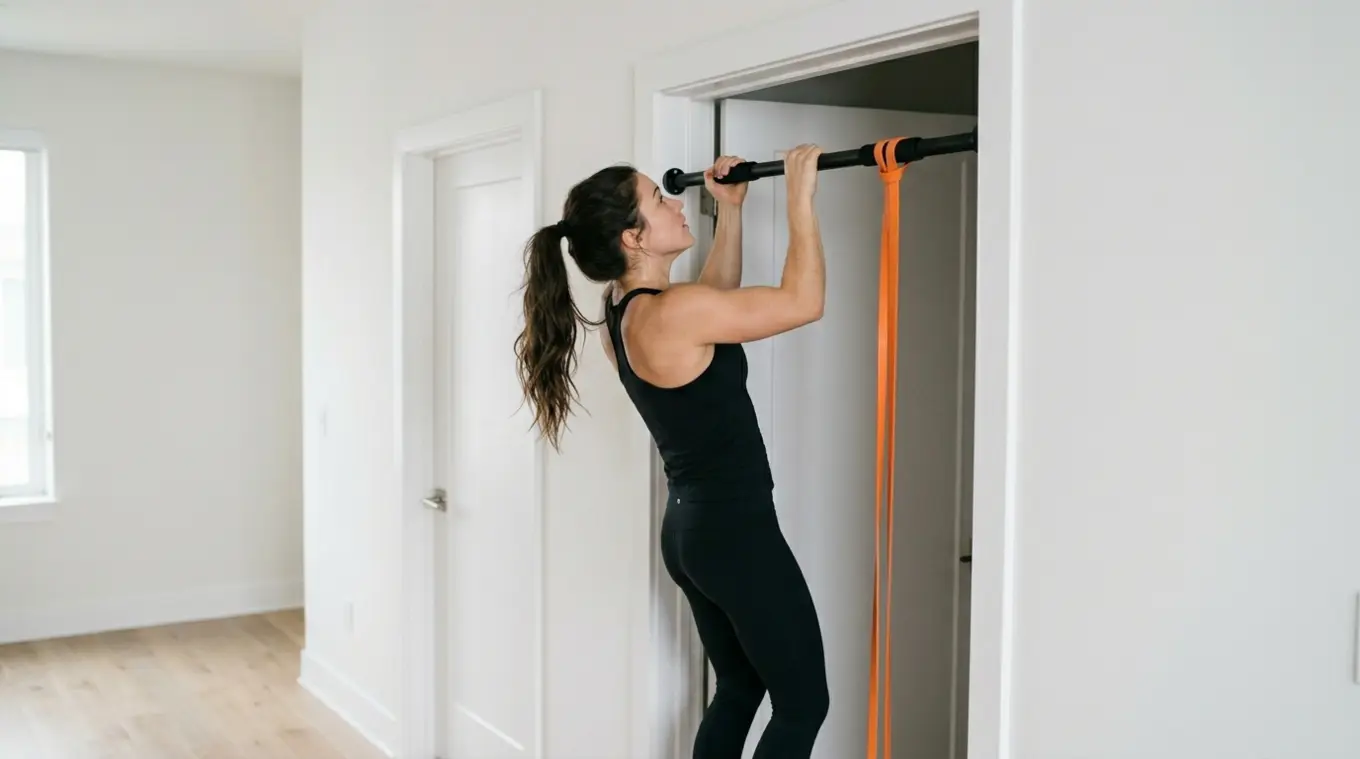
From coaching and personal training experience, I think doorway bars are especially useful for people chasing their first few pull ups. You do not need a huge setup to get strong. Dead hangs, scapular pulls, negatives, and band assisted reps can all be done with a good doorway bar. If your goal is simply to build enough strength for your first strict pull up, this category makes a lot of sense.
It can also work well for someone building a minimalist home gym. In that case, pair the bar with resistance bands, a floor mat, and maybe rings later if your setup allows it. If you are still building out your setup, you may like this overview of must have calisthenics equipment.
Common Problems and How to Avoid Them
Most complaints about doorway bars come back to two things: bad fit and unrealistic expectations. Let’s keep both simple.
Bar slipping or damaging the door frame
If a bar slips, rocks too much, or leaves marks quickly, stop using it until you figure out why. Common causes include uneven trim, poor installation, low quality padding, and using dynamic momentum that the bar was never built for.
To reduce the chance of damage, choose bars with larger padded contact points and follow the exact setup instructions. Learn how to install an over the door pull up bar properly, not just quickly. Before every workout, check whether the contact pads are sitting flush and whether anything has shifted since your last session.
I also recommend avoiding high rep fatigue sets at the start. Test the setup with a calm dead hang and a few controlled reps first. If it creaks or shifts in a way that feels wrong, trust that feeling.
Poor fit for non-standard doorways
Not every home has a standard frame, and that is where a lot of online reviews become misleading. One person says a bar is perfect, another says it is unusable, and both can be right because their doorways are completely different.
If your trim is very rounded, your walls are thick, or your frame is extra wide, read dimensions carefully and not just the product headline. Some bars that work well in average suburban homes struggle in older city apartments. If your setup is unusual, I would rather see you buy a more stable mounted bar than force a questionable doorway fit.
How to Install and Use Your Doorway Pull Up Bar Safely
If you are wondering how to install an over the door pull up bar, the safest approach is always slower than you think. Assemble the bar fully, confirm all bolts are tight if assembly is required, place it exactly where the instructions show, and test with partial bodyweight before using it normally.
For hook-over bars, make sure the rear support contacts the opposite side of the frame evenly. For tension or in-frame bars, confirm the pressure is balanced and any locks or brackets are engaged. Never assume a bar is secure because it looked fine from the floor.
As for training, start with strict basics. The best exercises with an over the door pull up bar are dead hangs, scapular pulls, chin ups, pull ups, slow negatives, and knee raises. A simple doorway pull up bar workout routine can be three sessions per week with hangs, assisted pull ups, controlled reps, and a few push ups on the floor. That is enough to get stronger if you stay consistent.
If pull ups are still hard right now, that is normal. This guide on how to do a pull up with perfect form can help you build better technique from the start.
A Simple Beginner Routine for Your Doorway Pull-Up Bar
Knowing what to do once the bar is up is just as important as picking the right model. If you are still working toward your first full pull-up or just getting consistent with training, a straightforward three-day-per-week structure works well and keeps progress realistic.
- Dead hangs – Hold for 20 to 30 seconds, 3 sets. Builds grip strength and shoulder stability.
- Scapular pulls – From a dead hang, retract and depress your shoulder blades without bending your elbows. 3 sets of 5 to 8 reps.
- Slow negatives – Jump or step to the top position and lower yourself as slowly as possible. 3 sets of 3 to 5 reps.
- Band-assisted pull-ups or chin-ups – Loop a resistance band over the bar and step or kneel in it to reduce bodyweight. 3 sets of 5 to 8 reps.
- Full pull-ups or chin-ups – Once you can complete 3 clean reps unassisted, work from there. Prioritize controlled movement over high numbers.
Rest at least one full day between sessions. This kind of patient, strict training is exactly what a doorway bar is built for, and it is enough to build real pulling strength from scratch without any other equipment.
Final Verdict: Which Over the Door Pull Up Bar Should You Get?
If you want the best mix of stability, grip variety, and compatibility, a premium hook-over style model similar to the Ultimate Body Press Elevated XL is the strongest choice for most US home setups. If your main goal is compactness and you want a bar that can stay inside the frame, a straight in-frame option like the Garren Fitness style is a better fit for small spaces.
If you are a renter or just starting calisthenics, an over the door pull up bar is often the right place to begin. It is practical, affordable, and enough to build real strength. But if you already know you are serious about training and want the most stable long term setup, a mounted pull up bar from Gornation is the better investment. It gives you more confidence, more freedom of movement, and more room to progress.
Frequently Asked Questions
Can I use an over the door pull up bar in an apartment?
Usually yes, as long as the door frame is solid and the bar is compatible with the frame shape and depth. Apartments are one of the main situations where doorway bars make sense. Just be realistic about damage risk and avoid dynamic movements. If you rent, padded contact points and careful setup matter even more.
What door frame width do I need?
Most bars are made for standard interior door widths, but the exact range depends on the model. Many fit roughly 24 to 36 inch openings, though some work best in a narrower window. Always check width, frame depth, and trim style together. Width alone does not guarantee a safe fit.
How much weight can a doorway pull up bar hold?
That depends on the bar design and your doorway. Many quality models are rated between 220 and 300 pounds, while some mounted bars go much higher. Still, the stated number is only useful if the frame is strong and the bar is installed correctly. For strict reps, stability matters as much as raw rating.
Are over the door pull up bars safe for daily use?
They can be, if the bar is well made, fits correctly, and you check it often. Daily strict training is usually fine for many users, but daily high impact swinging is not what these bars are meant for. If you train often and hard, you may eventually want a more permanent mounted setup.
What exercises can I do besides pull ups?
You can do chin ups, neutral grip pulls, dead hangs, scapular pulls, knee raises, and in some cases push ups on the floor with the bar as a handle. More advanced work depends on stability and clearance. For most people, basic pulling and hanging movements are where a doorway bar gives the most value.
Can an over the door pull up bar damage my door frame?
Yes, it can if the fit is poor, the trim is weak, or the contact points are too small. In most cases, damage happens because the bar is installed incorrectly or used for swinging movements it was not designed for. Choosing a well padded model and testing it properly helps a lot.
Is a doorway pull up bar good for beginners?
Yes, it is one of the best beginner-friendly tools for home calisthenics. You can use it for hangs, assisted reps, negatives, chin ups, and pull ups without needing a full gym setup. For many people, it is the easiest way to start building real upper body pulling strength at home.
What is the difference between a hook-over bar and an in-frame bar?
A hook-over bar rests over the top of the door frame and usually offers more grip positions. An in-frame bar sits between the sides of the doorway and is often more compact. Hook-over models are usually more versatile, while in-frame bars are often better for small spaces and semi-permanent use.
Can I do a full workout with just a doorway pull up bar?
You can do a very solid upper body and core session with one. Pull ups, chin ups, dead hangs, knee raises, and slow negatives already cover a lot. If you combine that with floor exercises like push ups and squats, you can build a simple and effective home routine without much equipment.
When should I choose a mounted pull up bar instead?
You should choose a mounted bar if you train frequently, want more space and stability, or plan to do weighted reps and harder progressions. Mounted bars are also better if your doorway is unusual or your removable bar never feels quite secure. They require installation, but they offer a better long term training experience.