If you are getting serious about weighted pull ups, dips, and squats, you have probably asked yourself what gear is actually worth buying first. A lot of athletes waste money on generic gym equipment that looks fine online but feels unstable, uncomfortable, or just not made for streetlifting. I have seen that happen many times, and I have made a few of those mistakes myself. In this guide, I will walk you through the best streetlifting equipment, what matters most when choosing it, and which pieces are worth upgrading now so you can train harder, safer, and with more confidence.
What Is Streetlifting and What Equipment Does It Involve?
Streetlifting is basically weighted calisthenics with a competitive focus on strength. The most common lifts are weighted pull ups, weighted dips, muscle up variations in some settings, and barbell squats in formal competitions. Compared with regular bodyweight training, the goal is not just cleaner reps but also adding serious load in a controlled and repeatable way.
That is why streetlifting equipment matters so much. Once you start hanging plates from your waist or pushing heavy loads in dips, your gear becomes part of the lift. A weak carabiner, a poorly balanced belt, or a shaky dip station can limit progress fast. Good equipment improves safety, consistency, and confidence under load.
If you are still building your base, it helps to understand where weighted work fits into calisthenics as a whole. This guide on what calisthenics is gives a useful foundation before you invest in more advanced gear.
The Core Streetlifting Equipment You Need
If I had to narrow streetlifting equipment down to the essentials, I would start with a strong dip belt, reliable loading plates, and a stable setup for pull ups and dips. Those three make the biggest difference for most athletes.
Weight Belts and Vests: Adding Load Safely
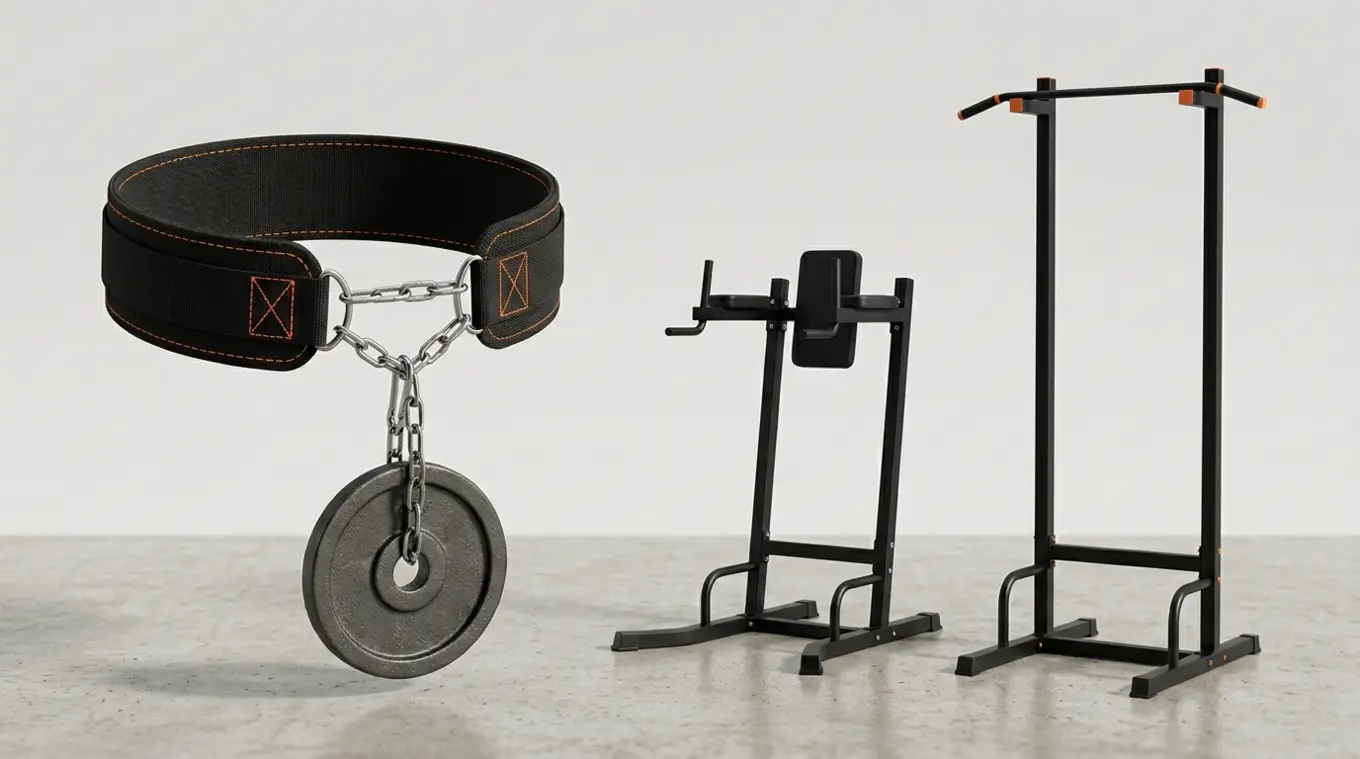
A dip belt is the first thing most people buy, and in my opinion that is the right move. For weighted pull ups and dips, a belt is usually more practical than a vest once the loads get heavy. It keeps the weight hanging lower, which often feels more natural and less restrictive for full range of motion.
When people search for the best dip belt or the best weight belt for pull ups, they usually focus on comfort first. That matters, but so do load capacity and how the weight hangs. A good belt should sit securely around the hips, avoid digging into your lower back, and use a strong strap or chain system with enough max weight capacity for long term progress.
In practice, I prefer a nylon dip belt for most training. It is lighter, dries faster, and tends to feel less stiff during higher frequency sessions. A leather dip belt can still be a great option if you like a firmer feel and extra structure, but some athletes find it less comfortable once the sessions get longer. If you want a clean all around option from a trusted calisthenics brand, the GORNATION Premium Dip Belt is one of the easier recommendations. It is well made, comfortable, and suitable for athletes who want dependable weighted calisthenics gear without overcomplicating the choice.
Just as important is knowing how to use a dip belt properly. If you are wondering how to load a dip belt, use compact plates and let them hang low enough that they do not interfere with your dip depth or pull up path. A longer strap often feels better than a short chain for streetlifting. If you want a deeper comparison, this guide on rope or chain for dip belt is worth reading before you buy dip belt options blindly.
A weight vest can still be useful, especially for push ups, step ups, or lighter weighted basics. GORNATION also offers a solid weighted vest option for athletes who want more versatility outside strict streetlifting movements. Still, for heavy pull ups and dips, the belt usually wins.
Pull-Up Bars and Dip Stations for Weighted Training
Your belt is only as useful as the station you attach your training to. For weighted pull ups, you need a pull up bar that feels rigid and gives enough clearance for plates to hang freely. Doorway bars can work for beginners, but once the weight climbs, most athletes are better off with a wall mounted bar, freestanding pull up station, or a strong outdoor setup.
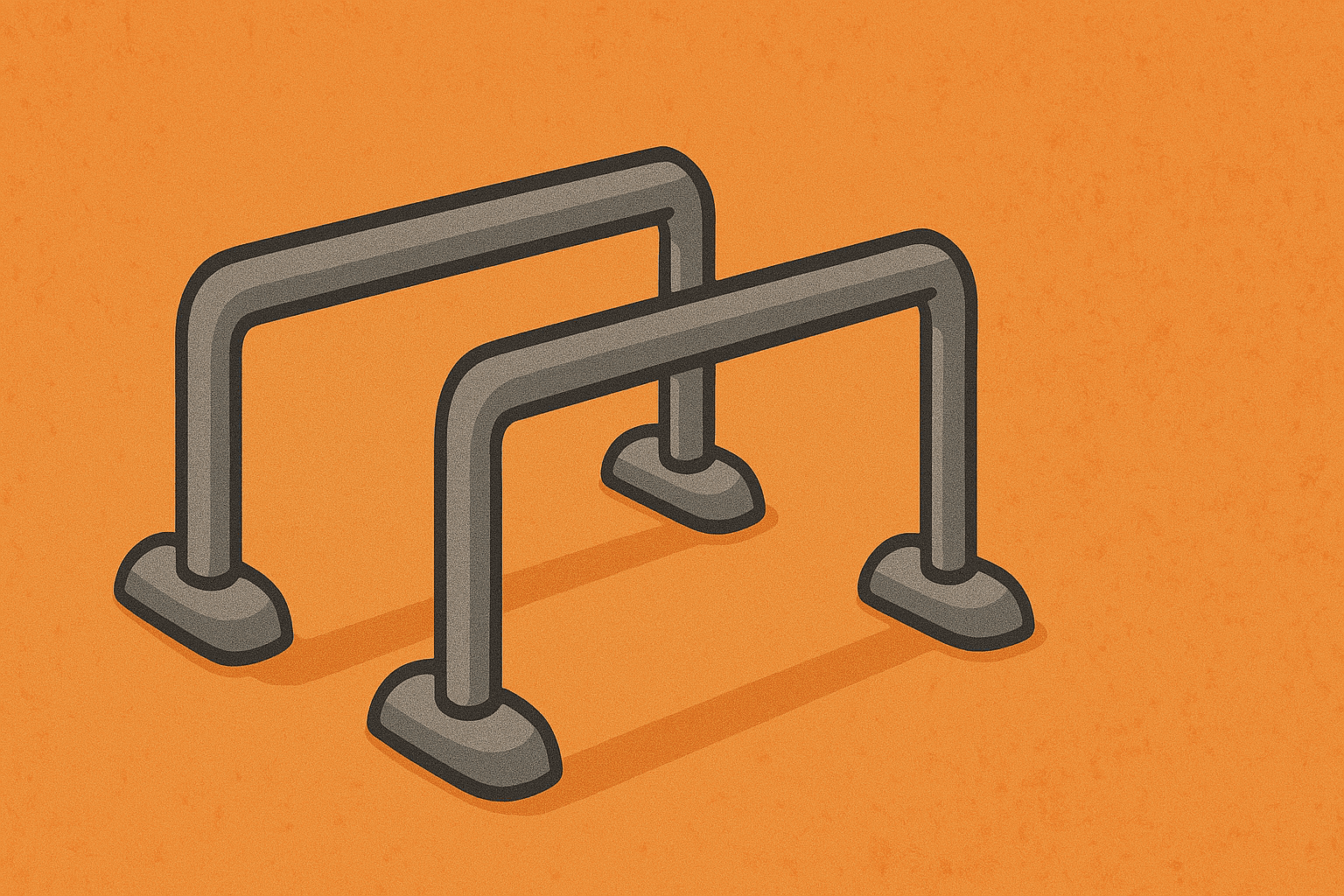
For dips, stability matters even more. A lot of cheap dip stations wobble once you start adding serious weight, and that affects confidence immediately. I always tell people to look at width, base design, grip thickness, and max weight capacity before anything else. If you want a dedicated recommendation, check this guide on the best dip station for calisthenics and streetlifting.
GORNATION dip bars and pull up equipment are a smart option if you want gear made specifically for calisthenics rather than generic home gym frames. That tends to show in the grip feel, dimensions, and overall training experience.
Squat Gear for Streetlifting
Barbell squats are part of formal streetlifting competition, which means squat-specific equipment is worth thinking about once you move toward competitive training. Most athletes start with what they already have, but a few targeted pieces can make a real difference.
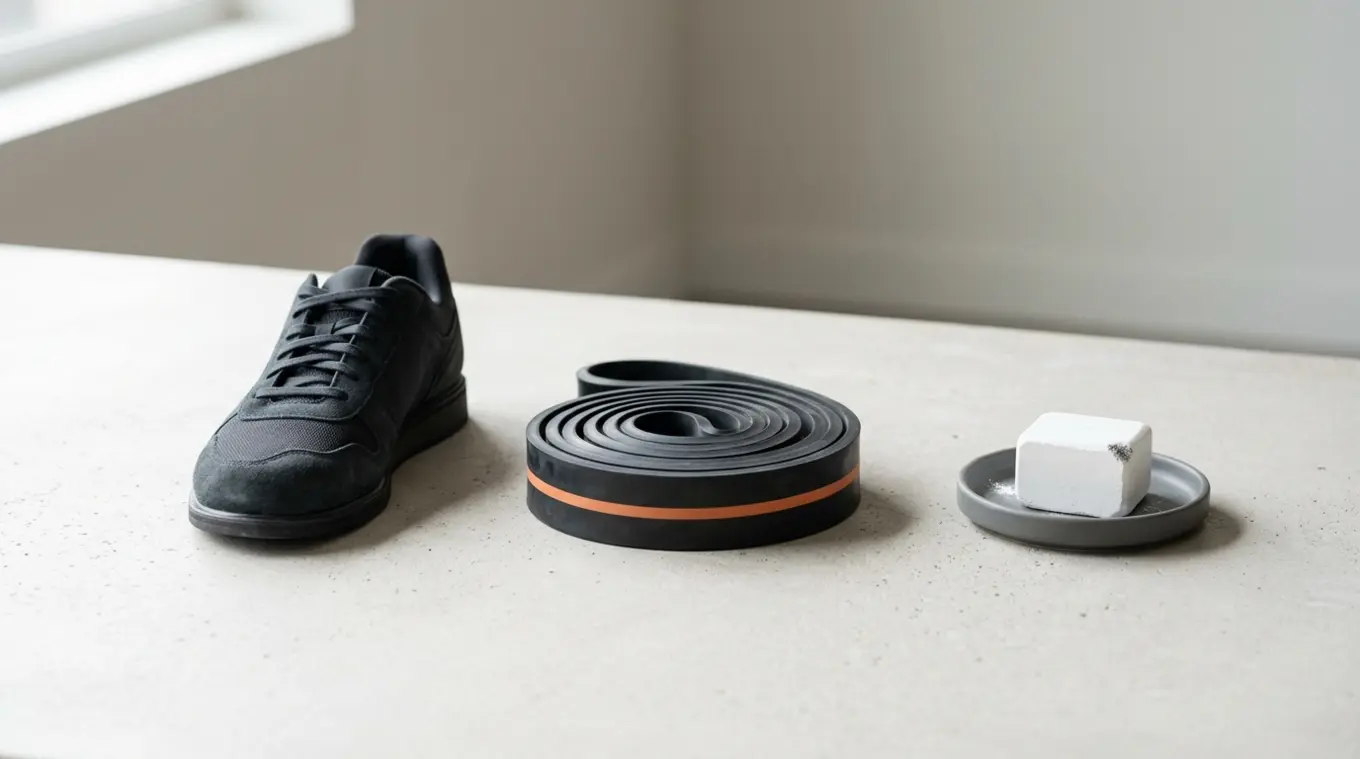
Footwear is one of the more overlooked variables. For squats, a firm and flat sole gives better ground contact than cushioned running shoes. Some athletes prefer a slight heel elevation, which can support squat depth and body position. A dedicated squat shoe or hard-soled training shoe is worth considering if heavy squats are part of your regular program.
Knee sleeves are a practical upgrade for heavy squat work. They function similarly to elbow sleeves for dips, adding compression, warmth, and some joint support during the lift. If you are already using elbow sleeves for weighted dips, adding knee sleeves for squats follows the same logic.
A standard weightlifting belt, separate from your dip belt, is commonly used by athletes who squat heavy. It helps support intra-abdominal pressure and can improve consistency under load. This is most relevant for competition preparation or max effort squat sessions rather than everyday volume work.
Useful Accessories for Weighted Calisthenics
Once the basics are covered, accessories start making a real difference. They are not always the first thing to buy, but they can improve performance and help you stay healthy enough to keep progressing.
Elbow sleeves are one of the first accessories I recommend for athletes who dip heavy more than once a week. They keep the joint warm, add compression, and can reduce irritation during hard sessions. There is also a clear difference between softer training sleeves and stiffer competition style models. If you are training for comfort and consistency, choose a more flexible pair. If you care about one rep max performance and competition carryover, stiffer sleeves can help more.
| Equipment | Why it matters | Best for | Priority |
|---|---|---|---|
| Dip belt | Safely adds heavy load for pull ups and dips | Almost every streetlifter | Buy first |
| Pull-up bar | Needs rigidity and clearance for hanging plates | Weighted pull-up training | Essential |
| Dip station or dip bars | Stable base improves confidence and safety under load | Weighted dips | Essential |
| Loading plates | Compact plates make belt loading easier and more comfortable | Progressive overload | Essential |
| Weighted vest | Useful for lighter basics and general versatility | Push ups, step ups, lighter work | Optional |
| Elbow sleeves and wrist wraps | Improve support, warmth, and comfort in heavy sessions | Intermediate to advanced athletes | Useful upgrade |
| Squat shoes and knee sleeves | Improve squat position, ground contact, and joint support under heavy load | Competition preparation and heavy squat training | Useful upgrade |
| Resistance bands and chalk | Help with warm ups, prep, grip, and technique work | All levels | Useful upgrade |
Wrist wraps are another simple upgrade that many athletes underestimate. In weighted dips especially, wrist position affects force transfer and comfort more than most beginners expect. A good wrap gives support without making your setup feel awkward. There is a reason serious streetlifters almost always use them once the loads get challenging.
Then you have support tools like resistance bands, chalk, and even shoes. Resistance bands are useful for warm ups, shoulder prep, and technique work. Chalk helps on high volume pulling sessions or humid training days. Shoes matter more for squats and for athletes who want consistent foot pressure in all movements. GORNATION has strong options here too, especially for bands, wraps, and other practical accessories that fit well into weighted calisthenics gear lists.
How to Choose the Right Streetlifting Gear for Your Level
If you are a beginner, do not buy everything at once. Start with the gear that removes the biggest training limitation. For most people, that means a dip belt and a stable place to do pull ups and dips. If your current setup feels shaky or uncomfortable, that is the first bottleneck to solve.
Intermediate athletes usually benefit most from upgrading quality rather than quantity. This is where details like load capacity, padding, bar diameter, and material choice start to matter more. A cheap belt might be fine at 25 pounds, but not at 90 plus pounds when you are training hard every week.
Advanced athletes or anyone considering competition should pay attention to equipment standards, especially around belts and sleeves. In organized streetlifting, some competitions use licensed or approved equipment categories to keep conditions more consistent. Even if you do not compete yet, training with competition style gear can make the transition easier later.
I also think comfort should be judged under real training conditions, not just by product photos. The best streetlifting equipment is gear you can trust during top sets when fatigue kicks in. That is where build quality becomes obvious.
Our Top Picks: Best Streetlifting Equipment Right Now
If I were putting together a practical streetlifting setup for the average athlete, this is where I would begin.
For the best dip belt category, a quality nylon dip belt is the safest recommendation for most people. It is comfortable, durable, and easier to live with in regular training. The GORNATION Premium Dip Belt stands out here because it balances comfort, build quality, and ease of loading very well. If your goal is to buy a dip belt once and use it for years, this is the type of product worth looking at.
For bars and stations, choose a pull up bar or dip station with a clearly stated max weight capacity and a stable base. This matters more than flashy design. If you train at home, prioritize rigidity and enough clearance for hanging plates. If you train outdoors, corrosion resistance and grip texture matter more.
For accessories, elbow sleeves and wrist wraps are the best next upgrades. They are especially useful if your elbows or wrists get irritated after heavy sessions. Resistance bands are also high value because they help with warm ups, mobility, and technique work without costing much.
If you are also building a broader setup beyond strict streetlifting, this page on best weighted calisthenics equipment is a good next read.
Final Thoughts: What to Buy First
If you want a simple answer, buy a solid dip belt first. It gives you the biggest jump in training options for weighted pull ups and dips, and it is usually the best value purchase in all of streetlifting equipment. After that, make sure your pull up bar and dip station are stable enough for real loading. Then add accessories like elbow sleeves, wrist wraps, and bands based on your weak points.
From experience, the athletes who progress best are usually not the ones with the most gear. They are the ones with a few dependable pieces they use consistently. So keep it simple, choose quality, and build your setup around the lifts you actually want to improve. That is the smartest way to find the best streetlifting equipment for your level and your budget.
Conclusion
The best streetlifting equipment is not about buying the most expensive setup. It is about choosing gear that matches your training level, supports safe progress, and holds up when the weight gets serious. For most people, that starts with a strong dip belt, a stable pull up and dip setup, and a few smart accessories like sleeves or wraps. If you want reliable gear from a brand that understands calisthenics, GORNATION is a very solid place to start. Buy the essentials first, train consistently, and upgrade only when your progress actually demands it.
Frequently Asked Questions
What is the most important piece of streetlifting equipment to buy first?
For most athletes, the first purchase should be a dip belt. It opens the door to weighted pull ups and dips, which are the foundation of streetlifting. If your bar or dip station is unstable, fix that too, but the belt is usually the best first upgrade.
What is the difference between a nylon dip belt and a leather dip belt?
A nylon dip belt is usually lighter, more flexible, and more comfortable for frequent training. A leather dip belt feels firmer and more structured, which some athletes prefer. For most people, nylon is the more practical choice for regular weighted calisthenics training.
How do you load a dip belt correctly?
Thread the strap or chain through the center of your plate and secure it evenly so the weight hangs low and centered. The goal is to keep the plates from hitting your body during dips or pull ups. Compact plates and enough strap length make a big difference.
Do I need elbow sleeves and wrist wraps for streetlifting?
Not at the start, but they become very useful once loads increase. Elbow sleeves help with warmth, compression, and comfort during heavy dips. Wrist wraps support joint position and can make weighted dips feel more stable, especially during lower rep strength work.
Is competition approved equipment necessary for normal training?
No, not unless you plan to compete soon. For regular training, comfort, durability, and stability matter more. Still, using competition style belts or sleeves can be helpful if you want your training setup to feel similar to what you will use on meet day later on.