Streetlifting is what happens when classic calisthenics meets a clean, numbers driven competition format. You take familiar moves like the pull up and dip, add external weight, and chase a strict one rep max under judging standards. In this article I will walk you through how a streetlifting meet is structured, what the rulebook usually cares about, how weight classes work, and what to train if you want to compete. I will also share the most common mistakes I see beginners make and how to avoid them.
What streetlifting competition actually tests
The four lifts and the goal
A streetlifting: weighted calisthenics competition is typically a strength quad: muscle up, pull up, dip, and squat. Your score is the total of your best successful lift in each movement. What I like about this format is its simplicity. You are not trying to look flashy, you are trying to move the most added weight with clean technique.
- Muscle up: strict transition and lockout standards matter a lot
- Pull up: full hang to chin clearly over the bar, no half reps
- Dip: controlled depth, full lockout, no bouncing
- Squat: competition depth and stable unrack, depending on the federation
Attempts, judging, and why standards feel strict
Most meets give you three attempts per lift. Judges look for clear start and end positions and will often use commands or signals. A lift usually counts when at least two of three judges approve it. The strictness is not there to ruin your day. It is what makes totals comparable across events, years, and weight classes.
Organizations, rulebooks, and where competitions happen
Local branches and global platforms
Streetlifting is growing because it is community driven. Some countries have strong national structures with local branches that host meets and support athletes. On the international side, platforms like FinalRep have pushed standardized event formats, judge education, and consistent rulebooks. If you are new, my advice is simple: pick one rulebook for your season and train to that standard. Switching standards mid prep is a sneaky way to lose kilos on the platform.
What a meet day feels like
Many events run as a one day or two day schedule with weigh ins, attempts ordered by weight, and live rankings. Expect a focused vibe: athletes warming up, handlers loading plates, and judges watching every rep. If you tend to rush, build a calm routine. A proper warm up matters more than hype. If you want a practical template, this guide is worth using: how to warm up for calisthenics training.
Weight classes and fairness
Why classes exist
Streetlifting separates athletes by sex and bodyweight class, so a lighter athlete can compete fairly without needing heavyweight totals. Class lists differ slightly by federation, but commonly you will see multiple men’s classes from around 66 kg up to 101 kg plus, and women’s classes from around 52 kg up to 70 kg plus. If you are close to a class limit, do not crash diet for your first meet. A strong, well fed total beats a stressful cut most of the time.
How to start training for your first streetlifting meet
Build clean reps before chasing max weight
If your bodyweight pull ups and dips are inconsistent, adding plates will just magnify the problem. I would rather see you own the basics first. For pull up technique and consistency, this is a solid reference: how to do a pull up with perfect form.
- Train each competition lift 1 to 2 times per week
- Keep most work in low rep sets with perfect control
- Practice pauses and full lockouts so judging feels normal
- Test heavy singles only when you are fresh and stable
Equipment that actually helps, without overcomplicating it
You do not need a fancy setup, but you do need reliable loading. A good dip belt makes weighted pull ups and dips safer and more repeatable than improvised straps. If you want one piece that makes training feel “competition ready”, the Gornation dip belt is a sensible choice because it is built for stable loading and quick changes. For grip and consistency on the bar, a small amount of chalk is often the difference between a confident single and a missed attempt. Gornation liquid chalk is a simple, low hassle option that keeps your hands dry.
Common mistakes I see in streetlifting prep
Most missed lifts are not about strength, they are about choices. The good news is you can fix these quickly.
- Opening too heavy and wasting attempts early
- Training ugly reps and hoping judges will “let it slide”
- Ignoring the squat until the last weeks of the cycle
- Changing technique every session instead of locking it in
Veelgestelde vragen
What is Streetlifting: weighted calisthenics competition in simple terms?
Streetlifting: weighted calisthenics competition is a strength sport where you add external weight to calisthenics lifts and compete for a one rep max total. Most formats use four movements: muscle up, pull up, dip, and squat. You usually get three attempts per lift, and your best successful attempts make your final score.
Do I need to do a muscle up to compete?
In many All4 formats, yes, the muscle up is one of the four scored lifts. Some events also offer classic categories that focus on pull up and dip, but it depends on the organizer and rulebook. If muscle ups are your weak point, start by improving strict pull ups and deep dips first.
How do judges decide if a rep counts?
Judges look for clear start and finish positions, control, and the required range of motion. Meets often use commands or signals so everyone follows the same timing. Usually, two out of three judges must approve the attempt. Training with full hangs, real depth, and stable lockouts is the best way to avoid surprises.
What equipment do I need to train for a streetlifting meet?
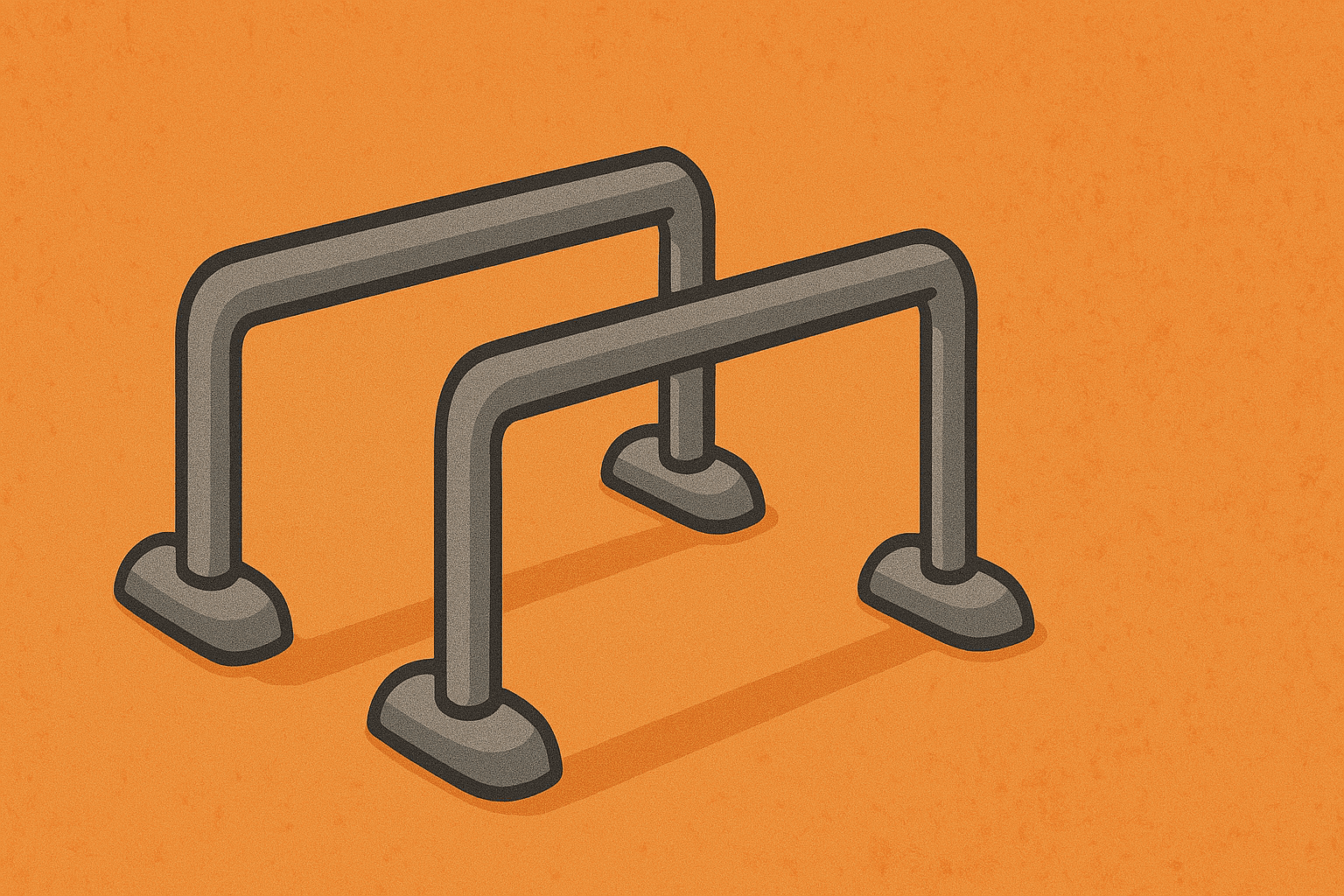
At minimum you need a pull up bar, dip bars, weight plates, and a sturdy way to attach weight, usually a dip belt. If the competition includes squats, you also need access to a barbell and rack. Many athletes train the upper body lifts at a calisthenics park and squat in a gym.
How do I choose my attempt numbers on meet day?
Pick an opener you can hit even on a mediocre day, then build from there. A practical approach is: opener at a confident weight, second attempt near your recent best, third attempt based on how the second felt. In streetlifting: weighted calisthenics competition, a safe total often beats one risky “hero” attempt that fails.
Streetlifting is a straightforward, satisfying way to test real strength: clean reps, added weight, and a total you can track over time. If you want to compete, focus on consistent technique first, learn the rulebook you will be judged by, and keep your attempt selection realistic. Do that, and your first meet will feel less like a gamble and more like a well prepared performance.