If you are working on handstands, you quickly learn that your wrists and balance are usually the limiting factors, not your motivation. Handstand blocks solve both problems in a simple way: they give you a consistent surface, a bit of extra height, and often a more comfortable wrist angle. In this guide I will help you pick the best handstand blocks for calisthenics based on shape, material, stability, and what level you train at. I will also show you how I use blocks in real sessions, what to avoid, and when other tools like parallettes make more sense.
Why handstand blocks are worth it
Less wrist irritation, more quality reps
The biggest practical benefit is that blocks change how load travels through your hand and wrist. On the floor, your wrist is forced into a deep bend. On blocks, the pressure often feels more spread out and easier to tolerate, especially if you do higher weekly volume.
That matters because handstands improve through consistent practice. If your wrists get cranky after ten minutes, your technique work ends right when it becomes productive.
Better feedback for balance and hand position
Blocks give you clearer feedback. A stable, slightly raised surface makes it easier to feel where your weight is, so you can correct faster. Many athletes also notice they become more aware of hand placement and shoulder position because the blocks punish sloppy shifting.
- Consistency: same feel on different floors
- Control: easier to notice small balance errors
- Confidence: less fear of wrist discomfort reduces hesitation
- Carryover: improved hand pressure control translates to floor handstands
What makes the best handstand blocks for calisthenics
Shape: square, rounded, or angled
If you want the simplest rule: square blocks are the most forgiving, rounded blocks are the most demanding, and angled or curved blocks are about comfort and wrist angle.
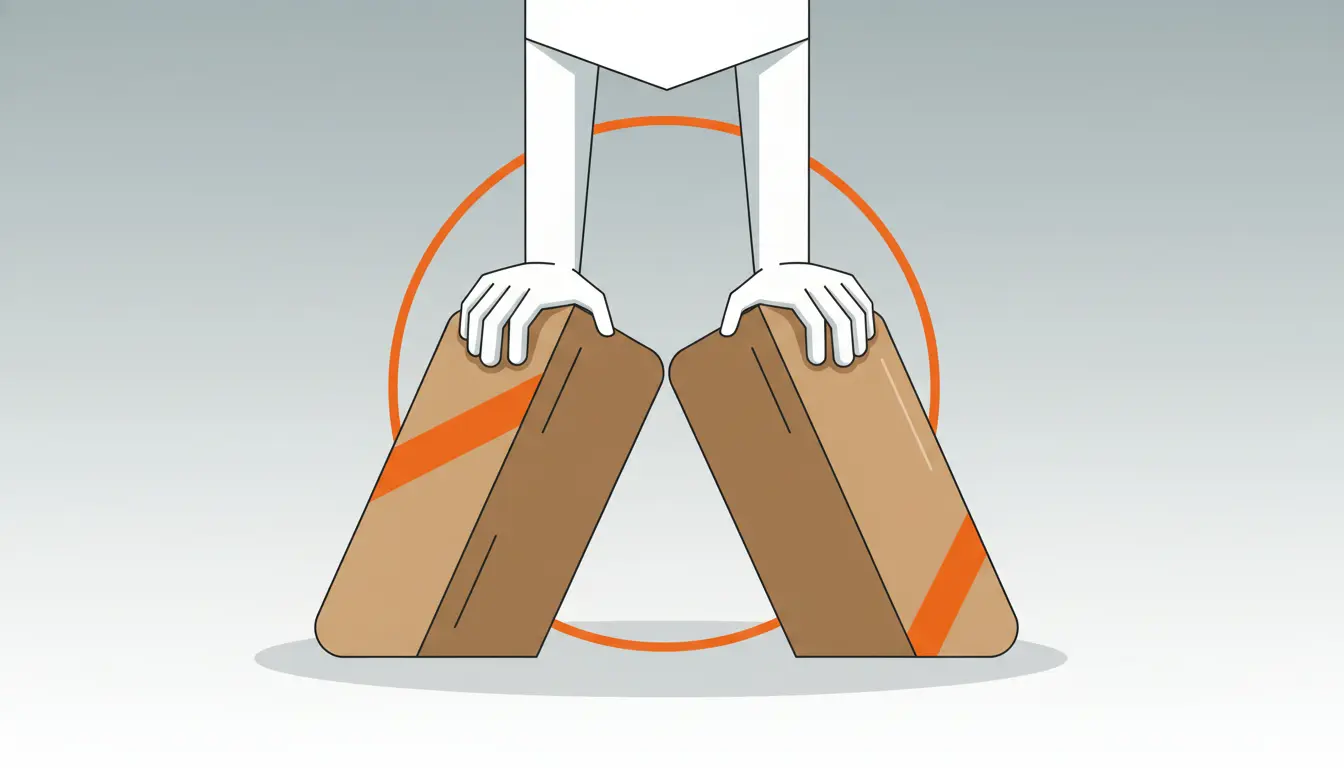
Square blocks are usually the best starting point. You get a generous surface for the palm, and the edge helps you feel where you are drifting. Rounded blocks add instability and can be useful later, but they can also turn a normal handstand session into a grip and balance fight.
Angled or curved blocks can reduce the wrist bend. I like them as an occasional tool when wrists feel overloaded, but I would not rely on them every session because you still want strong, adaptable wrists over time.
Material: wood vs plastic
Wood is the classic choice for a reason. It feels “alive” in the hand, usually grips well without being sticky, and holds up for years if it is well made. Plastic can be lighter and cheaper, but it often sacrifices that natural grip feel and can slide on some surfaces.
For calisthenics, I generally prefer wooden handstand blocks with a quality finish and some form of non slip base. It is the difference between focusing on balance and constantly checking if the blocks are creeping away.
Base grip and stability
Stability is not just the top surface. Look for a bottom that does not slide on wood, rubber gym floors, or concrete. A full non slip coating tends to feel more secure than tiny feet, especially if you sweat or train outside.
Size and height: don’t overcomplicate it
Most athletes do well with a block that comfortably fits the palm with a little room to spare. Too small and you will grip with your fingers all the time. Too big and you lose the “precision” benefit that makes blocks great for handstand control.
- Choose a size that lets your palm feel supported without hanging off the edges.
- Pick moderate height for general training, not the tallest option.
- Prioritize a stable base over extra elevation.
My picks: two solid options (and who they are for)
Option 1: GORNATION Handstand Blocks for most athletes
If you want one safe, no drama choice, the GORNATION Handstand Blocks are the pair I would point most beginners and intermediates to. The simple rectangular shape is stable, the wood feels premium, and the non slip underside is the kind of detail that actually changes how relaxed you can be in a hold.
I also like that they are versatile. You can use them for handstands, but also for deeper range push ups, L sit variations, and general support work when you want a neutral wrist. If you are also working on compression strength, my L sit guide can help you build a cleaner midline: https://calisthenics-equipment.com/how-to-train-the-l-sit/.
Option 2: GORNATION Parallettes if your wrists need a bigger break
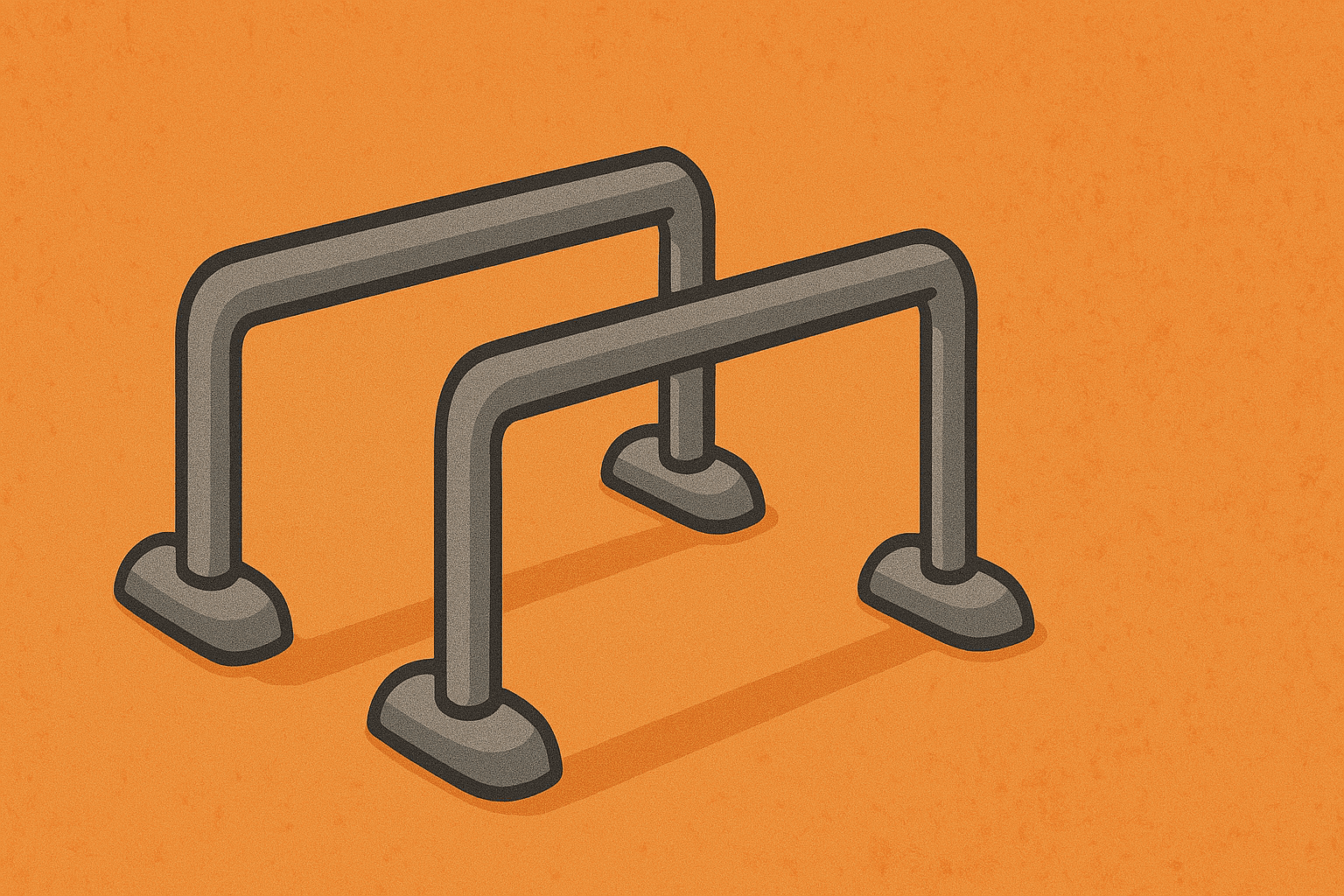
This article is about blocks, but here is my honest take: if your wrists get irritated fast, parallettes can be the better “first buy” because they put the wrist in a more neutral position than the floor. For handstand practice, that can mean longer sessions with better quality.
If you want to compare options, check this guide: https://calisthenics-equipment.com/best-parallettes-for-calisthenics/. I still like blocks for precision and carryover to floor work, but parallettes are hard to beat for comfort and general pushing strength.
How to use handstand blocks in your training
Beginner block session (20 to 30 minutes)
The goal is to build comfort upside down while learning to shift weight calmly. Do not chase max holds every time. Chase clean positions.
- Warm up: wrist circles, gentle palm pulses, scapula shrugs in plank
- Wall holds on blocks: 4 to 6 sets of 20 to 40 seconds
- Toe pulls from wall: 6 to 10 controlled reps total
- Cool down: forearm stretch and light finger extension work
Intermediate block session (skill and control focus)
Once you can hold a stable wall handstand, blocks become a great tool for skill. The trick is to keep the session structured so you do not just “kick up and hope.”
- Freestanding entries: 8 to 12 attempts, stop before form collapses
- Shoulder elevation drill: 3 sets of 6 to 10 reps (shrug tall while staying stacked)
- Block walks: 3 to 5 sets of 10 to 20 seconds, slow and quiet
Block walks are underrated. They teach you to shift weight while staying tall through the shoulders, which is exactly the feeling you need later for more advanced shapes and one arm handstand progressions.
Common mistakes I see (and how to fix them)
Most problems are not about the blocks. They are about how people use them.
- Death gripping: relax the fingers, keep pressure mainly through the palm and base of the fingers
- Collapsed shoulders: think “push the floor away” and stay tall
- Rushed kick ups: make each entry the drill, not just a way to get upside down
- Only training on the same tool: rotate floor, blocks, and sometimes parallettes
Blocks vs other handstand equipment
Blocks vs a handstand board
A board is mainly about giving you a consistent, hard surface when the ground is soft. Blocks are more about wrist comfort and balance feedback. If you train outdoors on grass or sand, a board can be the difference between “I can balance” and “my fingers sink and nothing works.”
Blocks vs canes
Handstand canes are basically blocks on sticks and they are a very specific tool. They shine for certain shapes and one arm work, but they also raise the stakes because falls can be awkward. I prefer blocks as a stepping stone: build control first, then decide if canes match your goals.
If you are curious about the broader landscape, this overview is a good reference: https://calisthenics-equipment.com/best-handstand-equipment/.
Buying checklist: quick decisions that prevent regret
If you are stuck between options, run through this list and you will usually land on the right pair.
- Stability first: non slip base, solid build, no wobble
- Shape: square for learning, rounded only if you want extra challenge
- Comfort: smooth edges, pleasant finish, no sharp corners
- Training goal: blocks for precision, parallettes for comfort and volume
- Surface: if you train outside, prioritize grip underneath
Veelgestelde vragen
What are the best handstand blocks for calisthenics if I am a beginner?
For most beginners, the best handstand blocks for calisthenics are stable square wooden blocks with a non slip base. They give you clear feedback without turning the session into a balance circus. Start with wall holds and controlled toe pulls before chasing long freestanding holds.
Do handstand blocks reduce wrist pain?
They can reduce discomfort by changing the wrist angle and spreading pressure differently than the floor. That said, wrist issues usually come from too much volume, poor warm up, or collapsing into the wrist. Use blocks as a tool, but still build wrist strength gradually and vary your surfaces.
Are wooden blocks better than plastic blocks?
In my experience, wooden blocks often feel more secure and comfortable because the grip is more natural and the blocks tend to be heavier and more stable. Plastic can work fine for light home training, but if you sweat or train outside, wood with a good finish and non slip base is usually the safer bet.
Should I use curved or angled blocks all the time?
I would not. Curved blocks can be useful when your wrists feel overloaded, because they often reduce the depth of wrist extension. But if you always avoid the normal hand position, your wrists may not adapt as well. Use them occasionally, not as a permanent replacement for floor work.
Can I learn a one arm handstand with handstand blocks?
Blocks can help because they teach precise weight shifts and make drills like block walks easier to set up. They also encourage strong shoulder elevation and clean alignment. They are not magic, but they are a practical stepping stone before more specialized tools like canes, especially for intermediates.
If you want the simplest takeaway: the best handstand blocks for calisthenics are the ones that feel stable, stay put on the floor, and match your current level. Square wooden blocks are the most useful all round option for balance, wrist comfort, and carryover to floor handstands. Use them to get more high quality practice, not to chase harder variations too early. If you keep your sessions structured and rotate surfaces, blocks will help you progress faster while keeping your wrists happier along the way.