If you can hold a decent wall handstand but freestanding still feels like a coin flip, handstand canes can be a real turning point. They give you a higher, grippier hand position and a little bit of natural “sway” that teaches you to balance instead of just muscling through. In this guide, I’ll break down what makes the best handstand canes, who they’re actually for, and which features matter (and which are just marketing). I’ll also share a practical buying checklist and a simple progression plan so you can use canes without getting overwhelmed.
What handstand canes are (and why they feel different)
Canes vs floor, blocks, and parallettes
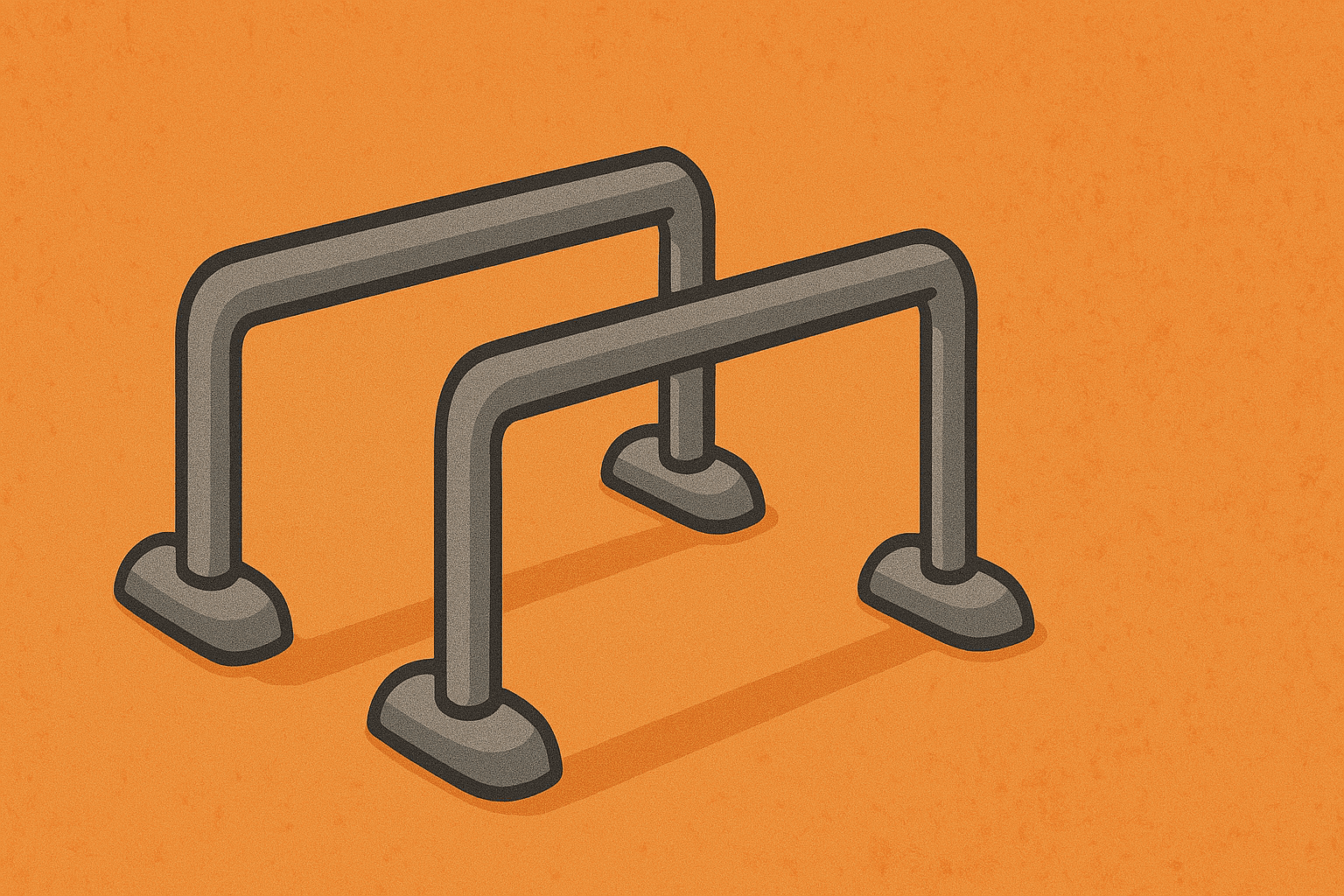
Handstand canes are basically handstand blocks on posts, mounted on a stable base. That height changes the whole experience. Compared to the floor, you usually get better grip, less wrist compression, and clearer feedback when you shift your weight.
Compared to blocks, canes add height and a bit more movement. That small “give” is a big reason advanced athletes like them, because it teaches micro corrections similar to a freestanding handstand. Compared to parallettes, canes are more specific to handbalancing. Parallettes are great, but they can feel more rigid and “locked in” depending on the model.
Who should use canes
I’m a fan of canes for intermediates and up: people who can kick up with control and can already stack shoulders over hands most of the time. If you’re still building your basic line, start with the floor, a wall, or low parallettes first. If you want a structured path, this handstand tutorial is a solid baseline: https://calisthenics-equipment.com/learn-how-to-do-a-handstand/.
How to choose the best handstand canes
Base stability and floor grip
The base is where “good” becomes “safe.” Look for a base that is wide enough to resist tipping, with non slip feet or a grippy bottom. On smooth floors, even a good base can slide if dust builds up, so plan to wipe the floor and the base regularly. I also prefer bases that sit flat without rocking. If it rocks unloaded, it will annoy you every single session.
Handle shape and surface
The handle should feel secure without forcing a weird wrist angle. Most people do well with a slightly rounded or gently beveled edge that doesn’t bite into the palm. A smooth but not glossy finish is ideal. Too slick and you’ll over squeeze. Too rough and your skin will hate you before your balance improves.
Height options and adjustability
Adjustable canes make progressions simpler because you can start low and increase height as your confidence improves. Fixed height canes can be fantastic too, but they’re less forgiving if you buy the wrong height for your current level. If you share equipment with someone, adjustability becomes even more valuable.
Spacing: can you set them to your shoulders?
Spacing is underrated. If the canes are too narrow, your shoulders will feel cramped and you’ll compensate with rib flare. If they’re too wide, you’ll lose your strongest pushing position. The best setups let you match your natural handstand hand placement. As a quick reference, most athletes land somewhere around shoulder width, but your “best” width is the one that lets you push tall with relaxed neck and straight elbows.
Materials, durability, and maintenance
Wood handles feel great and are easy on the hands, but you need to keep them away from moisture. Metal parts should feel solid, with clean connections and no play. If the system uses screw threads, you want threads that tighten smoothly and don’t wobble. Also, choose something you’ll actually store properly; leaving canes in a damp garage is the fastest way to ruin nice wood.
My honest take on popular types of handstand canes
Adjustable “3 in 1” style canes
These are usually the most practical choice for most people training at home. The big upside is obvious: multiple heights help you build confidence without changing equipment. They’re also great for drills like toe pulls, chest to wall line work, and press mechanics where you don’t want full height yet.
The tradeoff is that adjustable systems often feel a bit more rigid than performance style canes with more flex. That’s not a deal breaker. For skill building, consistency matters more than “circus feel.” If you’re the type who likes step by step progressions, adjustable canes are hard to beat.
Performance oriented pro canes
Pro canes are built for stability under bigger skills and for a specific feel. Many advanced artists like a bit of controlled flex because it gives you a larger window to correct balance. In practice, that can make holds feel “easier” once you’re used to it, but it’s not magic. You still need clean alignment and strong shoulder elevation.
If your goal is one arm work, long holds, or performance style training, pro canes can be worth the price. If your goal is simply a clean 20 to 40 second freestanding handstand, you might not need a top end pro kit right away.
Two equipment picks that make sense (and why)
GORNATION Parallettes for base handstand volume
I know this article is about the best handstand canes, but here’s the honest truth: canes are not where I’d do all my volume. For higher rep practice, I like using GORNATION Parallettes because they reduce wrist extension and let you train more often without feeling beat up. They’re also great for handstand push up progressions if you’re going that direction.
If you want a specific handstand push up path, this guide pairs well with parallettes work: https://calisthenics-equipment.com/how-to-do-handstand-push-ups/.
GORNATION Wrist Wraps for comfort and consistency
When people blame their canes for discomfort, it’s often a wrist capacity issue rather than an equipment issue. GORNATION Wrist Wraps can help you stay consistent, especially on higher volume weeks. I don’t see them as a shortcut, just a way to keep training quality high when your wrists are a bit sensitive.
How to train on handstand canes without wasting months
Step 1: Build clean entries and exits
Most “bad cane sessions” start before you’re even upside down. Practice controlled kick ups where you can step down safely. Keep your shoulders active and think “push tall” the whole time. If you’re training at home, put the base on a flat surface and consider using a mat around the area for peace of mind.
Step 2: Short holds with perfect shapes
A lot of athletes chase long holds too early and end up practicing sloppy positions. On canes, I prefer sets of 5 to 15 seconds where you focus on a straight line, ribs down, and steady breathing. Rest enough that each attempt is crisp.
- 5 to 8 attempts of 5 to 15 seconds
- Stop a set if your shoulders start collapsing
- Film one or two sets to check your line
- Finish with easy wall or floor balance work
Step 3: Add one drill at a time
Once holds feel stable, add a single drill and keep it simple. Canes are great for controlled weight shifts and for learning to “float” a hand without panicking. The goal is confidence and precision, not randomness.
- Toe pulls to find the stack
- Small shoulder taps with tiny weight shifts
- Slow negative from tuck to straddle
- Press patterning from a small pike
Mistakes I see all the time (and quick fixes)
Buying canes too early
If you can’t yet hold a stable wall handstand with shoulders elevated, canes will feel like chaos. Fix: spend a few weeks on the basics first. You’ll progress faster and enjoy the canes more when you come back.
Ignoring spacing and hand position
If your wrists or shoulders feel “off,” check spacing before blaming your mobility. Fix: match your natural hand placement, then keep your grip light. Over gripping makes balancing harder.
Using canes only for max attempts
Canes are a skill tool, not just a party trick. Fix: treat them like practice, with planned sets, rest, and one goal per session. Your nervous system learns from quality reps, not from chaos.
Veelgestelde vragen
What are the best handstand canes for beginners?
For most beginners, the best choice is actually not canes yet. Start with the floor, wall drills, or low parallettes to build alignment and shoulder strength. If you still want canes, choose an adjustable set so you can start low and keep the practice controlled and safe.
Are adjustable handstand canes worth it?
Yes, in many cases. Adjustable canes let you progress height gradually, which is useful for press drills and confidence building. They also help if multiple people use the same setup. The main downside is they can feel a bit more rigid than performance canes, but that rarely limits skill progress.
Do handstand canes reduce wrist pain?
They can help because your wrists are often in less extreme extension compared to the floor, and the handles can spread pressure more comfortably. That said, pain is not something to push through. If discomfort persists, reduce volume, check technique, and consider wrist support or easier variations.
How much ceiling height do I need for handstand canes?
Most people do fine with a standard home ceiling if the canes are low to mid height, but it depends on your height, arm length, and how high the canes are. As a simple rule, aim for enough space to kick up without bending knees or clipping the ceiling, ideally around 8 to 10 feet.
Can I learn a one arm handstand faster with the best handstand canes?
Canes can make one arm drills feel more approachable because the handles give clear grip and feedback during weight shifts. But they don’t replace the fundamentals: stacked alignment, strong shoulder elevation, and patient progressions. Use canes for structured shifting drills, not as a shortcut to skipping basics.
The best handstand canes are the ones that match your level and make practice more consistent: stable base, grippy contact, comfortable handles, and sensible spacing. If you’re intermediate and you train regularly, canes are genuinely worth trying because they teach balance in a way the floor sometimes doesn’t. Keep your sessions simple, prioritize clean entries and short high quality holds, and add drills slowly. Do that, and canes become more than a cool gadget; they become a reliable tool for stronger, calmer handstands.