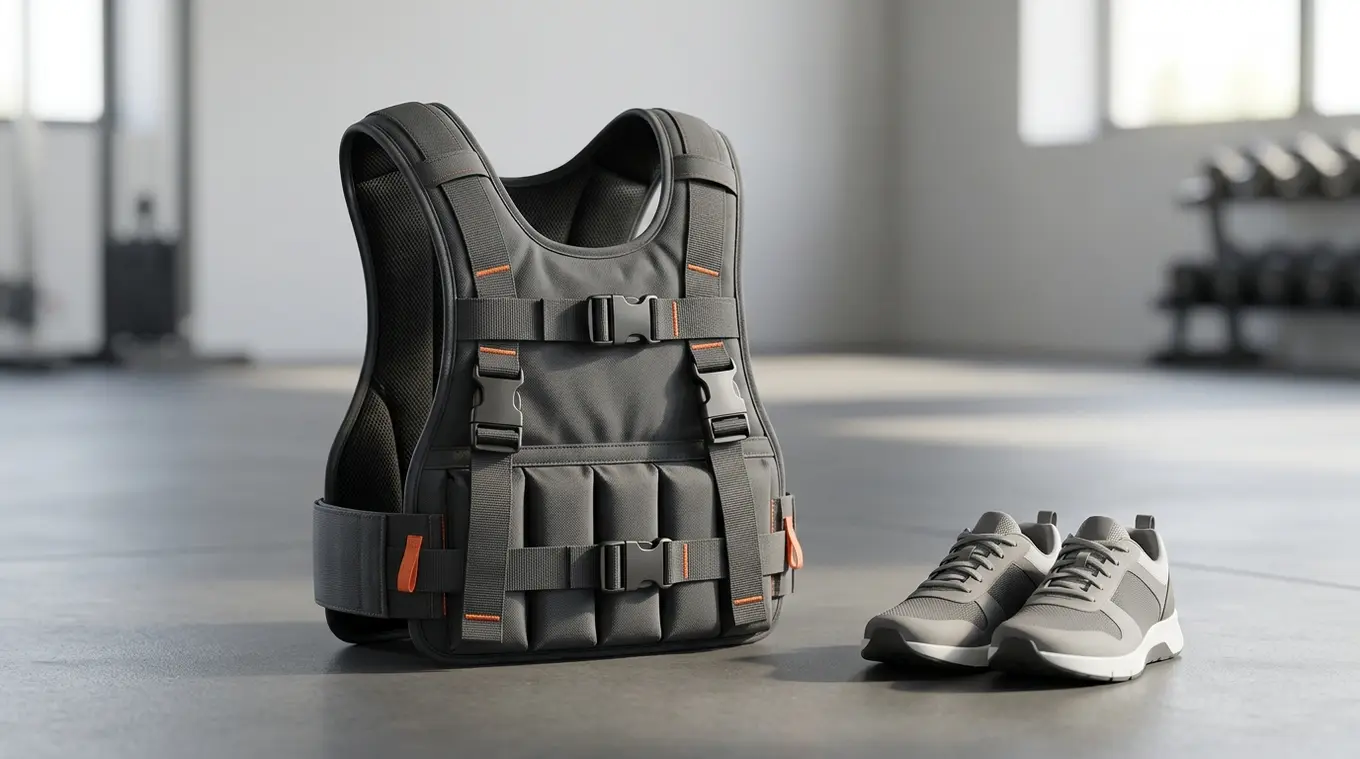
You have probably seen people wearing weighted vests on walks, at the gym, or during push ups and pull ups, and maybe you have wondered if they really do anything useful. That is a fair question. Some people swear by them for fat loss, strength, and posture, while others call them overhyped. In my experience, weighted vests can be very effective, but only when you use them for the right goal. In this article, I will break down what a weighted vest actually does, where it helps, where it falls short, and whether it is worth your money if you train calisthenics or just want to get fitter.
What Does a Weighted Vest Actually Do?
A weighted vest adds load to your body without changing your basic movement pattern too much. That means walking, climbing stairs, push ups, squats, step ups, and some calisthenics exercises instantly become harder because you are moving more total weight.
If you are asking do weighted vests work, the honest answer is yes, but not in the magical way social media often suggests. They work by increasing training demand. Your heart works a bit harder, your legs and trunk have to stabilize more, and bodyweight movements become more challenging. That can improve conditioning and make certain exercises more productive.
What a vest does not do is automatically build serious muscle, melt fat, or guarantee stronger bones just because you wear it. The effect depends on the load, the exercise, your current fitness level, and how consistently you use it.
For calisthenics, the appeal is obvious. A vest lets you overload movements without needing a barbell or a machine. I have used weighted vests for pull ups, dips, push ups, split squats, and even controlled walks after training. For the right athlete, that is very practical.
If you are still deciding between tools, our guide on dip belt vs weighted vest helps you see which option fits your training style better.
The Real Benefits of Using a Weighted Vest
Weighted vests do have benefits. The key is understanding which benefits are realistic and which ones are oversold.
Benefits for Calisthenics and Bodyweight Training
For calisthenics athletes, a weighted vest can be one of the simplest ways to add progressive overload. If normal push ups, squats, lunges, or pull ups feel too easy, extra load gives you a reason to adapt. This is especially useful when your goal is strength endurance or when you do not want plates hanging from a dip belt.
I especially like weighted vests for push ups, bodyweight squats, step ups, and some pull up variations. The load stays close to your center of mass, so movement feels more natural than many beginners expect. For outdoor sessions, that convenience matters a lot.
If your main focus is weighted calisthenics, a vest can also be a smart second tool next to a dip belt. A dip belt is often better for heavy pull ups and dips, but a vest is more versatile for full workouts. If you want exercise ideas, see best weight vest exercises.
For people who want a product recommendation, Gornation is one of the more relevant names to look at in this space. Their gear is generally designed with calisthenics athletes in mind, so if you want a vest for bodyweight training instead of casual walking, that is a better direction than buying the cheapest generic option. Fit, comfort, and minimal bounce matter more than most people think.
Benefits for Everyday Use and General Fitness
For general fitness, the main benefit is that a vest can raise the difficulty of simple movement. That is why people ask things like do weighted vests burn more calories and do weighted vests help you lose weight. Technically, yes, carrying extra mass increases energy demand. Walking with a weighted vest can be more demanding on your cardiovascular system than walking at the same pace without one, because your body has to do more work.
That said, the calorie effect is often exaggerated. A light vest will not suddenly turn a regular neighborhood walk into a dramatic fat loss tool. It may help a little, especially over time, but it is not a shortcut. I would treat it as a small upgrade to an already solid routine, not the foundation of a weight loss plan.
Some people also look into a weighted vest for bone density and ask do weighted vests improve bone health. This is where nuance matters. Extra load may increase skeletal loading somewhat, but current evidence is not strong enough to say a weighted vest is a proven standalone solution for bone health. Traditional resistance training is still the more reliable choice if improving strength and preserving bone mass is your main goal.
If you simply want to make walking a little more demanding, then is a weighted vest good for walking can be answered with a cautious yes. It can be useful for some people, especially if it motivates them to move more. Just keep expectations realistic.
The Downsides You Should Know About
Weighted vests are not useless, but they are not risk-free either. When people ask are weighted vests safe, my answer is usually yes for healthy people using appropriate loads, but only if the vest fits well and the exercise choice makes sense.
The biggest issue is usually too much weight too soon. Poorly fitted vests can bounce, dig into the shoulders, and change your posture. That can make walking awkward and can irritate your neck, lower back, knees, or ankles. These are the most common weighted vest risks I see in practice.
| Goal | Worth it? | Why |
|---|---|---|
| Calisthenics and bodyweight progression | Yes | Useful for adding practical overload to push ups, squats, lunges, step ups, and some pull up or dip variations. |
| Walking and general conditioning | Sometimes | Can make walks more demanding and raise energy output slightly, but the effect is modest. |
| Fat loss | Usually not on its own | Helps a little with calorie burn, but nutrition and consistent training matter far more. |
| Bone health | Not as a main strategy | Extra loading may help somewhat, but resistance training remains the more reliable option. |
| Heavy weighted pull ups and dips | Sometimes | A dip belt is often the better first tool when loads get heavy. |
| Beginners with weak movement basics | Usually no | Most beginners benefit more from improving technique, consistency, and basic strength first. |
Another downside is false expectation. A lot of people buy a vest because they think it will replace proper strength training. It usually will not. If your goal is bigger muscles, stronger bones, or major body composition change, a vest alone is not the best investment.
I also would not recommend heavy vest walking for beginners with joint pain, significant excess body weight, or poor movement mechanics. In those cases, even regular walking, incline walking, cycling, or simple bodyweight training may be a better starting point.
And from a calisthenics perspective, a vest is not ideal for every movement. Once the load gets heavy, pull ups and dips often feel better with a dip belt because the weight hangs more naturally. That is why the best setup depends on the exercise, not just the product.
Who Actually Needs a Weighted Vest?
Not everyone needs one, and that is important to say clearly.
A weighted vest makes the most sense for intermediate and advanced trainees who already have a routine and want a practical way to make bodyweight work harder. If you can already do solid sets of push ups, pull ups, dips, lunges, and squats, a vest can help extend progress without changing your whole training setup.
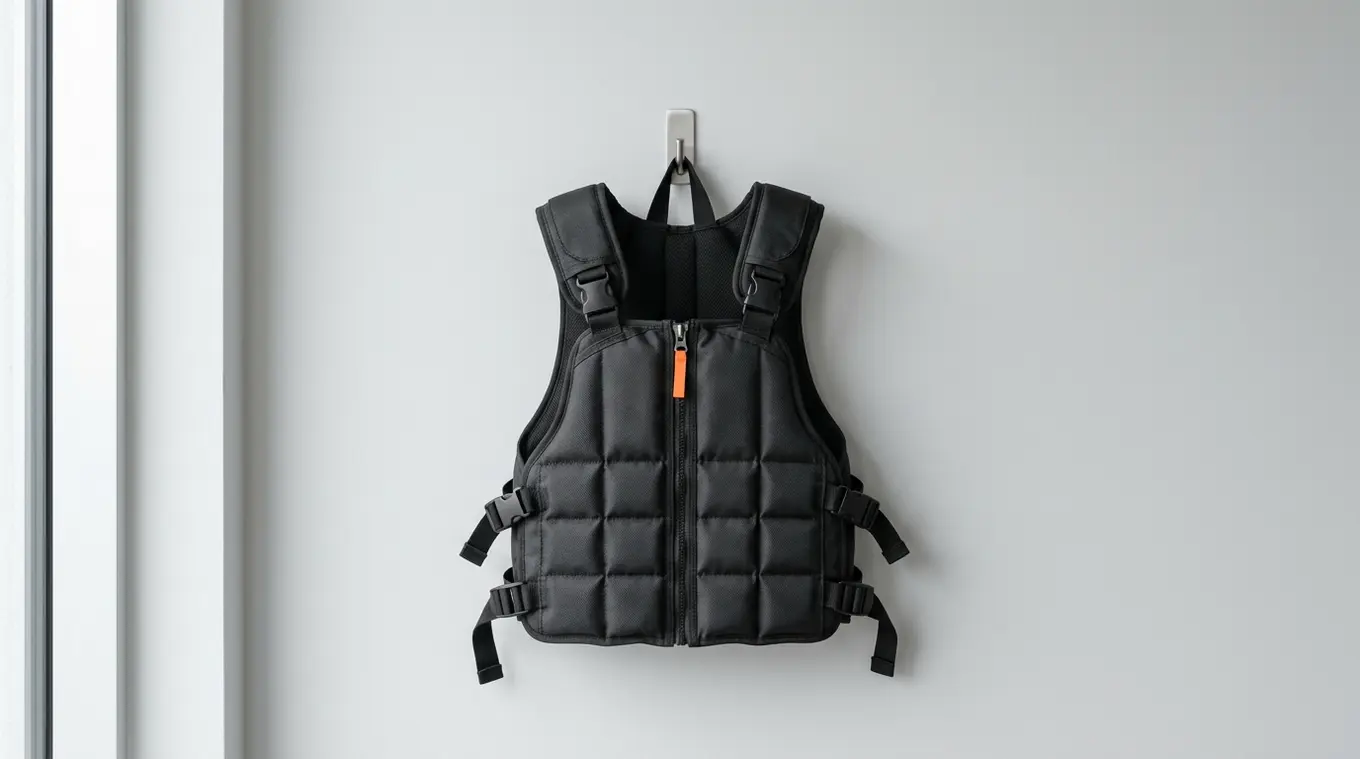
It can also suit people who enjoy rucking-style walks or want a more demanding conditioning session without jogging. In that case, the best weighted vest for walking is usually one that is comfortable, stable, and adjustable rather than extremely heavy.
For beginners, I would usually say no, at least not right away. Most people get more value by first mastering basic movements. If push ups are still shaky, or if bodyweight squats leave you breathless, adding external load is not the priority. You will likely get faster progress from improving technique and consistency first. Our guides on how to train push ups and bodyweight basics can help more than buying gear too early.
If your goal is specifically heavy weighted pull ups and dips, a vest might still not be your first purchase. In that case, a dip belt is often the better tool. If your goal is versatile home workouts, circuits, and loaded bodyweight training, then a vest becomes much more appealing.
How Heavy Should Your Weighted Vest Be?
This is a question most people have before buying, and it is rarely answered clearly. The short answer: start lighter than you think you need to.
For walking and general conditioning, a relatively light vest is usually enough to notice a difference. There is no need to go extremely heavy. The goal is to increase effort over time, not to max out the load on day one.
For calisthenics, the right weight depends entirely on the exercise and your current strength level. If you can comfortably complete clean sets of push ups or bodyweight squats, a modest amount of added load is a reasonable starting point. For pull ups and dips, even a small vest can make a significant difference, so be conservative when adding load to those movements.
The key principle is that the load should challenge you without breaking your movement quality. If your form deteriorates, your posture shifts noticeably, or you feel discomfort in your joints, the vest is too heavy for that exercise at that point. Progress the load the same way you would progress any other training variable: gradually and with intention. More weight is not automatically better. A well-chosen lighter load used consistently will almost always beat an overly heavy vest used poorly. If you are still deciding which vest to buy, our guide on how to choose a weightvest covers the key features, fit, and options. Once you own one, our how to use a weight vest guide walks through safe load selection and calisthenics-friendly exercises.
Are Weighted Vests Worth the Money?
So, are weighted vests worth it? My honest answer is this: they are worth it for the right person, but not for everyone.
If you already train consistently and want a versatile tool for calisthenics, circuits, and loaded bodyweight work, a weighted vest can absolutely be a smart buy. It makes many exercises harder, saves time, and works well at home or outdoors. In that case, the best weighted vest is one that fits tightly, spreads weight well, and does not move around when you jump, push, or pull.
If your main reason is fat loss alone, I would be more cautious. Yes, it can help you burn a few more calories. Yes, walking with a weighted vest benefits conditioning and effort level. But no, it is not a game changer compared with dialing in nutrition, step count, and regular training.
If your main reason is bone health, I would also be careful about marketing claims. Some people search for weighted vest for bone density because it sounds promising, especially for aging adults. But the stronger evidence still favors structured resistance training and impact-appropriate exercise over simply wearing a vest.
For calisthenics athletes, I see the most value when a vest is used intentionally. Use it to progress push ups, squats, lunges, step ups, and some pull up or dip variations. Use it because it fits your training, not because it is trending. That is the difference between a good purchase and an impulse buy.
If you want a vest that is more aligned with bodyweight training, Gornation is one of the brands I would naturally look at first. Their products tend to match what calisthenics athletes actually need: comfort, freedom of movement, and practical training use instead of hype.
Final Verdict
Weighted vests are neither useless nor magical. They do work, but mostly as a practical overload tool for walking, conditioning, and bodyweight training. They can help you burn a bit more energy and make familiar exercises more challenging, but they are not the best answer for every goal. If you are already training and want more resistance without a full gym setup, a weighted vest can be worth it. If you are chasing fast fat loss, major muscle gain, or guaranteed bone benefits, your money may be better spent elsewhere. Buy one if it clearly fits your training, not just because it is popular.
Frequently Asked Questions
Do weighted vests help you lose weight?
Weighted vests can slightly increase calorie burn because your body has to move more total weight. That said, the effect is usually modest unless the load is quite heavy. They can support a weight loss routine, but they are not a substitute for nutrition, regular activity, and strength training.
Are weighted vests safe for daily walking?
For many healthy adults, yes, a light and well-fitted vest can be safe for walking. Start conservatively and pay attention to joint comfort, posture, and breathing. If you have back, knee, or ankle issues, it is smarter to check with a qualified professional before using one regularly.
Do weighted vests improve bone health?
They may increase loading on the body, but current evidence does not strongly support weighted vests as a proven standalone solution for better bone density. If bone health is your main goal, resistance training and other established weight-bearing exercise methods are still the more reliable option.
What is better for calisthenics, a weighted vest or a dip belt?
It depends on the exercise. A weighted vest is more versatile for push ups, squats, lunges, and full body circuits. A dip belt is often better for heavy pull ups and dips because the load hangs more naturally. Many experienced athletes eventually use both for different purposes.
What should I look for in the best weighted vest?
Look for secure fit, even weight distribution, enough adjustment options, and minimal bouncing during movement. Comfort matters more than people expect, especially for walking and higher rep calisthenics. If you train bodyweight seriously, choose a vest built for athletic movement rather than a cheap generic model.