If you can already knock out clean pull ups or dips and you feel like higher reps are no longer moving the needle, you have probably wondered whether a dip belt is actually worth buying. That is a very common point in calisthenics. You want more strength and muscle, but you also do not want to waste money on gear that ends up sitting in your gym bag. In this guide, I will explain what a dip belt is, what a dip belt does, who really benefits from one, and when a weight vest may be the better option. By the end, you should know exactly whether a dip belt fits your training.
What Is a Dip Belt and How Does It Work?
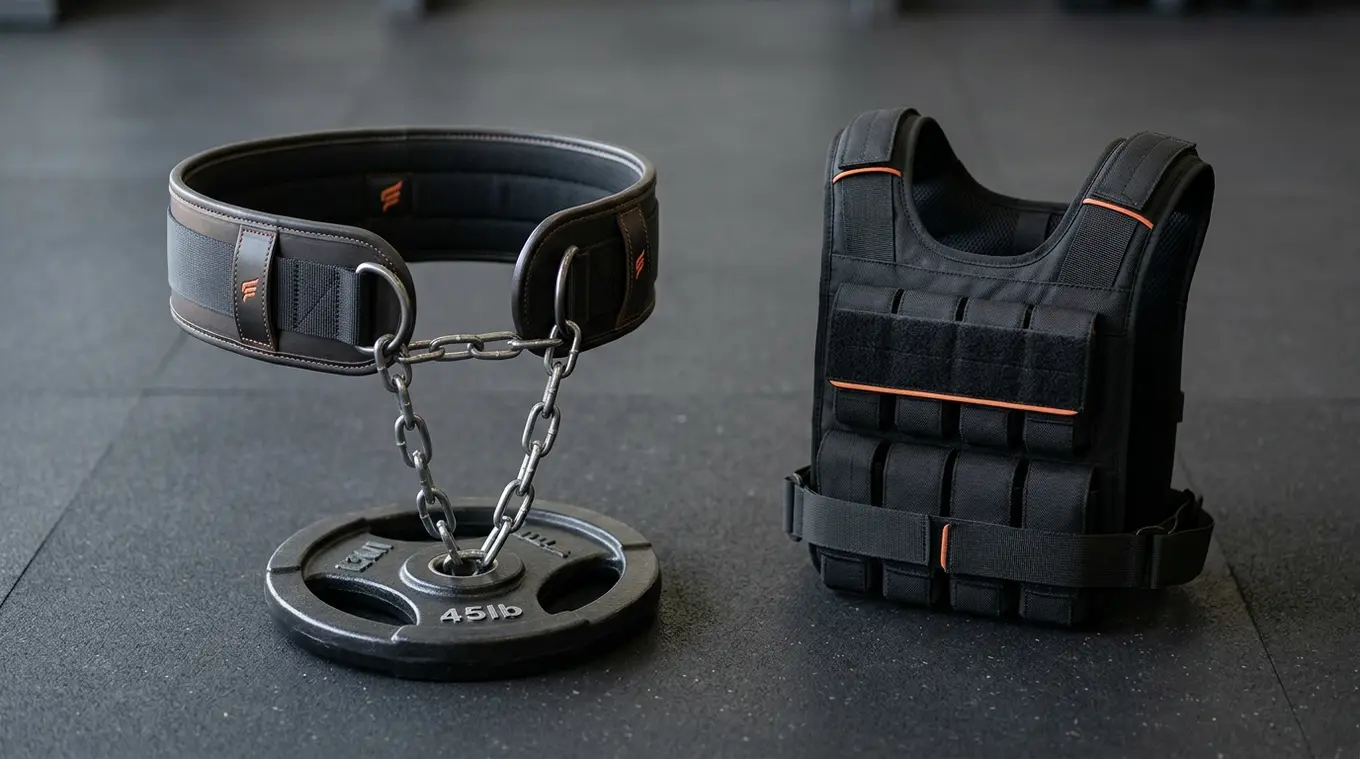
A dip belt is a belt worn around your waist with a chain or rope that lets you hang extra weight between your legs. Most people use it for dips, pull ups, chin ups, and sometimes muscle ups or belt squats. If you have ever asked what is a dip belt, the simple answer is that it is a tool for adding load to bodyweight exercises without putting the weight on your shoulders or torso.
The main reason people like it is that it keeps your upper body relatively free. That matters a lot once you start doing weighted dips with dip belt setups or heavy pull ups. Compared with holding a dumbbell between your feet, it feels more stable and much easier to progress with.
How a Dip Belt Attaches Weight
How to use a dip belt is straightforward. You wrap the belt around your hips, thread the chain or rope through a weight plate, and clip it back to the belt. The plate then hangs below you while you perform the exercise. That hanging position keeps the load close to your center of gravity, which often feels more natural than wearing the same load on your chest or back.
How to wear a dip belt also matters. You want it sitting securely around the waist or slightly above the hips, depending on the design. It should feel snug enough to stay in place, but not so tight that it digs into your sides before you even start the set.
Dip Belt vs. a Regular Lifting Belt
A regular lifting belt is made to brace your core during squats, deadlifts, and presses. A dip belt is made to suspend weight for bodyweight exercises. They are not interchangeable. A lifting belt does not safely hold plates below your body, and a dip belt does not give you the same support for heavy barbell work.
In other words, what does a dip belt do? It helps you load calisthenics movements progressively. It is a strength tool, not a bracing tool.
What Are Dip Belts Actually Used For?
Most people buy one for upper body strength, especially when bodyweight reps get too easy. In calisthenics and streetlifting, that usually means progressing from high rep bodyweight sets into lower rep weighted work.
Weighted Dips and Pull Ups
This is where a dip belt shines. Weighted dips with dip belt setups are one of the best ways to build pressing strength in the chest, shoulders, and triceps. Weighted pull ups and chin ups do the same for the back, biceps, and grip. If your form is already solid, adding external load is one of the clearest ways to keep progressing.
From my own training, this is exactly where a dip belt started making sense. Once I could do comfortable sets of pull ups and dips with clean technique, adding more reps helped a little, but adding weight helped a lot more. Strength gains felt more measurable, and programming became simpler.
If you are still building your base, start with good bodyweight technique first. For that, these guides can help: how to do a pull up with perfect form and how to do a bodyweight dip.
Other Exercises You Can Do with a Dip Belt
There are more exercises you can do with a dip belt than many people realize. Some athletes use it for weighted muscle ups, hanging leg raises, calf raises, or belt squats if they have the right setup. Belt squats can be useful if you want lower body work with less spinal loading, though this is less common in typical calisthenics routines.
Still, for most people, the real value comes from pull ups, chin ups, and dips. That is where a dip belt earns its place.
The Real Benefits of Using a Dip Belt
The biggest benefit is progressive overload. Once bodyweight becomes too easy, you need a practical way to make exercises harder. A dip belt lets you add five pounds, ten pounds, or more in a very precise way. That makes it easier to track progress week to week.
Another benefit is comfort during vertical pulling and dipping. In the dip belt vs weight vest discussion, this is one of the strongest arguments for the belt. A vest spreads weight over your torso, which is useful for many movements, but it can slightly change your pulling path on pull ups or make transitions more awkward on muscle ups. A dip belt leaves your chest and shoulders free, so the movement often feels more natural for heavier upper body work.
It is also usually more practical in a gym. You can throw the belt in your bag and use the gym’s plates instead of buying a heavy vest and carrying it around. For home gyms, the same logic applies if you already own plates.
And if you care about long term strength progress, a dip belt gives you room to grow. Many vests have a weight limit that serious weighted calisthenics athletes can reach sooner than expected. A good belt can keep working for years.
If you want a reliable option, the Gornation Premium Dip Belt is one of the better picks for calisthenics because it is built specifically for dips, pull ups, and heavy weighted work. If you are comparing attachment styles, this guide is useful: rope or chain for dip belt, what is best.
| Situation | Best choice | Why |
|---|---|---|
| You want stronger weighted pull ups and dips | Dip belt | Best for precise progressive overload and heavy upper body work |
| You want one tool for many bodyweight exercises | Weight vest | More versatile for push ups, lunges, step ups, and conditioning |
| You cannot yet do solid bodyweight reps | Wait | Focus on technique and base strength before adding external load |
| You train in a gym with plates available | Dip belt | Easy to use with existing plates and simple to progress |
| You train outdoors or with minimal equipment | Weight vest | More convenient when plates are not easily available |
How Much Weight Should You Start With on a Dip Belt?
This is one of the most practical questions once you have decided a dip belt is right for you. Even if you are strong at bodyweight, starting with a modest load is the sensible approach. A small plate, typically around 5 to 10 kilograms, is enough to feel the difference without compromising your form in the first few sessions.
From there, progress gradually. Only increase the load when you can complete your target reps with clean, controlled technique. Muscles tend to adapt faster than tendons and connective tissue, so rushing the weight early can lead to unnecessary strain, especially around the shoulders and elbows on weighted dips.
A straightforward method is to treat weighted dips and pull ups the same way you would any strength lift: add a small amount of weight, build consistency at that load, then move up. That keeps progress measurable and reduces the risk of getting set back before you have had a chance to build real momentum.
The Downsides: When a Dip Belt Is Not Worth It
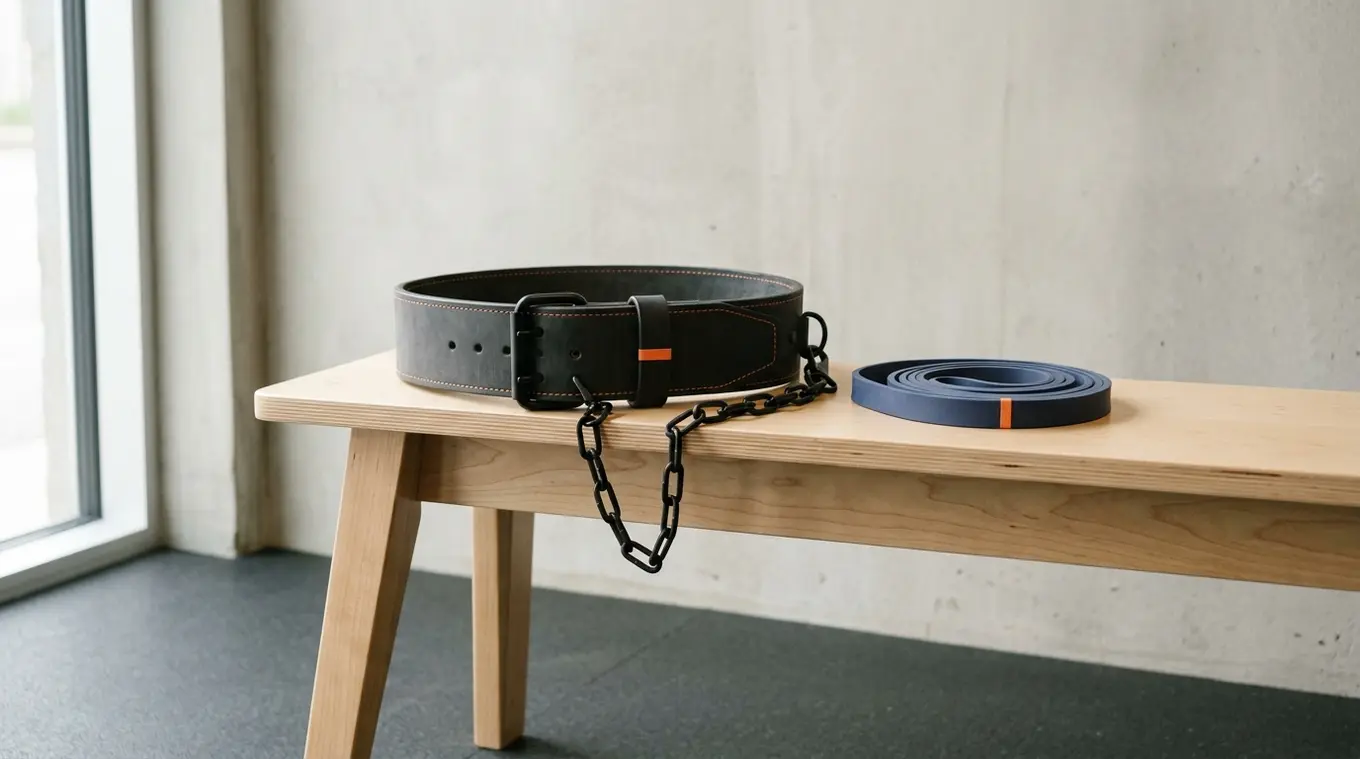
Dip belts are not automatically the right choice for everyone. If you cannot yet do solid bodyweight dips or pull ups, you probably do not need one now. At that stage, your money is often better spent on basics like resistance bands, a good pull up bar, or simply more training consistency.
Another downside is that you need access to weights. In a commercial gym, that is easy. In a park or minimalist home setup, it can be less convenient. A weight vest can be simpler if you train outdoors and want one tool for many movements.
There is also a learning curve. A cheap belt can swing, pinch, or feel awkward. Heavy plates can bump around between your legs if the setup is poor. This is why buying the cheapest random model often ends up being false economy.
So, are dip belts worth it for beginners? Usually not right away. Is a dip belt worth buying for an intermediate or advanced athlete focused on weighted pull ups and dips? Much more often, yes.
Who Should Buy a Dip Belt (and Who Should Wait)?
You should seriously consider a dip belt if you can already perform multiple clean reps of dips and pull ups, your bodyweight training has stalled, and you want more strength or muscle. It is especially useful for calisthenics athletes, streetlifting athletes, and anyone training weighted basics with structure.
You should probably wait if you are still working toward your first few reps, if your technique breaks down quickly, or if your training is more general fitness than strength progression. In that case, a vest may be more versatile, especially if you also do push ups, lunges, step ups, and conditioning circuits. If you want a fuller comparison, read dip belt vs weight vest.
A simple rule I like is this: if your goal is stronger pull ups and dips, buy a dip belt. If your goal is general bodyweight loading across many exercises, look at a vest first.
What to Look for in a Good Dip Belt
The best dip belt should feel secure, comfortable, and easy to load. Strong materials matter because this is not gear you want failing under heavy weight. Look for durable stitching, solid metal hardware, and a design that sits well on the hips without cutting in.
Attachment style is another key point. Rope styles often feel lighter and give a bit more freedom of movement. Chain styles feel traditional and can be easier for very straightforward loading. There is no universal winner, but your preference and training style matter.
Length also matters. Too short and loading plates becomes annoying. Too long and the weight may hang awkwardly. Good adjustability is a plus, especially if you train with different plate sizes.
Comfort should not be ignored either. A belt can be strong on paper and still feel terrible in use. Wider back support and a shape that follows the body usually help. If you are looking for the best dip belt 2026 or simply the best dip belt for regular calisthenics use, I would prioritize build quality and comfort over gimmicks every time.
For many athletes, Gornation is a solid option because the brand is deeply focused on calisthenics equipment rather than generic gym gear. That usually shows in the small details that matter in actual training.
Our Verdict: Are Dip Belts Worth It?
Yes, dip belts are worth it if you are past the beginner stage and want a simple, proven way to overload dips, pull ups, and chin ups. They are one of the most useful pieces of equipment for serious weighted calisthenics. They make progression more measurable, usually feel better than improvised loading methods, and often outperform a vest for heavy upper body work.
That said, they are not essential on day one. If you still need to master the basics, focus there first. A dip belt becomes valuable when your own bodyweight stops being enough resistance.
If your training is centered on weighted pull ups, weighted dips, or streetlifting, I would call a dip belt one of the smartest gear purchases you can make. If your training is broader and you want one tool for many movements, compare it carefully with a weighted vest. But for targeted upper body strength, the dip belt wins more often than not.
If you are asking are dip belts worth it, the honest answer is that it depends on where you are in training. For beginners, probably not yet. For anyone who already owns bodyweight dips and pull ups and wants a clear next step, a dip belt is absolutely worth considering. It is simple, effective, easy to progress with, and usually more practical for heavy upper body work than a vest. If that sounds like your training right now, a quality model such as the Gornation Premium Dip Belt is a very sensible buy.
Frequently Asked Questions
Are dip belts better than weight vests for pull ups?
For heavy pull ups, many athletes prefer a dip belt because the weight hangs below the body instead of sitting on the torso. That often keeps the movement path more natural. In the dip belt vs weighted vest for pull ups comparison, the belt usually wins for max strength, while the vest is more versatile overall.
When should I start using a dip belt?
A good time to start is when you can do controlled bodyweight dips and pull ups for several solid reps and want more overload. If you are still chasing your first reps or your technique is inconsistent, build that base first before adding extra weight.
What exercises can you do with a dip belt?
The most common exercises you can do with a dip belt are weighted dips, pull ups, chin ups, and sometimes muscle ups. Some people also use it for belt squats, hanging leg raises, or calf raises. In practice, upper body pulling and dipping are where it provides the most value.
How do you wear a dip belt correctly?
Place the belt around your waist or upper hips, thread the chain or rope through a plate, and clip it securely. The weight should hang freely between your legs. Make sure the belt feels stable before starting. Learning how to wear a dip belt properly helps reduce swinging and improves comfort.
What is the best dip belt for calisthenics?
The best dip belt is one that feels comfortable under load, uses strong materials, and makes loading easy. For calisthenics, models built specifically for pull ups and dips tend to perform better than generic gym belts. A well made option from a specialized brand like Gornation is a strong choice for most athletes.