If you have been looking at gym rings and wondering whether they are actually worth buying, you are not alone. A lot of people want simple equipment that helps them get stronger at home, in the garage, or at the park without wasting money on gear they barely use. Gym rings look minimal, but they can do a lot when they fit your goals and your space. In this article, I will break down the real benefits of gymnastic rings, who should use them, when they are not the best choice, and what to know before you buy your first pair.
What Are Gymnastic Rings and Why Do People Use Them?
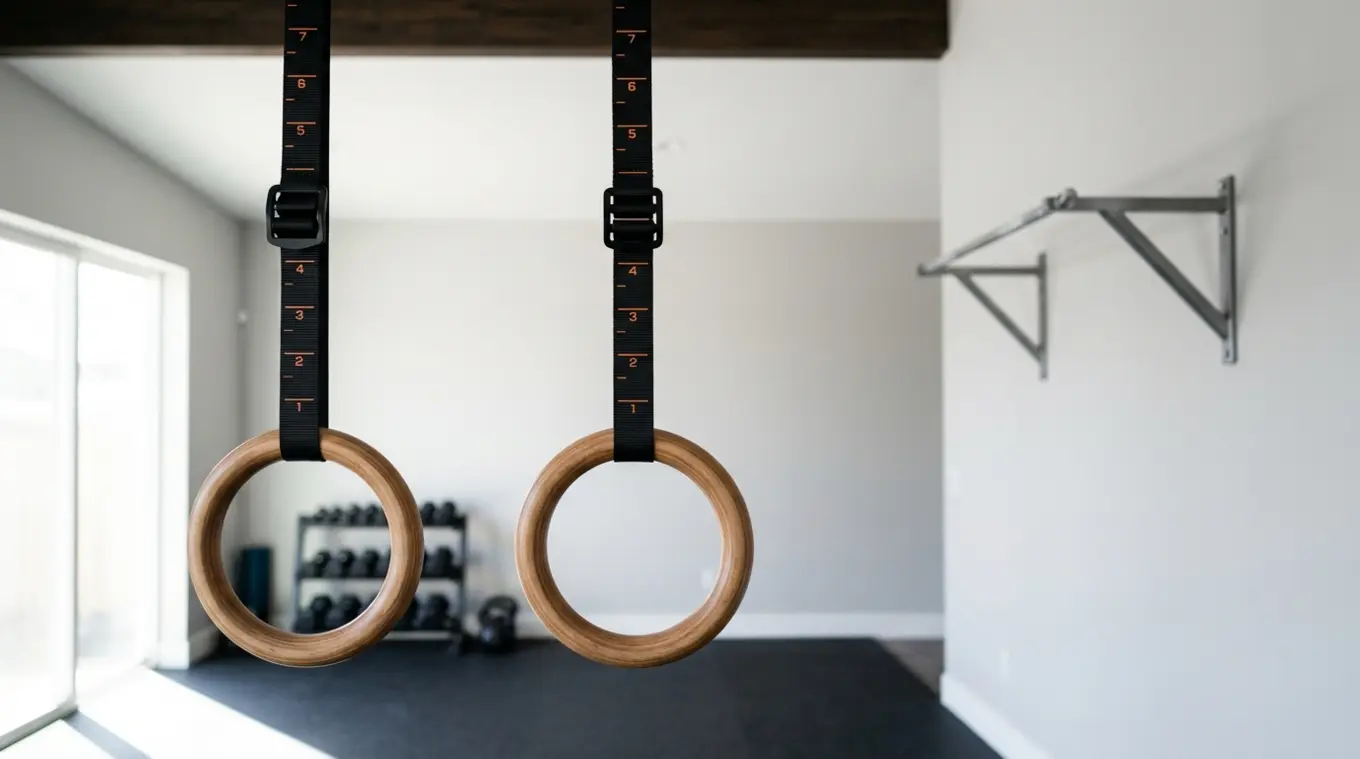
Gymnastic rings are two suspended rings attached to adjustable straps. You can hang them from a pull up bar, ceiling mount, outdoor bar, or sturdy tree branch. People use them for rows, push ups, dips, pull ups, support holds, and more advanced skills like ring muscle ups.
The reason this tool gets so much attention is simple. Rings turn basic bodyweight training into something more challenging and more versatile. Because the rings move freely, your shoulders, core, chest, back, and arms all have to work together. That is why many athletes ask, are gym rings worth it, even if they already own a pull up bar.
From my experience, rings are one of the few pieces of equipment that still feel useful from beginner level all the way to advanced calisthenics. You can make movements easier by adjusting the height, or harder by adding instability and range of motion.
The Real Benefits of Training With Gym Rings
Strength and Muscle Building
One of the biggest benefits of gymnastic rings is how much strength they build with relatively simple exercises. Ring push ups feel very different from floor push ups. Ring rows light up your upper back and biceps. Ring dips and pull ups demand much more control than bar versions.
This is where a lot of the gymnastic rings benefits come from. The instability is not just there to make things look fancy. It forces you to create tension, stabilize your shoulders, and move with better control. For many people, that means more muscle recruitment and better body awareness.
If your goal is upper body strength, joint stability, and solid carryover to calisthenics basics, rings are a strong investment. They are also excellent if you want to progress toward movements like dips, L sits, and muscle ups. If that is your direction, it also helps to learn a few focused drills from guides like best ring exercises for calisthenics.
Versatility and Space Efficiency
Another reason people ask are gymnastic rings worth it is that they replace a surprising amount of equipment. Rings can work for pushing, pulling, core training, and skill practice. That makes them a smart option for a minimal home gym.
Compared with machines or larger stations, the gymnastic rings price range is usually very reasonable. Most decent options cost far less than a power tower or rack attachment. If you want something portable, this is one of the best choices available. You can train in a garage, backyard, or while traveling.
As for gymnastic rings at home setup, you do not need a huge dedicated room. In most cases, enough ceiling height to hang with bent knees or enough space under a pull up bar is fine for rows, push ups, and support work. If you are wondering how much space do you need for gymnastic rings, the answer depends on your exercise selection. Full hanging work needs more height, but many effective exercises work in smaller spaces too.
Who Are Gymnastic Rings Actually Good For?
Beginners: Should You Start With Rings?
Yes, in many cases. A common question is are gymnastic rings good for beginners. I would say yes, if you start with the right exercises. Beginners do not need to jump straight into ring dips or deep instability work. You can begin with ring rows, incline push ups, support holds with feet assisted, and controlled scapular work.
Rings reward patience. They can expose weak points quickly, especially around shoulder control and core tension. That may feel humbling at first, but it is also why progress on rings often carries over well to other bodyweight skills. If you are just building your foundation, a good pair of rings plus a simple push up and pull up plan can go a long way. For example, this guide on how to train push ups fits well alongside beginner ring work.
If you want a reliable product recommendation, Gornation Wooden Gym Rings are a solid pick for beginners and intermediate athletes. The straps are easy to adjust, the grip feels secure, and the overall finish is better than many cheaper options.
| Situation | Are gym rings worth it? | Why |
|---|---|---|
| Beginner in bodyweight training | Yes | Easy to scale with rows, incline push ups, and assisted holds |
| Home gym with limited space | Yes | Portable, compact, and highly versatile |
| Outdoor training | Yes | Simple to hang and useful for full body workouts |
| Need zero setup and maximum simplicity | Maybe not | Rings require a safe anchor point and some adjustment time |
| Mainly barbell or machine focused training | Maybe not | They may add little if bodyweight work is not a priority |
| Want long term calisthenics progress | Yes | Excellent carryover to dips, pull ups, L sits, and muscle up progressions |
Home Gym Users and Outdoor Athletes
Who should use gymnastic rings most? In my opinion, they are ideal for home gym users, outdoor athletes, and anyone who wants maximum training value from one simple tool. If you train in a garage, basement, backyard, or local park, rings make a lot of sense.
They are especially attractive if you are comparing gymnastic rings vs pull up bar. A pull up bar is still great, but rings give you more exercise variety and usually feel better on the wrists and shoulders because your hands can rotate naturally. When people compare gymnastic rings vs trx, rings usually win for long term strength progress because they allow harder bodyweight movements and a more direct path into calisthenics skill training.
Honest Downsides: When Rings Might Not Be Worth It
Not everyone needs rings. If you mainly prefer barbell training, selectorized machines, or fast no-setup workouts, rings may end up collecting dust. They also require a safe anchor point, and that is the part some people underestimate.
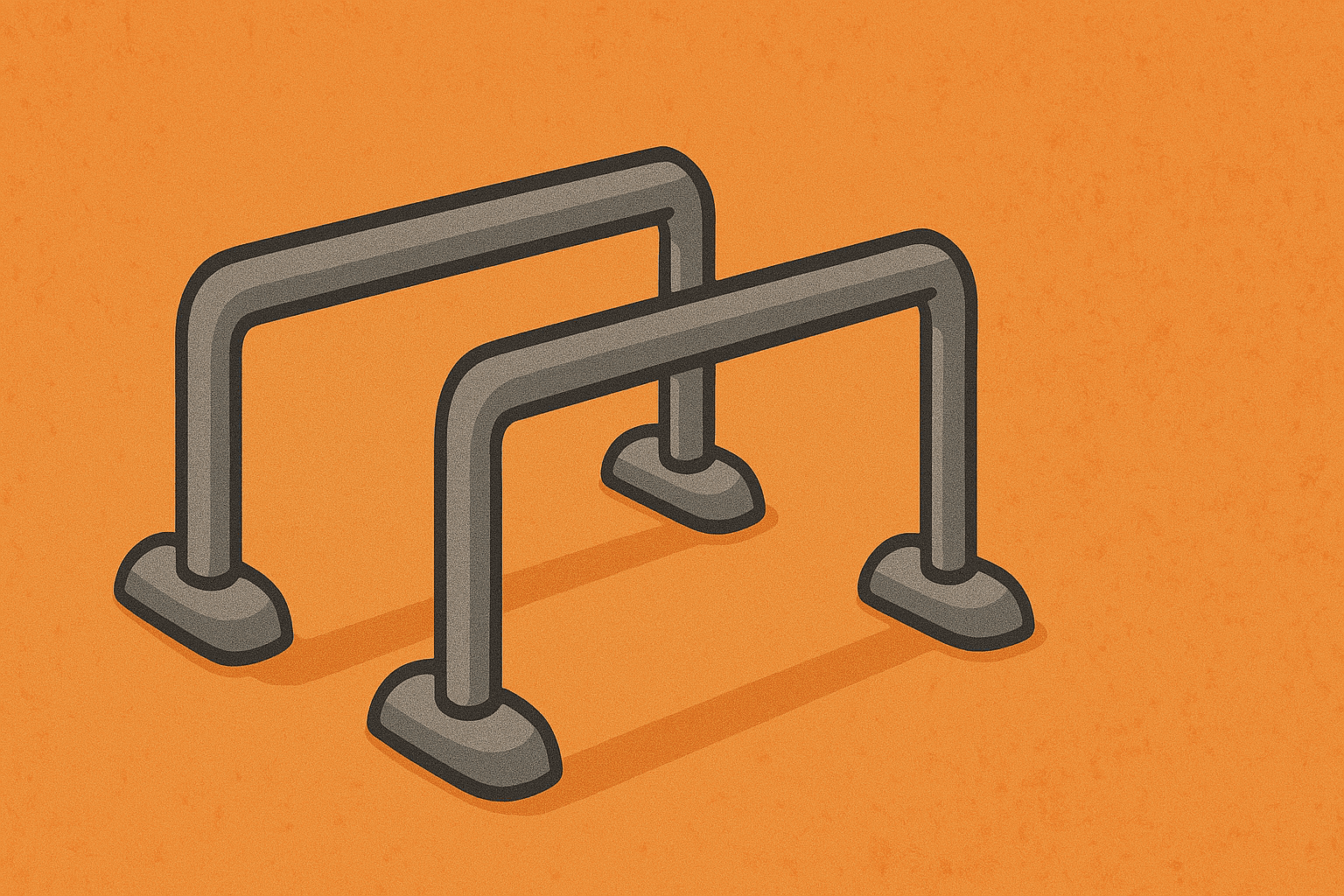
If you live in a small apartment with no secure place to hang them, a doorway pull up bar or dip station may be more practical. Setup also matters. Cheap straps that slip, unclear markings, or rough plastic can make training less enjoyable.
Another honest downside is the learning curve. Rings can be frustrating in the beginning. Even basic support positions shake a lot. That does not mean they are bad. It just means they demand control. If you want the easiest path possible, rings may feel like more work than you expected.
How Do You Hang Gym Rings at Home?
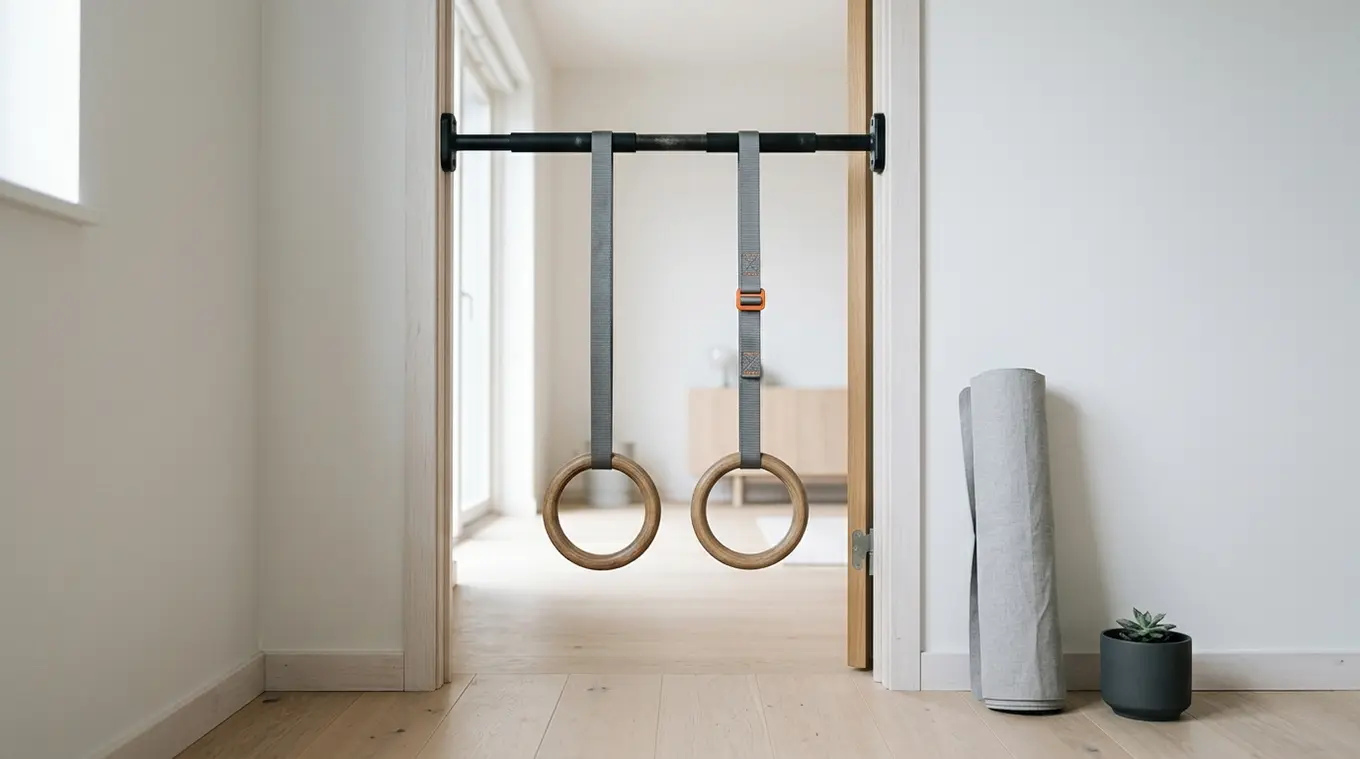
One of the most practical questions before buying rings is whether you actually have a safe place to hang them. Common anchor points include a pull up bar frame, a ceiling-mounted beam or joist, an outdoor pull up rig, a sturdy tree branch, or a power rack. The key requirement is that the anchor point can support your full bodyweight, with some margin for the dynamic forces of pulling and dipping movements.
For exercises like rows, push ups, and support holds, you need enough clearance to set the straps at roughly hip to chest height. For full hanging exercises and pull ups, you need enough height so that your feet clear the ground with your arms fully extended overhead. In practice, a ceiling height of around 8 feet tends to be the minimum for comfortable hanging work for most adults, though outdoor setups give you more flexibility on that front.
If you are unsure whether a ceiling anchor is safe, a freestanding pull up rack or outdoor bar is a more reliable starting point. Always test any anchor point with gradual load before committing to a full workout. Getting the setup right matters more than most beginners expect, and it is worth taking a few extra minutes to do it properly.
Wooden vs. Plastic Rings: Does the Material Matter?
Yes, material matters more than most beginners think. Wooden rings usually feel better in the hands, especially for longer sessions or warmer weather. They absorb a bit more moisture and tend to offer a more natural grip. Plastic rings are often more weather resistant and can be fine outdoors, but some feel slippery.
For most people training at home or in a garage gym, wooden rings are the better choice. That is why I usually recommend wooden models first. If you want a more detailed comparison, see wooden gym rings vs plastic rings. If you want a practical recommendation, Gornation Wooden Gym Rings are again a safe choice because the grip, strap quality, and finish are consistently good.
In terms of how much do gymnastic rings cost, expect a broad but still accessible price range. The gymnastic rings price range is usually low enough that buying a quality pair once is smarter than replacing a poor pair later.
So, Are Gym Rings Worth Buying? Our Verdict
For most people interested in bodyweight training, the answer is yes, gym rings are worth it. If you are asking are gymnastic rings worth it because you want more strength, better shoulder control, portable equipment, and serious training value for the money, rings are one of the best purchases you can make.
They are not perfect for everyone. You need a safe setup, some patience, and at least a basic interest in calisthenics style training. But if that sounds like you, rings offer a level of versatility that is hard to match. Personally, I think they belong near the top of any list of must have minimalist calisthenics gear, especially if you want one tool that keeps challenging you as you improve.
If you want a simple answer to are gym rings worth it, here it is: yes, for the right person they are absolutely worth buying. They build strength, improve stability, save space, and give you far more exercise options than most compact tools. If you have a safe place to hang them and you enjoy bodyweight training, a quality pair of wooden rings is usually money well spent. If your setup is limited or you want zero learning curve, another option may suit you better. But for long term calisthenics progress, rings are hard to beat.
Frequently Asked Questions
Are gymnastic rings better than a pull up bar?
They are not always better, but they are more versatile. A pull up bar is simpler and often easier for strict vertical pulling. Rings add more freedom of movement, more exercise variety, and a joint friendly grip. If you want one tool for both pushing and pulling, rings often give you more value.
Are gymnastic rings good for beginners?
Yes, as long as beginners start with basic progressions. Ring rows, incline ring push ups, and supported holds are all beginner friendly. The mistake is jumping into advanced ring dips or unstable movements too early. With smart exercise selection, rings are a very effective starting tool.
How much space do you need for gymnastic rings at home?
You do not always need a large home gym. For rows, push ups, and support exercises, a moderate amount of floor space and a safe anchor point is enough. For full hanging exercises, higher ceilings or an outdoor setup are more helpful. Your available exercises depend on strap height and clearance.
How much do gymnastic rings cost?
The gymnastic rings price range is usually affordable compared with larger calisthenics equipment. A decent pair often costs much less than a power tower, dip station, or adjustable bench. It is usually worth paying a little more for strong straps, clear markings, and better grip quality.
Are gymnastic rings worth it if I already have TRX straps?
If your goal is serious bodyweight strength, usually yes. TRX style trainers are great for general fitness and beginner suspension work, but rings are often better for calisthenics progressions like dips, pull ups, support holds, and false grip work. Rings feel more stable under load while still allowing natural movement.