If your wrists start folding back during heavy presses, dips, or handstand work, you have probably wondered whether wrist wraps are actually useful or just another gym accessory people buy and barely use. That is a fair question. For some athletes, they make training feel more stable and pain free. For others, they are unnecessary. In this guide, I will explain what are wrist wraps, what do wrist wraps do, when should you use wrist wraps, and when you are better off training without them. You will also see how they compare with straps and who should consider a solid option like GORNATION wrist wraps.
What Are Wrist Wraps and What Do They Actually Do?
Wrist wraps are supportive bands, usually made from elastic material, that you wrap around the wrist to limit excessive extension. In simple terms, they help keep your wrist in a stronger position when force pushes your hand backward. That is why they are common in bench press, overhead work, dips, handstands, and weighted calisthenics.
People often ask what are wrist wraps and expect some complicated answer, but the idea is straightforward. They do not magically make your wrists stronger. They give external support so your joint stays more stable under load. That can improve comfort, control, and confidence when the exercise itself is demanding.
How Wrist Wraps Support the Wrist Joint
The main job of wrist wraps is compression and stability. When wrapped correctly, they reduce how far the wrist bends back under pressure. This matters most in pressing patterns where the hand is fixed against a bar, floor, parallettes, or dip bars while your body or the weight pushes down through the joint.
From experience, this is most noticeable during weighted dips, heavy push ups on bars, handstand practice, and barbell pressing. Without support, some athletes lose position at the wrist before the chest, shoulders, or triceps are even close to failure. In that case, the wrist becomes the weak link.
Wrist Wraps vs. Your Natural Wrist Strength
This is where people get cautious, and honestly, they should. Wrist wraps are helpful, but they are not a substitute for healthy wrists, good mobility, and proper load management. If you wear them for every warm up set and every easy session, you can end up relying on them too much. That is one of the few real downsides.
I usually look at wraps as a tool, not a crutch. Build your natural wrist strength first, then use wraps when the exercise or volume justifies it. If your training includes a lot of floor based positions, it also helps to improve your wrist tolerance gradually. A good warm up matters. If you need ideas for that, this guide on how to warm up for calisthenics training is worth reading.
When Wrist Wraps Are Worth Using
So, are wrist wraps worth it? Yes, often they are, but only in the right situations. The biggest benefits of wrist wraps show up when load, repetition count, or wrist angle becomes demanding enough that support improves performance or reduces irritation.
Heavy Lifting: Bench Press, Overhead Press, and Weighted Calisthenics
If you do heavy bench press, overhead press, weighted dips, or weighted push ups, wrist wraps can absolutely be worth it. These are the moments when to wear wrist wraps for lifting becomes obvious. The more force going through the hand, the more important wrist position becomes.
For calisthenics athletes, I see the most value in weighted dips, straight bar dips, handstand push up progressions, and some ring support work. They can also help during front rack related lifts if wrist extension is bothering you, although that depends on technique and mobility. If you are building a weighted setup, you may also like this guide on best weighted calisthenics equipment.
In this category, a firm and reliable wrap makes more sense than a very soft one. If you want a calisthenics focused option, GORNATION wrist wraps are a practical choice because they are designed for support without feeling overly bulky for bodyweight training.
CrossFit and High Rep Training
Wraps can also be worth using in CrossFit or high rep sessions, especially when fatigue starts to break down your wrist position. Think of workouts with handstand push ups, barbell cycling, jerks, push presses, or repeated front rack work. Once technique gets messy, the wrist often takes extra stress.
This does not mean everyone in CrossFit needs wraps. It means they can be useful when volume is high enough to create repeated strain. The same goes for streetlifting and hard calisthenics sessions where dips and support holds stack up over time.
If your training mixes gymnastics style skills with pressing volume, wraps can be one of those small upgrades that make sessions feel smoother. I would still avoid using them automatically for every workout. Use them when the session demands support, not because they look serious.
| Situation | Are wrist wraps worth it? | Why |
|---|---|---|
| Heavy bench press, overhead press, weighted dips | Yes | More stability and less excessive wrist extension under heavy load |
| Handstands, handstand push up progressions, support holds | Yes | Help keep the wrist in a stronger position during support work |
| CrossFit or high rep pressing workouts | Often yes | Useful when fatigue causes wrist position to break down |
| Beginner bodyweight training or light pressing | Usually not | Technique, mobility, and gradual progression usually deliver more benefit |
| Pulling exercises where grip is the limiting factor | No | Use wrist straps instead, as they support grip rather than stabilize the wrist joint |
When You Probably Don’t Need Wrist Wraps
If you mostly do beginner bodyweight work, light dumbbell pressing, basic push ups, or general fitness training without wrist discomfort, you probably do not need wrist wraps yet. They are not essential gear for everyone. In many cases, better technique, smarter progression, and gradual exposure solve the issue.
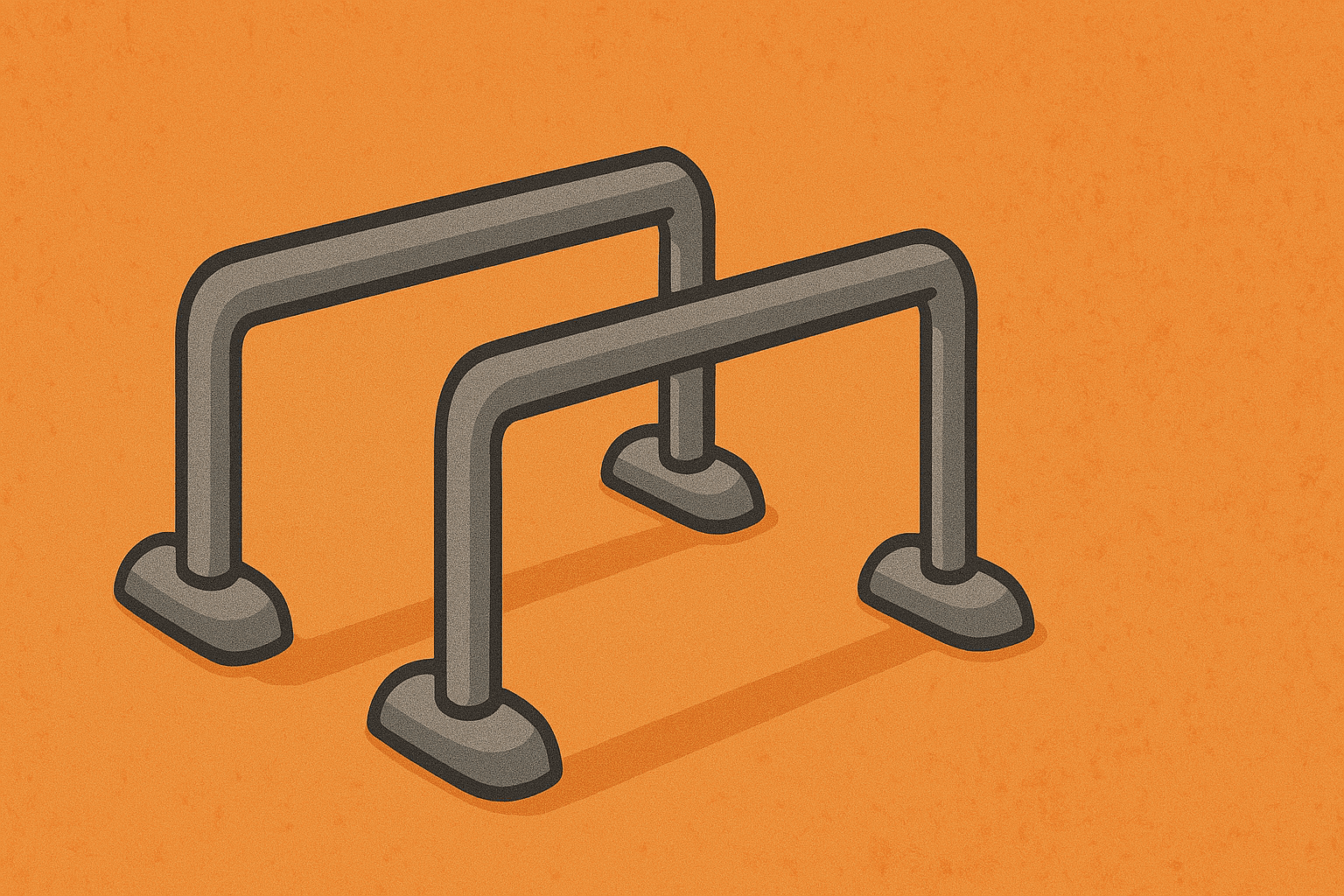
For example, if regular push ups bother your wrists, wraps might help a little, but changing the setup can help more. Using push up bars or parallettes often reduces wrist extension more effectively. The same applies to handstand work. Many athletes feel better on parallettes than on the floor. If that sounds familiar, see this guide on best push up bars for calisthenics.
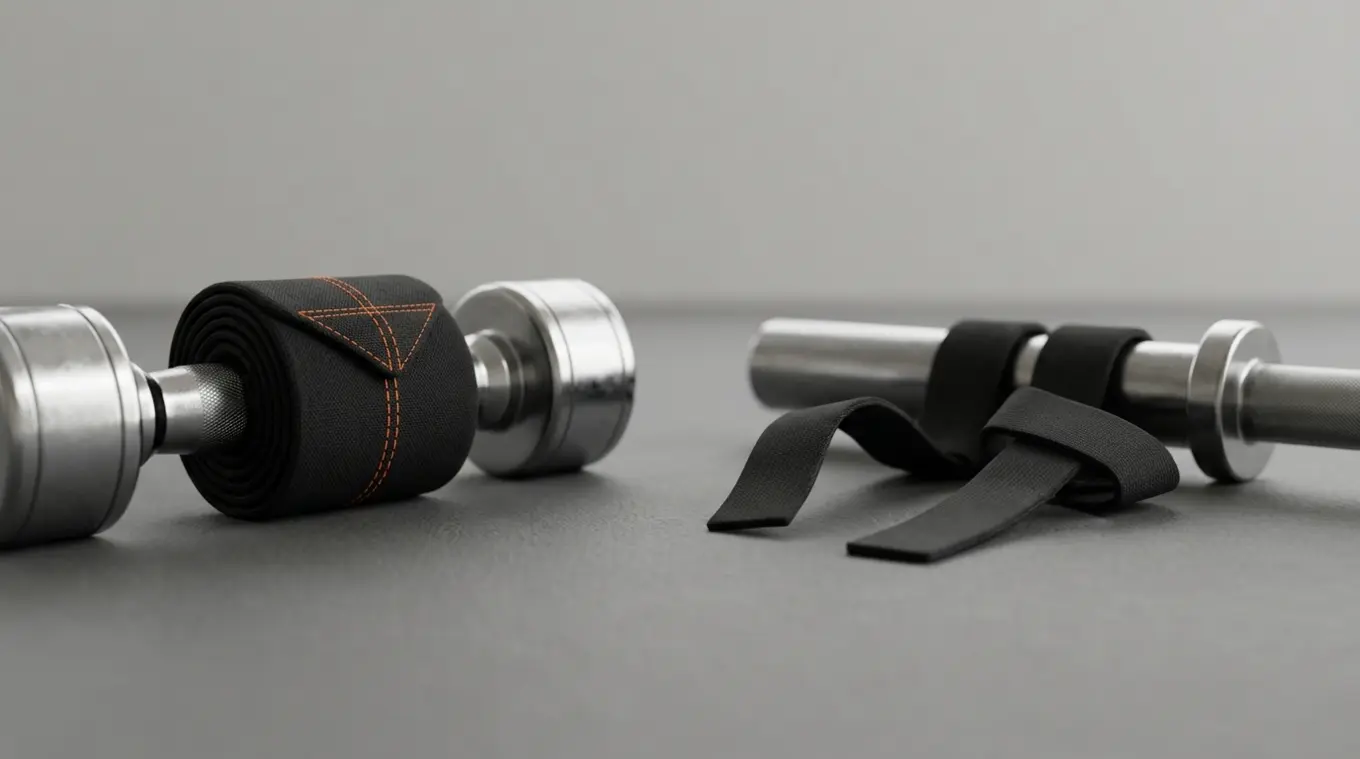
You also probably do not need wraps for pulling exercises where grip is the limiting factor. This is where the wrist wraps vs wrist straps comparison matters. Wraps support the wrist joint. Straps help you hold onto the bar. If your issue is deadlifts, rows, or pull ups slipping from your hands, wrist wraps vs lifting straps is not even a close debate. Straps are the better tool there.
The Honest Pros and Cons of Wrist Wraps
The biggest advantage is simple. They can make pressing and support work feel more secure. That often means better confidence under load, fewer sessions cut short by irritated wrists, and more consistent training. For some lifters, especially those with long forearms or a history of wrist discomfort, that is a real performance benefit.
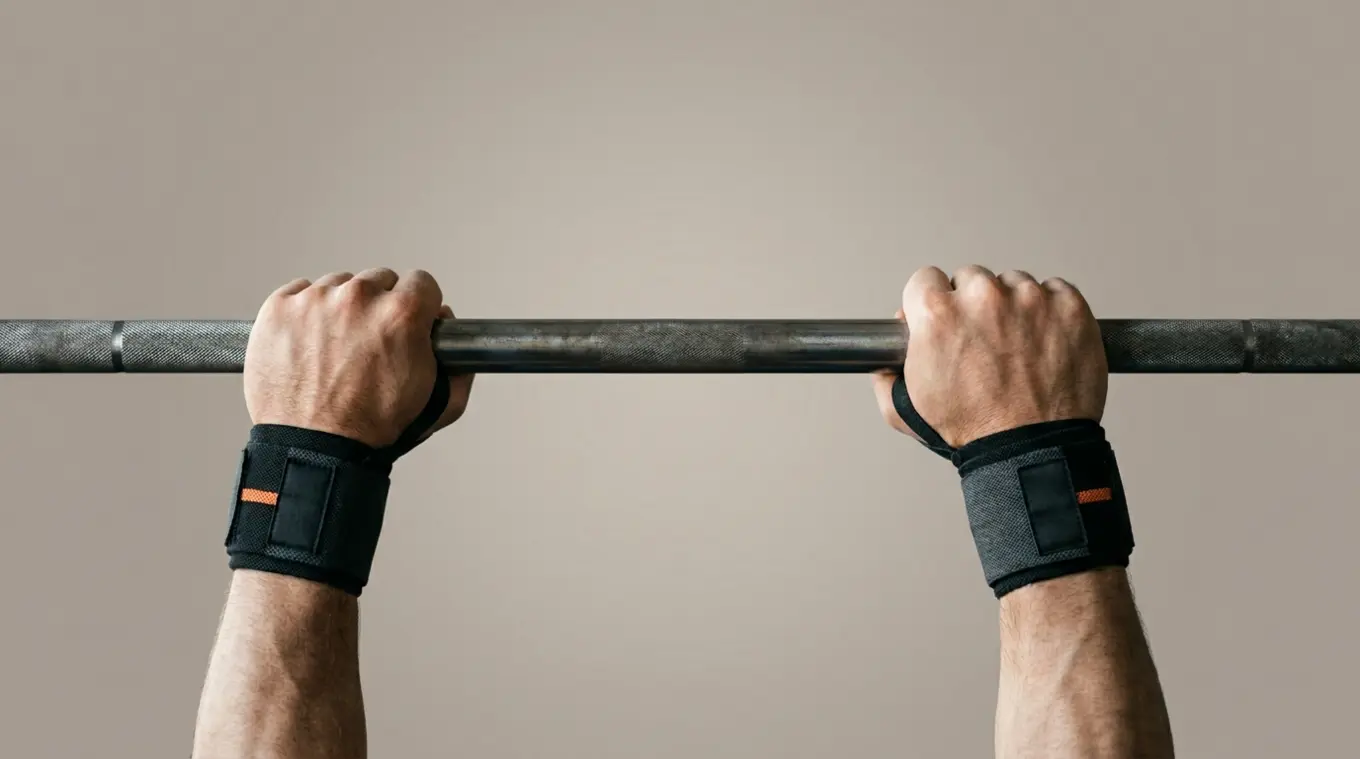
Another benefit is positional feedback. Good wraps remind you where a stacked wrist should be. That can clean up your pressing mechanics. This is one reason many athletes consider them the best wrist wraps for bench press or for heavy dips when pushing top sets.
Now for the honest drawbacks. First, they can hide problems. If your wrist pain comes from poor bar path, limited shoulder mobility, sloppy hand placement, or sudden training spikes, wraps may reduce symptoms without fixing the cause. Second, some people start wearing them too early and too often. That can limit your own joint tolerance development. Third, not every wrap feels good for calisthenics. Some powerlifting style wraps are so stiff that they feel awkward for dynamic bodyweight training.
If you are wondering how to use wrist wraps or how to wear wrist wraps, the basic rule is to place them low enough to support the wrist joint itself, not halfway up the forearm. Wrap them snug, but not so tight that your hand goes numb. For heavy sets, tighter usually makes sense. For moderate volume, a slightly looser wrap often feels better.
And one more thing worth clearing up: wrist wraps vs wrist straps. They are not interchangeable. Straps attach your hand to the bar for pulling. Wraps stabilize the wrist for pressing and support positions. A lot of beginners mix those up, so if you only remember one difference, remember that.
How to Choose the Right Wrist Wraps
If you decide wraps are worth using for your training, the next practical question is what to look for. Three things matter most: length, stiffness, and closure type.
Length affects how much rigidity you get. Shorter wraps (around 18 inches) stay more flexible and suit calisthenics and CrossFit well, where the wrist still needs some range of motion. Longer wraps (24 inches or more) deliver stiffer support and are more common for heavy barbell pressing.
Stiffness is closely tied to length but also varies by material. For bodyweight training and mixed sessions, a moderately stiff wrap tends to feel better than a powerlifting-style wrap that can be too restrictive for dynamic movement. If you do both weighted work and bodyweight skills, lean toward a versatile middle ground rather than the stiffest option available.
Most wraps include a thumb loop to help anchor the wrap as you apply it. Thread your thumb through while wrapping, then tuck it out before your set. This makes consistent placement easier, especially if you are new to using wraps.
So, Are Wrist Wraps Worth It? Our Verdict
For the right person, yes, wrist wraps are worth it. If you lift heavy, do weighted calisthenics, train CrossFit, or regularly feel your wrists lose position during pressing, wraps can be a smart investment. They improve support, help manage stress on the joint, and often make hard sessions feel more controlled.
But they are not mandatory. If your training is lighter, your wrists feel fine, or your issue is really mobility or technique, you may get more benefit from fixing the root cause first. That is the most honest answer to are wrist wraps worth it.
If you want a balanced option for calisthenics and streetlifting, GORNATION wrist wraps are worth considering because they offer solid support without feeling overly specialized for only one style of training. And if you want a deeper look at the category, check our guide to the best wrist wraps for calisthenics.
My practical advice is this: use wraps when the load or volume gives you a good reason, not by default. That way you get the benefits of wrist wraps without becoming dependent on them.
Wrist wraps are not just hype, but they are not essential for everyone either. They are most useful when heavy pressing, weighted calisthenics, handstands, or high volume training put your wrists under more stress than they comfortably handle on their own. Used well, they support performance and comfort. Used carelessly, they can become a band aid for problems you should actually address. If your wrists are the weak link in pressing work, wraps are usually worth trying. If not, keep it simple and focus on strength, technique, and progression first.
Frequently Asked Questions
Do wrist wraps make your wrists weaker over time?
Not by themselves. The problem usually comes from overusing them for every set and every session. If you still train your wrists naturally, warm up properly, and only use wraps when needed, they should not make your wrists weaker. Think of them as support for demanding work, not everyday dependence.
When should you use wrist wraps for lifting?
You should use wrist wraps when heavy pressing or high rep workouts push your wrists into uncomfortable extension. Common examples are bench press, overhead press, weighted dips, handstand push ups, and some CrossFit workouts. If your wrists stay stable and pain free without them, you probably do not need them yet.
What is the difference between wrist wraps and wrist straps?
Wrist wraps support the wrist joint and help keep it stable during pressing movements. Wrist straps help your grip by wrapping around the bar during pulling exercises like deadlifts, rows, or pull ups. If your hand is slipping, choose straps. If your wrist is bending back, choose wraps.
How tight should wrist wraps be?
They should feel secure but not painfully tight. A good wrap limits excess wrist movement without cutting off circulation or making your hand numb. For heavier sets, a tighter fit usually works better. For general training, a slightly less aggressive wrap often feels more comfortable and still gives support.
Are wrist wraps good for calisthenics?
Yes, they can be very useful in calisthenics, especially for weighted dips, handstands, straight bar work, and high volume pushing sessions. They are less important for basic beginner training. If you train both bodyweight skills and added weight, a versatile pair of wraps can be a smart piece of equipment.