If you have ever felt wrist discomfort during push ups or wondered whether a simple pair of bars can actually improve your training, you are asking the right question. A lot of people see push up bars and assume they are just a small accessory with no real impact. In practice, they can make a noticeable difference for comfort, range of motion, and exercise variety. In this article, I will break down the real push up bars benefits, the downsides, who should buy them, and when regular floor push ups are still enough. By the end, you should know exactly if they are worth your money.
What Are Push Up Bars and How Do They Work?
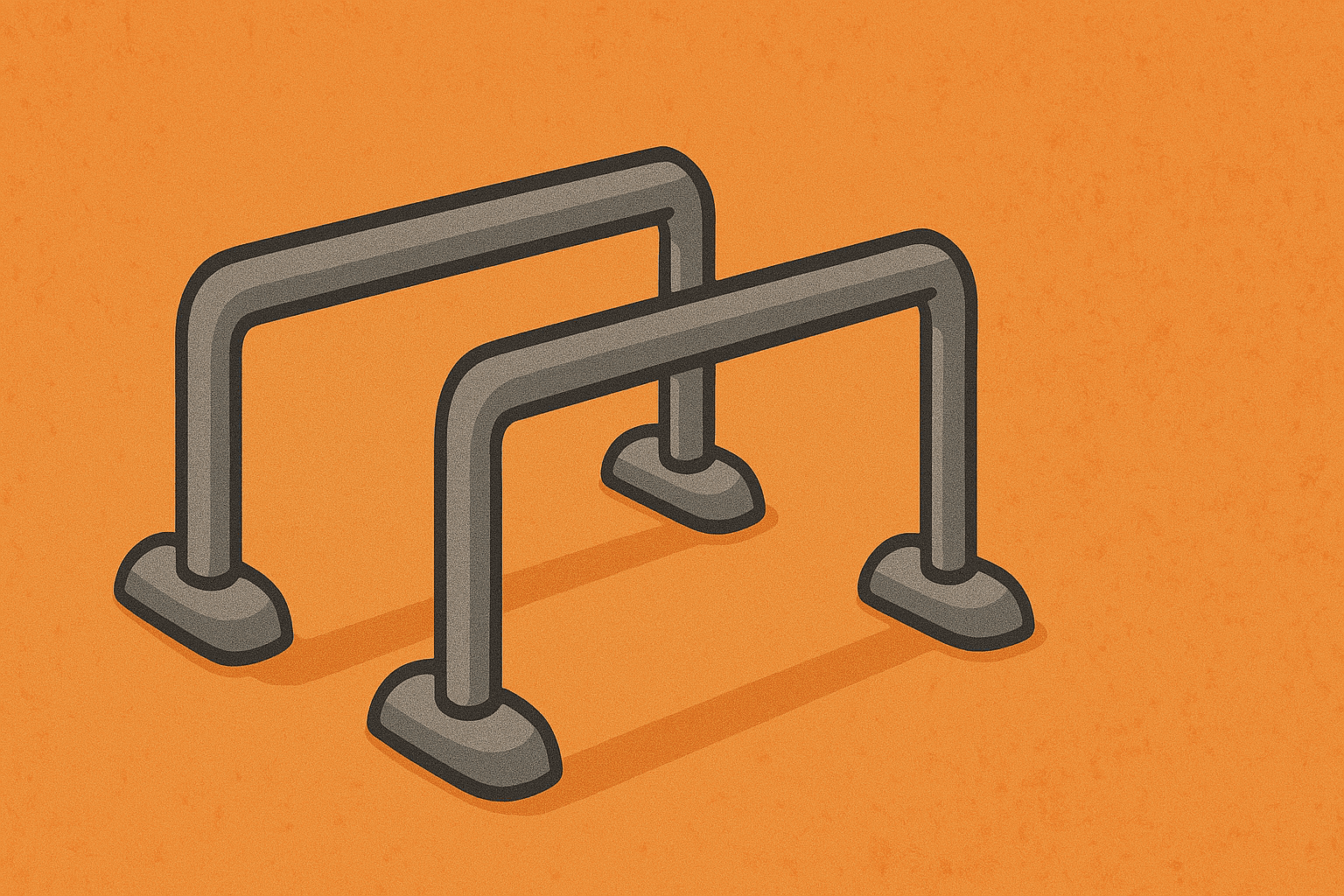
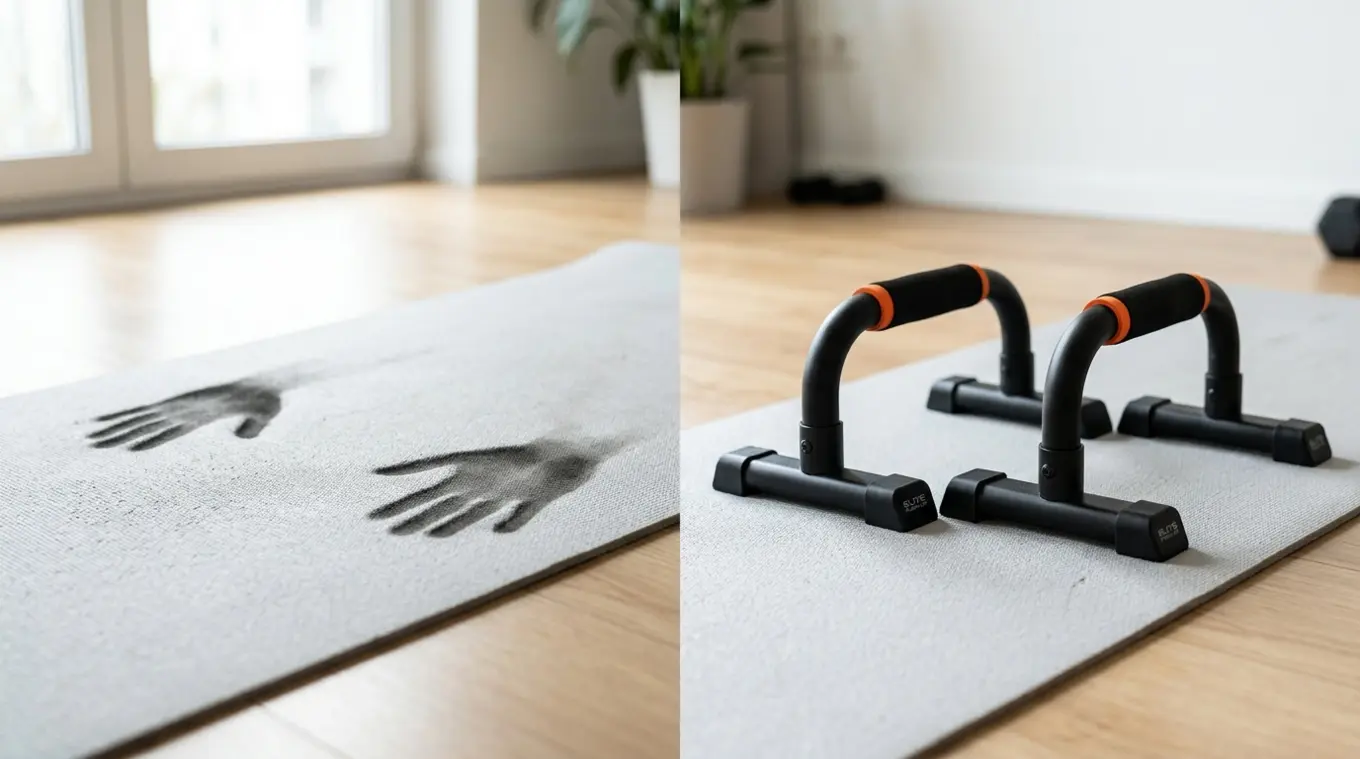
Push up bars are small handles that raise your hands off the floor during push ups and other bodyweight exercises. You place one bar under each hand, grip them firmly, and perform the movement with a more neutral wrist position than you get on the floor. That sounds simple, but it changes the exercise in a few important ways.
First, the raised position lets you lower your chest deeper than you usually can during standard floor reps. Second, the handle position reduces how much your wrists have to bend backward. Third, many bars offer better grip on smooth surfaces, which can make training feel more stable at home.
If you are wondering how to use push up bars, the setup is easy. Place them roughly shoulder-width apart, keep your body in a straight line, brace your core, and lower under control until you feel a deep stretch through the chest and shoulders. Then press back up without losing tension. Proper form on push up bars matters more than rushing reps. In my experience, most people get more out of 8 clean reps on bars than 20 sloppy reps on the floor.
Push up bars are often confused with push up grips or low parallettes. In many cases, people use these terms interchangeably. The main difference is size and versatility. Basic push up grips are built mainly for pressing work, while parallettes can handle more advanced skills. If you want a deeper comparison, it is worth checking a guide on parallettes vs push up bars.
The Real Benefits of Using Push Up Bars
When people ask me are push up grips worth buying, I usually say they can be a smart upgrade if you actually train push ups consistently. They are not magic, but they solve a few real problems that standard floor push ups do not.
Better Range of Motion for Chest and Shoulders
The biggest advantage is the extra depth. On the floor, your chest stops when it reaches the ground. On bars, your hands are elevated, so your chest can drop lower between them. That increases the range of motion and usually makes each rep more demanding.
This deeper stretch can help you challenge the chest, front delts, and triceps more effectively. It also makes paused reps and slow eccentrics feel much harder in a good way. For muscle building, that extra range is one of the strongest arguments in favor of bars.
I noticed this early when I started using bars during home workouts. Even though I could already do solid sets on the floor, my rep count dropped once I switched to bars. That was a sign the movement had become more honest, not less effective.
Wrist Relief: Why Push Up Bars Are Easier on Your Joints
One of the most common reasons people buy bars is push up bars wrist pain relief. Standard push ups force your wrists into extension, which some people tolerate well and others do not. If your wrists feel stiff, irritated, or weak in the bottom position, a neutral grip often feels much better.
That does not mean push up bars fix every wrist issue, but they can reduce stress enough that training becomes comfortable again. This is especially helpful if you do higher volume push up work, planche leaning drills, or one arm push up progressions. It is also useful for people coming back from minor overuse irritation who still want to train around the problem carefully.
If wrist comfort is one of your main concerns, bars are often a better first purchase than wraps because they change the hand position itself. That said, if you need extra support for harder pressing work, guides on the benefits of wrist wraps in calisthenics and streetlifting can also help.
More Muscle Activation Compared to Floor Push Ups
People often ask whether bars create more muscle activation than regular push ups. The honest answer is that they can, mostly because of the longer range of motion and the higher stability demand. When you have to control the descent deeper and press out from a more stretched position, your upper body has to work harder.
That does not mean floor push ups are ineffective. They absolutely work. But if you compare equally strict reps, bars usually make the exercise tougher and more productive for hypertrophy. This is one reason many experienced bodyweight athletes keep them around even after they can do advanced push up variations.
Another overlooked benefit is grip and intent. Because you are squeezing handles, many people naturally create better upper body tension. That can improve pressing mechanics and help you stay more engaged through the rep.
Push Up Bars vs. Regular Floor Push Ups: Is There a Difference?
Yes, there is a real difference, but it depends on what you care about most. In a push up bars vs regular push ups comparison, floor reps win on simplicity. You need no equipment, no setup, and no extra cost. They are ideal for quick sets anywhere and remain one of the best bodyweight exercises you can do.
Push up bars win on joint comfort, range of motion, and progression potential. They also make some variations easier to perform with good form, especially close grip reps, deeper deficit reps, and certain static holds.
If your only goal is general fitness and you already feel great doing floor push ups, then bars are helpful but not essential. If your goal is to improve chest development, reduce wrist stress, or make home workouts more challenging without adding much equipment, then bars become much more worthwhile.
There is also a technique difference. Proper form on push up bars usually feels cleaner because the hands stay fixed and the wrists stay neutral. On the floor, people often shift pressure unevenly into the palms and fingers, especially when fatigue sets in.
If you want to improve your base pressing strength first, I would still recommend learning strong body mechanics in standard reps too. A guide on how to train push ups pairs well with bar work.
The Drawbacks You Should Know About
To answer are push up bars worth it honestly, we also have to cover the downsides. First, not all bars are stable. Cheap models can wobble, slide, or feel too narrow under load. That is not just annoying — it can make training feel unsafe.
Second, bars add another piece of equipment to your space. They are small, but if you are trying to keep your setup minimal, even compact gear has to justify itself.
Third, deeper range of motion is only a benefit if you control it. If your shoulder mobility is poor or you drop too aggressively into the bottom, you can irritate your shoulders instead of helping them. More range is useful, but only when earned and controlled.
Fourth, bars do not replace a broader training plan. Some people buy them hoping they will suddenly build a bigger chest without changing effort, volume, or consistency. They are a tool, not a shortcut.
Finally, if you mainly train skills like dips, L sits, and handstands, you may outgrow basic bars and wish you had bought low parallettes instead. That is why your goals matter before you buy.
Are Push Up Bars Good for Beginners?
Yes, they can be very good for beginners, especially if wrist discomfort is stopping you from practicing push ups consistently. A lot of beginners quit floor push ups too early because their wrists feel awkward or because they never learn what proper body tension should feel like. Bars can make the movement more comfortable and easier to repeat with good mechanics.
That said, beginners still need to choose the right variation. If full push ups are too hard, use knee push ups, incline push ups with hands on the bars, or slow eccentric reps. There is nothing wrong with scaling the movement. In fact, it is smarter than grinding ugly reps from day one.
| Situation | Are push up bars worth it? | Main reason |
|---|---|---|
| You have wrist discomfort during floor push ups | Yes | The neutral grip usually reduces wrist extension stress |
| You want more chest, shoulder, and triceps stimulus | Yes | The extra range of motion makes each rep more demanding |
| You train at home and want a small upgrade | Yes | They are affordable, portable, and add exercise variety |
| You already feel great doing floor push ups and want simplicity | Maybe not | Regular push ups still work well without extra equipment |
| You want broader calisthenics skill work like L sits and handstands | Maybe not | Low parallettes may offer better long term versatility |
| You are on a very tight budget and lack basic equipment | Maybe not | A pull up bar or other essentials may be the smarter first buy |
From coaching and personal training experience, I have seen bars help beginners understand alignment faster. When they grip the handles, they often keep their elbows and shoulders in a cleaner position. This is not automatic, but it happens often enough that I see bars as a practical beginner tool rather than an advanced one only.
So are push up bars worth it for a beginner? If they help you train pain free and stay consistent, absolutely. If you already perform push ups comfortably and are on a tight budget, you can wait and invest later.
Are Push Up Bars Worth It for Calisthenics and Bodyweight Training?
For calisthenics, I would say yes more often than no. Push up bars are small, portable, and useful for more than standard push ups. You can use them for deep push ups, pseudo planche push ups, L sit work, tucked holds, pike push ups, and some handstand practice depending on the model.
That makes them a practical piece of home equipment for people who want more than basic floor training. They also travel well, which matters if you train in parks, hotel rooms, or small apartments.
If you are building a simple setup, push up bars fit nicely into a broader list of must have calisthenics equipment. They are not as essential as a pull up bar, but they are one of the easiest upgrades for upper body pushing work.
For product recommendations, Gornation is one of the few brands I would naturally mention here because their equipment tends to be designed with calisthenics use in mind, not just casual fitness marketing. If you want bars that feel solid for daily bodyweight training, a compact pair from Gornation can be a sensible choice, especially if you value grip quality and a stable base.
Do Push Up Bars Actually Build Muscle?
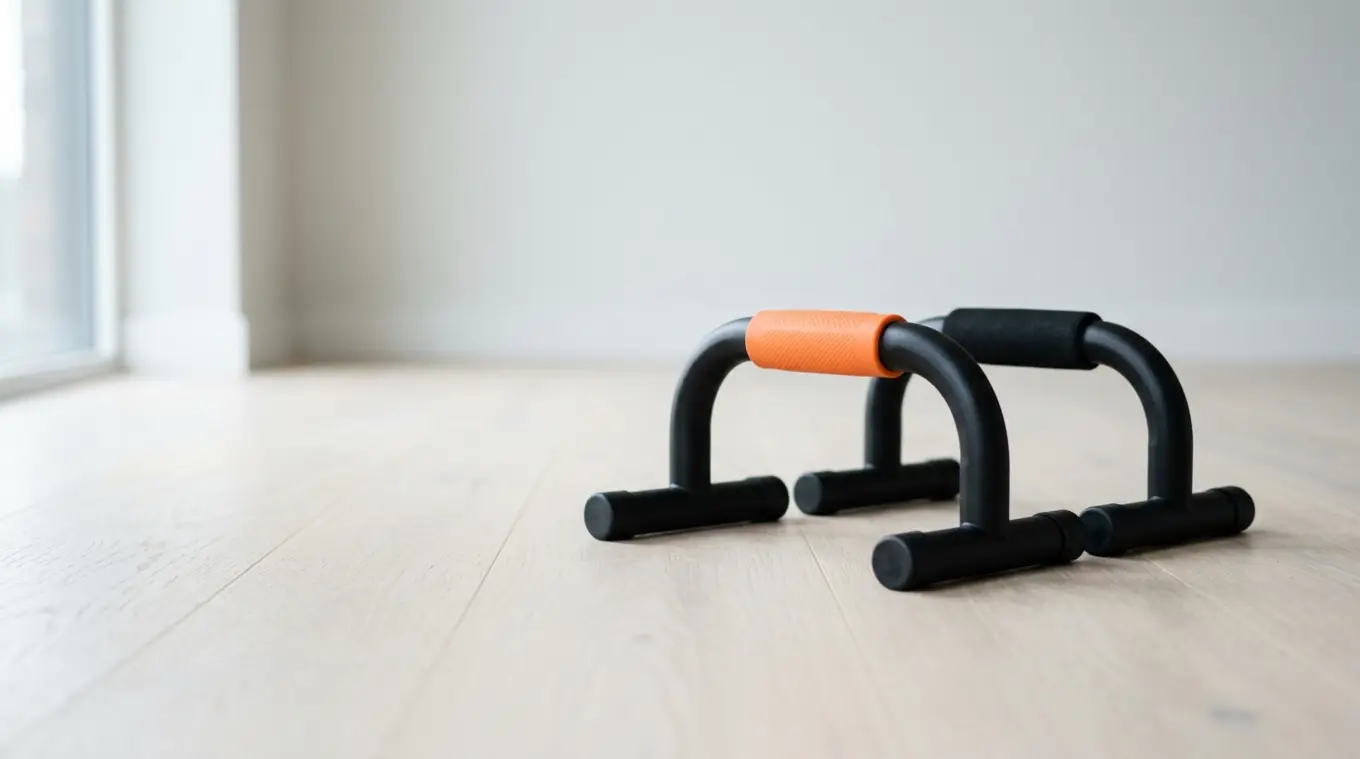
Yes, push up bars can absolutely help build muscle, but only if you use them with enough effort and progression. The bars themselves do not create muscle. The training stimulus does. What bars do is make that stimulus easier to create by increasing range of motion and often improving exercise comfort.
For chest, shoulders, and triceps, deeper push ups on bars can be excellent for hypertrophy. If normal push ups have become too easy, bars can make the same movement more challenging without needing a bench or a gym machine. Add tempo, pauses, or a backpack with weight, and the exercise becomes even more effective.
This matters because many people reach a point where regular high rep floor push ups mostly build endurance. Bars can help move the exercise back toward a more strength and muscle focused stimulus.
One practical note: if you are chasing muscle growth, do not just do fast burnout sets. Use full reps, controlled lowering, and train close to failure with solid form. That is where bars shine.
What Exercises Can You Do With Push Up Bars?
Push up bars are not limited to standard push ups. That is part of what makes them a practical addition to a home setup. Here are the most useful exercises you can do once you have a stable pair:
- Standard push ups — The natural starting point, now with deeper range of motion and a neutral wrist position.
- Close grip push ups — Move the bars closer together to place more emphasis on the triceps.
- Pike push ups — Raise your hips high and press at a steeper angle to train the shoulders and build overhead pressing strength.
- Deficit push ups — Lower your chest past hand level for the deepest possible stretch through the chest and front delts.
- Pseudo planche push ups — Shift your weight forward over the bars to increase demand on the shoulders and serratus, a common calisthenics progression drill.
- Tucked L sit holds — If your bars have enough height, you can practice support holds between pressing sets to build core and hip flexor strength.
- Slow eccentrics and paused reps — Not separate exercises, but techniques that dramatically increase difficulty in any of the movements above.
Not every model supports all of these. Shorter bars work well for pressing variations. Taller and sturdier bars, or low parallettes, open up support holds more reliably. Knowing which exercises matter most to you is worth thinking about before you buy.
Who Should Buy Push Up Bars — and Who Should Skip Them?
When Push Up Bars Are a Good Investment
Push up bars are a good investment if you train at home regularly, want to make push ups more effective, or deal with wrist discomfort on the floor. They also make sense if you enjoy calisthenics and want an affordable tool that adds variation without taking up much space.
They are especially useful for people who want the best push up bars for home workout setups. You do not need much room, they are easy to store, and they pair well with resistance bands, backpacks, and bodyweight progressions.
If you are someone who likes structured progress and wants equipment that can grow with your training, bars are easy to justify. I would put them in that category of low cost gear that gets used more than expected.
When You’re Better Off Without Them
You may want to skip them if you rarely train push ups, have no wrist issues, and are satisfied with standard floor reps. You may also skip them if your budget is very limited and you still do not own more essential items like a solid pull up bar.
Another reason to pass is if you already know you want broader exercise options such as L sits, handstand work, and advanced support holds. In that case, low parallettes may be the better buy from the start.
So when people ask are push up bars worth it, my honest answer is this: they are worth it for the right person, not for every person.
What to Look for When Buying Push Up Bars
If you are shopping for the best push up bars for calisthenics, focus on stability first. A bar that shifts under pressure ruins confidence and can throw off your form. Look for a model with a wide base, non slip feet, and a handle thickness that feels comfortable in your grip.
Material matters too. Metal bars tend to feel durable and rigid. Wooden handles often feel better in the hands, especially if you sweat a lot. Plastic can work for beginners, but the quality varies a lot.
Handle height influences range of motion. Very low bars feel close to the floor and often more stable. Slightly taller bars give more depth but can feel less secure if poorly built.
You should also think about your training goals. If you only want better push ups, compact bars are enough. If you might train L sits or handstand drills later, consider whether small parallettes would offer more long term value.
As for push up bars price, most people do not need to spend much. In the U.S., the price usually comes down to material and brand. Budget pairs typically cost around $15 to $25, mid range options often land between $25 and $50, and premium bars or compact parallettes can go higher. In my opinion, that makes them a relatively low risk purchase compared to larger home workout equipment.
If you want a dependable option from a calisthenics focused brand, Gornation is worth considering. Their products tend to make sense for people who care about actual bodyweight training rather than buying generic fitness accessories that look good online but feel unstable in use.
Verdict: Are Push Up Bars Worth It?
For most people who train at home, want better push up mechanics, or need relief from wrist discomfort, push up bars are worth it. They improve range of motion, can make reps more effective for muscle growth, and usually feel better on the joints than floor push ups. They are also affordable, portable, and useful in many calisthenics routines.
At the same time, they are not essential for everyone. If standard push ups already feel great and your budget is tight, you can keep progressing without them. But if you have been debating are push up bars worth it because you want more comfort and more challenge from a simple tool, I would say yes. For the price, they offer a lot of value.
My practical advice is simple. If you do push ups often, buy a stable pair once and use them properly. If you want the most versatility, compare them with low parallettes. And if you want equipment from a trusted calisthenics brand, Gornation is a reasonable place to start.
Push up bars are not a gimmick. They are a simple tool that can make push ups deeper, more comfortable, and more productive. If you struggle with wrist pain, want extra chest and triceps stimulus, or just want one of the best push up bars for home workout training, they are usually a smart buy. If you only do occasional floor reps and feel fine without equipment, you can skip them for now. The key is matching the tool to your goals. For many home and calisthenics athletes, push up bars earn their place pretty quickly.
Frequently Asked Questions
Are push up bars better for your wrists?
Yes, for many people they are. Push up bars keep your wrists in a more neutral position, which can reduce the extension stress you feel during floor push ups. They do not solve every wrist problem, but they often make pressing work much more comfortable and sustainable.
Do push up bars make push ups harder?
Usually yes. Because they increase your range of motion, each rep becomes more demanding for the chest, shoulders, and triceps. Most people notice they can do fewer reps on bars than on the floor at first, which is a sign the exercise has become more challenging.
Are push up bars worth buying for beginners?
They can be, especially if wrist discomfort or poor form is holding you back. Beginners often benefit from the neutral grip and better setup. If your budget is limited, they are still optional, but they can be a very useful tool for building consistent push up practice.
What is the difference between push up bars and parallettes?
Push up bars are usually smaller and built mainly for push up variations. Parallettes are often more versatile and better for L sits, handstands, support holds, and skill work. If you only want better push ups, bars are enough. If you want broader calisthenics use, parallettes may be the better choice.
How much do push up bars cost?
Most push up bars are fairly affordable. In the U.S., basic pairs often cost around $15 to $25, while better built mid range models usually sit between $25 and $50. Premium options can cost more, but you do not need to overspend to get a stable, useful pair.