If you have been thinking about buying parallettes, you are probably asking the same practical question most people do: are they actually useful, or are they just another piece of gear that ends up collecting dust? That is a fair question, especially if you train at home and want equipment that gives you real value. In my experience, parallettes can be one of the most useful calisthenics tools you can own, but only if they match your goals. In this article, I will break down what parallettes are, what they are used for, who benefits most from them, and how to decide whether they are worth your money.
What Are Parallettes and What Are They Used For?
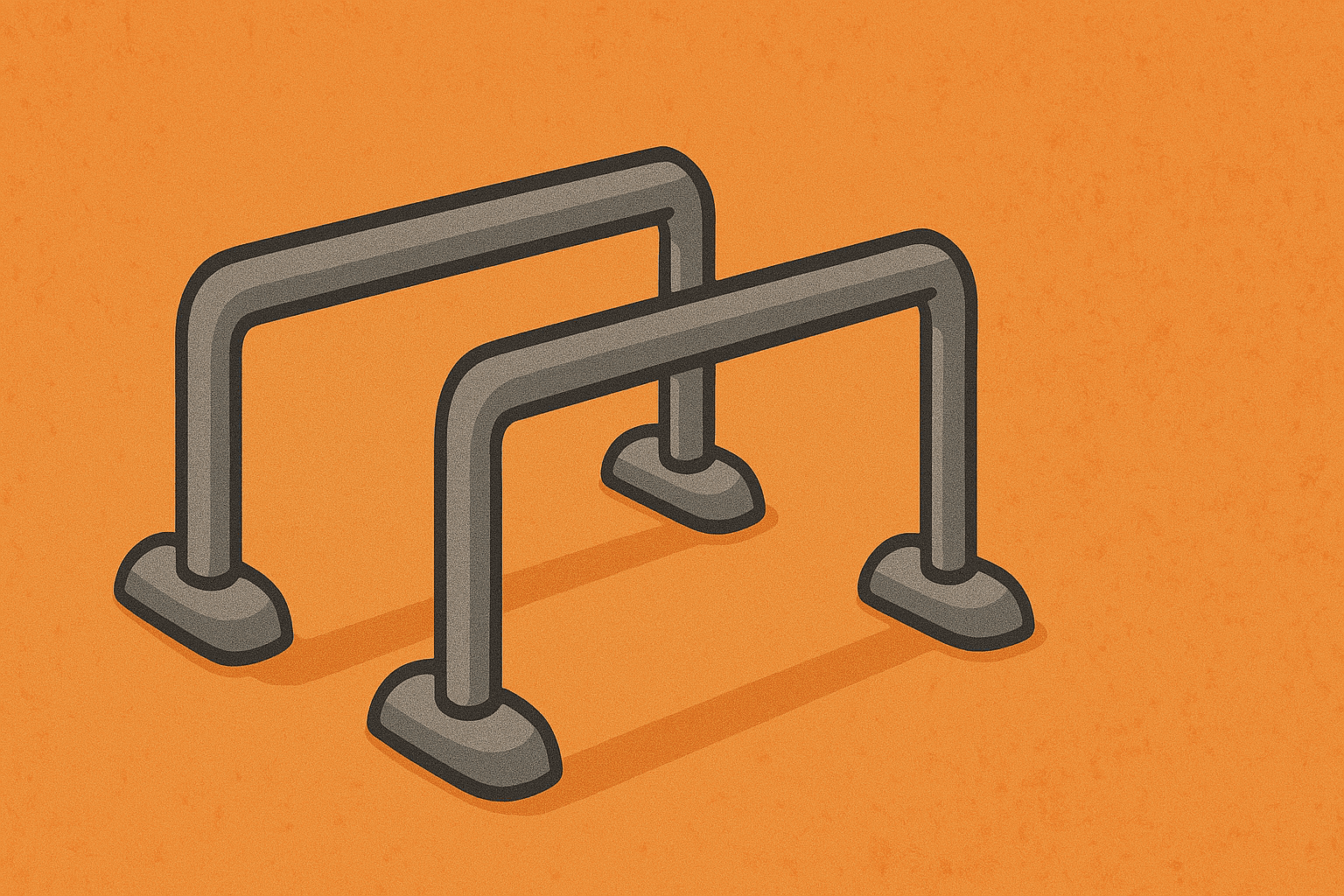
If you are new to calisthenics, it helps to start with the basics. What are parallettes? They are small portable bars designed for bodyweight training. You place your hands on them instead of the floor, which changes your wrist angle, gives you more clearance, and opens up more exercise options.
What are parallettes used for? The short answer is a lot. They are commonly used for push-up variations, L sits, tuck holds, handstand drills, planche progressions, shoulder work, and core training. They are also useful for mobility drills and controlled strength work when you want a little more range of motion than the floor allows.
If you want ideas for movement variety, you can also check this guide on best exercises with parallettes. It gives a good overview of how much training you can actually do with a simple set.
How parallettes differ from parallel bars
People sometimes confuse parallettes with full parallel bars, but they are not the same. Parallel bars are taller, larger, and usually fixed in place. You see them in gymnastics facilities and outdoor calisthenics parks. Parallettes are the smaller, home-friendly version.
The main difference is size and use. Parallel bars are better for bigger swinging or support-based movements. Parallettes are better for compact training, skill work, and home workouts. If your goal is to improve pressing strength, handstand work, or static holds without taking over your whole room, parallettes make more sense.
Low parallettes vs. high parallettes
Low parallettes are closer to the floor. They work well for push-ups, L sits, planche leans, mountain climbers, and basic handstand balance drills. They are easier to store and usually cheaper.
High parallettes give you more clearance under the body. That makes them better for deeper movements, certain handstand entries, tuck presses, and athletes who want more room for advanced progressions. In practice, low models suit most beginners, while taller options become more useful as your training gets more specific.
If you are comparing sizes, this article on low parallettes vs high parallettes is worth a look before you buy.
The Real Benefits of Training With Parallettes
The biggest reason people ask whether parallettes are worth it is simple: they want to know what they get that the floor cannot offer. That is the right way to think about it.
In my own training, the biggest benefit was not that parallettes made exercises look more advanced. It was that they made training more comfortable and more repeatable. When your wrists feel better and your positions feel cleaner, you train more consistently.
Wrist position and joint comfort
This is one of the clearest parallettes pros and cons points to understand. A good set of parallettes puts your wrists in a more neutral position compared with flat palm floor work. For many people, especially those doing lots of push-ups, planche leans, or handstand drills, that means less wrist irritation.
That does not mean parallettes magically fix joint issues, but they often reduce unnecessary stress. If floor training bothers your wrists, parallettes can be a smart upgrade. This is one reason many athletes keep using them long term, even after they have built a solid foundation.
Range of motion advantages over floor training
Another major benefit is extra range of motion. Because your hands are elevated, you can go deeper on push-ups and support-based movements. That deeper position can help build strength through a longer path, which often feels more effective than stopping at floor level.
For exercises like deep push-ups, L sit compression work, and certain planche progressions, that added clearance matters. It is one of the most practical reasons why parallettes keep coming up in calisthenics discussions.
If push-up strength is one of your main goals, this guide on how to train push-ups pairs well with parallette training.
Are Parallettes Worth It for Beginners?
Yes, in many cases they are. For beginners, parallettes offer a simple way to make home training more joint-friendly and more versatile. You can use them for incline work, basic support holds, knee tuck variations, push-ups, and early L sit practice.
The key is being honest about your training habits. If you are just starting and you are not sure you will train consistently, buy a simple sturdy pair rather than the biggest or most expensive option. A compact model is usually enough to learn the basics.
One thing I often notice with beginners is that parallettes make positions easier to understand. On the floor, people collapse into the wrists or shoulders. On parallettes, they tend to grip harder, stack better, and stay more active through the arms. That feedback can be very helpful when learning control.
Still, they are not mandatory. If your budget is tight, you can absolutely build strength without them. But if you want one piece of equipment that adds comfort and exercise variety early on, they are a strong choice.
For beginners looking at quality options, Gornation parallettes are worth considering because they typically strike a good balance between stability, grip feel, and clean design without feeling overbuilt for basic home use.
Are Parallettes Worth It for Advanced Athletes?
For advanced athletes, the answer is even more clearly yes, assuming your training includes static strength, hand balancing, or high-volume pressing. As your goals become more technical, the value of stable equipment goes up.
| Type | Best for | Main benefits | Potential downside |
|---|---|---|---|
| Low parallettes | Beginners, home workouts, general strength work | Compact, easier to store, usually cheaper, great for push-ups, L sits, planche leans | Less clearance for advanced drills |
| High parallettes | Advanced athletes, handstand work, presses, deeper progressions | More clearance, better for tuck presses, deeper movements, more room under the body | Takes up more space and often costs more |
Advanced athletes often use parallettes for planche work, handstand presses, L sit to handstand drills, deep deficit push-ups, and demanding support holds. In that context, parallettes are not a novelty. They are a tool that helps refine positions and reduce wear on the wrists over time.
This is also where quality matters more. Cheaper models can wobble, shift, or feel too narrow. When you are putting serious load through them, you want confidence in the setup. That is why athletes training at a higher level often choose sturdier wooden or hybrid designs. Gornation is one brand that makes sense here, especially if you want a model that feels stable enough for repeated strength sessions and skill work.
So if you are an advanced athlete asking which parallettes to buy, think less about trends and more about your main goals: low for compact strength work, high for more clearance, and always stable enough for your level.
Do You Actually Need Parallettes for Handstands and Calisthenics?
No, you do not actually need parallettes to do calisthenics. You can build a strong foundation with the floor, a pull-up bar, rings, and dip bars. The same goes for handstands. Plenty of people learn handstands on the floor first.
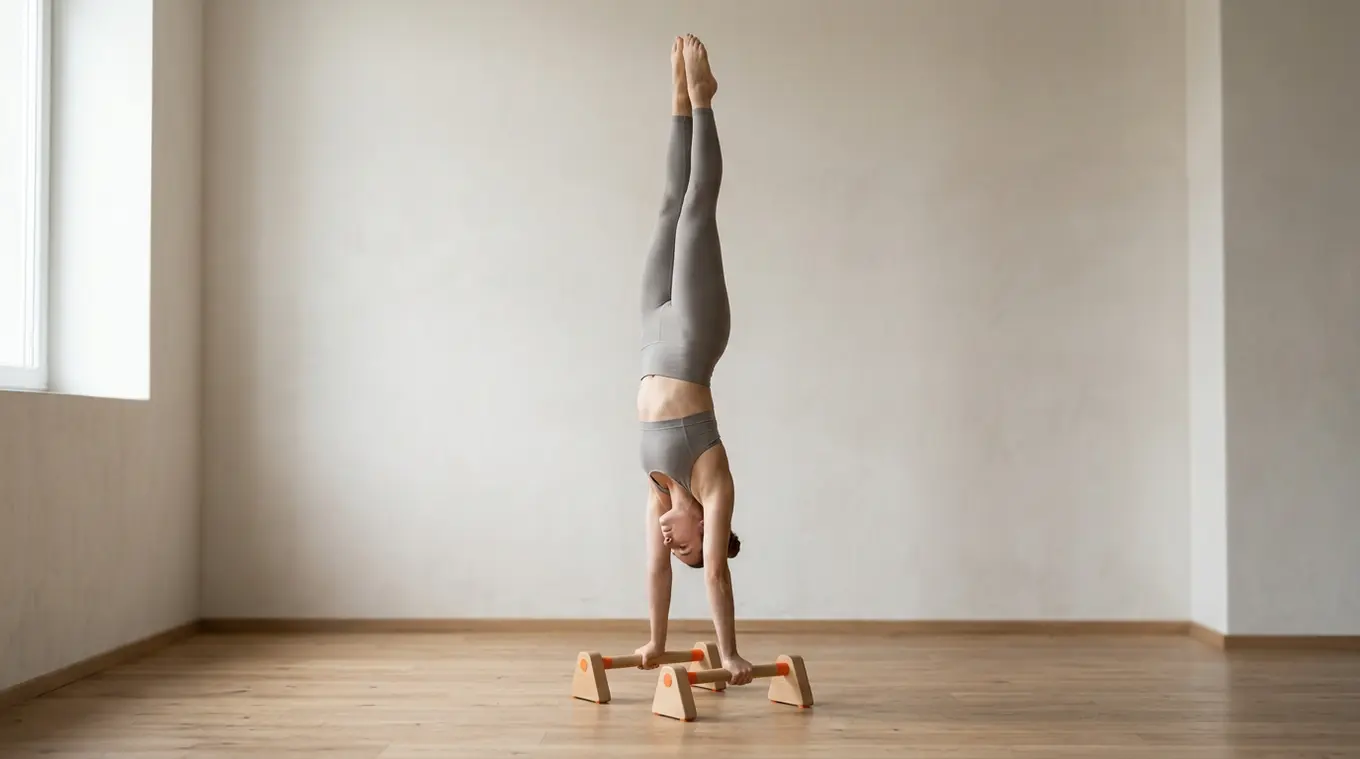
But that is not the same as saying parallettes are unnecessary. They can make handstand practice more comfortable, especially if wrist extension on the floor limits your training time. They also give some athletes a clearer sense of grip and shoulder elevation, which can improve control.
If handstands are one of your main goals, parallettes are often worth it as a support tool rather than a requirement. If you want more help with that skill specifically, this guide on how to learn a handstand is a useful next step.
It is also helpful to compare them with similar gear. In the parallettes vs. push-up bars discussion, parallettes usually win for versatility because they can handle more than pressing alone. In the parallettes vs. dip bars comparison, dip bars are better for bigger compound movements like dips, while parallettes are better for floor-based skill and strength work.
Parallettes for Home Workouts: Practical Considerations
Home training is where parallettes often shine the most. They are simple, effective, and easy to fit into a normal workout space. But before buying, it helps to look at the practical side, not just the exercise list.
Space, portability, and storage
One of the best things about parallettes is that they take up very little room. You can slide them under a bed, place them in a closet, or carry them to a park. For apartment training, that matters a lot.
Low models are especially portable, which makes them ideal if you train in different places or want a minimal setup. High models take up more room but still require far less space than a dip station or power tower.
This is one reason they show up so often in minimalist gear recommendations. They are small enough for daily use but still useful enough to justify keeping around.
What to look for before you buy
If you are wondering how to choose parallettes, focus on four things: stability, grip, height, and build quality. A stable base matters more than flashy design. If the bars wobble, your training confidence drops immediately.
Grip is next. Many athletes prefer wood because it feels warmer and less slippery than smooth metal, especially during longer sessions. Height should match your goals. Low models are great for general use. Taller ones are better when you need extra clearance.
Build quality is where price differences usually show up. How much do parallettes cost? In the US market, a basic pair may start around $30 to $50, while more durable or taller options often sit in the $70 to $150 range. That is the typical parallettes price range. Cheaper options can work, but they may not feel as solid under load.
If you want a dependable middle ground, Gornation is a sensible recommendation. Their parallettes are typically a good fit for people who want equipment that feels stable and serious enough to progress with, without jumping straight to commercial-style setups.
As for a practical parallettes exercises list, the best exercises to do on parallettes for most people are deep push-ups, L sits, tuck holds, pike holds, planche leans, shoulder taps, knee raises, and handstand drills. That range alone is enough to justify the purchase for many home athletes.
Wooden vs. metal parallettes: which material is better?
Once you have decided on a height, the next practical question is material. Most parallettes are made from wood, metal, or a combination of both, and the difference is worth understanding before you buy.
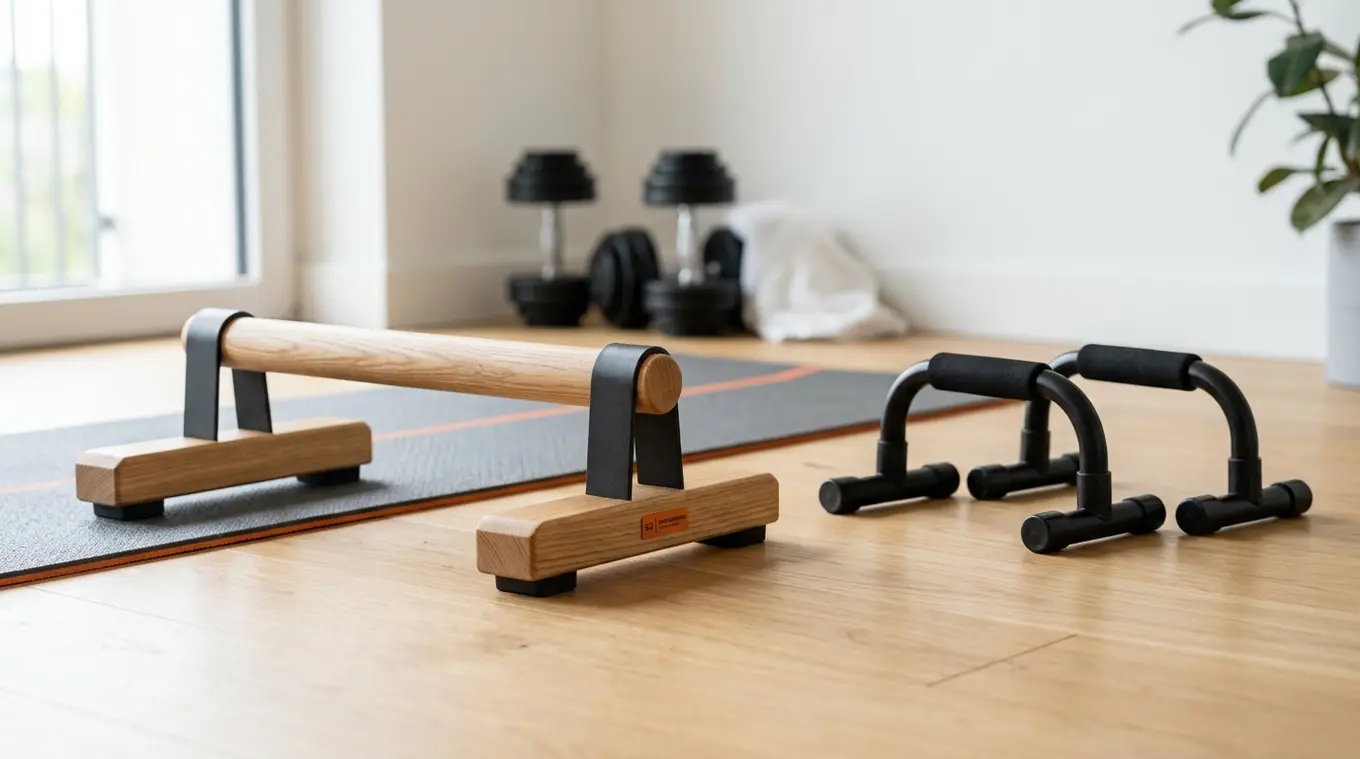
Wooden parallettes are popular for indoor training because they offer a natural grip that feels warmer and less slippery than bare metal. During longer sessions or when your hands get sweaty, wood tends to hold better. Many athletes also find them more comfortable on the skin over time.
Metal parallettes are generally more durable and easier to clean, which makes them a better fit for outdoor or mixed-environment use. Some metal models come with foam or rubber grips to improve feel, though these can wear down over time.
Hybrid designs, which combine a metal frame with a wooden bar, aim to offer the best of both. For most home athletes training indoors, wooden or hybrid parallettes tend to feel the most satisfying to use. If you plan to train outside regularly, a solid metal option may hold up better over the long term.
So, Are Parallettes Worth It? The Bottom Line
For most calisthenics athletes, yes, parallettes are worth it. They improve wrist comfort, increase range of motion, expand your exercise options, and fit easily into a home gym. They are especially useful if you train push movements often, want to practice L sits or handstands, or need compact equipment that does more than one job.
That said, they are not essential for everyone. If you rarely train at home or you only want the bare minimum equipment, you can live without them. But if you want a practical tool that grows with your training, they are one of the better investments you can make.
My honest advice is simple: if you see yourself doing regular bodyweight training for the next year, a solid set of parallettes is unlikely to be wasted money. Start with a stable pair that matches your level, and if you want a reliable option, Gornation is a brand I would comfortably point most people toward.
Frequently Asked Questions
Are parallettes better than push-up bars?
Parallettes are usually better if you want more versatility. Push-up bars are mostly for pressing movements, while parallettes can also be used for L sits, handstand drills, tuck holds, planche progressions, and mobility work. If you want one tool for broader calisthenics training, parallettes are often the smarter buy.
How much do parallettes cost in the US?
The average parallettes price range in the US starts around $30 to $50 for basic entry-level models. Mid-range and better-built options often cost $70 to $150. Price usually reflects stability, materials, grip quality, and height, so it is worth paying more if you plan to use them often.
Are low or high parallettes better for beginners?
Low parallettes are usually better for beginners because they are easier to store, easier to control, and well suited for push-ups, L sit progressions, and basic holds. High parallettes become more useful when you need extra clearance for advanced handstand drills, presses, or more specific calisthenics skill work.
Can you build muscle with parallettes?
Yes, you can build muscle with parallettes, especially through exercises like deep push-ups, pseudo planche push-ups, support holds, and L sit work. They are not a shortcut on their own, but they can improve range of motion and exercise quality, which helps make your bodyweight training more effective over time.
Which parallettes should I buy?
The best choice depends on your goals. If you want a compact all-round option, go for stable low or medium height parallettes with a comfortable grip. If handstands and advanced progressions are a priority, consider taller models. A brand like Gornation is a good place to start if you want reliable quality for long-term use.