Ever had your hands start slipping halfway through pull-ups, heavy rows, or a climbing session and wondered if you should switch chalk types? That is exactly where most people get stuck. Liquid chalk and regular chalk both help with sweat control and better grip, but they do it in different ways. In this guide, I will break down what each one is, how they feel in real training, where they work best, and which option gives you the most value. If you train calisthenics, lift weights, or climb indoors or outdoors, this will help you choose with a lot more confidence.
What Is Chalk and Why Do Athletes Use It?
In training, chalk is mainly used to reduce moisture on the hands and improve friction between your skin and the bar, rings, holds, or knurling. That sounds simple, but it matters a lot. When your hands get sweaty, your grip strength drops faster than most people expect. That can affect performance on pull-ups, muscle-ups, deadlifts, barbell rows, and climbing routes.
Most gym chalk is made from magnesium carbonate, not classroom chalk. Its job is to absorb sweat so you can keep a drier surface and hold on longer. In my own bar sessions, the difference is obvious on higher rep pull-ups and longer sets on rings. Without chalk, the hands start sliding. With the right chalk, the grip feels more secure and energy is not wasted trying to squeeze extra hard.
For calisthenics especially, chalk is not just about comfort. It can help you stay more consistent through a session. If you are still building your setup, our guide to must have calisthenics equipment is a useful next read.
What Is Regular Chalk?
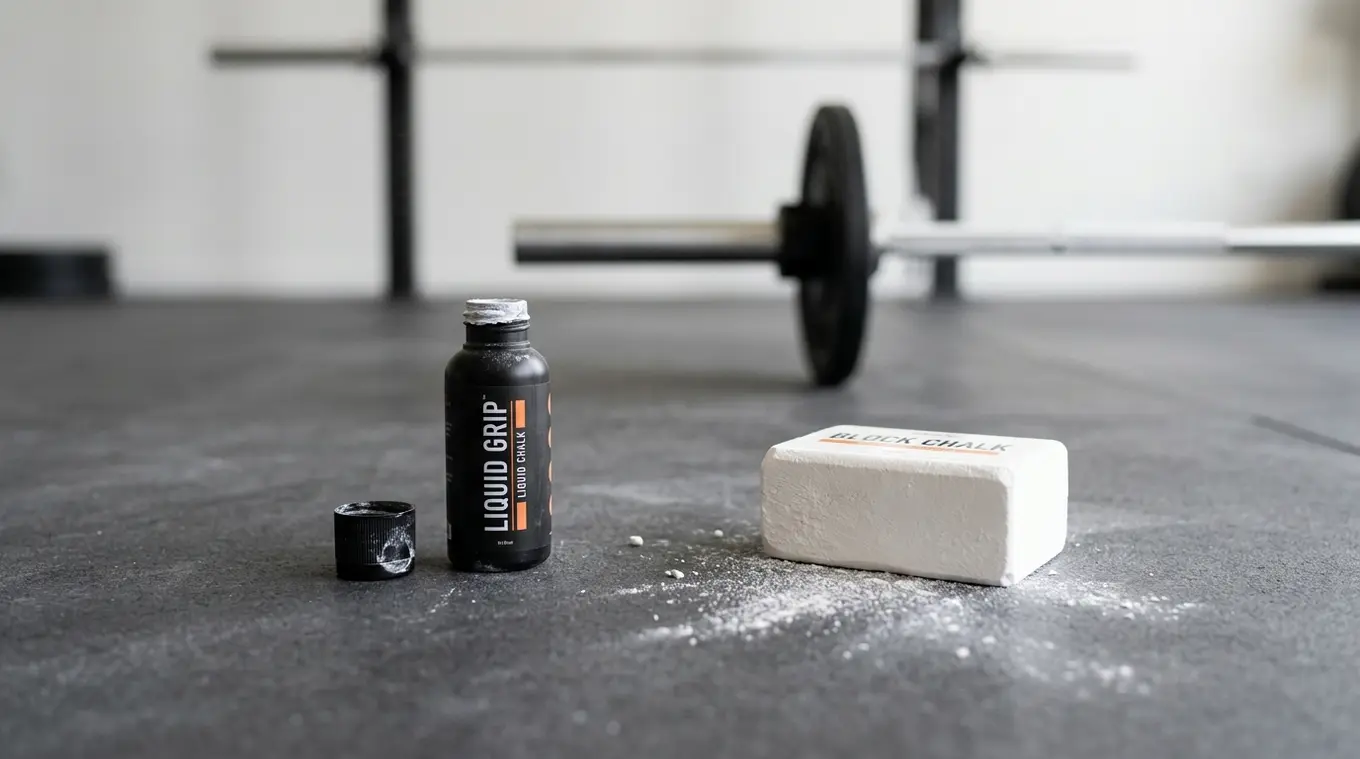
Regular chalk usually means dry chalk in a loose or solid form. You will see it sold as blocks, powder, or in chalk balls. It is the traditional option and still very popular in climbing, gymnastics, powerlifting, and calisthenics.
The big reason people keep using regular chalk is the feel. It gives that familiar dry texture right away, and it is very easy to reapply whenever your hands start sweating again. It is also usually the better option on price. Regular chalk price is lower upfront, especially if you buy blocks or larger bags.
Block Chalk and Chalk Balls
Block chalk is compressed dry chalk. You break it apart and rub it directly onto your hands, or crush it into a chalk bucket or bag. It is affordable, simple, and easy to control. Chalk balls are small fabric pouches filled with chalk dust. They release less powder into the air, so they are a cleaner version of regular chalk.
For home gyms, chalk balls can be a nice middle ground. You still get the regular chalk feel, but with less mess than loose powder. If you train on a pull-up bar in an apartment gym or shared space, that matters more than people think.
Powder Chalk: Pros and Cons
Powder chalk is the fastest to apply and reapply. Just dip your hands, clap lightly, and go. For lifting or climbing, that quick reset can be useful between attempts. It is also the cheapest option in many cases, so regular chalk price tends to win for budget-focused athletes.
The downside is obvious. Powder chalk creates dust, gets on clothes, covers bars, and can leave white marks everywhere. Some gyms do not allow it at all. It also tends to wear off faster than liquid chalk, especially during sweaty summer sessions or long workouts. So while regular chalk works well, it is not exactly mess-free chalk.
If you want a more detailed comparison between liquid and block formats for bar training, this article on liquid chalk vs block chalk for calisthenics goes deeper into that specific choice.
What Is Liquid Chalk?
Liquid chalk is magnesium carbonate mixed with alcohol and sometimes small binding agents. It comes out like a cream or thin paste. You rub it over your palms and fingers, wait a few seconds, and once the alcohol evaporates, a dry chalk layer is left on your skin.
This type has become much more common in commercial gyms and calisthenics spaces because it gives solid grip with less mess. If you train in different places, carry a gym bag, or just hate cleaning chalk dust off everything, liquid chalk is often the more convenient option.
From experience, liquid chalk for lifting and calisthenics feels especially useful when training pull-ups, front lever work, or weighted dips in gyms that do not want chalk clouds everywhere. It is neat, fast enough once you get used to it, and usually lasts longer than people expect.
How Alcohol-Based Liquid Chalk Works
The alcohol helps spread the chalk evenly across the hands, then dries quickly. That leaves a thin layer that sticks better to the skin than many people assume. This is why liquid chalk often lasts longer per application than regular chalk.
If you are wondering how to apply liquid chalk, keep it simple. Use a small amount, rub it across the palms, fingers, and thumb, then wait until it fully dries before touching the bar. Too much product just wastes chalk and can feel uneven. The best result usually comes from a thin, even coat.
One drawback is skin dryness. Some formulas can dry your hands out more than regular chalk, especially if you train often. That is manageable, but worth noting if you already deal with splits or cracked skin.
Liquid Chalk vs Regular Chalk: Key Differences
Both types improve grip, but they differ in feel, convenience, cost, and where they fit best. Here is what matters most in real training.
Grip Performance
For pure immediate feel, regular chalk still has an edge for some athletes. It gives a thicker, chalkier texture right away. That is why many climbers and lifters still love it. If you like a dry, tactile coating you can refresh instantly, regular chalk is hard to beat.
Liquid chalk usually gives a thinner layer, but the staying power is often better. For repeated sets of pull-ups, toes-to-bar, heavy carries, or long gym sessions, it often maintains better grip for longer without constant reapplication. That makes it a strong choice if sweat is your main issue.
So which wins on grip strength? In my view, regular chalk feels stronger at first contact, while liquid chalk is often better over time. Neither is automatically better for everyone.
Mess and Gym Rules
This is where liquid chalk wins clearly. It is much closer to mess-free chalk. There is less dust in the air, less residue on equipment, and less cleanup afterward. Many commercial gyms prefer liquid chalk for that reason, and some ban loose powder completely.
| Factor | Liquid chalk | Regular chalk |
|---|---|---|
| Grip feel | Thinner layer, strong staying power | Thicker, drier feel right away |
| Mess | Low mess, less dust | More dust and residue |
| Durability | Usually lasts longer per application | Wears off faster but is easy to reapply |
| Cost | Higher upfront price | Usually cheaper upfront |
| Best for | Calisthenics, commercial gyms, indoor training | Climbing, lifting gyms, outdoor sessions |
Regular chalk creates more mess, even if you are careful. Chalk balls reduce that somewhat, but they are still not as clean as liquid. If your training space is shared, small, or strict on cleanliness, less mess matters a lot.
Durability and How Long It Lasts
Liquid chalk usually lasts longer per application. Once it dries well, it tends to stay on the skin through multiple sets. That is why liquid chalk for lifting and liquid chalk for climbing are both popular in indoor settings.
Regular chalk fades faster, especially if your hands sweat heavily. The advantage is that it is very easy to top up. If you are on a long climbing route or doing repeated heavy attempts, quick reapplication can be useful. In simple terms, liquid chalk lasts longer, regular chalk is easier to refresh.
On cost, liquid chalk price is generally higher per bottle than regular chalk price per block or bag. But because you often use less each session, the long-term difference is not always huge.
Does Chalk Dry Out Your Hands?
Both types can dry out the skin over time, but liquid chalk tends to be more drying because of its alcohol content. If you train frequently, this can lead to cracked skin, splits at the fingers or palm, or torn calluses. Regular chalk is milder in this regard, though heavy use of any chalk will eventually affect skin condition.
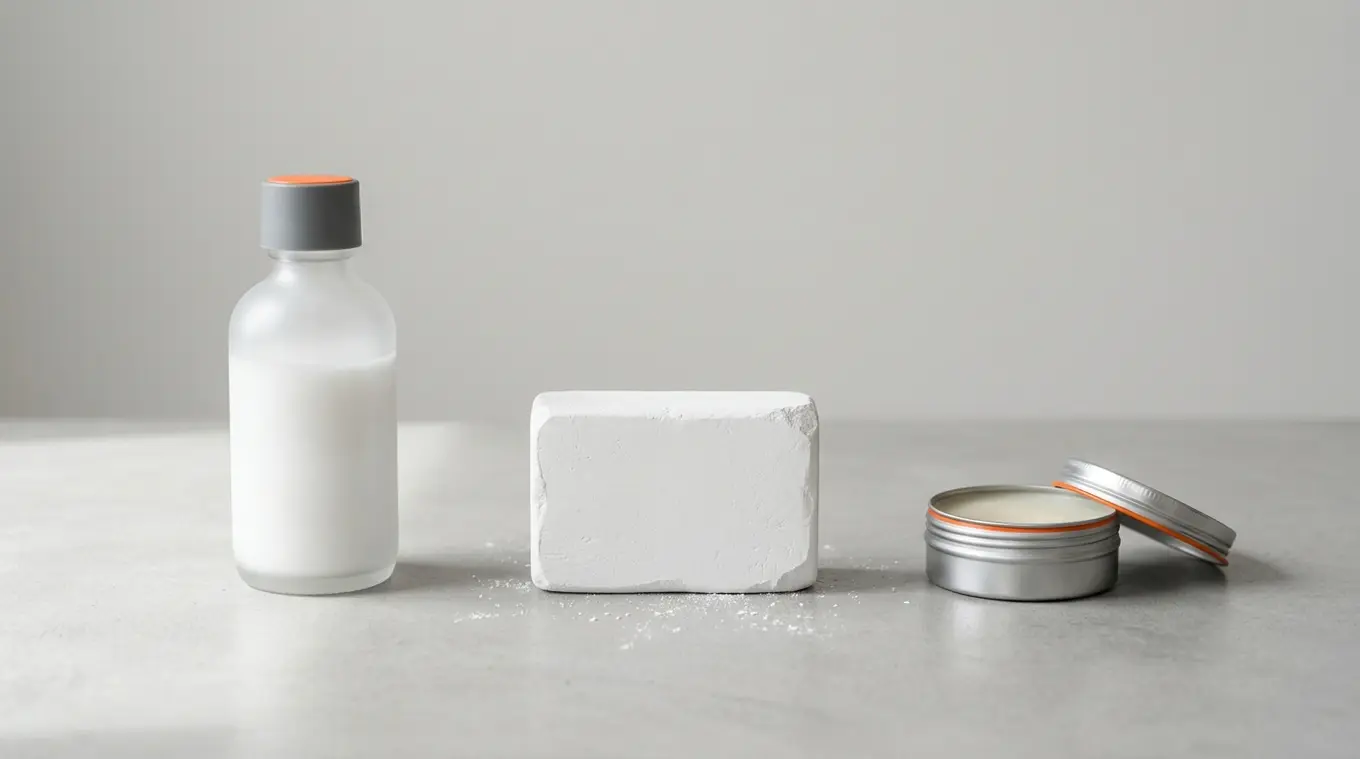
To manage this, apply a hand cream or balm after training, not before. A basic moisturizer, a climbing salve, or a beeswax-based balm all work well. Avoid putting anything on your hands right before a session, as added moisture reduces grip. Lightly filing down rough or raised calluses after training can also help prevent tears. If your skin is already cracked or sore, reducing chalk use temporarily and giving your hands time to recover is worth considering.
Which Type of Chalk Is Best for Your Training?
The right answer depends less on which chalk is popular and more on how and where you train.
Best for Calisthenics and Pull-Ups
For calisthenics, I usually lean toward liquid chalk. On pull-ups, muscle-ups, front lever drills, and ring work, it gives reliable grip without covering the whole bar area in powder. That is especially helpful in public parks, shared gyms, and home setups.
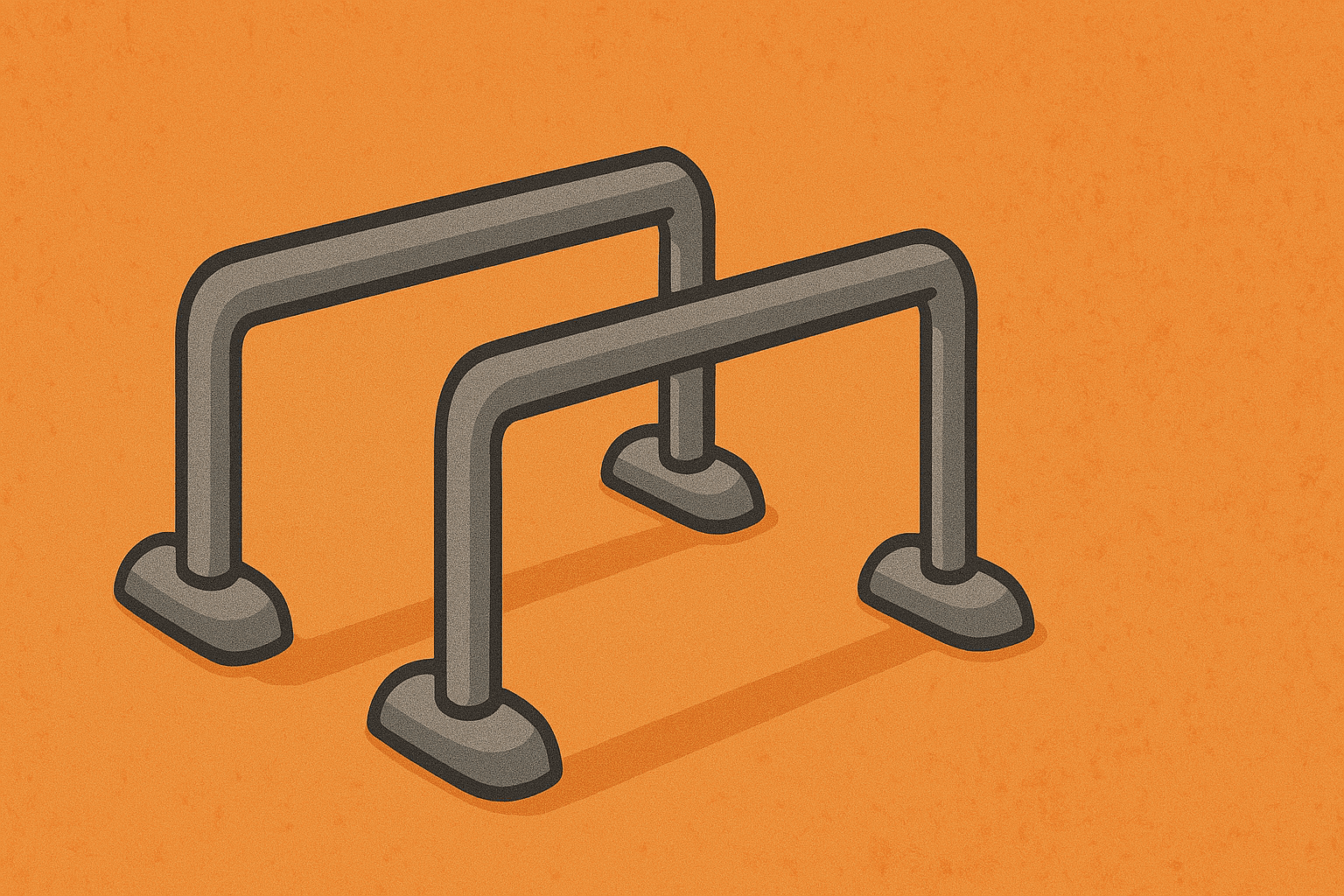
If you are training high-volume bar work or skill work like handstands on parallettes, cleaner hands and equipment are a plus. If that sounds like your style, check out our guide to the best liquid chalk for calisthenics. A good option to consider is liquid chalk from Gornation. It fits calisthenics use well because it is easy to carry, simple to apply, and practical for bars, rings, and parallettes.
Regular chalk still works well for static bar training and short heavy sets, but if your main issue is sweaty hands and gym restrictions, liquid usually makes more sense.
Best for Weightlifting and Climbing
For weightlifting, regular chalk is still the classic choice, especially in serious lifting gyms where chalk dust is accepted. It is cheap, easy to reapply, and gives that thicker bar feel some lifters want for deadlifts and heavy pulling.
That said, liquid chalk for lifting is often the smarter choice in commercial gyms because it keeps the floor and bar cleaner and still provides strong sweat control. For climbing, the answer is more mixed. Liquid chalk for climbing is excellent indoors because of less mess and better durability. Outdoors, many climbers still prefer regular chalk because it is quick to top up and feels more natural on long sessions.
A hybrid setup can work really well too. Apply liquid chalk as a base, then use a bit of regular chalk when needed. A lot of experienced athletes end up doing exactly that.
Our Recommendation
If you want the simplest answer, liquid chalk is the better all-around choice for most calisthenics athletes and many gym lifters. It creates less mess, lasts longer, travels easily, and is accepted in more gyms. For pull-ups, dips, muscle-ups, and weighted bodyweight work, that combination is hard to beat.
Regular chalk still deserves a place. It is cheaper, easy to reapply, and gives that classic dry feel many climbers and lifters enjoy. If you train outdoors a lot, climb long sessions, or want the lowest regular chalk price, it remains a smart option.
My honest advice is this. If you are new and only want one product, start with a quality liquid chalk, ideally one designed for calisthenics use such as Gornation liquid chalk. If you already know you like a thicker feel or train in a lifting environment where dust is not an issue, keep regular chalk on hand too. For many athletes, the best answer is not liquid chalk vs regular chalk as an either-or choice. It is knowing when each one helps most.
Frequently Asked Questions
Is liquid chalk better than regular chalk?
Not in every situation. Liquid chalk usually lasts longer and creates less mess, while regular chalk is cheaper and easier to reapply. For lifting in commercial gyms, liquid chalk is often more practical because it controls sweat well and keeps equipment cleaner. If you lift or climb outdoors, regular chalk may still feel better. The right choice depends on your gym environment and personal preference.
How do you apply regular chalk?
Rub a small amount onto your palms, fingers, and base of the thumb. You do not need a thick layer. Too much chalk can cake up and reduce feel. With powder chalk, apply lightly and shake off the excess before touching the bar or holds.
How do you apply liquid chalk?
Squeeze out a small amount, spread it across both hands, and wait a few seconds until fully dry. Cover the palms, fingertips, and thumb area evenly. The key is using less than you think. A thin coat usually gives the best grip and wastes less product.
Does liquid chalk improve grip strength?
It can improve effective grip by reducing sweat and increasing friction between your hands and the bar or holds. It does not directly make your forearms stronger, but it helps you use your existing grip strength better, especially during pull-ups, rows, carries, and climbing sessions.
Is liquid chalk allowed in most gyms?
Usually yes. Many gyms prefer it because it causes less mess than loose chalk. Still, rules vary by location, so it is always worth checking first. Liquid chalk is generally the safer choice if you train in commercial or shared fitness spaces.
Why do some climbers still prefer regular chalk?
Many climbers like the immediate dry feel and the ability to reapply quickly during longer sessions. Regular chalk also tends to cost less and feels more familiar, especially outdoors. Liquid chalk for climbing is great indoors, but regular chalk still has a strong following for good reason.
Is regular chalk cheaper than liquid chalk?
Yes, regular chalk price is usually lower upfront than liquid chalk price. Blocks, chalk balls, and powder bags are often more budget-friendly. However, liquid chalk can last surprisingly long per use, so the long-term cost difference may be smaller than it looks.
Can you use both liquid chalk and regular chalk together?
Yes, and it works well. A thin base layer of liquid chalk can improve durability, and a light top-up of regular chalk can add that fresh dry feel. This is especially useful for climbing, longer lifting sessions, or high-volume pull-up workouts.
What chalk should calisthenics beginners buy first?
For most beginners, liquid chalk is a good starting point. It is easier to carry, cleaner in shared spaces, and very effective for pull-ups, dips, and ring work. If you later decide you prefer a thicker dry feel, you can always add regular chalk as a second option.
Choosing between liquid chalk vs regular chalk comes down to your training style, sweat level, and gym environment. If you want better grip with less mess and longer staying power, liquid chalk is usually the smarter pick. If you want the lowest cost and the easiest reapplication, regular chalk still does the job well. For most calisthenics athletes, starting with liquid chalk makes sense, and you can always add regular chalk if you miss that classic feel. The good news is that both work. You just need the one that fits your hands, your sessions, and the place you train.