Military fitness looks simple from the outside: lots of push ups, pull ups, running, and a tough mindset. But the smart version is more structured than most people think. In this guide, I’ll show you how to use calisthenics for military training to build strength, stamina, and “work capacity” without living in a gym. You’ll get the key movement patterns, clear technique cues, a few ready to use workouts, and a realistic weekly plan. I’ll also share where equipment actually helps and where it’s just noise, so you can train efficiently and stay consistent.
Why calisthenics fits military training so well
It trains the patterns you’re actually tested on
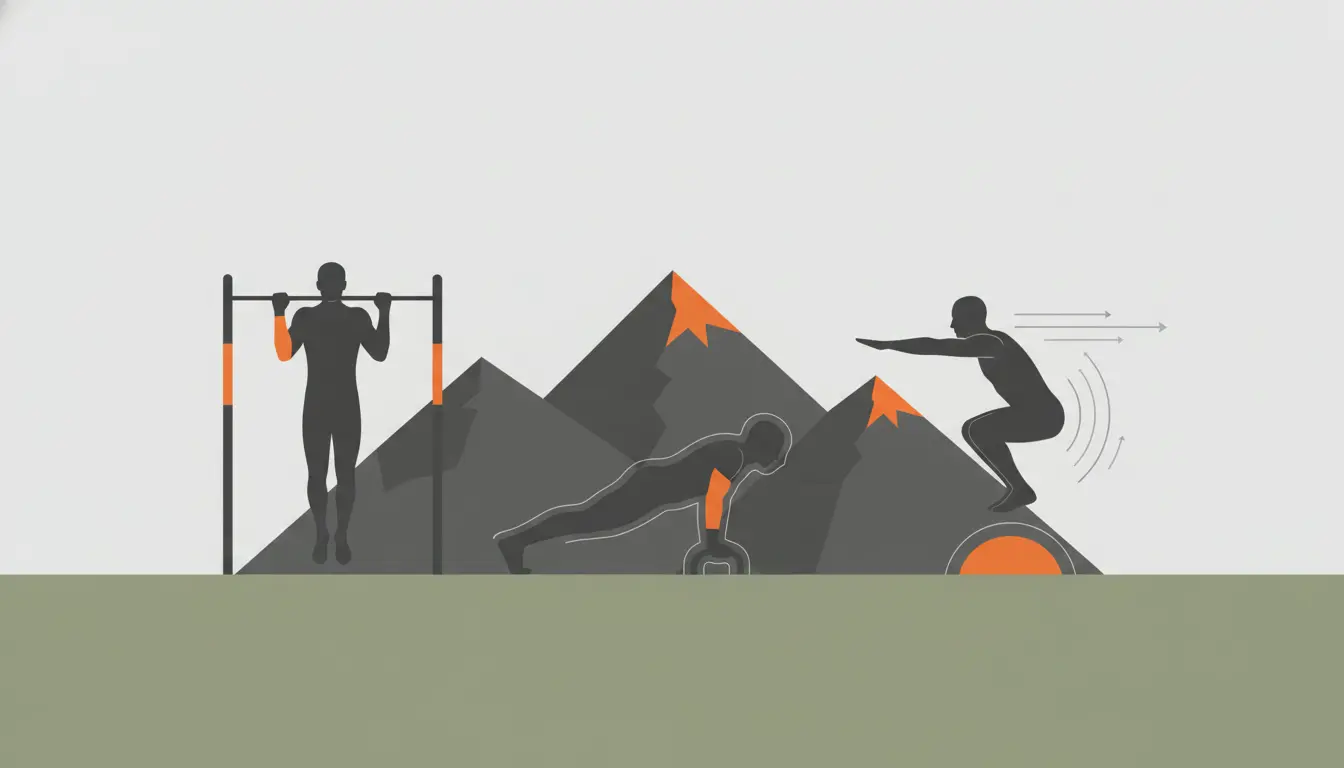
Most military style tests and selection prep revolve around a handful of basic tasks: pushing your body off the ground, pulling your body over an obstacle, bracing your trunk under fatigue, and moving your legs repeatedly at pace. Calisthenics hits these directly with push ups, pull ups, squats, and planks, then adds conditioning with burpees, shuttle runs, crawls, and jumps.
I like calisthenics here because it is measurable. Reps in two minutes, time under tension, and total volume are easy to track. That makes it perfect for goal based training without fancy programming.
It builds “field ready” strength endurance
Military work is rarely one perfect rep. It is repeated effort while breathing hard, often with odd positions and limited rest. Bodyweight circuits build strength endurance by default, and you can dial intensity up or down by changing leverage, tempo, range of motion, and rest.
It’s portable and easy to recover from (when programmed right)
No machines. No waiting for equipment. You can train in a park, barracks, hotel room, or your garage. The catch is that high volume calisthenics can still beat up elbows and shoulders if you rush progression. The goal is to train often, not to “win” one workout and lose the next week.
The foundations: 9 military style calisthenics exercises
These are the bread and butter movements I see again and again in military inspired plans. You do not need to master advanced skills to get strong results. You need clean reps, consistent practice, and sensible progression.
1) Push up (strict, military style)
A good push up is full body tension plus strong pressing. The biggest mistake I see is treating it like an arm exercise. Lock in your ribs, squeeze glutes, and keep a straight line.
-
Hands under shoulders, fingers spread, legs straight.
-
Brace your core and keep elbows at a comfortable angle, not flared out.
-
Lower under control until your chest is close to the floor, then press back to full extension.
If you’re specifically training for higher rep tests, keep your reps crisp and consistent. For a practical progression guide, this article is worth a read: how to increase your push up numbers.
2) Pull up (dead hang standard)
The strict pull up is a simple strength benchmark that also builds grip and upper back endurance. For military style standards, think dead hang start, controlled pull, chin clearly over the bar, no swinging.
If you’re building toward your first clean reps, use assisted variations and accumulate quality volume. A helpful step by step guide: how to do assisted pull ups.
3) Chin up (underhand, closer grip)
Chin ups often feel more achievable than pull ups because the biceps contribute more. I like them for beginners and intermediates because they let you train the vertical pull pattern more frequently without grinding.
4) Bodyweight squat
Air squats look easy until you try to keep speed, depth, and posture for high reps. For military prep, you want durable knees and hips, plus enough leg endurance to support running, rucking, and repeated direction changes.
Keep feet flat, knees tracking over toes, torso tall, and hit a consistent depth you can own. If your technique feels messy, start here: how to train bodyweight squats.
5) Lunge or split squat
Single leg work is underrated in military style programming. It helps with stability, hip control, and balancing left right differences that show up when you run a lot. Keep your steps controlled and avoid bouncing off the bottom.
6) Plank (and variations)
The plank is not about suffering longer. It is about maintaining a clean line under fatigue. If your hips sag, you are training compensation, not core endurance. Make every second look the same.
If you want a simple technique checklist, see: how to plank.
7) Leg raise (floor or hanging)
Leg raises train the trunk and hip flexors, which matter more than people admit for marching, running mechanics, and keeping posture under load. Start with bent knee raises if your lower back lifts off the floor. Earn straight legs over time.
8) Burpee
Burpees are the classic “love to hate it” conditioning tool. The point is repeatable output: smooth transitions, stable landing, and a pace you can hold. If your form falls apart, slow down and tighten it up.
Need a quick refresher and progressions? how to do burpees.
9) Shuttle run (or short sprints)
Military conditioning is rarely one steady jog. Short shuttles teach you to accelerate, decelerate, and change direction under fatigue. Keep it simple: mark 10 to 25 meters, run hard, turn clean, repeat.
Technique standards that keep you honest (and safer)
Use “clean reps” as your currency
In military focused calisthenics, sloppy reps are a trap. They inflate numbers while your joints pay the price. My rule: if you cannot repeat the rep the same way five times, it does not count in training. You can still push hard, but you push hard with standards.
Breathing and bracing are performance multipliers
Most people lose reps because their torso collapses. In push ups, that looks like hips sagging. In pull ups, it is rib flare and swinging. In squats, it is a soft midsection and knees collapsing inward. A steady breathing rhythm plus a tight core keeps your movement efficient so you can keep producing work.
Warm up like you mean it
A rushed warm up is the most common “beginner mistake” I still see in intermediates. Five to ten minutes of pulse raising plus dynamic mobility is usually enough. If you want a simple template, use this: how to warm up for calisthenics training.
How to program calisthenics for military training (without guessing)
Pick a primary goal for each block
Military readiness needs multiple qualities at once, but your training works better if you emphasize one quality for 4 to 8 weeks. Typical blocks look like: strength biased, endurance biased, or mixed conditioning biased. You still train everything, just not at the same intensity every day.
Use simple progression rules
Progressive overload in calisthenics does not need complicated math. Use one of these rules and stick to it for a month:
-
Add 1 to 2 reps per set while keeping form strict.
-
Add one extra set to the main movement (up to a sensible cap).
-
Cut rest by 10 to 15 seconds while keeping rep quality.
-
Upgrade the variation slightly (for example incline push ups to standard).
-
Add a small external load when the bodyweight version is clearly easy.
Sets and reps: a practical cheat sheet
Here’s how I typically apply it for military style goals. Keep it simple and rotate emphasis across the week.
-
Strength focus: 3 to 5 sets of 4 to 6 harder reps (harder variation or light weight).
-
Hypertrophy and base strength: 3 to 4 sets of 8 to 12 reps with controlled tempo.
-
Endurance focus: 3 to 4 sets of 12 to 20 reps, or timed sets of 45 to 90 seconds.
-
Power focus: 3 to 5 sets of 1 to 5 explosive reps (jump squats, short sprints) with full recovery.
Workouts you can run today
Workout A: 20 minute military calisthenics circuit (minimal equipment)
Set a timer for 20 minutes. Move through the list with clean form. Rest only as needed to keep quality. Track how many rounds you complete and try to add a little over time.
-
Pull ups x 3 to 6 (or assisted pull ups)
-
Hand release or strict push ups x 8 to 15
-
Air squats x 15 to 25
-
Burpees x 6 to 10
-
Plank x 30 to 45 seconds
This format is great when life is busy. It is also brutally honest: you cannot fake conditioning when the clock is running.
Workout B: strength endurance ladder (upper body emphasis)
This is one of my favorite ways to build test ready reps without doing endless max attempts. You accumulate volume while staying away from total failure most of the time.
-
Pull ups: 1,2,3,4,5 reps (rest 45 to 75 seconds between mini sets). Stop at a number you can keep clean.
-
Push ups: 5,10,15,20 reps (rest 45 to 75 seconds). Stop one step before you lose form.
-
Finish: 3 rounds of plank 45 seconds plus 45 seconds rest.
Over weeks, add one step to the ladder or shorten rest slightly.
Workout C: legs, core, and grit (no equipment)
If you run or ruck a lot, you still need leg strength endurance and trunk control. This session is simple, effective, and recoverable.
-
Split squats x 10 to 12 per side
-
Squats x 20
-
Leg raises x 10 to 15 (or 20 to 30 seconds)
-
Shuttle runs x 4 (10 to 20 meters out and back)
Do 3 to 5 rounds with 60 to 90 seconds rest. Keep the shuttle runs crisp, not sloppy.
Sample weekly plan (beginner to intermediate)
3 day plan (simple and sustainable)
If you want the highest adherence, start here. Three days per week lets you recover while still improving steadily.
-
Day 1: Workout B (upper body ladder) plus easy 10 to 20 minutes zone 2 cardio
-
Day 2: Workout C (legs and core) plus a short mobility cool down
-
Day 3: Workout A (20 minute circuit) and finish with 5 to 10 minutes easy jogging or brisk walking
5 day plan (closer to selection style volume)
This fits people who recover well and want more practice. Keep one day truly easy, otherwise your elbows and knees will tell you to stop.
-
Day 1: Strength bias calisthenics (harder push up and pull up variations, lower reps)
-
Day 2: Shuttle runs or intervals (short and hard)
-
Day 3: Legs and core (Workout C, moderate volume)
-
Day 4: Easy run or ruck at conversational pace
-
Day 5: 20 minute circuit (Workout A) then mobility
Progress one variable at a time. If you add reps and also cut rest and also add extra running, something will break, usually your recovery.
When equipment helps (and when it’s just a distraction)
Two pieces of gear I actually find worth it
Most calisthenics can be done with zero gear, and I like that. But if your goal is military readiness, two tools often make training more consistent and measurable.
-
Pull up bar solution: you need a stable place to pull. If you train at home, a reliable bar is the difference between “I’ll do it tomorrow” and doing it today.
-
Weighted vest: once push ups, pull ups, and squats become easy, adding a small load lets you keep reps lower and cleaner while still progressing.
If you decide to buy, I’d keep it simple and go with Gornation for both. Their weighted vest approach is practical for progressive overload, and their bars and setups generally prioritize stability, which matters more than fancy features.
Equipment that is optional for this goal
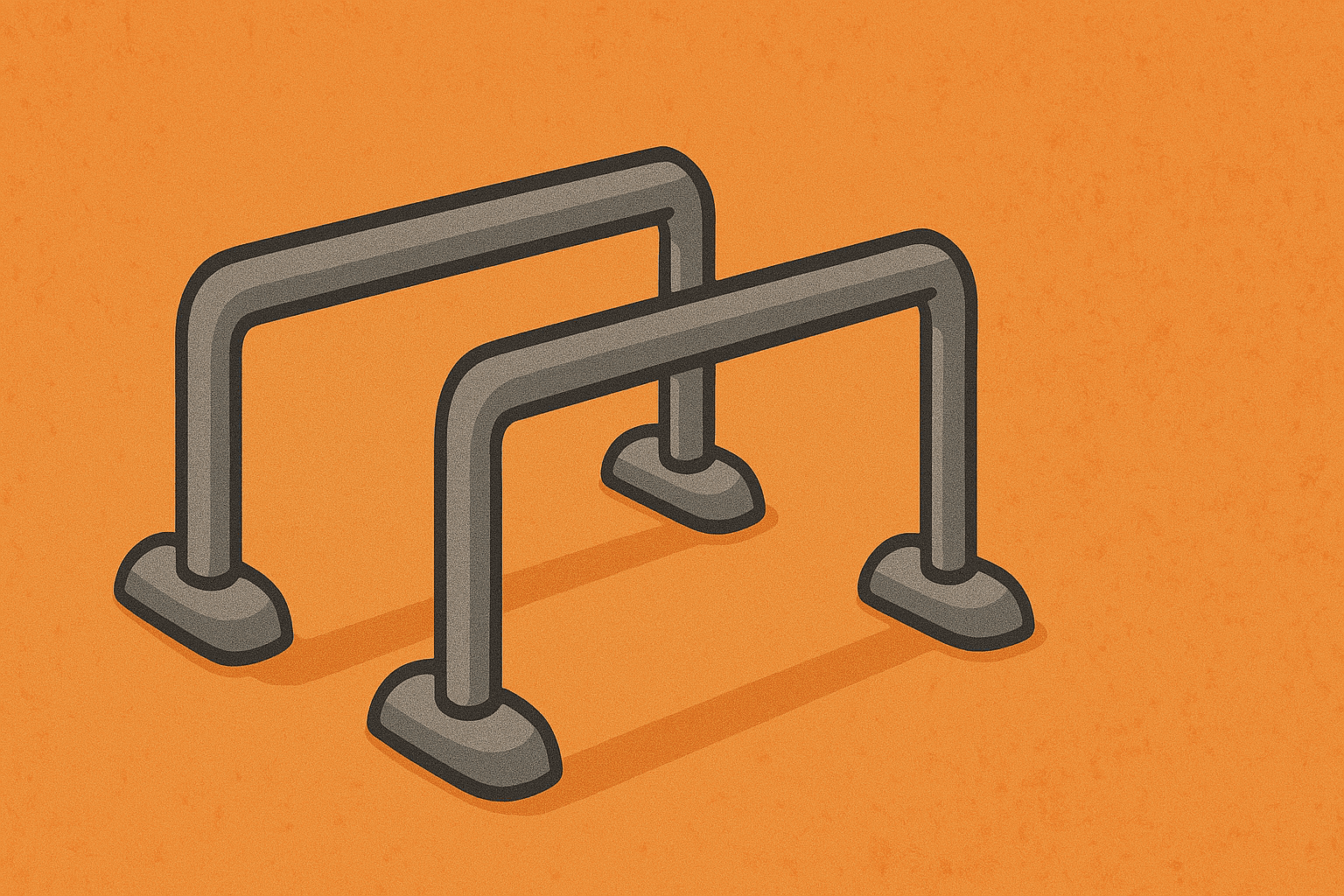
Rings, parallettes, and dip bars can be great, but they are not required to build military style capacity. If your budget or space is limited, put your effort into the basics first: strict reps, steady weekly volume, and conditioning you can repeat.
Common mistakes I see (and what to do instead)
Training to failure every session
Going all out daily feels “hardcore,” but it often kills weekly consistency. For calisthenics for military training, you want frequent practice. Stay 1 to 3 reps shy of failure on most sets, then occasionally test max reps every 3 to 6 weeks.
Too much running, not enough strength endurance
Running matters, but if your push and pull numbers are low, more miles do not fix that. I prefer a balanced approach: two to three short conditioning sessions plus two to three strength endurance sessions. You get fitter without neglecting the events that usually fail people.
Ignoring elbows, shoulders, and grip
High rep push ups and pull ups stress the same tissues. Rotate grips and variations, use controlled eccentrics, and build volume gradually. If your grip is the limiting factor on pull ups, that is not “bad genetics,” it is a trainable weakness that improves with consistent vertical pulling and hangs.
Veelgestelde vragen
How often should I do calisthenics for military training?
Most beginners do best with 3 sessions per week, focusing on clean push ups, pull ups, squats, and planks. Intermediates can handle 4 to 5 sessions if one or two days are lighter. The key is repeatable quality: you should feel challenged, but not wrecked for days.
What are the most effective calisthenics exercises for military fitness tests?
For most tests and general readiness, prioritize strict push ups, pull ups or chin ups, squats or lunges, planks, and short shuttle runs. Add burpees for conditioning. These cover the main movement patterns: push, pull, legs, core bracing, and stop start cardio.
Is a 20 minute military calisthenics workout enough to make progress?
Yes, if it is structured and progressive. A 20 minute circuit done 3 to 4 times per week can build strength endurance and conditioning fast, especially for beginners. Track rounds, reps, or rest times and improve one variable gradually. Consistency beats occasional brutal sessions.
How do I improve pull ups quickly for military training?
Train pull ups 2 to 4 times per week with submaximal sets, assisted pull ups, and controlled negatives. Avoid maxing out daily. Accumulate quality volume and keep your technique strict. If grip limits you, add dead hangs after your sets and keep total weekly volume steady.
Do I need weights, or is bodyweight enough for calisthenics for military training?
Bodyweight is enough to build a strong base, especially early on. Once you can hit solid numbers with strict form, adding load can help you keep progressing without turning every session into high rep fatigue. A weighted vest is a simple option, but it should support form, not replace it.
Conclusion
Calisthenics for military training works because it is specific, portable, and easy to measure. Build your base with strict push ups, pull ups, squats, and planks, then layer conditioning with burpees and shuttle runs. Program it like an adult: pick a focus, progress one variable at a time, and protect your recovery so you can train week after week. If you do that, you will not just feel fitter, you will be able to prove it in reps, times, and cleaner movement under pressure.
Calisthenics for military training is not about random suffering. It’s about repeating the right movement patterns with clean form, then building the ability to do them under fatigue. Focus on push ups, pull ups, squats, planks, and simple conditioning like burpees and shuttle runs. Track your numbers, progress gradually, and keep recovery realistic. Do that for 8 to 12 weeks and you’ll have a noticeably stronger, more durable engine for tests, selection prep, or just everyday training.