If you climb regularly, you have probably wondered whether a normal pull up bar is really enough for climbing training at home. That question comes up a lot, especially when you want better pulling strength, stronger shoulders, and more time hanging without turning your apartment into a full climbing gym. The truth is that climbers usually need a more stable, more useful setup than the average doorway bar. In this guide, I will walk you through the best rock climbing pull up bars, what actually matters before you buy, which setup fits your space, and how to use your bar for training that transfers well to bouldering and sport climbing.
Why Rock Climbers Need a Different Kind of Pull Up Bar
A climber does not use a pull up bar the same way a casual fitness user does. For most people, a bar is just there for a few reps of pull ups or chin ups. For climbers, it becomes a training station for strict pulling, lock offs, scapular work, hangs, towel work, ring attachments, and often a hangboard or fingerboard setup too. That changes what matters.
In my experience, the biggest mistake climbers make is buying the cheapest doorway bar they can find and expecting it to feel solid enough for serious training. It might work for light use, but once you start adding weighted hangs, explosive pulls, offset work, or long sessions several times a week, weaknesses show up quickly. That is where pull up bar stability for climbers really matters.
The difference between a standard pull up bar and a climbing specific one
A standard pull up bar is built around general fitness. It usually focuses on convenience, low price, and easy installation. A climbing specific setup is more about rigidity, clearance, mounting options, and compatibility with accessories. Climbers often care less about ten different grip handles and more about whether the bar can hold repeated high tension work without wobble.
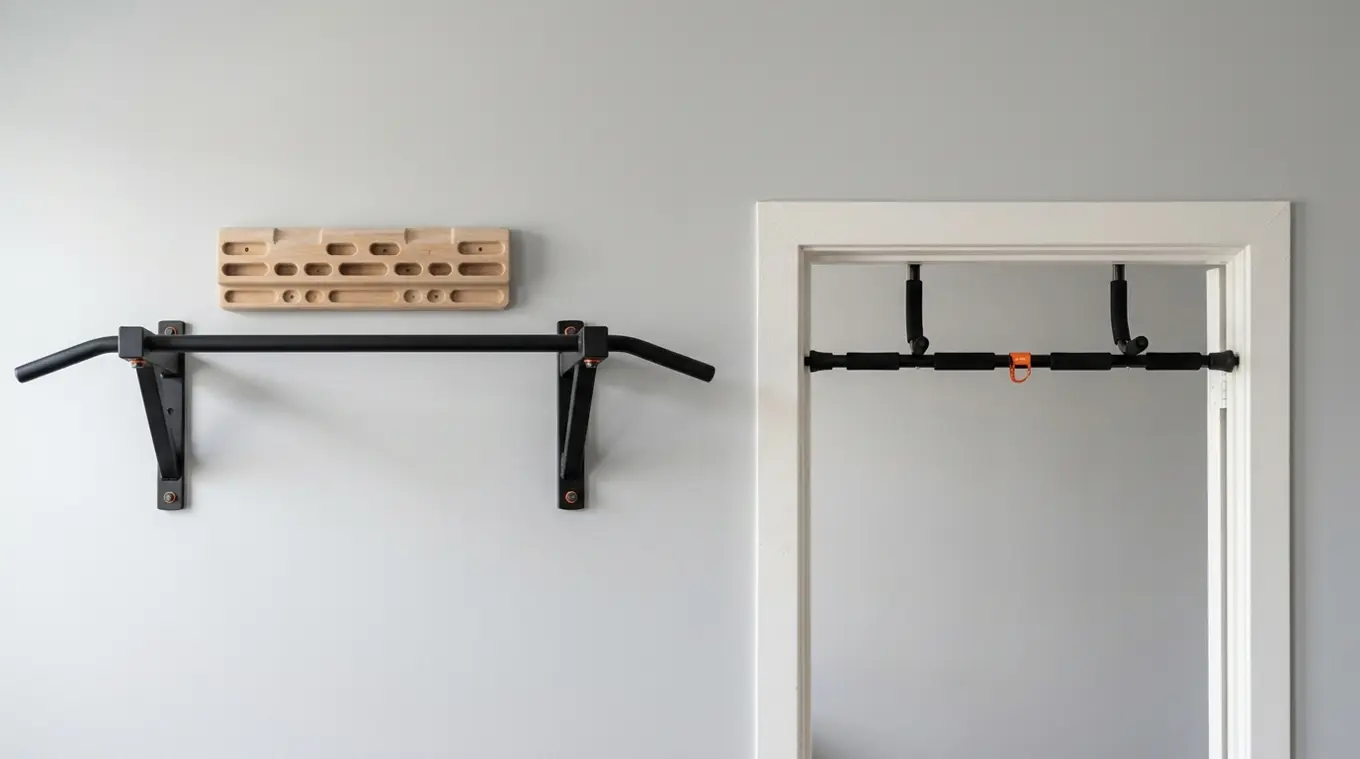
Another difference is bar placement. Climbers often want enough room above or around the bar to add a hangboard, campus rung, rings, or blocks. That is why a wall mounted pull up bar for climbers or a ceiling mount pull up bar for climbers often makes more sense than a simple doorframe option. It gives you better body clearance, more confidence during hard pulls, and a better base for progressive training.
What makes a pull up bar suitable for climbing training
A good rock climbing pull up bar should feel stable first. After that, it should have enough weight capacity, enough wall or ceiling clearance, and a bar diameter that supports both standard pulling and grip focused work. It should also be easy to integrate into a compact home setup.
For climbers, I usually prioritize five things. First is solid installation into studs or joists. Second is enough depth to avoid banging knees or feet into the wall. Third is realistic pull up bar weight capacity for climbers, especially if you plan to add a weight vest, dip belt, or finger training tools. Fourth is bar diameter that does not feel too thin or too slick. Fifth is compatibility with hangboards, straps, rings, and other climbing accessories.
If your goal is performance, not just exercise variety, you should think of your bar as part of a system. The best setup is rarely the one with the most features on paper. It is the one you actually trust enough to train hard on.
Best Rock Climbing Pull Up Bars: Our Top Picks
There is no single best option for every climber. The right choice depends on whether you train in a garage, apartment, spare room, or full home gym. Below are the models and setups I would look at first if your main goal is climbing specific strength.
Best overall pull up bar for climbers
If I had to recommend one option for most serious climbers in the United States, it would be a heavy duty wall mounted unit like the REP Fitness Wall Mounted Multi Grip Pull Up Bar. It is not marketed only to climbers, but it checks a lot of boxes that matter. It has very strong steel construction, a high listed capacity, and enough stability for strict pull ups, lock offs, weighted work, and ring attachments when installed correctly. For many people, this is the safest all around bet among the best rock climbing pull up bars.
What makes it especially useful is that it is stable enough for repeated training and has enough structure to serve as the anchor point in a small home gym. Even if you mostly use the straight sections, the extra grip options can help with shoulder comfort and variation. I still think climbers should care more about stability than gimmicks, but in this case the versatility is a bonus rather than fluff.
If you want a calisthenics focused alternative, Gornation is a brand I often recommend for bodyweight training gear because the build quality is usually reliable and practical. If you already use Gornation rings, bands, or weighted gear, pairing them with a solid mounted bar creates a very clean setup for both climbing support work and general upper body training.
Best pull up bar for small spaces and apartments
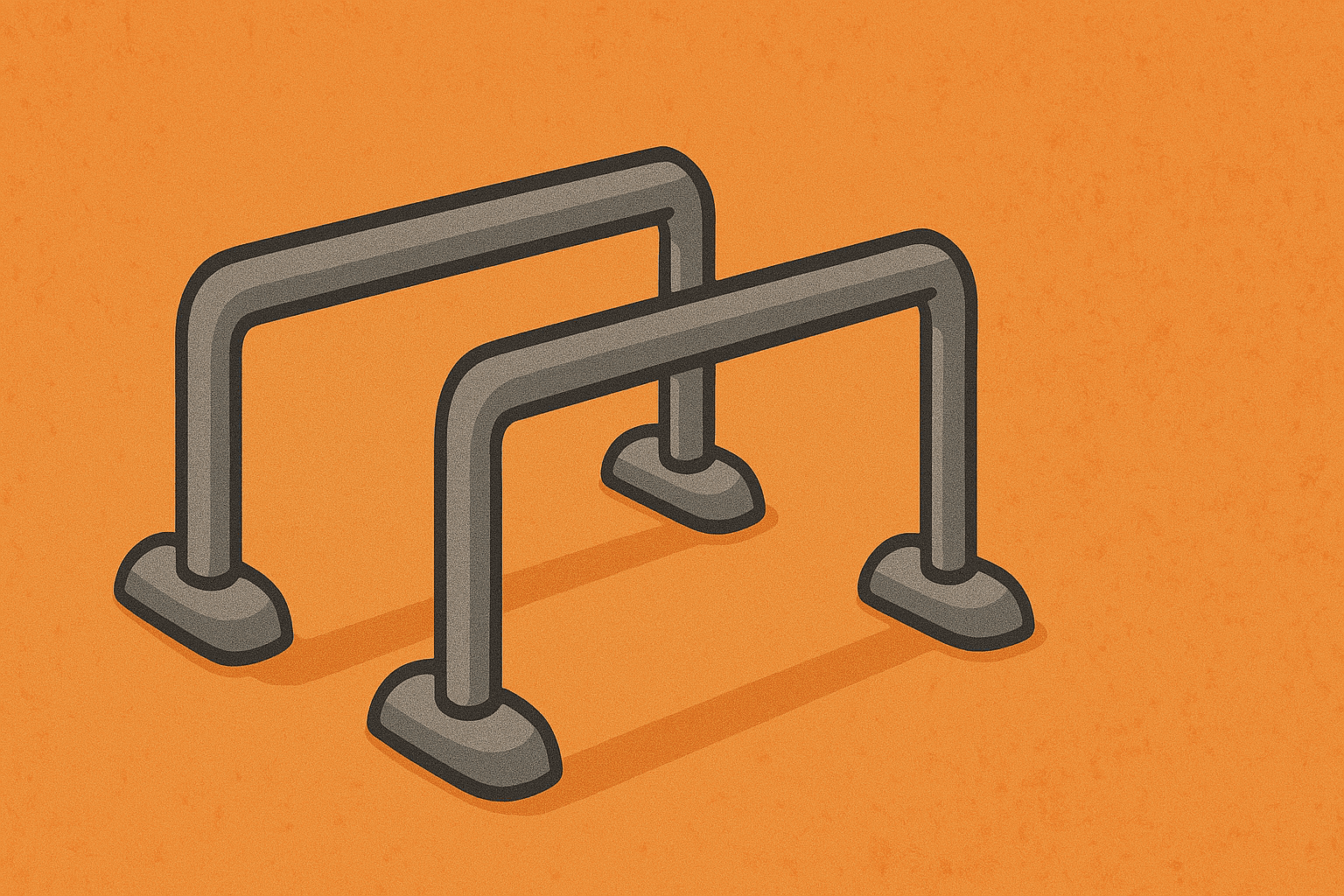
If you live in an apartment or rental, your choices are more limited. A doorway bar can work, but it is rarely ideal for climbers who want maximum confidence under load. A better option can be a freestanding unit if you have the footprint, or a renter friendly mounted option if drilling is allowed. Among current options, a compact freestanding station like BaseBlocks The Big Bar is worth considering for small spaces where wall mounting is not possible.
It takes up more floor space than a doorway setup, but it avoids permanent installation and usually feels more trustworthy than a cheap removable bar. The tradeoff is that freestanding units can still move a bit depending on design, and they are usually not as good for integrated hangboard setups.
If you are comparing apartment friendly options, it helps to also read broader guides on pull up bars for renters and the best calisthenics equipment for apartments. For many climbers, the right answer is not the smallest bar but the one that lets you train consistently without damaging your place or second guessing the setup every session.
Best portable pull up bar for climbers on the go
Portable options are always a compromise. If you travel often, train outdoors, or want something you can move between spaces, a lightweight doorway solution or foldable freestanding bar can help. Just keep your expectations realistic. Portable bars are fine for maintenance work, light pulling, shoulder activation, and casual hangs, but not my first choice for heavy, repeated climbing specific strength sessions.
For climbers on the go, I often think a simple travel setup works better than chasing the perfect portable bar. A decent bar plus rings, a resistance band, and a few grip tools usually covers enough. Gornation rings are a smart addition here because they are easy to pack and open up rows, lock off work, scapular drills, and core exercises when a fixed bar is not ideal.
If portability is your top priority, keep the session goals simple. Use the bar to maintain pulling strength and movement quality, then do your higher intensity finger specific work elsewhere.
Best pull up bar for mounting a hangboard or fingerboard
For this purpose, I strongly prefer a wall or ceiling mounted frame with very little movement. A wall mounted pull up bar for climbers can work well if there is room above or around it for a board, but in some spaces a ceiling mounted design is even better because it gives a cleaner path for hanging and body positioning.
One of the most climber specific ideas in the market is a ceiling mounted wooden option like the CLEVO XS style setup. The appeal is obvious. It is designed with climbers in mind, uses a wood bar that feels nicer on the hands than some powder coated steel bars, and can double as a hanging point for extra tools. For climbers who want a dedicated finger training zone, that kind of design makes sense.
The main thing I would check is whether the load capacity, ceiling material, and mounting pattern fit your home. Load capacities vary by model and version, so always confirm the specs before buying and make sure your ceiling structure can handle it. For people who want maximum versatility and a more common US market option, a heavy steel wall unit mounted into studs remains easier to source and usually easier to compare.
| Model/type | Best for | Main advantage | Main trade-off |
|---|---|---|---|
| REP Fitness Wall Mounted Multi Grip Pull Up Bar | Most serious climbers | Very stable, high capacity, good for weighted work and rings | Requires solid wall mounting into studs |
| Titan Wall Mounted Pull Up Bar | Budget-conscious climbers | Strong value and simple wall-mounted design | Fewer grip options and features |
| Rogue Jammer | Stud-mounted doorway/header setups | Premium rigidity and finish quality | Higher price and less versatile than full wall units |
| BaseBlocks The Big Bar | Renters and small-space users who cannot drill | No permanent installation and more confidence than cheap doorway bars | Takes up floor space and may still move slightly |
| CLEVO XS style ceiling-mounted wooden setup | Climbers building a dedicated hanging or finger training zone | Climber-focused design and comfortable wood feel | Ceiling compatibility and load limits need extra attention |
What to Look for When Buying a Pull Up Bar for Rock Climbing
When people search for the best rock climbing pull up bars, they often get distracted by brand names and forget the basics. Good marketing does not make a bar suitable for climbing. The decision should come down to structure, safety, feel, and how well it fits your training style.
Load capacity and build quality
Pull up bar weight capacity for climbers is more important than it looks. Your body weight alone is only part of the story. Add a weight vest, dynamic movement, a slight swing, or a one arm progression, and the forces on the bar increase quickly. That is why I prefer bars with a clear margin above your current needs.
As a practical rule, I feel much better recommending bars with at least a 400 to 500 pound rating when mounted properly, especially if the climber is advanced or plans to train explosively. Models made from 11 gauge steel tend to inspire more confidence than lighter designs. Weld quality, hardware quality, and how the brackets spread force into the wall all matter too.
One thing I have seen firsthand is that people blame the bar when the real problem is bad installation. Even the best stud bar pull up bar for climbers will feel sketchy if it is installed into weak material, poorly spaced studs, or short lag bolts. Good bar, bad install, bad result.
Grip options and bar diameter for climber specific training
Bar diameter changes the training feel more than most buyers expect. A thinner bar can make high rep pull ups easier but may feel less useful for grip challenge. A thicker bar can tax the hands and forearms more, which some climbers like, but it can also interfere with movement quality if it is too thick for your hand size.
For most climbers, a standard diameter around 1.1 to 1.3 inches works very well for pulling strength. A thicker rear bar around 2 inches can be useful as an extra grip tool, not necessarily as your only pulling surface. That is one reason some multi grip bars are appealing. You can get both a normal training bar and a grip challenge option in one setup.
Grip finish matters too. Powder coat can be fine, but wood often feels better for longer hangs and sweaty sessions. If you train often without chalk, a wood bar can be surprisingly nice. If grip is an issue, it is also worth reading more about liquid chalk vs block chalk because chalk choice can change how secure a bar feels in practice.
Compatibility with hangboards, campus rungs, and fingerboards
If climbing is the priority, think beyond the bar itself. Can you add a hangboard above it? Can you hang rings from it? Is there enough room for campus rungs, resistance bands, or blocks? This is where many general fitness bars fall short.
A compact bar with poor spacing may work for pull ups but not for integrated climbing training. On the other hand, a sturdy wall unit or ceiling mount can become the center of a compact home station. If your plan includes finger strength, shoulder stability, and weighted pulling in one area, compatibility should be a deciding factor, not an afterthought.
Pull Up Bar Types Explained: Which Setup Works for You?
Different bar types solve different problems. The best choice is not just about performance. It is also about your home, your landlord, your training level, and how committed you are to building a proper setup.
Doorframe vs wall mounted vs freestanding
Doorframe bars are the easiest entry point. They are cheap, widely available, and easy to remove. For beginners or casual training, they can be enough. But for climbers, they often come with downsides. Limited clearance, less confidence under hard loads, and almost no integration with hangboards or rings. That is why I rarely rank them first for serious climbing work.
Wall mounted bars are usually the best balance of performance and practicality. A solid wall mounted pull up bar for climbers gives you better pull mechanics, more swing clearance, and better long term durability. It also makes pull up bar installation for climbers easier to optimize because you can build the setup around stud spacing and desired height.
Freestanding bars are useful when drilling is off the table. They can be surprisingly solid, but they take up more space and usually cost more for the same level of stability. For some apartment dwellers they are still the best option because they avoid structural modifications.
If you are still comparing formats, our guide on doorway vs wall mounted pull up bars can help narrow down what fits your situation.
Ceiling mounted options for a serious home climbing gym
A ceiling mount pull up bar for climbers makes a lot of sense when you want a dedicated training area with clean body clearance. In basements, garages, and some spare rooms, this setup can feel excellent. You can often position your body more naturally for pull ups, front lever work, hanging drills, and fingerboard use.
Ceiling systems can also work especially well with wooden bars, which many climbers like for comfort and grip feel. That said, they are not automatically better than wall mounted options. The key question is what the ceiling is made of, how easy it is to hit joists or beams correctly, and whether ceiling height lets you train without compromise.
If you want the cleanest long term solution and own your space, a properly installed ceiling unit can be fantastic. If you are not sure about the structure, a wall mounted unit into known studs is often simpler and safer.
How to Use Your Pull Up Bar for Climbing Specific Training
Buying the right bar matters, but using it well matters more. A lot of climbers spend too much time chasing fancy protocols and not enough time doing consistent quality work. The bar should help you build stronger pulling, better shoulder control, more confidence in lock off positions, and stronger connective tissue over time.
Pull up bar exercises that directly improve climbing strength
The best pull up exercises for climbing are not always the flashiest. Strict pull ups with a full range of motion are still one of the most reliable tools for building vertical pulling strength. I also like chest to bar pull ups, pause pull ups, scapular pull ups, active hangs, and top position holds. Those all transfer well to movement on the wall because they improve control, not just repetition count.
Mixed grip towel pull ups can be useful for grip and asymmetrical loading. Ring rows and archer rows are also excellent if your setup allows attachments. If you want a broader progression path, our guides on how to do a pull up with perfect form and the best pull up bar exercises pair well with climbing focused bar training.
One practical note from experience. Most climbers benefit more from cleaner reps and longer control phases than from chasing max rep numbers. If your shoulders drift forward or you kick to finish reps, the carryover to climbing strength is usually lower than people think.
One arm pull up progression for advanced climbers
One arm pull up work is not necessary for every climber, but it can be a powerful advanced tool. The mistake is jumping into it too early. A better route is to build with offset pull ups, archer pull ups, towel assisted one arm eccentrics, and long lock off holds at different elbow angles. These pull up progressions for rock climbers build unilateral strength without overwhelming the elbows and shoulders.
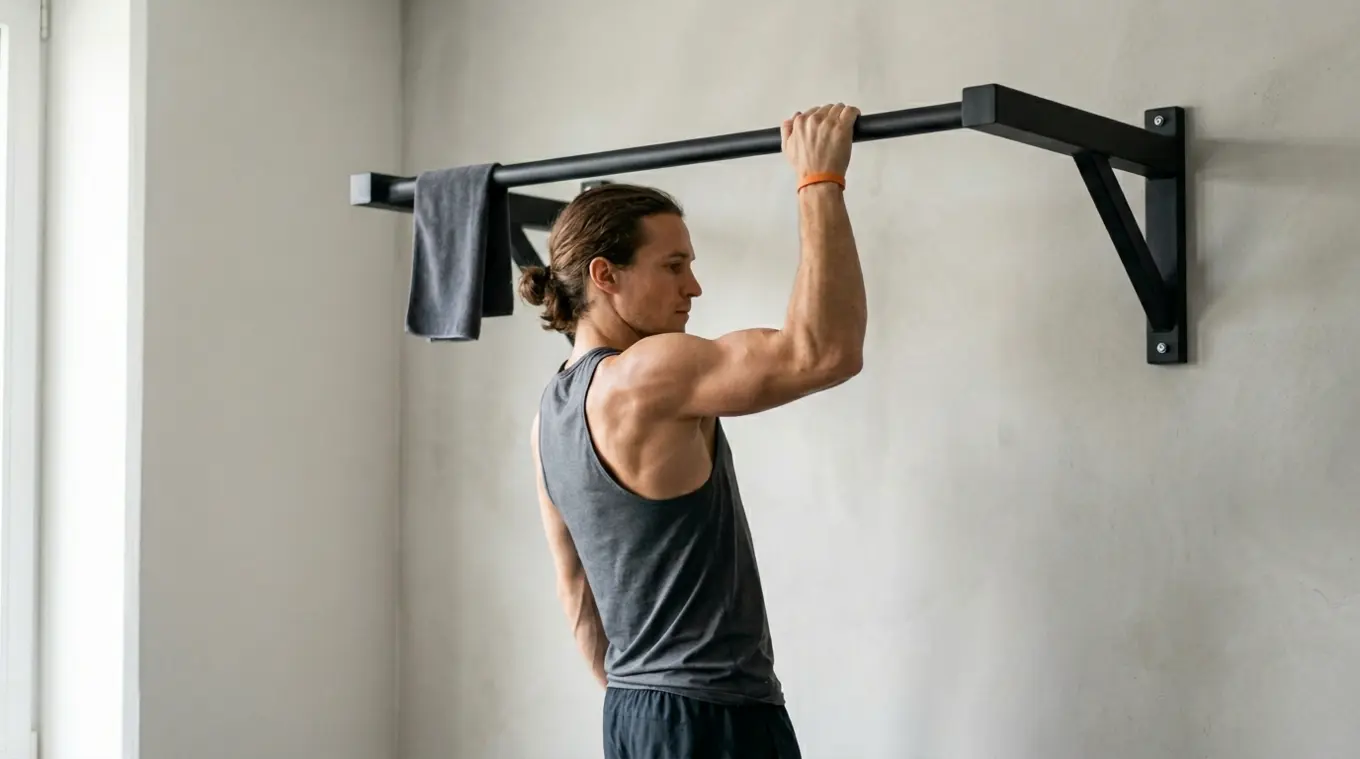
If you are already strong, I like programming one arm progression once or twice a week after your main climbing session or on a separate strength day. Keep the volume modest. The point is quality tension, not grinding. A highly stable mounted bar matters a lot here because any wobble wastes force and makes the movement feel worse.
Advanced climbers may also combine a bar with a dip belt or weighted vest. Gornation accessories are a practical fit for that kind of progression because the brand tends to make simple, durable weighted calisthenics gear that works well in home setups.
Campus training and dynamic movements on a pull up bar
A straight bar is not a full replacement for a campus board, but it can still support dynamic training. Explosive chest to bar pulls, release pull ups, side to side movement, and controlled plyometric variations can all help when used carefully. The key is restraint. Dynamic work should sit on top of a strong base of strict strength and healthy connective tissue.
If you plan to train dynamically, bar stability becomes even more important. This is where a weak doorway bar quickly stops making sense. A sturdy wall unit with enough depth and good installation is much better. The same goes for tall freestanding bars that are designed for more than casual use.
My advice is simple. If the setup does not feel rock solid during strict reps, do not use it for explosive work.
Injury prevention: how much pulling volume is too much
One of the most common mistakes climbers make when training at home is adding too much pulling volume on top of their regular climbing. Combining gym sessions, hangboard work, and pull up bar training stacks a lot of stress on the elbows, shoulders, and fingers. That overload is a familiar cause of elbow tendinopathy and shoulder irritation in climbers who are otherwise fit.
Track your total pulling volume across all sessions, not just bar work. If you already climb three or four times per week, adding heavy daily bar sessions is likely too much. Two to three dedicated bar sessions per week is a reasonable starting point for most climbers, adjusted based on how your joints respond. A short warm-up of scapular activations and light hangs before each session also helps reduce risk. If you have a recurring elbow or shoulder issue, get input from a physiotherapist who understands climbing before increasing your training load.
Pull Up Bars for Grip Strength: What Climbers Should Know
Grip strength is one of the main reasons climbers start looking for a home pull up bar in the first place. But grip strength is not one single thing. Support grip, open hand tolerance, finger strength, wrist position, and forearm endurance all play different roles. Your bar can help, but only if you choose and use it correctly.
Bar diameter and its effect on grip and finger strength
A normal diameter bar is best for most pulling work. It lets you train hard without turning every set into a grip limitation. A thicker bar can be useful as an accessory for support grip and forearm demand, especially during hangs and lower rep pulling. That is why some climbers enjoy bars with a secondary thick section.
Still, do not confuse thick bar work with true fingerboarding. A pull up bar challenges the hand in a broader way than a hangboard edge. It can build useful base strength and tolerance, but it will not fully replace specific finger strength training. The best approach is usually to combine both instead of asking one tool to do everything.
Wood bars deserve a mention here. For many climbers, they simply feel better. They are less abrasive than aggressive knurling and often more secure with light chalk. If your hands get beat up easily, a wooden bar can make training more sustainable.
Adding grip training tools to your pull up bar setup
One of the easiest ways to get more from a rock climbing pull up bar is by adding tools instead of replacing the whole setup. Hanging blocks, towels, rings, fat grips, and straps can all create new grip demands. This is especially useful if you already have a stable bar and want to expand its training value.
For a simple setup, I like rings, a pair of hanging grips, and resistance bands. Rings are especially versatile. You can do rows, support holds, lock off variations, and shoulder stability work. Gornation rings are a solid recommendation here because they are durable, easy to hang, and useful well beyond climbing specific sessions.
Just be careful with volume. It is easy to overload elbows and fingers when you start adding grip tools on top of regular climbing. Build slowly and keep the total stress manageable.
Setting Up a Home Climbing Training Space Around Your Pull Up Bar
You do not need a massive garage gym to train well. Some of the best home climbing spaces are just one stable bar, one hangboard, and enough floor room to move. What matters most is that the setup is safe, consistent, and easy to use.
Combining a pull up bar with a hangboard for a compact setup
This is probably the smartest small space setup for most climbers. A mounted pull up bar paired with a hangboard gives you strength training, finger training, hanging, shoulder work, and room for rings or bands. If you only have one wall to work with, this combination covers almost everything you need outside the climbing gym.
The order matters. Usually, I would mount the hangboard in the position that gives the best body alignment, then make sure the pull up bar complements that layout rather than blocking it. Some athletes prefer the bar above the board, others beside it depending on wall height and reach. There is no single correct answer, but clearance and comfort are non negotiable.
If you are building from scratch, start simpler than you think. It is better to have one excellent wall mounted bar and a hangboard installed properly than a crowded setup that feels awkward to use.
Space requirements and installation tips for apartments
Apartments require more planning. Ceiling height, noise, wall type, and landlord restrictions all matter. Before buying anything, measure the usable width, the ceiling height, and how far you can stand from the wall. Then decide whether you can actually install into studs or whether a freestanding option is more realistic.
For anyone wondering how to install a pull up bar into studs, the short version is that you need to locate the studs accurately, confirm spacing, use the correct hardware, and tighten everything evenly without crushing the wall surface. If the wall is not suitable, do not force it. Pull up bar installation for climbers is worth doing carefully because your training style places more repetitive stress on the setup than occasional general fitness use.
If you live in a smaller space, you may also find value in guides like best calisthenics equipment for small spaces. The best apartment setup is the one you can use often without turning every session into a logistics problem.
Pull Up Bar Comparison: Side by Side Overview of Top Models
Here is the practical comparison most climbers actually need. A strong wall mounted option like REP is the best all around choice for serious home training. It offers very high listed capacity, multiple grips, and enough stability for weighted work, rings, and integrated climbing support exercises. For most homeowners with access to studs, this is the easiest recommendation.
The Titan wall mounted model is the value pick. It has fewer grip options, but it is strong enough for many climbers and usually costs less. If your priority is a no nonsense straight bar and you are comfortable optimizing the installation, it is one of the better value choices in the US market.
The Rogue Jammer is a more specialized stud mounted option for those who want a premium doorway header setup. If you specifically want the best stud bar pull up bar for climbers and like the idea of mounting above a doorway into wood studs, it is a strong contender. A Stud Bar pull up bar review for climbers would likely praise its rigidity and finish quality, but also point out the premium price and limited versatility compared with full wall units.
Freestanding options like BaseBlocks are best for renters and flexible living situations. They solve the no drilling problem but ask for more floor space and a bigger budget. For a dedicated climbing station, they are usually my second choice behind a mounted unit, not because they are bad, but because mounted bars still win on compactness and integrated training potential.
Climber specific wooden ceiling units like CLEVO style designs are appealing if you want wood feel, clean aesthetics, and a purpose built training zone. They are especially attractive for climbers who want to combine hanging, pulling, and attachment points in one compact ceiling area. Just check shipping, support, ceiling compatibility, and total load before buying, especially in the US.
Who Should Buy Which Pull Up Bar? Quick Recommendations by Level
Your level changes what matters. A beginner does not need the same setup as someone doing weighted pull ups and one arm progressions.
Beginner climbers: what to prioritize
If you are still building your first few strict pull ups, prioritize safety, comfort, and consistency. You do not need the most advanced bar on the market. You need a setup you trust enough to use two to four times per week. A stable wall mounted bar is ideal if you can install one. If not, a quality freestanding option is better than a flimsy doorway bar that makes you hold back every session.
At this stage, focus on standard pull ups, active hangs, scapular pulls, and controlled negatives. You can add bands, rings, or a step for assistance. Do not rush into heavy grip gadgets or one arm work just because it looks climbing specific.
Intermediate to advanced climbers: when to upgrade
Once you are doing solid strict sets, weighted pull ups, lock offs, and supplementary finger training, the bar becomes more than a place to do reps. It becomes a core part of your progress. This is when an upgrade makes sense if your current setup feels limited.
Signs it is time to upgrade include noticeable wobble, lack of clearance, poor compatibility with hangboards or rings, or a bar diameter that no longer suits your goals. Advanced climbers should think carefully about pull up bar stability for climbers, total system load, and installation quality. If your training includes heavy weighted pulls, dynamic drills, or hard unilateral progressions, a serious mounted setup is worth it.
This is also the point where adding quality accessories helps. Rings, chalk, bands, and weighted gear from a practical brand like Gornation can round out the setup without overcomplicating it.
Final Verdict: The Best Pull Up Bar for Rock Climbers
If you want the short answer, the best rock climbing pull up bars are usually sturdy wall mounted models with enough clearance, enough capacity, and enough compatibility for real climbing support work. For most climbers in the US, a heavy duty wall mounted unit like the REP Fitness model is the most complete choice. It is stable, versatile, and strong enough for years of pulling, hanging, and accessory work.
If budget matters most, the Titan wall mounted bar is the value pick. If you need a stud mounted doorway style setup, the Rogue Jammer is a premium option worth considering. If you rent or cannot drill, a freestanding model can still get the job done. And if you want a climbing first ceiling solution with a wooden feel, a climber specific option like the CLEVO style design is genuinely interesting.
My honest advice is to buy for the training you will actually do. Do not get distracted by flashy features. Pick the bar that feels stable, fits your space, and works with your long term climbing goals. If the setup gives you confidence every time you grab it, you made the right choice.
Conclusion
A good pull up bar can make home climbing training much more effective, but only if it matches how climbers really train. Stability, mounting quality, clearance, and compatibility matter far more than gimmicks. For most people, a strong wall mounted setup is the smartest buy, while renters may be better off with a quality freestanding option. If you also want to add rings, bands, or weighted accessories, practical gear from brands like Gornation can help turn a basic bar into a very complete training station. Keep it simple, install it right, and choose the setup you will trust enough to use consistently.
Frequently Asked Questions
Is a regular doorway pull up bar good enough for rock climbing training?
A regular doorway pull up bar can work for beginners, light pull up practice, and short hangs, but it is usually not the best long term choice for climbers. Most climbers benefit from a more stable setup with better clearance and better compatibility for rings, hangboards, and stronger pulling progressions.
What is the best type of pull up bar for mounting a hangboard?
A wall mounted or ceiling mounted bar is usually best if you want to combine it with a hangboard or fingerboard. These setups tend to offer more rigidity and cleaner spacing, which matters when you are training finger strength and upper body pulling in the same compact home station.
How much weight capacity should a pull up bar have for climbers?
For climbers, I generally recommend choosing a bar with a generous safety margin, especially if you plan to do weighted pull ups, lock offs, or dynamic training. A bar rated around 400 to 500 pounds or more, when installed correctly, is usually a strong target for serious home use.
Are wooden pull up bars better for climbers?
Wooden pull up bars can be a very good choice for climbers because they often feel more comfortable on the hands and less slippery during longer sessions. They do not automatically outperform steel bars, but many climbers prefer wood for hanging, grip comfort, and a more natural feel.
Can a pull up bar improve climbing grip strength on its own?
A pull up bar can help improve support grip, forearm endurance, and overall upper body strength, which all support climbing. However, it does not fully replace a hangboard for finger specific training. The best results usually come from combining a stable pull up bar with targeted finger and shoulder work.