You have probably seen dip bars in home gyms, parks, or product roundups and wondered if they are actually worth your money. That is a fair question. A lot of equipment looks useful at first, but not all of it earns a permanent place in your training space. Dip bars can be excellent for building upper body strength, core control, and useful calisthenics skills, but they are not the right buy for everyone. In this guide, I will break down what dip bars are good for, who benefits most from them, how they compare to other options, and when buying a pair makes real sense.
What Dip Bars Actually Are (and What They’re Used For)
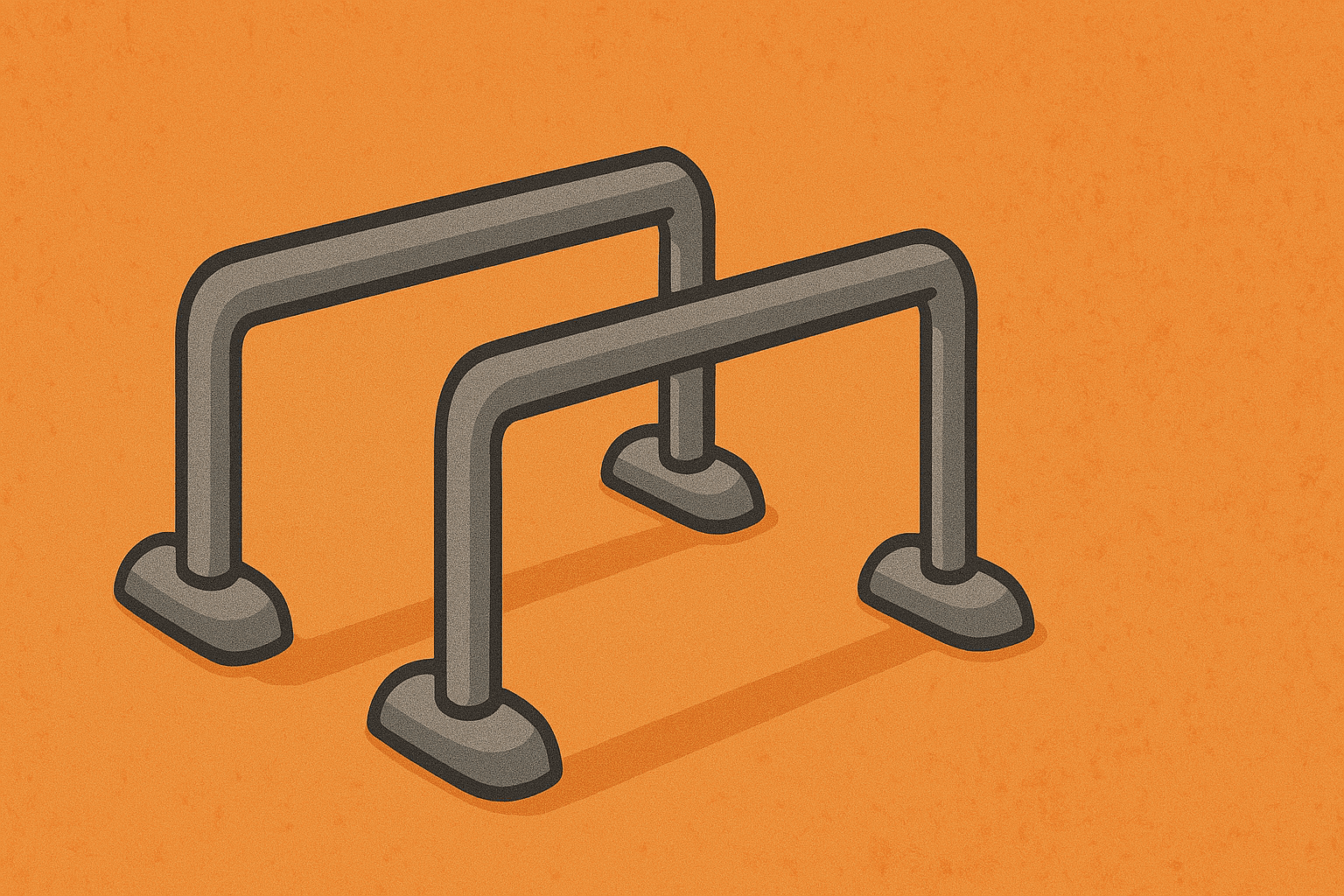
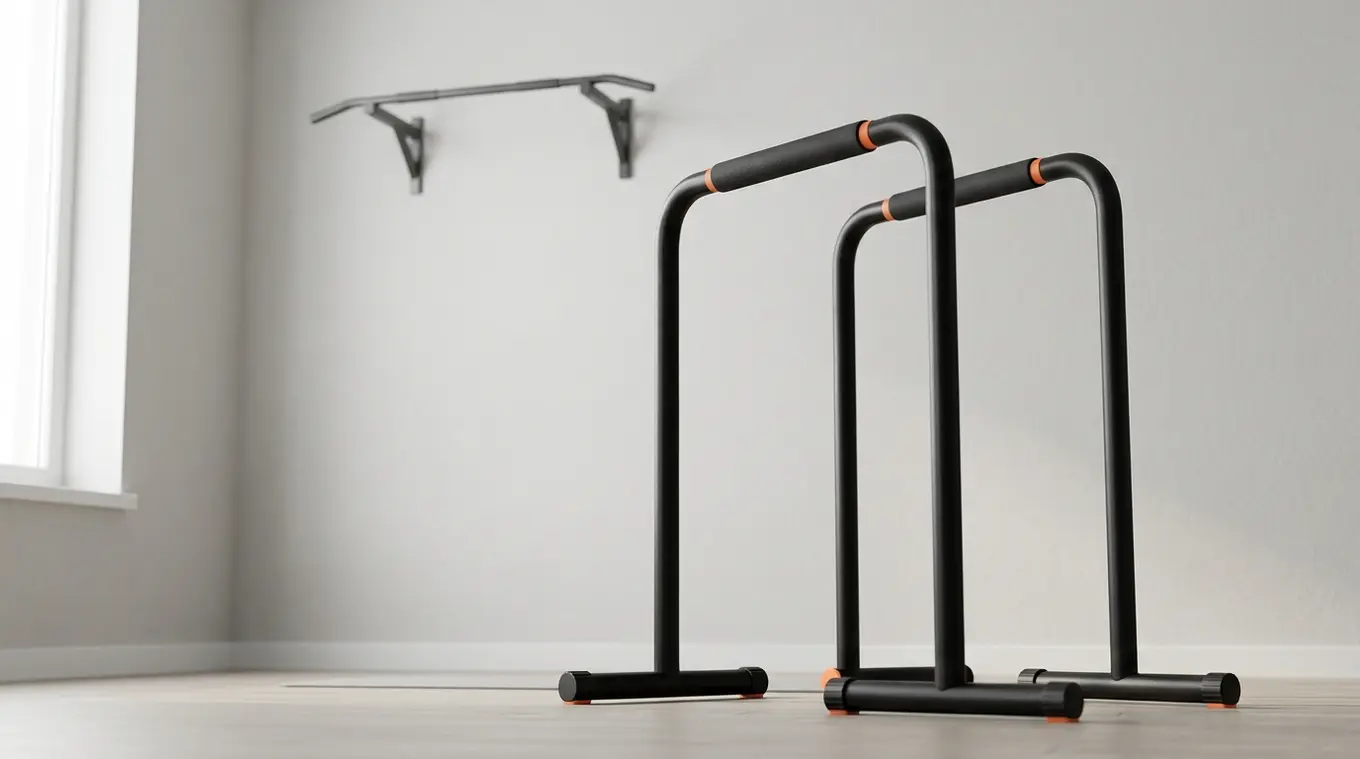
Dip bars are parallel bars designed for bodyweight pushing and support-based exercises. Depending on the model, they can be low like parallettes, mid height for dips and L sits, or part of a larger dip station. When people ask what can you do with dip bars, the short answer is a lot more than just dips.
A solid dip bar exercises list usually includes bodyweight dips, support holds, knee raises, L sits, tuck planche work, incline rows, push ups, Bulgarian-style leg work, and even handstand drills. If you train calisthenics at home, that makes them one of the more flexible pieces of equipment you can own.
From my own training, I have found dip bars especially useful on days when I want quality pushing volume without needing a full gym setup. They are simple, but simple equipment often gets used the most.
The Real Benefits of Dip Bars for Training
The main reason people ask are dip bars worth buying is because they want to know whether the benefits are real in day to day training. In most cases, they are. Good dip bars give you a stable base to train strength, control, and joint positioning in ways floor exercises cannot always match.
Muscle groups you train with dip bars
The obvious muscles are the chest, shoulders, and triceps, especially through dips and push up variations. But that is only part of the picture. Your core works hard during support holds, L sits, and controlled knee raises. Your upper back and scapular stabilizers also get involved because you need to stay organized and balanced over the bars.
If your goal is to improve pressing strength for calisthenics, streetlifting, or general fitness, dip bars are one of the most direct tools you can use.
Why dip bars go beyond just triceps and chest
This is where dip bars become more interesting. They let you train body control, shoulder stability, lockout strength, and straight-arm support. Those qualities carry over well to harder skills and heavier bodyweight work. If you are working toward stronger push ups, cleaner bar dips, L sits, or even handstand progressions, dip bars can help. For example, if you are also learning core compression and support strength, this guide on the L sit fits perfectly with dip bar training.
Compared with regular floor push ups, dip bars usually allow a deeper range of motion and a more demanding support position. That is one reason the dip bars vs push ups comparison often comes down to training goal. Push ups are great and accessible. Dip bars open up more progression options.
Are Dip Bars Necessary for Calisthenics?
No, dip bars are not necessary for calisthenics. You can make very good progress with basics like push ups, pull ups, squats, and floor core work. If someone asks me are dip bars worth it for starting calisthenics, I usually say they are helpful, not essential.
What matters is whether they solve a real need in your training. If you do not have a good place to perform dips, support holds, or L sits, they can fill an important gap. If you already train at a park with parallel bars or a gym with a dip station, owning them may be less urgent.
For most home setups, they are somewhere in the middle. Not mandatory, but often very practical. If you want a broader view of what matters most in a setup, this guide on must have calisthenics equipment is worth checking out.
Dip Bars vs. a Gym Membership: Which Makes More Sense?
This depends on how often you train and what kind of environment keeps you consistent. A gym membership gives you variety, machines, barbells, cardio equipment, and often a full dip station. If you use all of that regularly, the gym is hard to beat.
But if your main focus is bodyweight strength and convenience, dip bars can offer better value over time. The average price of dip station equipment ranges widely, but a decent pair of dip bars or a compact station often costs less than several months of gym fees. When people ask how much do dip bars cost, the typical answer is anywhere from budget portable models to more premium freestanding systems. The right pick depends on stability, height, and build quality.
For home trainers, the biggest advantage is access. You do not have to commute, wait for equipment, or build your workout around gym hours. In real life, that often means more sessions completed each month. And consistency usually matters more than having every machine available.
Are Dip Bars Worth It If You Already Have a Pull-Up Bar?
Often, yes. A pull up bar and dip bars complement each other well because they cover opposite movement patterns. A pull up bar handles vertical pulling and hanging work. Dip bars cover pushing, support, and compression-based training.
If you only own a pull up bar, your pushing work is probably coming mostly from push ups, maybe pike push ups, and floor variations. That is not bad, but dip bars add a more challenging and scalable option. In that sense, the answer to are dip bars worth it becomes stronger if your current setup lacks dedicated pushing equipment.
They also help balance your training. Many people love pull ups and rows but undertrain deep pressing strength. Adding dip bars can fix that quickly. If you want more exercise ideas around your existing setup, this article on dip bar exercises can help you plan useful sessions.
Who Should Buy Dip Bars (and Who Should Skip Them)
Great fit: beginners and home trainers
Beginners often assume dip bars are too advanced, but that is not really true. Yes, full dips can be challenging at first. Still, the bars are useful long before your first strict rep. You can use them for support holds, assisted dips, incline rows, knee raises, and controlled push up variations. That makes them a smart buy for anyone building a home gym with long term progress in mind.
| Dip bar type | Best for | Main advantage | Main drawback |
|---|---|---|---|
| Freestanding | Most home gym users | Versatile for dips, rows, L sits, and support work | Takes up more floor space |
| Wall mounted | Permanent setups with limited floor space | Very solid and space efficient | Requires installation and is not portable |
| Portable | Apartments and easy storage | Easy to move and tuck away | Can be less stable depending on quality |
| Adjustable | Shared use or varied training needs | More flexibility in height and setup | Often costs more and adds complexity |
They are also a strong option for people who want the best dip bars for home gym use without buying a full rack or power tower. If space is limited, a compact pair can be enough to unlock a lot of training variety.
For beginners who want reliable gear from a calisthenics-focused brand, Gornation is one of the better names to consider. Their equipment is usually designed with bodyweight training in mind, which matters if you care about grip feel, stability, and practical dimensions rather than generic fitness branding.
When dip bars might not be the right choice
If you have shoulder pain during deep pressing, very limited room, or access to better equipment elsewhere, dip bars may not be your best first purchase. The same applies if your budget is tight and you still do not own a pull up bar, resistance bands, or basic essentials. In that case, other items may bring more total value first.
Another reason to skip them is poor product quality. Cheap bars that wobble, slide, or sit too low can quickly turn a good idea into equipment you avoid. So are dip bars worth buying? Yes, but mostly when the model is stable enough to trust.
Dip Bar Types: Freestanding, Wall Mounted, Portable, and Adjustable
Not all dip bars solve the same problem. Choosing the right type matters almost as much as deciding whether to buy them at all.
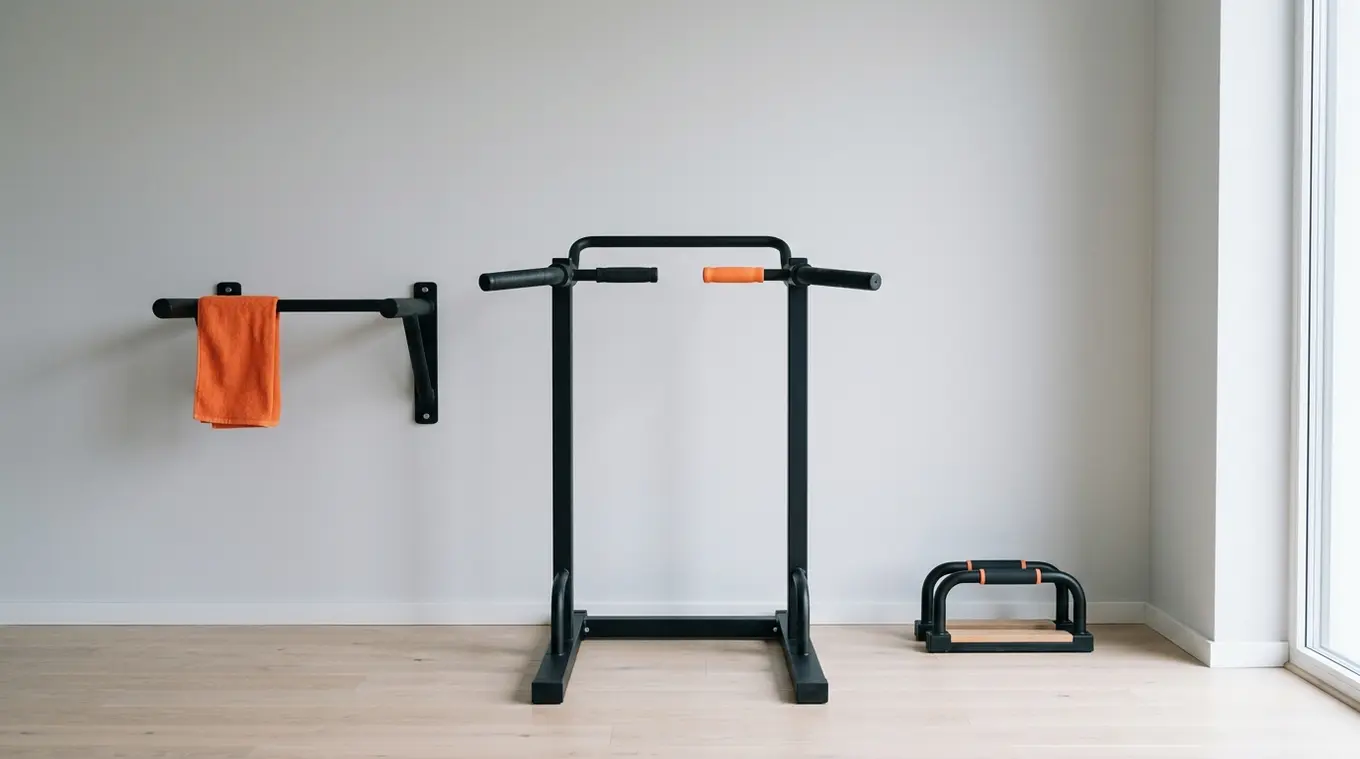
Freestanding dip bars are usually the most versatile. They are common for home gyms because they allow dips, rows, L sits, and support work without installation. They are often the best dip bars for home gym users who want flexibility.
Wall mounted options save floor space and can feel very solid, but they require installation and are less portable. Portable bars are easier to store and move, which makes them attractive if you live in an apartment or train in different places. Adjustable dip bars can be useful if multiple people train on them or if you want more exercise variety from one piece of equipment.
Which type suits your space and training style?
If you need the best dip station for small space setups, portable or compact freestanding bars usually make the most sense. If your training is serious and permanent, a sturdier freestanding station or high quality mounted option may be better. For many people, the sweet spot is a stable pair of freestanding bars that can still be tucked away when needed.
If you are comparing options, Gornation is worth a look because their calisthenics-focused products tend to match what home athletes actually need. I would still recommend checking dimensions carefully before buying. Stability, bar height, and footprint matter more than marketing claims.
What to Look for When Buying Dip Bars
Once you decide dip bars make sense for your setup, the next practical question is how to choose the right pair. Not all models perform equally, and a few key factors determine whether you end up with something you trust or something you avoid using.
Stability is the most important thing to check. Bars that shift or flex under load are frustrating during support holds and potentially risky during dynamic movements. A wide base, rubber non-slip feet, and solid construction matter more than a low price or a sleek look.
Bar height matters if you want a full range of motion on dips. If the bars sit too low, taller users will not get complete depth without their feet touching the floor. Always check the listed height against your own measurements before ordering, especially with portable or compact models.
Grip diameter and texture affect comfort over time. Knurled or rubberized handles give better contact during longer sets. Weight capacity is also worth confirming if you plan to add a dip belt or weighted vest later, since not every model is rated for loaded work.
In practice, honest user reviews about wobble and stability under real movement are often more reliable than the product description. That is especially true for budget portable bars, where build quality can vary between batches.
Dip Bars Pros and Cons: An Honest Overview
The biggest pros are versatility, straightforward strength progressions, and convenience. Dip bars can support beginner basics and advanced calisthenics work alike. They are especially valuable if you want better pushing strength without relying on a full gym. They also pair well with weighted training later on.
The cons are mostly practical. Some models are bulky. Some are not stable enough. And some users buy them expecting instant results, then realize dips are only one part of the equation. Good equipment still needs a good plan.
Safety is another common concern. Are dip bars safe? Generally yes, if the equipment is stable and your exercise selection matches your current level. Basic dip bar safety tips include checking the floor surface, making sure both bars are even, keeping your shoulders controlled instead of collapsing deep, and progressing gradually with support holds before hard dip volume. In my experience, most problems come from rushing depth or using shaky equipment, not from dip bars themselves.
People also compare dip bars vs bench press and wonder which is better. Bench press is excellent for pure pressing strength and easy loading. Dip bars train pressing too, but they also demand more body control and stabilize the whole chain differently. It is not really about one replacing the other. It is about which one fits your training style better.
So, Are Dip Bars Worth It? The Bottom Line
For most people training at home, yes, dip bars are worth it. They are one of the more useful pieces of calisthenics equipment because they let you train strength, skill, and control with a relatively small footprint. If you want to know are dip bars worth it in a practical sense, the answer comes down to how often you will use them and whether they fill a gap in your setup.
If you already have a pull up bar, dip bars are a smart next step. If you are a beginner, they can still be worth it because they offer room to grow. If your space is tiny or your budget is limited, choose carefully and prioritize stability over gimmicks.
My honest advice is simple. Buy dip bars if you want reliable home pushing equipment that can do more than one job. Skip them if they would duplicate equipment you already use well or if the model you can afford does not look stable enough. When you choose a quality set, especially from a calisthenics-focused brand like Gornation, they are usually money well spent.
Dip bars are not mandatory, but they are one of the better investments for home calisthenics if you want stronger dips, better support strength, and more training variety. They make the most sense for people who train consistently, want a practical home setup, and need more than just a pull up bar. If that sounds like you, a stable pair of dip bars can stay useful for years.
Frequently Asked Questions
Are dip bars good for beginners?
Yes, dip bars can be very good for beginners if used the right way. You do not need to start with full dips. Support holds, assisted reps, incline rows, knee raises, and push up variations are all beginner friendly. The key is choosing stable bars and progressing gradually instead of forcing advanced movements too early.
What can you do with dip bars besides dips?
Quite a lot. Dip bars can be used for L sits, support holds, knee raises, incline rows, push ups, tuck planche work, and mobility drills. That is why many people see them as more than a single purpose tool. A good dip bar exercises list usually covers both strength work and skill progressions.
How much do dip bars usually cost?
The average price of dip station equipment depends on the type and quality. Basic portable bars are usually the cheapest, while larger freestanding stations cost more. It is smart to focus less on the lowest price and more on stability, grip comfort, and size, since those directly affect how often you will use them.
Are dip bars safe to use at home?
Yes, dip bars are safe for home use when the equipment is stable and you train within your current ability. Good dip bar safety tips include placing them on an even surface, testing for wobble before each session, controlling your shoulder position, and avoiding excessive depth if you do not yet have the strength or mobility for it.
Are dip bars worth it if I already do push ups?
Usually yes. Push ups are excellent, but dip bars add a deeper range of motion, more support-based training, and access to exercises like dips and L sits. If you want to expand your upper body training without joining a gym, dip bars often give you more progression options than floor work alone.