Trying to find a pull up bar that fits your space without turning your apartment into a DIY project? That is where an extendable pull up bar makes a lot of sense. If you want something compact, easy to install, and practical for home workouts, this type of bar is often the first option worth considering. In this guide, I will walk you through the main types, what actually matters before you buy, which models stand out, and how to use one safely. By the end, you should have a much clearer idea of which extendable pull up bar fits your training, budget, and living situation.
What Is an Extendable Pull Up Bar And Why It Matters
An extendable pull up bar is a bar that changes width so it can fit a range of spaces, most commonly door frames. In practice, most people looking for the best extendable pull up bars are really searching for a simple way to do pull ups, chin ups, hanging knee raises, and basic upper body work at home without drilling into walls.
This matters more than it seems. A fixed bar can be great, but it only works if you already have the right setup. An extendable pull up bar for home workouts gives you more flexibility. You can use it in a doorway, remove it when you are done, and store it in a closet. For renters, students, and anyone training in a smaller home, that convenience is often the difference between training consistently and not training at all.
From my experience, the biggest mistake people make is treating all pull up bars like they are interchangeable. They are not. Some are made for light, controlled reps. Others are built with better locking systems, better contact pads, and much more confidence under load. That is why understanding the design matters before you spend your money.
Telescoping vs. adjustable width: what is the difference?
These terms get mixed up a lot. A telescoping bar usually means the main tube extends in and out, then locks into place by twisting or using a locking mechanism. This is the most common style for an extendable pull up bar for apartments because it is compact and easy to move.
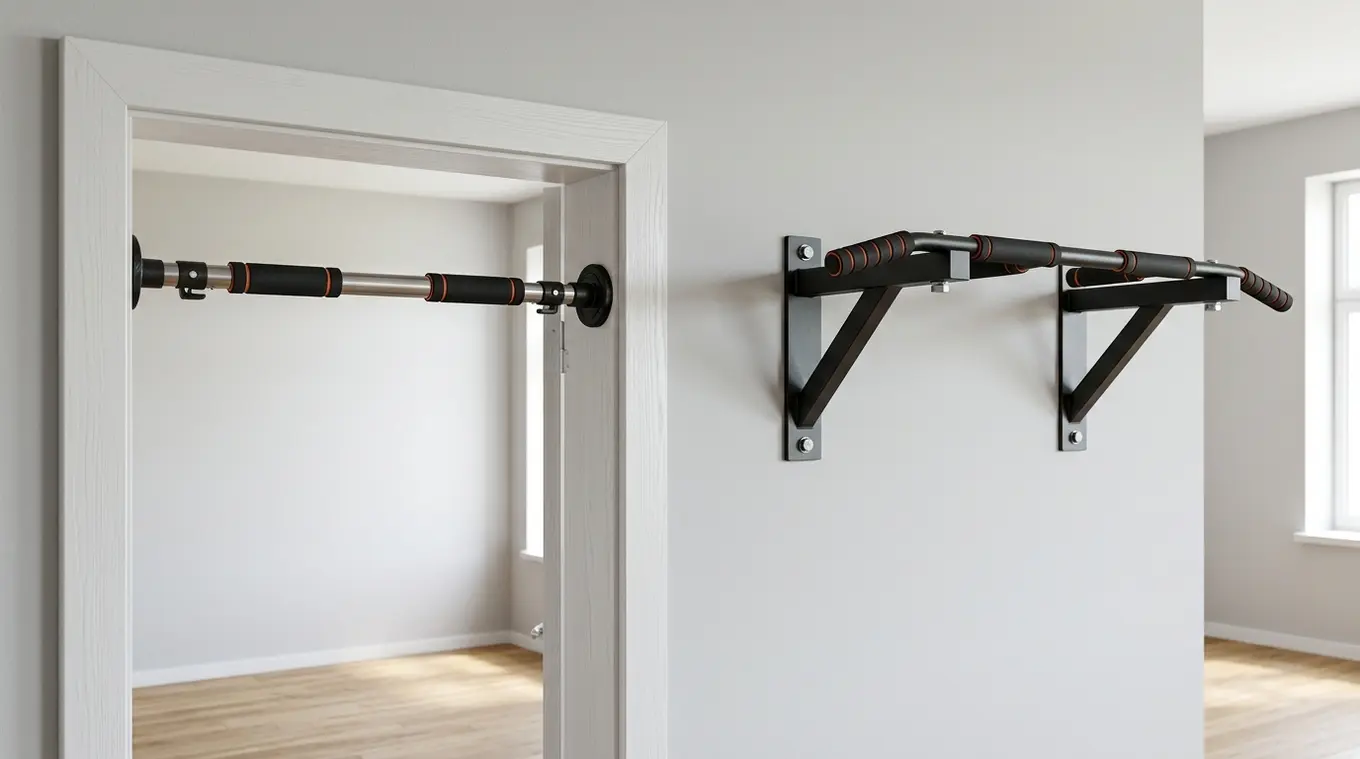
Adjustable width is the broader category. It includes telescoping bars, but also larger over-the-door frames and some wall-mounted units where width or arm position can be changed during setup. So if you are wondering how to choose an extendable pull up bar, start by checking whether you want a true telescoping doorway model or just any pull up bar with adjustable dimensions.
For most people, telescoping is the most relevant option because it is the easiest to install, remove, and live with day to day.
Who actually benefits from an extendable bar?
The short answer is almost anyone who trains at home and does not want a permanent setup. An extendable pull up bar works especially well for beginners, renters, apartment dwellers, and anyone building a simple calisthenics corner without taking over an entire room.
If your goal is strict pull ups, chin ups, dead hangs, scapular pulls, and core work, an extendable model can do the job very well. It is also a practical option if you are just getting started and still figuring out what equipment you really need. If you are not sure what else belongs in a basic setup, it is worth looking at must have calisthenics equipment for a broader overview.
Where an extendable bar becomes less ideal is advanced dynamic work. If you want aggressive kipping, muscle ups, or heavy weighted sets, a fixed wall-mounted bar usually makes more sense. I will come back to that later because this is where many buyers choose the wrong tool for their goals.
Types of Extendable Pull Up Bars Explained
Not every extendable pull up bar works the same way. Some rely on tension between the sides of a door frame. Others are mounted more permanently. Some are built for quick travel use while others lean more toward a compact home gym solution. Understanding the differences will save you a lot of frustration.
Doorway tension-mounted bars: no screws needed
This is the style most people mean when they search for the best extendable pull up bar or top-rated extendable pull up bars. These bars twist outward until they press securely into the sides of a doorway. The better ones also add anti-rotation locks, wide rubber contact pads, or a secondary locking layer to reduce slipping.
The biggest advantage is convenience. Installation is fast, removal is easy, and there is usually no drilling required. That makes them a very strong choice as an extendable pull up bar for apartments. They also tend to be affordable, so this category includes many of the best extendable pull up bar under $50 and best extendable pull up bar under $100 options.
The downside is that quality matters a lot. Cheap tension bars can feel sketchy. A better version with anti-slip protection and stronger materials is worth paying for. This is exactly why the telescopic style from Gornation stands out as a serious option. Their doorway bar focuses on a no-drill setup, anti-rotation security, wide support contact, and a much more confidence-inspiring feel than basic budget bars. For strict calisthenics work at home, that combination makes sense.
Wall-mounted extendable bars
These are less common, but they do exist. A wall-mounted extendable pull up bar gives you a more fixed, stable training station while still offering some width or setup flexibility. In general, they are better for heavier athletes and more demanding training because the mount does more of the work than simple tension.
The tradeoff is obvious. Installation takes more time, tools, and commitment. If you are renting or do not want holes in the wall, this is usually not the right route. But if you own your space and want something stronger than a doorway model, this can be a smart upgrade.
For readers comparing categories, a dedicated guide like doorway vs wall mounted pull up bar can help make that decision easier.
Over-the-door and portable options
Some bars hook over the top of the door frame rather than expanding inside it. Others break down into portable pieces for travel or occasional use. These can work well if you want something flexible and quick to store away.
Over-the-door designs often give you multiple grip positions, which is nice, but they can be bulkier and may leave pressure marks on trim if used carelessly. Portable options are good for travel, but they usually ask you to accept some tradeoffs in feel and stability compared with a more robust telescoping model.
If portability matters most, these can still be worth considering. But if your goal is regular pull up training at home several times a week, I usually find a well-made telescoping doorway bar to be the more balanced choice.
What to Look for Before You Buy
If you want to know how to choose an extendable pull up bar, focus on the practical details that affect daily use. Good marketing is easy to find. A good setup is not. Here is what I would actually pay attention to before buying.
Weight capacity and stability
First, ignore big weight numbers unless the overall design supports them. A bar might list an impressive capacity, but if the locking mechanism is weak or the contact pads are small, that number does not tell the whole story.
Look for a bar with strong steel construction, secure locking, and clear instructions for use. If you are a heavier athlete, or if you plan to add a weight vest later, this becomes even more important. Stability is one of the most important features in any extendable pull up bar because it directly affects both safety and confidence. When a bar feels solid, you train better. When it feels questionable, every rep becomes hesitant.
This is one reason I prefer better-engineered telescopic bars over cheap generic versions. The difference is noticeable from the first dead hang.
Width range and door frame compatibility
This part gets overlooked all the time. Extendable bars only work within their stated width range, and not all door frames are equally suitable. You need stable side surfaces, the right opening width, and enough structural integrity to handle repeated loading.
For example, some telescopic bars fit a narrow band of standard doorways, while others cover a broader range. The Gornation telescopic doorway bar is designed for door frames around 69 to 90 centimeters, which is useful if your opening falls in that common range. Before buying any model, measure the frame carefully and check whether the bar is meant for solid wood, concrete-supported openings, or a similar stable surface.
If you need more guidance on renter-friendly setups, pull up bars for renters is also a helpful resource.
Grip comfort, material quality, and safety
Grip comfort affects how often you will actually want to use the bar. Hard bare steel can feel great for some athletes, while others prefer padded or rubberized sections. I usually suggest looking for a grip diameter that feels natural in the hand, not too thick and not too slick.
Material quality also tells you a lot about long-term value. Better coatings, denser rubber, and cleaner welds usually mean a better experience over time. Safety-wise, I want to see anti-slip pads, anti-rotation features where relevant, and a setup that does not rely on guesswork. When a brand gives clear installation guidance and honest limits, that is a good sign.
One more thing from experience: before every session, give the bar a quick test pull and hang. It takes five seconds and helps catch any installation mistake before it becomes a problem.
Best Extendable Pull Up Bars: Our Top Picks
Below are the options I would focus on based on different needs. This is not about choosing the most hyped product. It is about matching the bar to the kind of training and living setup you actually have.
Best overall extendable doorway bar
Gornation Telescopic Doorway Pull Up Bar
If you want the most balanced option for everyday training, this is the one I would point most people toward first. It combines the practical benefits that matter most in an extendable pull up bar for home workouts: no-drill installation, solid anti-slip support, a more secure locking concept than many cheap telescoping bars, and enough load capacity for a wide range of athletes.
What I like most is that it feels built for actual calisthenics users, not just for casual impulse buyers. The wider support surfaces, anti-rotation approach, and simple install all address the common weaknesses I usually see in doorway bars. It is especially well suited for strict pull ups, chin ups, hanging leg raises, scapular work, and controlled rows when mounted lower.
Who it is for: renters, apartment users, beginners, intermediates, and anyone who wants a dependable extendable pull up bar without committing to wall mounting.
Who should skip it: athletes focused on kipping, explosive muscle up practice, or very heavy weighted work.
Best heavy-duty extendable pull up bar
Bells of Steel Adjustable Wall or Ceiling Mounted Pull Up Bar
This is the better choice if your priority is sturdiness and you have permission to mount hardware. It is not a classic telescoping doorway bar, but it belongs in the wider conversation around adjustable and extendable pull up bars because it gives you more serious long-term support than a removable doorway model.
For heavier users or advanced athletes, the stability difference is important. You get stronger steel construction, more room to move, and fewer concerns about repeated loading over time. If your training includes weighted pull ups or more aggressive variations, this kind of setup is often the smarter investment.
Who it is for: stronger athletes, heavier users, garage gym owners, and anyone who wants a sturdier fixed-style setup.
Who should skip it: renters and anyone wanting a truly portable solution.
| Model | Type | Best for | Main advantage | Main limitation |
|---|---|---|---|---|
| Gornation Telescopic Doorway Pull Up Bar | Telescoping doorway bar | Most home users, renters, apartments | Strong balance of security, no-drill setup, and easy storage | Not ideal for kipping or heavy weighted work |
| Bells of Steel Adjustable Wall or Ceiling Mounted Pull Up Bar | Mounted adjustable bar | Heavier athletes and advanced training | Better long-term stability and support under load | Requires permanent mounting |
| Sportneer Telescoping Pull Up Bar | Basic telescoping doorway bar | Beginners, budget shoppers, travel-friendly use | Affordable and easy to remove | Less confidence-inspiring than premium options |
Best portable and space-saving option
Sportneer Telescoping Pull Up Bar
If budget and portability are your top priorities, this is one of the better known basic options. It is often discussed as a best extendable pull up bar under $50 because it offers a simple twist-to-fit design, easy removal, and enough functionality for standard pull up work.
I would treat it as an entry-level choice. It can work well for lighter users, occasional training, and smaller budgets, but it does not inspire the same confidence as a more premium telescopic bar. That does not make it bad. It just means you should buy it with realistic expectations.
Who it is for: budget shoppers, beginners, and anyone who wants a straightforward extendable pull up bar for apartments without spending much.
Who should skip it: heavier athletes and people who want the most secure feel possible.
Side by Side Comparison of Top Picks
Here is the practical summary.
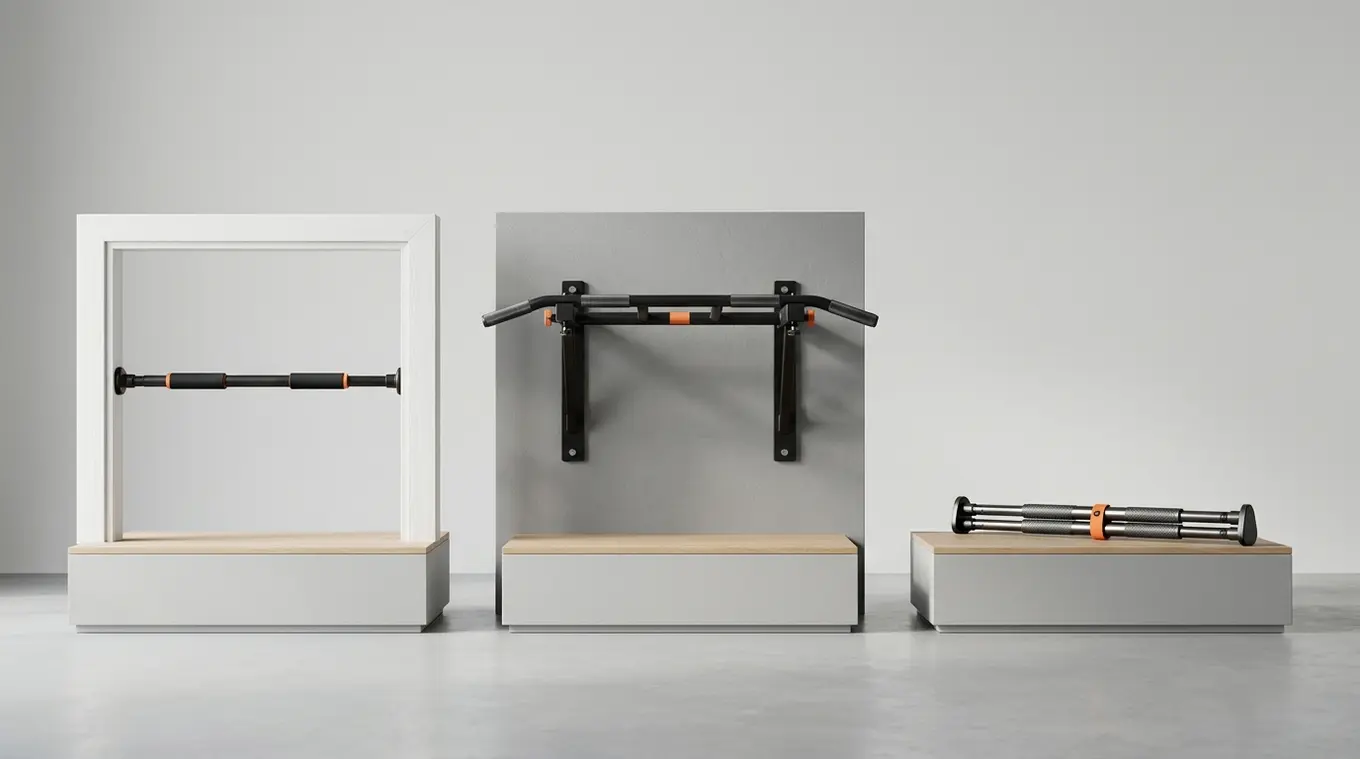
Gornation Telescopic Doorway Pull Up Bar: best all-around choice for most home users. Strong balance of security, ease of use, compact storage, and no-drill convenience.
Bells of Steel Adjustable Wall or Ceiling Mounted Pull Up Bar: best for heavier training and long-term stability if you can mount it permanently.
Sportneer Telescoping Pull Up Bar: best low-cost and travel-friendly option for basic bodyweight work.
If I had to put it even more simply, I would say this. Buy Gornation if you want the best mix of convenience and confidence. Buy Bells of Steel if performance matters more than portability. Buy Sportneer if keeping cost low matters most.
Who Should Use Which Type?
The right choice depends less on the product itself and more on how you train, where you live, and how hard you plan to push the equipment.
Beginners and home gym starters
If you are just starting calisthenics, a telescoping doorway bar is usually the smartest place to begin. It is affordable, compact, and gives you access to the main movements that actually build pulling strength. You can work on dead hangs, assisted pull ups, negatives, scapular pulls, and knee raises without overcomplicating things.
For that reason, I often recommend a quality doorway model before anything bigger. A good extendable pull up bar for home workouts removes friction. You set it up quickly, train, and move on with your day. That consistency matters more than owning the most advanced setup.
If you are still learning the basics, pairing your bar with a solid technique guide like how to do a pull up with perfect form will help you get more from it.
Advanced athletes and heavier users
If you are stronger, heavier, or already doing weighted calisthenics, the conversation changes. You need more than convenience. You need reliable stability under load, enough clearance for your preferred variations, and equipment that still feels solid after months of hard use.
In that case, a mounted setup usually makes more sense than a basic doorway tension bar. A high-quality telescopic option can still work for strict reps, but if your training includes explosive work or added weight, it is better to move toward a fixed wall or ceiling-mounted station.
This is also where being honest about your goals helps. I have seen plenty of athletes buy a doorway bar, then outgrow it within a few months because they were already training above its ideal use case.
How to Install and Use an Extendable Pull Up Bar Safely
Learning how to install an extendable pull up bar correctly is just as important as choosing the right one. Most safety issues come from bad setup, not the idea of the product itself.
Checking your door frame before installing
Before anything else, inspect the frame. You want stable, solid sides with no visible cracks, loose trim, or weak decorative molding doing the structural work. Measure the width accurately and compare it with the product range. If the frame feels flimsy when you push against it by hand, do not use it for a tension-mounted bar.
Then install the bar exactly as the manufacturer recommends. For telescoping models, that usually means extending the bar to the correct width, leveling it, tightening it securely, and locking any anti-rotation or secondary safety mechanism. Once installed, test it in stages. Press down, then partially hang, then fully hang before doing reps.
This is the basic process behind how to use an extendable pull up bar safely, and it should become routine.
Common installation mistakes to avoid
The most common mistake is rushing. People often twist the bar into place, assume it is fine, and jump straight into full reps. That is when slipping happens.
Another mistake is installing on weak trim instead of solid frame surfaces. A third is ignoring width limits. If a bar is near its extreme extension, stability can change. Finally, some people use doorway bars for movements they were never meant to handle, like kipping or explosive transitions.
My simple rule is this: if you would not trust the setup during a dead hang, do not trust it during a full set. Better to reset the bar once than regret it mid rep.
Once your bar is secure, keep your training appropriate. Strict pull ups, chin ups, hanging knee raises, and controlled core work are ideal. If you want exercise ideas beyond the basics, best pull up bar exercises is a useful next read.
What Exercises Can You Do on an Extendable Pull Up Bar?
A common question once you have the bar set up is what you can actually train with it. Most extendable doorway bars support a solid range of upper body and core movements. Here is a practical overview of what works well and what does not.
The movements that suit this type of bar best are pull ups with an overhand grip, chin ups with an underhand grip, dead hangs for grip and shoulder health, scapular pulls for shoulder stability, hanging knee raises for core and hip flexor work, and hanging leg raises for those ready to progress further. If the bar can be installed at a lower position in the frame, bodyweight rows are also possible and useful for beginners still building pulling strength.
What extendable doorway bars generally do not support well: kipping pull ups, muscle ups, or any movement that requires significant clearance above the bar or generates large lateral forces. Those movements call for a fixed wall-mounted bar or an outdoor rig where stability and space are not limiting factors.
For a more complete breakdown of pull up bar training ideas, best pull up bar exercises covers the full range of options worth adding to your routine.
Extendable Pull Up Bars vs. Fixed Bars: Which Is Better?
Neither is universally better. It depends on your setup and goals.
An extendable pull up bar is better if you value convenience, portability, and no-drill installation. It is the clear winner for many renters, apartment users, and beginners building a small home training setup. It also tends to be more budget-friendly, which is why searches like best extendable pull up bar under $100 are so common.
A fixed bar is better if you want maximum stability, more training clearance, and long-term support for heavier or more advanced work. For muscle up progressions, kipping, or weighted pull ups, fixed bars usually win.
If I were advising a friend, I would put it this way. Choose an extendable pull up bar if your biggest problem is getting started consistently at home. Choose a fixed bar if your biggest problem is equipment limitation during hard training. Most people reading this are in the first group, which is why a strong telescoping doorway model often ends up being the best purchase.
Frequently Asked Questions
Are no-screw extendable bars really safe?
Yes, some are safe when installed correctly on a solid door frame and used for the kind of training they are designed for. The key is build quality and setup. Better models use wider contact pads, locking features, and anti-rotation systems. I would still always test the bar before every session and avoid dynamic movements unless the manufacturer specifically supports that use.
Are extendable pull up bars safe for renters?
Yes, they can be safe for renters when used on a solid, compatible door frame and installed correctly. The better models are made specifically for no-drill use and include anti-slip contact points or locking systems. Still, always test the bar before each workout and avoid using it on weak trim or decorative frames.
Can I do muscle ups on a doorway bar?
In most cases, no. Doorway bars usually do not offer enough clearance or the right kind of stability for muscle ups. Even if the bar itself feels strong, the position inside a door frame limits the movement. For muscle up training, a fixed wall-mounted bar, outdoor bar, or dedicated station is the better and safer choice.
What is the difference between a telescoping bar and an over-the-door bar?
A telescoping bar expands inside the doorway and stays in place through tension and locking features. An over-the-door bar hooks over the top of the frame and braces against it. Telescoping bars are usually more compact, while over-the-door models often offer more grip positions but can take up more space.
What width do I need for my door frame?
You need a bar that fits comfortably within your frame’s stated range, with enough support on both sides. Measure the inside width carefully before you buy. Do not estimate. Also check that the frame material is solid enough for repeated loading. A properly sized bar on a weak frame is still a bad setup.
Can an extendable pull up bar damage my door frame?
It can if the bar is low quality, installed incorrectly, or used on the wrong type of frame. A good extendable pull up bar uses wider pads to spread pressure and reduce marking. Even then, it is smart to check your frame regularly and follow the product instructions carefully before doing full bodyweight work.
Are extendable pull up bars good for daily training?
Yes, as long as the bar is high quality and your training style matches the design. For strict pull ups, chin ups, hangs, and core work, a good extendable pull up bar can easily support regular weekly use. Many people get better results from a simple bar they actually use than from bigger equipment they rarely touch.
Which is the best extendable pull up bar under $50?
For buyers on a tighter budget, the Sportneer telescoping pull up bar is one of the more common picks in that price range. It is simple, portable, and beginner-friendly. Just keep expectations realistic. It is better suited for basic strict training than for heavier or more advanced calisthenics sessions.
What is the best extendable pull up bar for apartments?
For most apartment users, a premium telescoping doorway bar is the best fit because it avoids drilling, stores easily, and works well in limited space. That is why the Gornation telescopic doorway bar stands out. It offers a more secure feel than many basic no-drill bars and suits the needs of renters very well.
How do I use an extendable pull up bar safely every time?
Start by checking that the frame is solid and the bar is installed at the correct width. Tighten and lock it according to the instructions, then test it with downward pressure and a partial hang before doing reps. Keep your movements controlled and recheck the setup regularly, especially if you remove and reinstall the bar often.
Final Verdict: Which Extendable Pull Up Bar Should You Get?
If you want the short version, here it is. The best extendable pull up bars are the ones that match your space, your training level, and the kind of setup you can actually use consistently.
For most people, the best overall pick is the Gornation Telescopic Doorway Pull Up Bar. It does the important things right: easy setup, no drilling, compact storage, and a more secure design than many cheap alternatives. For home use, apartments, and straightforward calisthenics training, that is the sweet spot.
If you need more long-term heavy-duty support and can mount equipment, go for a sturdier fixed adjustable option like Bells of Steel. If you are on a tight budget and just need a basic entry point, Sportneer is still a reasonable choice.
My honest advice is simple. Buy for the way you really train, not for the way you imagine you might train one day. A well-chosen extendable pull up bar can be one of the most useful pieces of home fitness equipment you own.
If you are comparing the best extendable pull up bars, the main thing to remember is that convenience should never come at the cost of safety. Measure your door frame, be honest about your training style, and choose a bar that matches both. For most home users, a quality telescoping doorway model gives the best balance of price, portability, and everyday usefulness. If you want the most complete option for strict home calisthenics, Gornation is the one I would start with. If you need more stability for heavier work, step up to a mounted setup instead.