Trying to figure out which indoor pull up bar is actually worth buying? That is where most people get stuck. One bar looks compact but flimsy, another looks strong but needs drilling, and suddenly a simple home setup feels confusing. I have trained on doorway bars, wall mounted bars, and freestanding stations over the years, and the right choice really depends on your space, goals, and how serious your training is. In this guide, I will break down the main types, explain what matters most before you buy, compare top picks, and help you choose an option that feels safe, practical, and worth your money.
What Is an Indoor Pull Up Bar And Which Type Do You Actually Need?
If you are asking what is an indoor pull up bar, the simple answer is this: it is a pull up station designed for use inside your home, apartment, garage, or home gym. It gives you a fixed place to train pull ups, chin ups, dead hangs, leg raises, and in some cases even muscle up progressions, ring work, and band assisted exercises.
That sounds simple, but choosing the right type is where most buyers make mistakes. Not every indoor bar works for every home. A renter in a small apartment needs something very different from someone building a full garage gym. In my experience, the best choice usually comes down to three things: how much space you have, whether you can drill into walls or ceilings, and how stable the bar needs to be for your training style.
Some people only need a simple way to get a few quality sets of pull ups in each week. Others want a setup that can handle weighted reps, high volume training, rings, or explosive work. Once you know which category you fall into, the decision gets much easier.
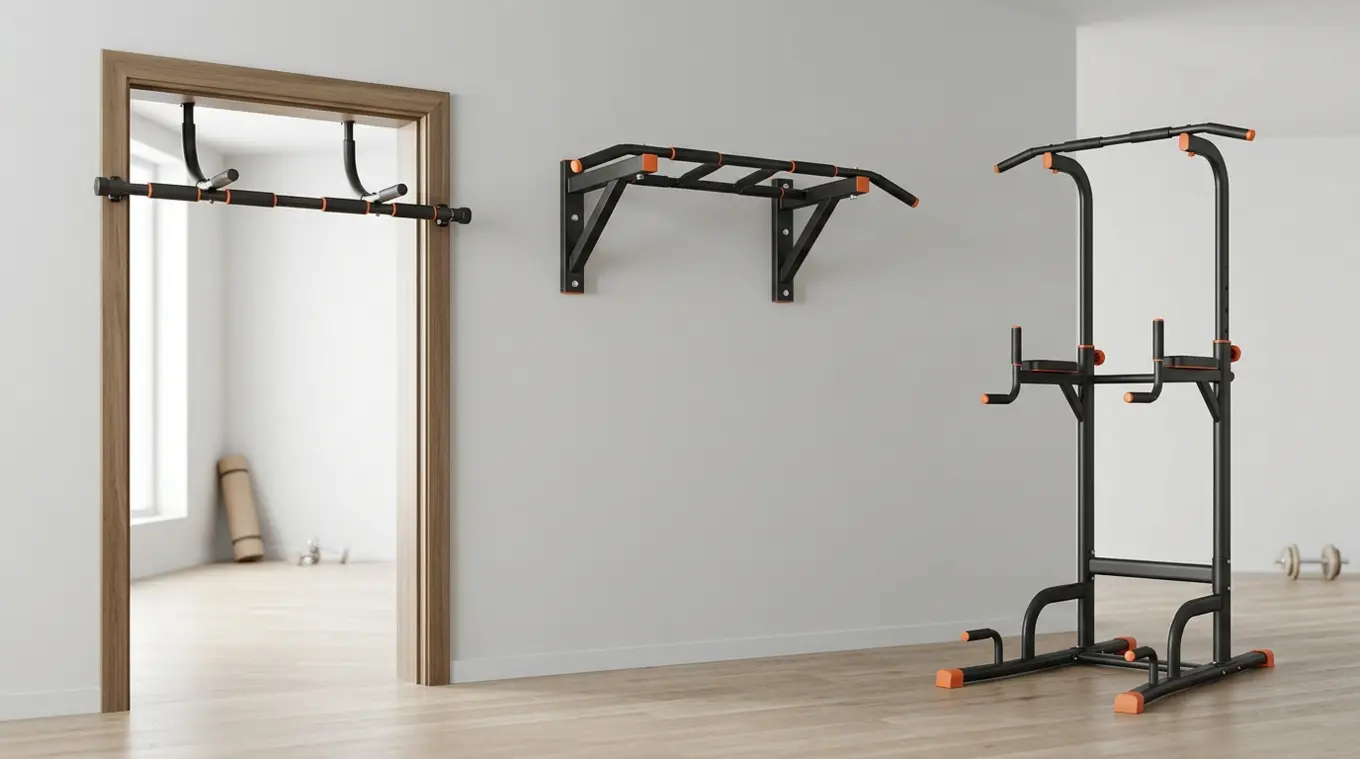
Doorway Pull Up Bars: The Most Popular Option
A doorway bar is the option most people picture first. If you are wondering what is a doorway pull up bar, it is a bar designed to fit in or over a standard door frame. Some models hook over the trim, while others use pressure or telescoping designs inside the frame.
This is usually the best starting point for casual home training because it is affordable, compact, and easy to set up. It is also often the best indoor pull up bar for apartment living and one of the strongest options for the best indoor pull up bar for renters, especially if you cannot make permanent changes to your place.
That said, doorway bars come with tradeoffs. Clearance is limited. Taller athletes often have to bend their knees a lot. Some models feel solid, while cheap ones can shift or damage trim. When people ask me are doorway pull up bars safe, my answer is yes, if you choose a well designed bar, use it on a compatible frame, and stay within the rated load. When people ask can a pull up bar break your door frame, the honest answer is also yes, especially if the frame is weak, the molding is decorative rather than structural, or the bar is installed incorrectly.
If you want the most convenient setup and your training is mostly strict reps, band work, and hangs, a doorway model can be a smart buy. If you plan on weighted pull ups or dynamic movement, I would usually go stronger.
Wall and Ceiling Mounted Pull Up Bars
Wall mounted and ceiling mounted bars are the next step up. These are more serious training tools. They are fixed into studs, joists, or concrete and usually feel much more stable than a doorway setup.
If you want the best wall mounted pull up bar or the best ceiling mounted pull up bar, you are probably looking for long term value, a higher indoor pull up bar weight capacity, and enough clearance for more than just strict pull ups. These bars are usually better for weighted calisthenics, muscle up progression drills, leg raises, and attaching rings or suspension trainers.
From my own training, this is the category I trust most when the goal is real progression. A good mounted bar simply feels different. Less sway, less distraction, and more confidence when you are pushing harder sets. The tradeoff is obvious: installation takes work, and if you rent, this may not be an option.
Ceiling mounted bars can be especially useful if wall space is limited, but they need proper overhead support. Wall mounted bars are more common, easier to understand for most buyers, and usually the safer recommendation unless your room layout clearly favors ceiling mounting.
Freestanding Pull Up Bars and Power Towers
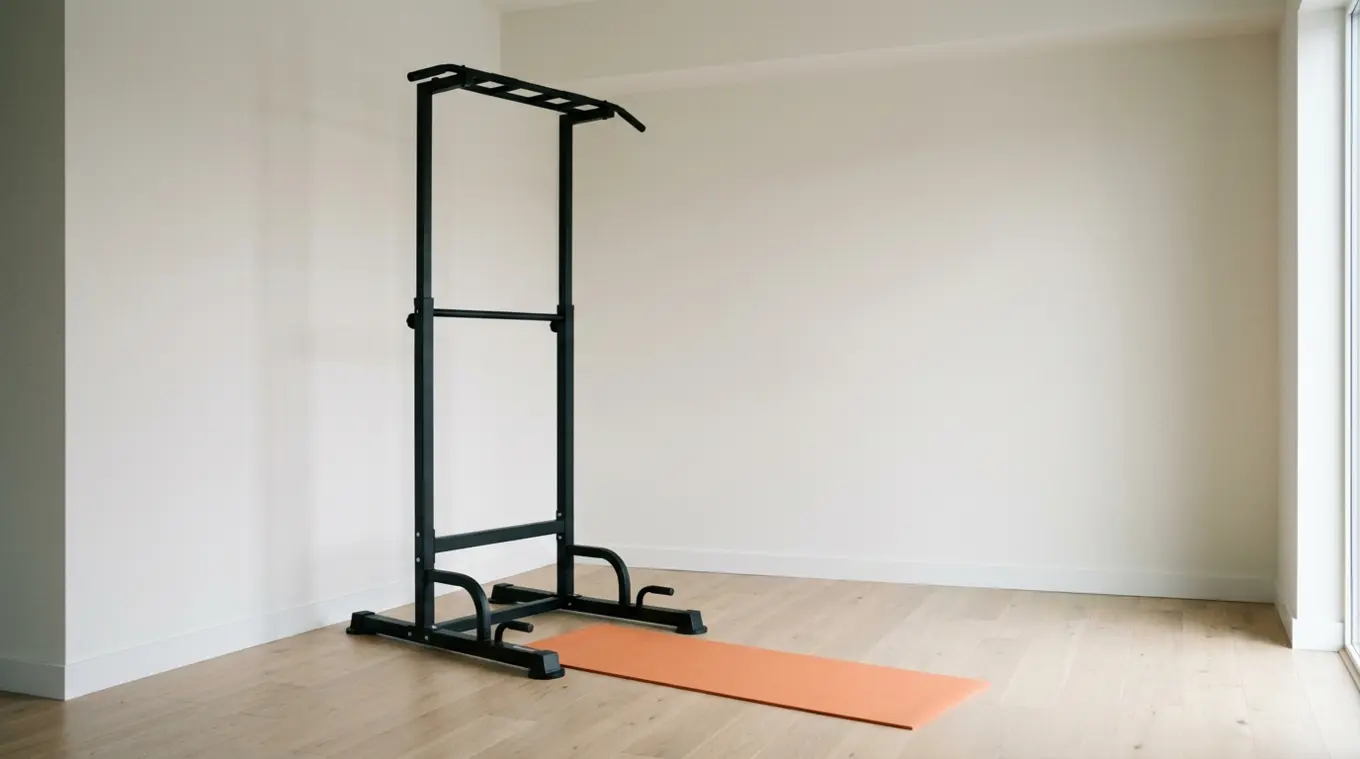
A freestanding pull up bar or power tower stands on the floor and does not rely on a doorway, wall, or ceiling. This type is ideal if you want a more complete station without drilling into your home.
For some people, this becomes the most practical compromise. You get more freedom of movement than a doorway bar, and you avoid permanent installation. Many power towers also include dip handles, knee raise stations, and push up options. If you train a lot of general bodyweight work, this can be a useful all-in-one setup.
The downside is footprint. A freestanding station takes up actual room, and some lower quality models wobble more than expected. In apartments, that matters. In a dedicated room or garage, it matters less. If your space can handle it and you want versatility, this category can work very well.
If you want a cleaner and more calisthenics focused setup, it is also worth looking at Gornation equipment and accessories that pair well with a pull up station, especially bands, rings, and other progression tools for home training.
Best Indoor Pull Up Bars: Our Top Picks
After comparing the main styles and looking at what actually matters in daily use, these are the indoor pull up bars I would shortlist for most people in the US. I am not just looking at specs here. I am looking at how these bars fit real homes, real budgets, and real training goals.
Best Doorway Pull Up Bar Overall
If you want the best doorway pull up bar or the best over the door pull up bar for most homes, I would lean toward a higher clearance over-the-door design similar to the Ultimate Body Press Elevated XL style.
Why this type works so well is simple. It gives you more vertical room than many basic over door bars, which is a big deal if you are taller or just want a less cramped rep. It also tends to offer multiple grip positions, which makes your training feel less repetitive. Wide grip pull ups, close grip work, neutral grip variations, and basic hangs are all easier to rotate through.
For doorway use, this style usually hits the best balance between cost, versatility, and convenience. It is the one I would point most beginners and intermediate home trainees toward, especially if they want to train consistently without committing to drilling holes.
Still, I would avoid the cheapest no-name doorway bars online. This is one of those categories where poor padding, poor geometry, or poor welds can turn a good idea into an annoying or risky setup. If you want more model specific guidance, a related guide on the best doorway pull up bar for calisthenics is worth reading.
Best Wall Mounted Pull Up Bar
If you want the best wall mounted pull up bar for serious training, a multi grip wall mounted bar in the style of the REP wall mounted bar is one of the strongest choices. This style offers a high weight rating, strong steel construction, and grip positions that make your training more complete.
For most committed calisthenics athletes, this is the sweet spot. You get much more stability than a doorway option, but you do not need the huge footprint of a power tower. It is also better if you plan to progress into weighted pull ups, ring rows, hanging knee raises, toes to bar, or mixed grip training.
I especially like multi grip bars for home use because they help your elbows and shoulders handle volume better. Rotating between pronated, neutral, and angled positions can make a big difference over time. If you are building a proper training corner at home, this is the category I trust most.
If you want an equipment ecosystem around your bar, Gornation products fit nicely here. A wall mounted bar plus Gornation resistance bands or wooden rings gives you a very complete home setup without buying a lot of bulky gear.
Best Freestanding Pull Up Bar / Power Tower
If drilling is not possible and you want more than a doorway setup, a freestanding station such as the BaseBlocks Big Bar style or a sturdy compact power tower is the best route. For strict pull ups and bodyweight basics, a simple freestanding bar is often better than a large all-in-one tower because it gives you a cleaner pulling experience.
If you also want dips, knee raises, and push up handles, a power tower may be the better value. If your priority is pull up quality, grip work, and possibly rings, a simpler freestanding bar can feel more natural.
This is often my recommendation for renters who have enough floor space and want to avoid the door frame question completely. It is not the cheapest option, but it can be the least stressful one.
How We Tested and Evaluated These Bars
When I look at indoor pull up bars, I do not start with marketing copy. I start with what makes a bar usable week after week. Over the years I have trained on basic doorway bars in apartments, sturdier wall mounted bars in home gyms, and larger stations in shared gym spaces. The same things keep showing up as the real difference makers.
First is stability. A bar can look great in photos and still feel distracting in real use. If it shakes every rep, slips under load, or creaks when you hang from it, it is hard to trust. That matters even more if you are working toward higher reps, weighted pull ups, or long dead hangs.
Second is build quality. I pay attention to steel thickness, weld quality, finish, padding where relevant, and how the contact points handle repeated use. On a doorway bar, I want to see smart leverage and decent protection for the frame. On a wall mounted bar, I want confidence in the hardware and bracket design. On a freestanding unit, I want the base to feel planted rather than clever on paper but unstable in practice.
Third is workout experience. Some bars technically work, but they feel cramped, awkward, or annoying. Grip spacing matters. Bar diameter matters. Clearance matters. If you have ever scraped your knees, clipped the wall, or felt your wrists fighting the setup, you know what I mean.
Finally, I look at value. The best bar is not always the most expensive one. Sometimes the smart choice is a simple doorway setup that suits your space perfectly. Sometimes paying more upfront for a mounted bar saves you from replacing a weaker option later. That practical balance matters more than hype.
What to Look for When Buying an Indoor Pull Up Bar
If you are wondering what to look for in an indoor pull up bar, focus on the things that affect safety, comfort, and long term usefulness. Most product pages talk about capacity and dimensions, but not all of them explain what those details actually mean for your training.
Stability, Weight Capacity and Build Quality
The first thing I check is how stable the bar is likely to feel under a real person, not just a listed max number. A high indoor pull up bar weight capacity is helpful, but it is not the whole story. A bar rated for 300 pounds may still feel shaky if the design is poor or the installation method is weak.
For mounted bars, steel construction and secure anchoring are key. For doorway bars, the leverage design and contact padding matter a lot. For freestanding units, base width and frame shape matter more than flashy extras.
If you do weighted calisthenics, this becomes even more important. Add a dip belt or weighted vest and the stress on the setup goes up fast. In that case, I would choose a properly mounted bar whenever possible. If weighted pull ups are part of your future plan, you may also want to read this guide to weighted calisthenics equipment.
Grip Options and Bar Width
Grip options can make a huge difference in both comfort and progress. A straight bar is enough for basic pull ups and chin ups, but a multi grip setup gives you more freedom to train around fatigue, shoulder comfort, and different goals.
| Type | Best for | Main advantage | Main drawback |
|---|---|---|---|
| Doorway pull up bar | Apartments, renters, beginners | Affordable, compact, easy to remove | Less clearance and lower stability for dynamic or weighted work |
| Wall mounted pull up bar | Serious home training, weighted calisthenics | Strongest overall stability and long term value | Requires drilling and proper installation |
| Freestanding pull up bar / power tower | Renters with floor space, versatile bodyweight training | No drilling and more movement freedom than doorway bars | Takes up more room and cheaper models can wobble |
Neutral grip is often easier on the shoulders and elbows. Wider positions change the feel of the upper back work. Closer options can help beginners learn control. From experience, having at least two useful grip choices makes a home bar much easier to stick with.
Bar width matters too. Very narrow bars feel restrictive. Very thick bars can challenge grip strength, which is useful for some athletes but frustrating for others. If you are newer to pull ups, a standard diameter is usually the safest choice.
Space Requirements and Installation
This is where many buyers get surprised. They focus on the bar itself but forget to measure the room around it. You need enough height to hang properly, enough width to move your elbows freely, and enough forward clearance so your head and knees are not constantly hitting something.
For doorway bars, check frame width, trim shape, and wall depth. For wall mounted bars, find the studs first and think about how far the bar extends from the wall. For ceiling mounted bars, make sure the joists and ceiling height support the setup. For freestanding stations, think beyond the footprint and ask whether the room still feels usable once the station is in place.
If space is very tight, you may also want to compare this with our guide on the best calisthenics equipment for small spaces.
How to Check If Your Door Frame Can Support a Pull Up Bar
Before ordering a doorway bar, spend a few minutes inspecting your frame. Start by looking at the trim material. Thick, solid wood trim handles the leverage of an over the door bar far better than thin decorative molding. Press against the trim gently. If it flexes noticeably or feels hollow, it may not be a suitable fit.
Next, check the wall depth on both sides of the door. Most doorway pull up bars require a specific depth to sit securely. If your door is set into an unusually thin or unusually thick section of wall, the bar may not seat properly even if the trim looks solid.
Also look for any signs of existing damage, rot, or looseness in the trim before installing anything. A bar that exerts repeated pressure on already weakened wood will accelerate the problem.
When you first set up a doorway bar, test it gradually. Apply your full body weight slowly in a dead hang before doing any reps. If the bar shifts, tilts unevenly, or visibly compresses the trim, that is a sign to reposition or reconsider the setup entirely. A bar that holds a slow hang without moving is generally safe for controlled pull ups. One that moves during that initial test is worth taking seriously before it becomes a real problem.
Doorway Pull Up Bar vs Wall Mounted vs Freestanding: Which Is Right for You?
This is the comparison most shoppers really need. All three categories can work. The best one depends on your living situation and how you train.
A doorway bar is best when convenience matters most. It is easier to remove, cheaper to buy, and usually good enough for strict pull ups, chin ups, hangs, and some core work. A wall mounted bar is best when training quality matters most. It feels more secure, usually supports more load, and gives you more options over time. A freestanding bar or power tower sits in the middle when you want stability without drilling, as long as you can spare the floor space.
Personally, I see these categories as stages for many people. A doorway bar is how a lot of athletes start. A mounted bar is what they eventually want. A freestanding unit is what they choose when housing rules get in the way.
Best Choice for Apartments and Small Spaces
For apartments, the best choice is usually a quality over the door model. That is especially true if you are renting and want the best indoor pull up bar for renters without creating holes in walls. A compact doorway setup is also often the best indoor pull up bar for apartment living because you can remove it when needed and store it fairly easily.
That said, not every apartment door is a good match. Weak trim, unusual molding, or limited clearance can make a doorway bar a bad fit. In those cases, a narrow freestanding station may actually be the better apartment choice if you have a spare corner.
Best Choice for a Dedicated Home Gym
If you have a garage, basement, or dedicated room and you are serious about progression, I would go with a wall mounted bar almost every time. It gives you a cleaner training feel, handles more advanced work, and tends to last longer.
A ceiling mounted bar can also work well when the room layout makes more sense overhead, but installation is less forgiving. For most buyers, wall mounted remains the easiest strong recommendation.
If you are trying to build out a full training area over time, it also makes sense to look at must have calisthenics equipment so your pull up setup fits into a bigger plan rather than becoming a one off purchase.
Indoor Pull Up Bar vs Outdoor Pull Up Bar: Key Differences
An indoor pull up bar and an outdoor pull up bar can both help you get strong, but they solve different problems. Indoor bars are about convenience, consistency, and working with limited space. Outdoor bars are usually better for full body freedom, dynamic skills, and weather resistant long term setups.
Indoor bars need to fit inside your home, so compactness matters. That often means tradeoffs in clearance or placement. Outdoor bars usually give you more room for kipping, muscle up work, and wide movement patterns, especially if they are part of a fixed calisthenics station.
Durability is different too. Indoor equipment does not need to handle rain, temperature swings, or sun exposure the same way outdoor gear does. On the other hand, indoor setups are easier to access daily, and that matters more than people think. The best setup is the one you will actually use four times a week, not the one that sounds ideal in theory.
If your main question is whether to train inside or outside, compare your options with our guide to the best outdoor pull up bar for calisthenics.
Chin Up Bar vs Pull Up Bar: Is There Actually a Difference?
In everyday conversation, people use these terms almost interchangeably. Technically, a chin up uses an underhand grip with your palms facing you, while a pull up uses an overhand grip with your palms facing away. So the difference is usually in the exercise and grip, not necessarily in the equipment.
That is why many products sold as chin up bars are basically the same as pull up bars. A straight bar can be used for both. A multi grip bar can support even more variations, including neutral grip reps that many people find more comfortable.
In practice, if a bar is solid and gives you enough clearance and grip width, you can do both movements just fine. I would not choose a bar based on the label alone. I would choose it based on stability, fit for your space, and whether the grips suit your shoulders and goals.
If you are still building your first rep, it also helps to improve technique early. This guide on how to do a pull up with perfect form is a good next step.
Common Mistakes When Choosing an Indoor Pull Up Bar
The first common mistake is buying based only on price. I understand the temptation. A cheap bar looks like a low risk way to start. But if it shifts on the door, digs into the frame, or feels sketchy every session, you will stop using it. A slightly better bar usually pays for itself in consistency.
The second mistake is ignoring compatibility. This happens a lot with doorway models. People assume all doors are the same, but trim depth, width, and wall thickness vary. If you do not measure properly, even a good bar can be the wrong bar.
The third mistake is underestimating your future training. If you already know you want to work toward weighted pull ups, hanging leg raises, rings, or muscle up progressions, buying the most basic setup may just delay the inevitable upgrade. I have seen this many times. Someone buys a simple doorway bar, outgrows it in a few months, then buys the mounted bar they should have started with.
The fourth mistake is overlooking comfort. Aggressive grip texture, awkward handle spacing, or poor clearance can make a bar feel worse than it should. That matters because a pull up bar is not a one exercise tool. It is a piece of equipment you will return to often, so small annoyances become big ones over time.
The final mistake is assuming all bars are equally safe if they have a weight rating. They are not. Safe use depends on setup, the structure you mount to, and whether the design fits your training style. This is especially important when people ask can a pull up bar break your door frame. The truth is that bad installation, weak trim, and swinging reps create problems far more often than the bar itself.
Frequently Asked Questions
Will a doorway pull up bar damage or break my door frame?
It can, but a well-made bar used on a compatible frame usually does not cause serious problems. Minor marks or compression can still happen with extended use. Damage becomes more likely when the frame is weak, the trim is decorative rather than structural, the wall depth is a bad match, or the bar is used for swinging reps instead of controlled strict work. Most serious damage comes from poor installation or using the bar for movements it was never designed to handle. Measuring first and following the weight rating makes a significant difference.
What pull up bar is best for beginners?
For most beginners, a quality doorway bar is the easiest starting point because it is affordable and simple to use. If your door setup is not ideal, a stable freestanding station is the next best option. I usually tell beginners to prioritize safety, simple installation, and one or two comfortable grip positions over fancy extras.
Can I do more than just pull ups on these bars?
Yes, and that is one reason a good bar is such a smart buy. Depending on the style, you can do chin ups, dead hangs, scapular pulls, hanging knee raises, leg raises, toes to bar, and attach rings or bands for rows and assistance work. Some freestanding towers also add dips and push up variations.
Are doorway pull up bars safe for daily use?
They can be very safe when you use the right model on the right door frame and follow the instructions carefully. Daily use is generally fine as long as you inspect the contact points regularly and avoid swinging or kipping on a standard doorway setup. Cheap bars and weak door trim are where most problems start.
What is the best indoor pull up bar for renters?
For most renters, the best option is a high quality over the door bar or a freestanding station if floor space allows. The right choice depends on whether you trust your door frame and whether you want something removable or totally independent from the structure of the apartment.
What is the best indoor pull up bar for an apartment?
For most apartment users, a good over-the-door model is the best starting point because it saves space and does not need drilling. If you do not trust the door frame or want more stability, a compact freestanding station is often the smarter apartment solution.
What should I look for in an indoor pull up bar?
Focus on stability, fit for your space, safe installation, grip comfort, and realistic weight capacity. Those factors matter more than flashy extras. If you plan to train weighted pull ups or use rings, it is worth stepping up to a mounted bar or a stronger freestanding station.
Our Verdict: The Best Indoor Pull Up Bar for Most People
If I had to recommend one category to most people, it would be a high quality doorway pull up bar. It is the easiest entry point, the most apartment friendly, and usually the best balance of price and usefulness. For many homes, that is enough to build real pulling strength and stay consistent.
But if you know you are committed, have a suitable wall, and want the strongest long term option, a wall mounted multi grip bar is the better investment. It offers the best training experience overall and gives you more room to grow.
And if you are a renter who wants to avoid both drilling and door frame stress, a freestanding bar or compact power tower can be the most practical answer.
So the best indoor pull up bar is not the same for everyone. It is the one that matches your space, feels secure, and supports the kind of training you will actually do. If you make that choice honestly, you will almost always end up with the right setup.
The best indoor pull up bar comes down to fit, not hype. If you want simple and space saving, a quality doorway bar is hard to beat. If you want maximum stability and long term progression, go wall mounted. If you cannot drill and still want a serious setup, choose a freestanding station. My advice is to think about your room, your current level, and where you want your training to go in six months. Buy for that version of yourself, not just for today, and you will get much more value from your setup.