Trying to build a solid home setup without filling your garage, spare room, or patio with random gear? That is usually where people get stuck. You want something that lets you train pull ups, chin ups, dips, leg raises, and maybe even some skill work, but you do not want to waste money on equipment that feels shaky or ends up collecting dust. In this guide, I will walk you through what all in one calisthenics equipment actually is, who it makes sense for, what to look for before buying, and which setups are worth considering if you train at home in the US.
What Is All in One Calisthenics Equipment?
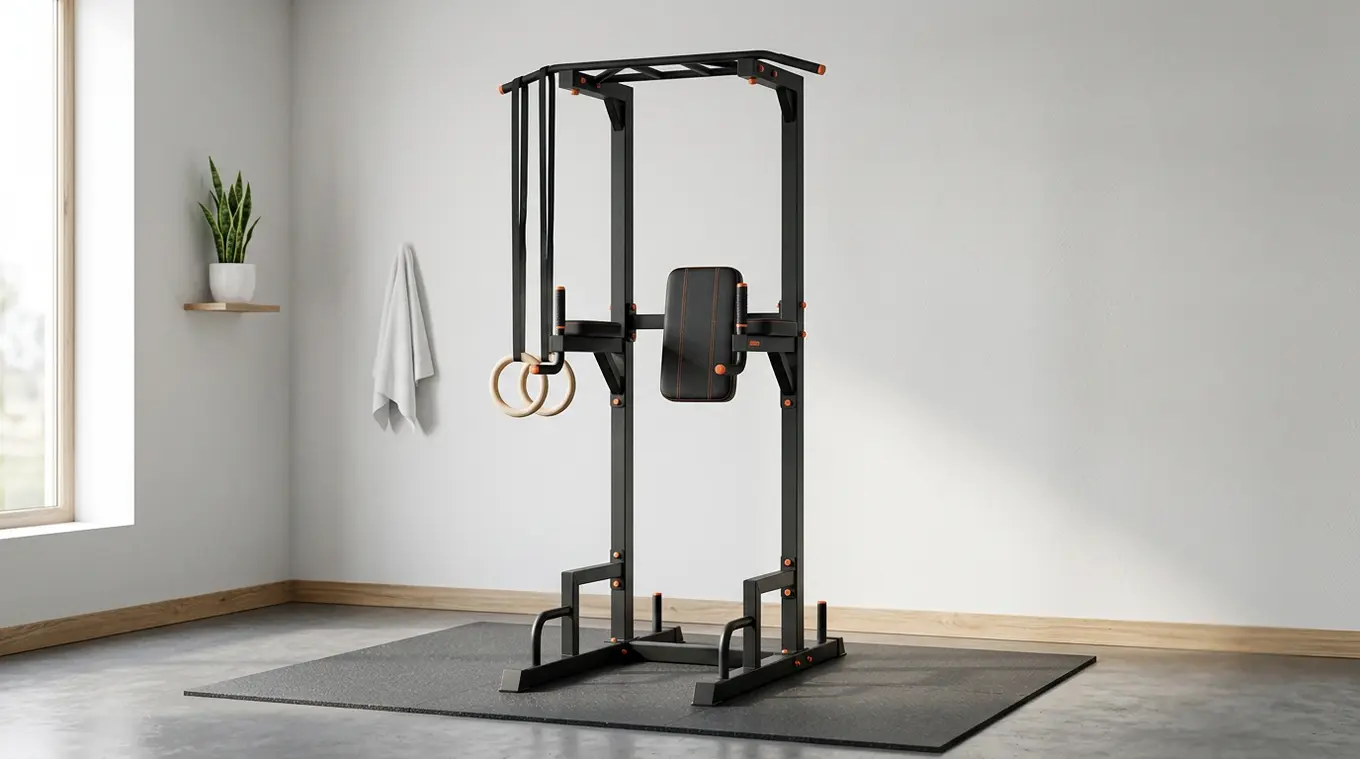
All in one calisthenics equipment is a single training station designed to cover multiple bodyweight movements in one place. In practice, that usually means a frame that combines a pull up bar, dip handles, vertical knee raise support, push up handles, and sometimes extra anchors for bands, rings, or a bench attachment. You will also see this called an all in one calisthenics station, power tower, pull up tower, or multi function bodyweight station.
The main idea is simple. Instead of buying a separate pull up bar, dip station, and freestanding rack, you get one base that supports most of your training. For a lot of people, that is the most realistic way to build a home setup without overspending or taking over the whole house.
What exercises should it cover?
A good station should cover the basics well before it tries to do everything. At minimum, I want it to handle pull ups, chin ups, dips, hanging knee raises, leg raises, incline push ups, and some form of row variation with bands or rings. If you are more advanced, it should also support weighted pull ups, weighted dips, L sits, and band assisted skill work.
In my experience, the stations that look flashy on paper but fail on basics are the ones people regret buying. A stable pull up bar height, dip handles with enough width, and a frame that does not sway under dynamic reps matter much more than ten mediocre attachments.
How does it differ from a regular pull up bar or dip station?
A regular pull up bar does one job well. A dip station does one job well. An all in one calisthenics station tries to bridge both and add extra training options. That makes it more versatile, especially for people building a home gym from scratch. The tradeoff is that not every combo station is equally good at every movement.
For example, a doorway pull up bar is cheaper and works well for frequent pull up practice, but it does nothing for dips unless you buy more equipment. A standalone dip station may feel sturdier for dips, but it does not replace a steel frame pull up station. If you want one main piece of calisthenics equipment for home, a well built multi function unit often makes more sense.
If you are still comparing simpler options, our guide on does calisthenics need equipment can help you decide how minimal you really want to go.
Who Actually Benefits From a Multi-Functional Calisthenics Station?
This type of setup is best for people who want to train consistently at home and need a reliable base for upper body work. Beginners benefit because they can start with assisted pull ups, knee raises, push ups, and support holds on one machine. Intermediates get more value because they can push volume on dips, pull ups, and core work without depending on a public park. Advanced athletes benefit if the unit is heavy duty enough for weighted calisthenics.
I usually recommend an all in one setup to three groups. First, busy people who want efficient training at home. Second, anyone building a garage gym calisthenics equipment setup with limited floor space. Third, people who live in areas where weather makes outdoor training inconsistent.
It is less ideal if your main goal is high level ring work, bar flow, or muscle up transitions that need more clearance around the bar. In that case, a wall mounted pull up bar plus rings may be better. GORNATION gear fits well here. Their Workout Rings Set and resistance bands are easy add ons if your main station needs more exercise variety without making your setup complicated.
The Main Types of All in One Calisthenics Equipment
Not all stations solve the same problem. Some are made for stability and heavy use. Others are made to fit small apartments. A few try to be portable enough for backyard or travel use.
Freestanding calisthenics rigs and power towers
This is the category most people think of first. A freestanding power tower or pull up tower usually includes a top bar for pull ups and chin ups, dip arms, and a back pad for knee raises. Better models also include thicker steel tubing, wider bases, and optional attachments for bands or suspension trainers.
For most homes in the US, this is the easiest starting point. You do not need to drill into walls, and assembly is usually straightforward. A good heavy duty calisthenics equipment option in this category works well in a garage, basement, or spare room. The downside is that cheaper towers can wobble badly, especially for taller athletes or explosive reps.
If you are looking specifically at this category, it is worth comparing options in a focused guide like best pull up station power tower for calisthenics.
Wall-mounted multi-function stations
A wall mounted station is usually the better choice if stability matters more than portability. These setups can feel much more secure for strong pullers, weighted work, and high rep sessions. They also save floor space because the main structure stays close to the wall.
The catch is obvious. You need a suitable wall, proper installation, and enough confidence to mount it correctly. If you rent, this may not be practical. If you own your space and want a cleaner, more permanent setup, a wall mounted station often beats a freestanding unit in feel and longevity.
GORNATION has strong options in this area too, especially if you want a clean pull up base and then build around it with rings, a dip belt, or parallettes instead of relying on one bulky machine.
Portable and outdoor calisthenics setups
Portable all in one setups are appealing because they can go from your living room to your yard or even on road trips. In reality, these are best for people who value flexibility more than maximum stability. Most portable systems are great for rows, push ups, dips, and some pulling, but not all feel ideal for hard kipping, muscle up attempts, or heavy weighted work.
If you mostly train in the backyard, driveway, or local park, a more modular setup can be smarter than a single bulky tower. For example, pairing GORNATION rings, bands, and parallettes with a solid outdoor pull up bar often gives you more exercise freedom than a portable combo station. If that sounds closer to your situation, take a look at best portable calisthenics equipment.
What to Look for Before You Buy
This is where most buying mistakes happen. People get pulled in by attachments, photos, and price, but ignore the features that actually affect training quality.
Stability and weight capacity
First, check the frame design and the real world stability. The listed weight capacity matters, but it does not tell the full story. A station may claim a high limit and still shake during pull ups because the base is narrow or the bolts loosen over time. Read reviews from athletes close to your height and bodyweight, especially if you plan on weighted pull ups or weighted dips.
Personally, I always prefer fewer moving parts and thicker steel over extra attachments. A simple steel frame pull up station with solid dip handles usually lasts longer and feels better than a feature packed machine with too much flex. If you want heavy duty calisthenics equipment, look for stable cross bracing, wide feet, and a frame that stays planted during strict reps.
Space requirements and footprint
Measure your space before you do anything else. Ceiling height is the first thing people forget. You may have room for the footprint but not enough clearance for full range pull ups or headroom above the bar. Also think about side clearance for dips and whether you want room to attach rings or bands.
For apartment training, compact units can make sense, but only if they still let you move naturally. I would rather see someone buy a simpler compact station and add GORNATION rings later than buy an oversized tower that never feels comfortable enough to use regularly.
Build quality and durability
Good build quality shows up in details. Clean welds, solid bolts, grippy handles, quality powder coating, and parts that line up properly during assembly. Cheap equipment often looks acceptable in product photos but feels rough or unstable once you start training hard.
| Type | Best for | Main advantages | Main downside |
|---|---|---|---|
| Freestanding power tower | Most home users | Versatile, no wall drilling, easy starting point | Cheaper models can wobble |
| Wall-mounted station | Serious home training with limited floor space | Better stability, cleaner setup, strong for weighted work | Needs solid installation and suitable wall |
| Portable or outdoor setup | Flexible backyard, travel, or park training | Easy to move, modular, useful for mixed locations | Usually less stable for heavy or explosive work |
One lesson I learned early on is that cheap gear costs more in frustration than in dollars. A shaky frame changes how confidently you train. That matters for hard sets of pull ups, chin ups, and dips. If a main station is outside your budget, it can be smarter to buy one quality pull up option and add proven accessories such as GORNATION resistance bands, parallettes, or a dip belt over time.
How Much Should You Budget for All in One Calisthenics Equipment?
Price is one of the first things people want to know, and it makes sense to understand the range before comparing specific options. All in one calisthenics stations generally fall into three tiers.
Entry-level stations typically sit below $150. These are usually basic power towers with thinner steel and narrower bases. They can work for lighter users who are just starting out, but stability tends to be an issue for heavier athletes or anyone doing explosive reps.
Mid-range stations, roughly between $150 and $350, offer noticeably better build quality, wider footprints, higher weight limits, and more practical dip handle positioning. For most home trainers, this range offers the best balance of durability and value.
Premium stations start around $350 and go higher from there. This includes heavy-duty freestanding rigs, quality wall-mounted systems, and professional-grade frames. If you train seriously, use added weight, or want a setup that will last many years, investing at this level often makes more sense long term.
One practical note: a mid-range station paired with quality accessories like rings and resistance bands will often outperform a more expensive station loaded with attachments you rarely use. Spend the bulk of your budget on a stable base, then add accessories based on what your training actually needs.
Best All in One Calisthenics Equipment: Our Top Picks
There is no single best all in one calisthenics equipment for everyone. The right choice depends on your space, training level, and whether you want one main station or a station plus a few smart accessories.
Best overall home calisthenics station
For most people, the best overall option is a heavy freestanding power tower with a stable pull up bar, usable dip handles, and room for band or ring add ons. It should feel planted for strict pull ups and not force an awkward dip position. If you are training several times per week, this kind of station gives the best balance of convenience, exercise variety, and value.
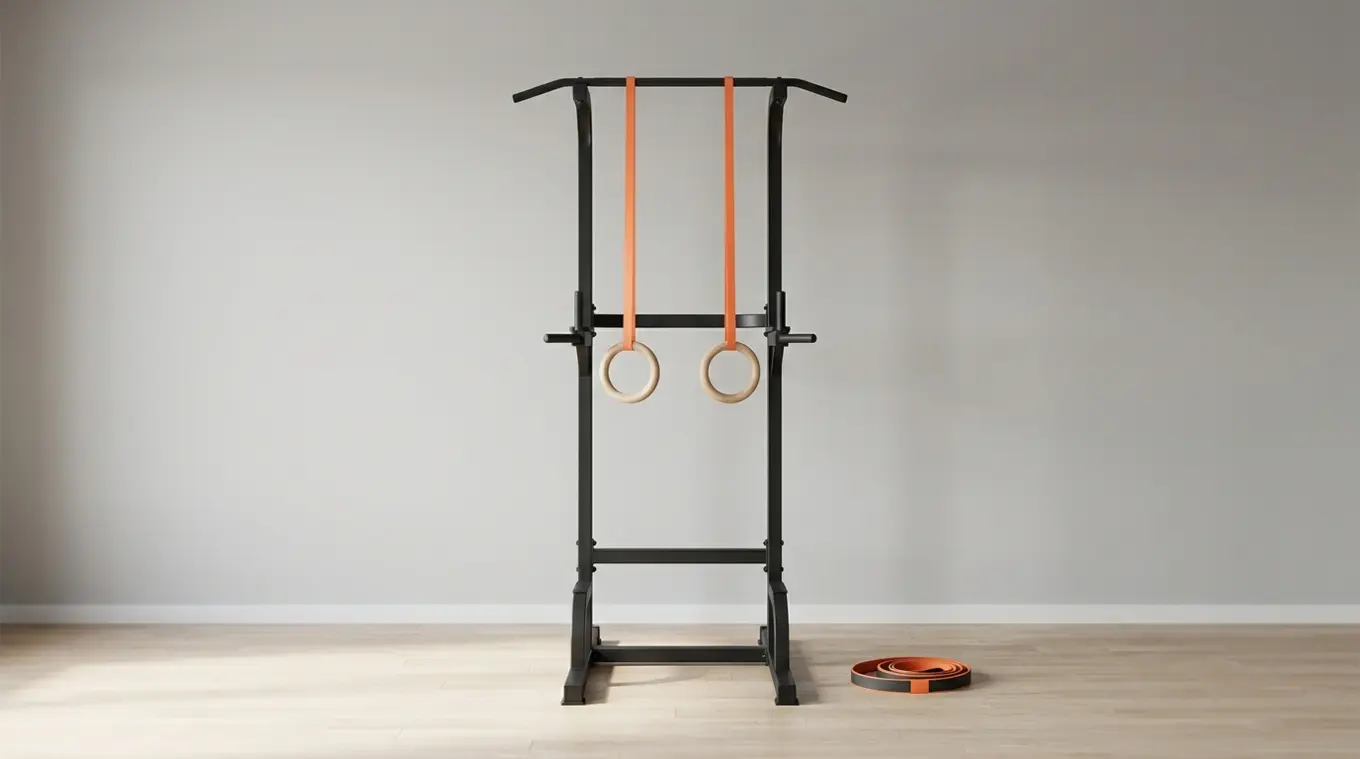
My honest advice is to choose a solid frame first, then improve it with accessories. A power tower plus GORNATION Workout Rings Set and resistance bands is often better than a more expensive tower loaded with attachments you will rarely use. That combination covers assisted pull ups, rows, ring push ups, dips, mobility work, and progression work for muscle ups.
Best compact option for small spaces
If space is tight, go with a compact pull up tower or wall mounted bar rather than forcing a full size station into a corner. Small spaces demand good movement flow. You need enough room to get on and off the bar safely and enough clearance to use accessories without smashing into furniture.
In a small apartment, some of the best calisthenics equipment for home is actually a compact base plus modular tools. For example, a wall bar or doorway solution paired with GORNATION Push Up Bars or Premium Parallettes Active can cover pressing and core work with very little footprint.
Best for outdoor use
For outdoor training, weather resistance and portability matter more than fancy features. A fixed backyard pull up station or a durable portable frame works best if you train on a patio, driveway, or grass. Powder coated steel helps, but regular maintenance still matters if the frame stays outside.
If I were building an outdoor focused setup, I would keep the main station simple and add weather flexible accessories like rings and bands when needed. GORNATION rings are especially useful here because they turn a basic bar into a much more complete training station.
How to Set Up Your Home Calisthenics Gym Around One Station
A single station can absolutely anchor your home gym, but the smart move is to build around it with just a few accessories that solve real training gaps. Start with the station itself for pull ups, chin ups, dips, and hanging core work. Then add resistance bands for assistance and warm ups. After that, add rings or parallettes depending on your goals.
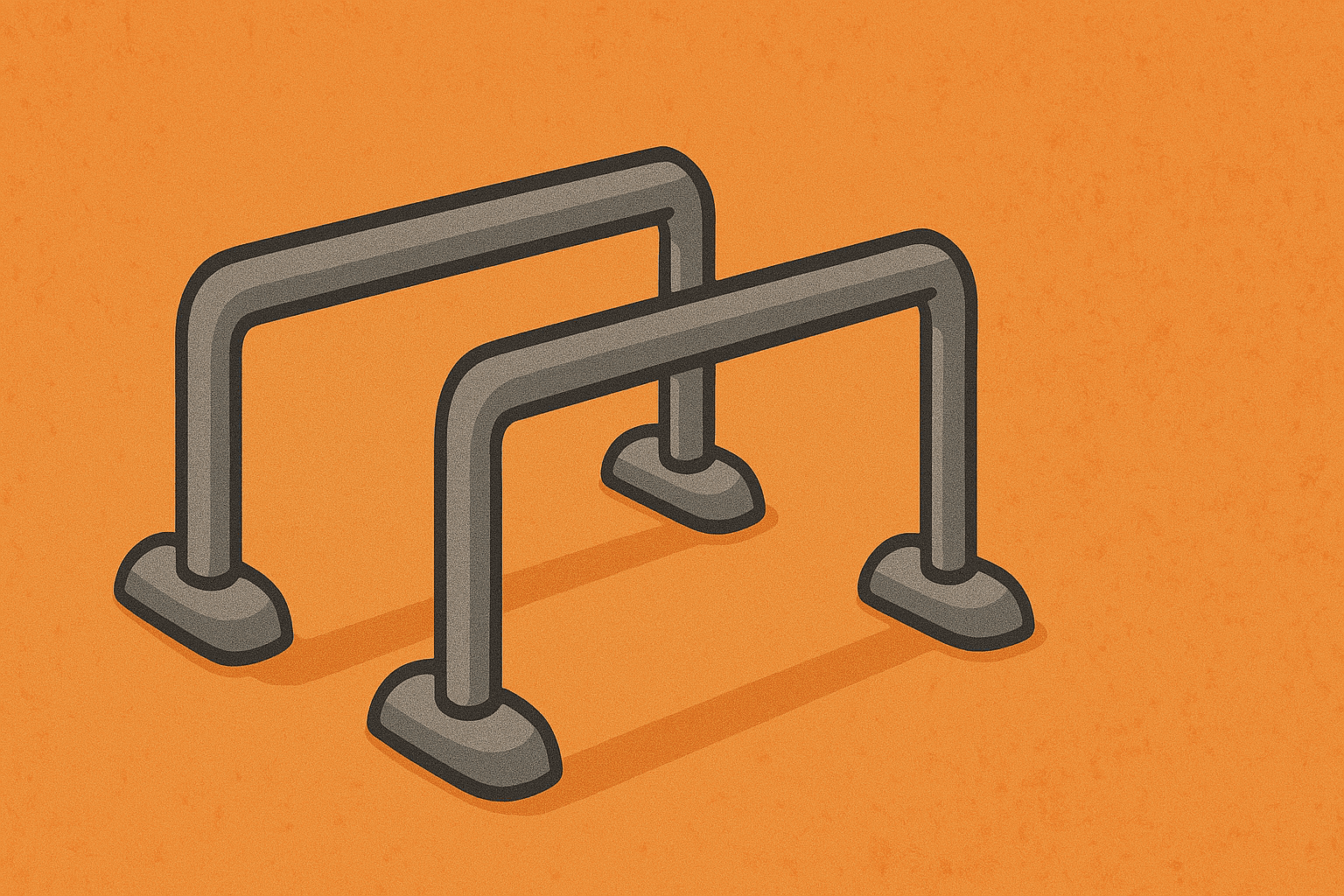
If your goal is handstands, push strength, and wrist comfort, parallettes make more sense first. If your goal is upper body strength and more exercise variety, rings usually add more value. GORNATION has both, and they are easy to integrate without making your setup messy.
A simple home setup I often recommend looks like this. One sturdy all in one calisthenics station, one set of resistance bands, one pair of parallettes or rings, and a dip belt later when basic reps get too easy. That covers almost everything most people need for years of progress.
If handstand work is part of your plan, this guide on how to learn a handstand is a helpful next step.
Common Mistakes When Choosing a Calisthenics Station
The biggest mistake is buying based on features instead of training quality. More attachments do not automatically mean better workouts. If the pull up bar is too low, the dip handles are awkward, or the frame rocks during strict reps, the extras will not save it.
The second mistake is underestimating your future strength. A station that feels fine for band assisted pull ups may feel inadequate once you can do clean sets of ten pull ups and weighted dips. If you know you are serious, buy for the athlete you are becoming, not just the beginner you are today.
The third mistake is ignoring setup reality. Some stations look perfect online but are too big, too short, or too unstable for your actual room. Measure carefully, check the bar height, and think about ceiling clearance.
Finally, many people skip accessories that would make the station far more useful. A basic tower plus quality bands can unlock progression work. A pair of rings can add rows, instability work, and deeper pushing variations. Those upgrades are often more valuable than chasing the fanciest base model.
Is One Station Really Enough, or Do You Need More?
For a lot of people, yes, one station is enough to get strong, lean, and technically better. You can build serious pulling strength, pressing strength, and core control with one good setup. If your goals are general strength, better body composition, and mastering basics like pull ups, chin ups, dips, and leg raises, you do not need much more.
Where one station starts to fall short is in advanced specialization. Ring muscle ups, planche work, freestanding handstand progressions, and weighted calisthenics often benefit from extra tools. That does not mean your original purchase was wrong. It just means your training has evolved.
From what I have seen, the best long term approach is to start with one reliable station and add only what solves a specific problem. Add GORNATION bands if you need assistance or resistance. Add rings if you want more pulling and pushing variations. Add a dip belt when bodyweight work gets too easy. That keeps your setup focused and useful.
Final Verdict: Which All in One Calisthenics Setup Is Right for You?
If you want the simplest answer, here it is. Choose a stable all in one calisthenics station if you train at home consistently and want one main piece of equipment that covers pull ups, chin ups, dips, and core work. Choose a wall mounted option if you want the best feel and you can install it properly. Choose a freestanding power tower if you want convenience and flexibility. Choose a modular setup if portability or outdoor training matters most.
For most readers, the best all in one calisthenics equipment is not the one with the longest feature list. It is the one you will actually use three to five times per week without fighting the setup. That usually means solid construction, enough space to move well, and a few smart accessories instead of endless gimmicks.
If you want a practical recommendation, start with a sturdy station and pair it with one or two proven add ons from GORNATION, especially rings, bands, or parallettes depending on your goals. That gives you a setup that works for beginners, scales into intermediate training, and still makes sense once you start chasing harder skills or weighted reps.
Done right, one station can take you a very long way.
Conclusion
All in one calisthenics equipment makes the most sense when you want a clean, efficient way to train at home without buying five separate pieces of gear. Focus on stability, usable bar height, solid dip positioning, and enough room for your body size and training style. If the base is good, you can always expand with rings, bands, or a dip belt later.
If you are unsure, keep it simple. Buy a station that handles the basics well and build from there. That approach is usually cheaper, safer, and much better for long term progress than chasing a machine that promises everything at once.
Frequently Asked Questions
Is all in one calisthenics equipment good for beginners?
Yes, as long as the station is stable and not overly complicated. Beginners benefit from having one place to practice assisted pull ups, dips, push ups, and knee raises. The key is choosing a station that feels secure and lets you progress gradually with bands or easier variations.
Can you build muscle with an all in one calisthenics station?
Absolutely. A good all in one calisthenics station can build muscle through pull ups, chin ups, dips, leg raises, and higher volume bodyweight training. Once those movements get easier, you can increase difficulty with slower tempo, more volume, resistance bands, or weighted calisthenics accessories.
What is better, a power tower or separate calisthenics equipment?
A power tower is better if you want convenience, one footprint, and a straightforward home setup. Separate equipment is better if you want to specialize or upgrade piece by piece. In most cases, a power tower plus quality accessories gives the best balance for home training.
How much space do I need for a pull up tower at home?
Most pull up towers need more than just floor space. You also need overhead clearance for full pull ups and enough room around the sides for dips and safe movement. Measure your ceiling carefully and leave extra space if you plan to attach rings or resistance bands.
What accessories should I add to an all in one calisthenics station?
The best additions are resistance bands, rings, parallettes, and eventually a dip belt. Bands help with assistance, warm ups, and progression work. Rings add exercise variety. Parallettes help with wrist comfort and handstand training. A dip belt becomes useful once your bodyweight reps are no longer challenging enough.