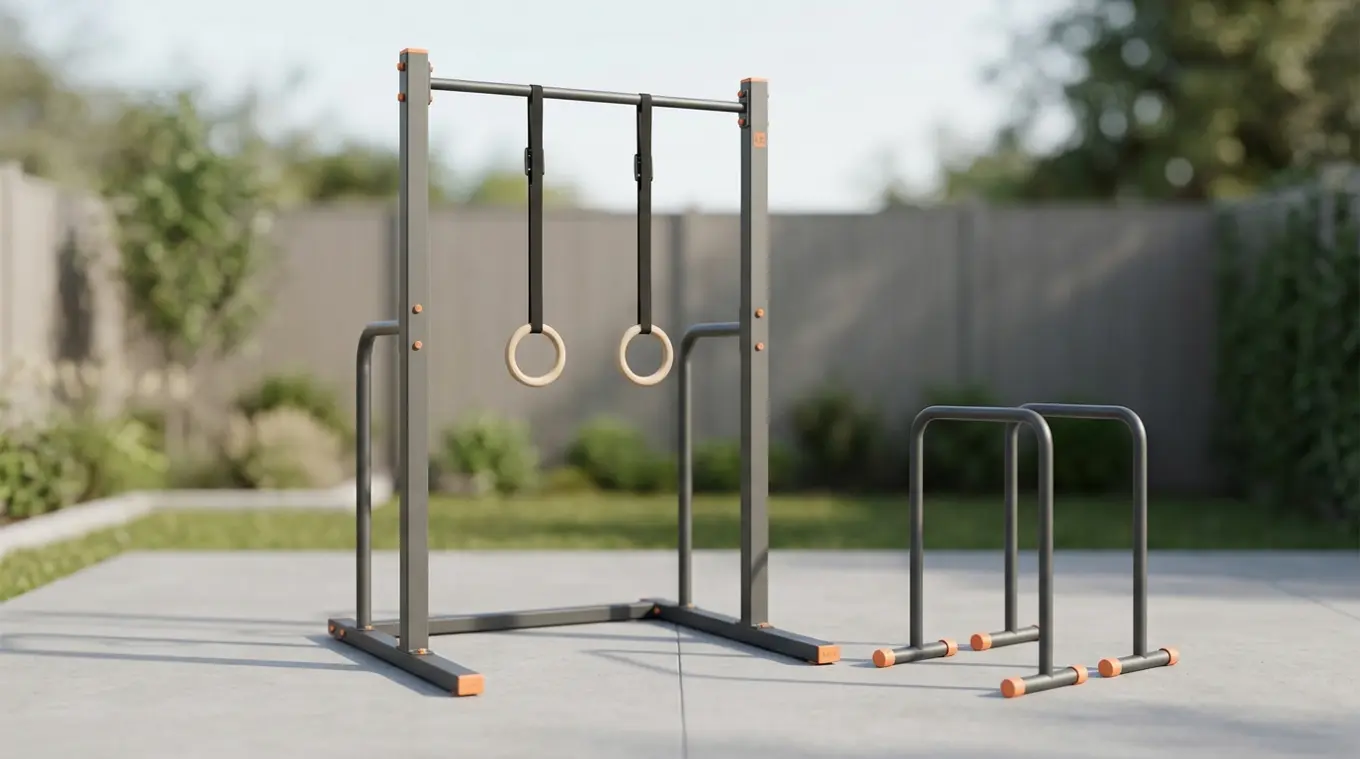
Maybe you have looked at your backyard, patio, or a nearby open space and thought, can I build a simple outdoor training setup that actually works? That is a common question, especially when you want fresh air, more freedom, and fewer gym limitations. Outdoor calisthenics equipment can be anything from one solid pull up bar to a full backyard rig with dip bars, rings, and accessories. In this guide, I will walk you through what really matters, what to skip, and which setups make the most sense for your space, budget, and training level in the U.S. market.
What Counts as Outdoor Calisthenics Equipment?
If you are wondering what is outdoor calisthenics equipment, the short answer is this: it is any bodyweight training gear designed to be used outside and to hold up against weather, repeated use, and changing temperatures. That can include a fixed outdoor pull up bar, outdoor dip bars, a multi station rig, wall mounted bars in a covered patio, or portable tools like gymnastics rings and outdoor resistance bands for calisthenics.
In practice, not every outdoor setup needs to look like a public street workout park. Most people in the U.S. who train at home just need a small number of durable pieces that let them do pull ups, dips, leg raises, rows, push ups, and ring work. I have trained on everything from public bars in parks to simple backyard posts, and the best setup is usually the one you will actually use three to five times per week.
The Difference Between a Public Calisthenics Park and Your Own Setup
A public calisthenics park is usually built for many users, higher traffic, and long term durability. You will often see galvanized steel, powder coating, thick uprights, engineered footings, and layouts with monkey bars, ladders, parallel bars, benches, and sometimes timers or signs. That is commercial equipment.
Your own setup is more personal. It should match your goals, your available space, and the exercises you care about most. If your focus is pull ups, muscle up progressions, and weighted calisthenics, one high quality outdoor pull up bar plus rings may do more for you than a large package full of stations you never touch.
Minimal vs. Full Outdoor Calisthenics Rig: What Do You Actually Need?
A minimal setup usually includes one bar, one pair of rings, and maybe a weighted vest for outdoor calisthenics. That already covers vertical pulling, horizontal pulling, dips, push ups, core work, and skill practice. A fuller rig adds parallel bars, monkey bars, a second bar height, and dedicated stations for multiple users.
If you are training alone at home, I would start minimal unless you already know you love outdoor sessions. A lot of people overbuy. A smart outdoor calisthenics equipment list is better than a huge one.
The Essential Outdoor Calisthenics Equipment List
When people ask me for the best outdoor calisthenics equipment, I usually narrow it down to a few essentials that give the highest training return.
Pull-Up Bars and Multi-Station Rigs
The outdoor pull up bar is the foundation. If you only buy one fixed piece of equipment, make it this. Pull ups, chin ups, hanging leg raises, front lever work, muscle up transitions, and ring attachment all start here. A good bar should feel stable under dynamic movement, have enough bar height for full hang, and use weather resistant steel.
For home users, a single bar is often enough. For families, training partners, or advanced athletes, a multi station rig makes more sense because it can combine high and low bars, monkey bars, and extra anchor points. If you want a deeper breakdown, this guide on the best outdoor pull up bar for calisthenics is worth reading.
Parallel Bars and Dip Stations
Outdoor dip bars are the second most useful fixed station in my experience. Dips, L sits, support holds, tuck planche progressions, and even bodyweight rows become easier to program when you have a stable pair of bars. The main thing to watch is width. If the bars are too wide or too low, dips will feel awkward and shoulder position can get messy.
For smaller spaces, a compact dip station can work better than full parallel bars. For bigger backyards, fixed parallel bars offer more versatility. If dips are one of your main goals, check this dip station guide for more detail.
Gymnastics Rings and Portable Add-Ons
Rings are one of the best value purchases in calisthenics. If you already have an outdoor bar or even a strong beam under a covered patio, rings turn that anchor point into a full upper body station. They also store easily, which makes them ideal for outdoor calisthenics equipment for small backyard spaces or an outdoor calisthenics setup for apartment patio use.
This is where Gornation stands out. Their wooden rings are easy to recommend because the grip feels good, the straps are practical, and they fit both beginners and more advanced athletes. For many people, a Gornation rings set plus one outdoor bar is the smartest first purchase.
Other useful add-ons include resistance bands, chalk, and a vest. Outdoor resistance bands for calisthenics help with assisted pull ups, mobility, and warm ups. A weighted vest is great when bodyweight basics become too easy. If you want ideas, these guides on ring exercises and weighted training are helpful.
Best Outdoor Calisthenics Equipment by Goal and Level
Beginner: Where to Start Without Overbuying
If you are new, keep it simple. A stable pull up bar, rings, and one light to medium resistance band are enough. That covers assisted pull ups, rows, push ups, dips on rings if you progress carefully, and core work. I have seen plenty of beginners spend too much on a giant setup before they even know whether they enjoy outdoor training in heat, wind, or colder mornings.
For most beginners, budget-friendly outdoor calisthenics equipment only works if it is simple and not a fixed structural installation. Bands and rings can be affordable without sacrificing quality. But fixed bars should not be the cheapest thing you can find. That is where poor welding, weak anchors, and wobble become real problems.
Intermediate to Advanced: Expanding Your Outdoor Gym
Once you can do solid sets of pull ups and dips, it makes sense to expand. Intermediate and advanced athletes benefit from multiple bar heights, a dedicated dip station, and room for weighted work. This is where a weighted vest for outdoor calisthenics or a dip belt becomes useful, especially for pull ups, dips, and step ups.
Gornation is again a practical recommendation for portable additions. Their weighted vest, bands, and rings work well if you already have a fixed outdoor structure and want to level it up without turning your yard into a commercial park. This combination is especially good if your main goal is weighted calisthenics rather than freestyle skills.
What to Look for When Buying Outdoor Calisthenics Gear
The best material for outdoor calisthenics equipment is usually galvanized steel with a quality powder coated finish. That combination handles corrosion better than basic painted steel. Stainless steel can also be excellent, but it often costs more. If you live in a humid state, near the coast, or in places with freeze-thaw cycles, this matters even more.
Look at stability first, finish second, and features third. People often do the opposite. A fancy setup is useless if the bar flexes during explosive pull ups. I would also pay attention to bar diameter, grip feel, rust protection, and whether the equipment includes clear installation specs.
| Equipment | Best for | Main benefits | Best fit |
|---|---|---|---|
| Outdoor pull up bar | Pull ups, chin ups, leg raises, ring attachment | Highest training return, strong foundation, compact footprint | Almost every home setup |
| Dip bars or parallel bars | Dips, L sits, support holds, rows | Adds pushing strength work and more exercise variety | Users with a bit more space |
| Gymnastics rings | Rows, dips, push ups, core work, skill practice | Portable, affordable, highly versatile | Beginners to advanced athletes |
| Resistance bands | Assistance, warm ups, mobility | Low cost, easy to store, great for progression | Beginners and hybrid setups |
| Weighted vest | Progressive overload for pull ups, dips, push ups, step ups | Makes basic exercises harder without needing more stations | Intermediate and advanced athletes |
| Multi station rig | Full body outdoor training with multiple users | Most complete fixed setup, more bar heights and stations | Large spaces and bigger budgets |
For U.S. buyers, commercial grade products often mention standards, weather resistance, and public use compliance. If you are installing something permanent, that is a good sign. Even for home use, durability standards and anchored footings are worth taking seriously.
If you are asking how to install outdoor pull up bar systems, the answer depends on the design, but most fixed bars need proper concrete footings, level placement, drainage planning, and enough clearance around the training area. If you are not confident with layout and concrete work, professional installation is worth considering. A badly installed bar is worse than no bar at all.
Portable vs. Fixed Outdoor Calisthenics Equipment: Which Is Right for You?
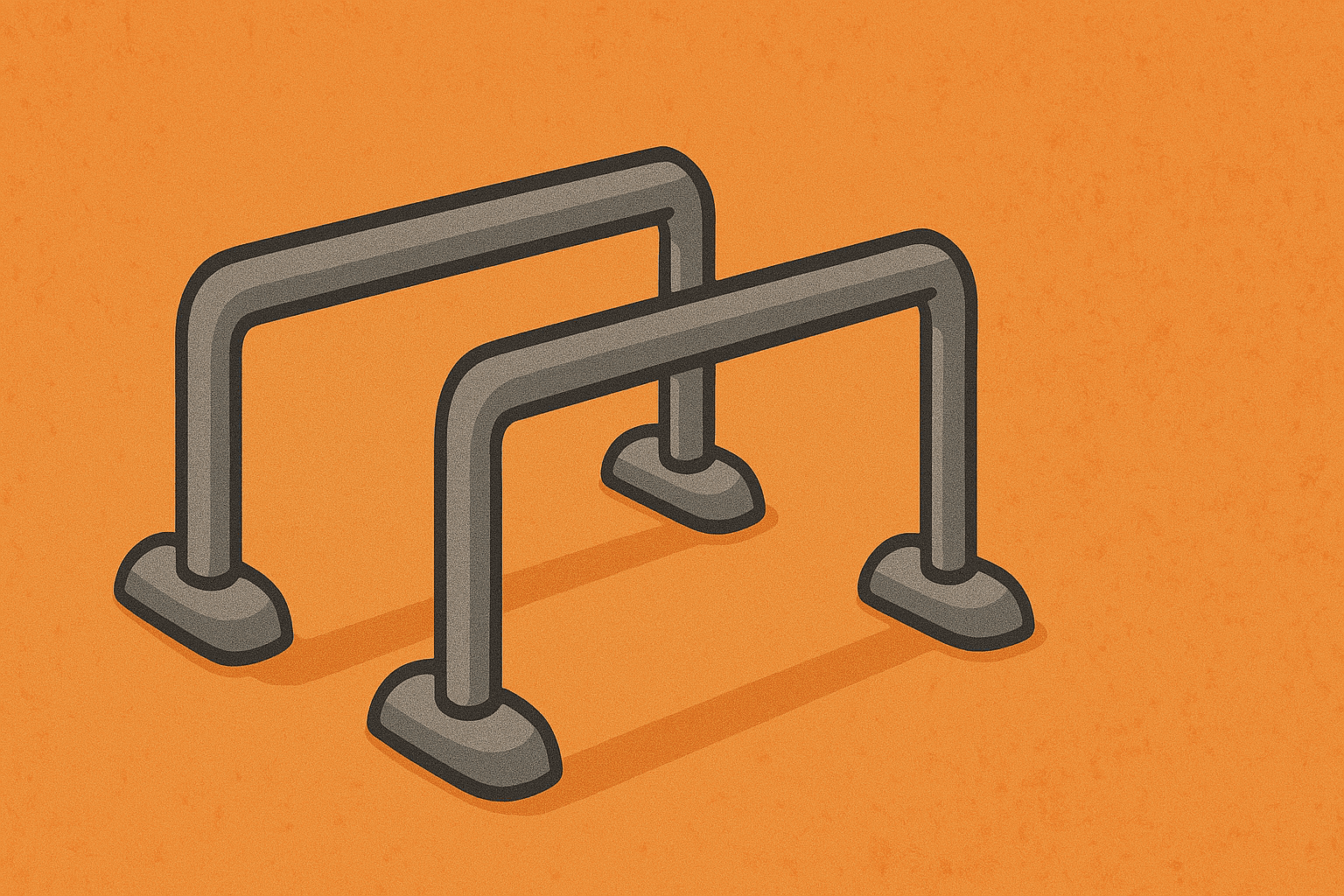
Portable gear wins on flexibility. Rings, bands, push up bars, parallettes, and vests are easy to move, store, and use in parks, patios, garages, or on trips. Fixed gear wins on convenience and confidence. You walk outside, and the setup is ready every time.
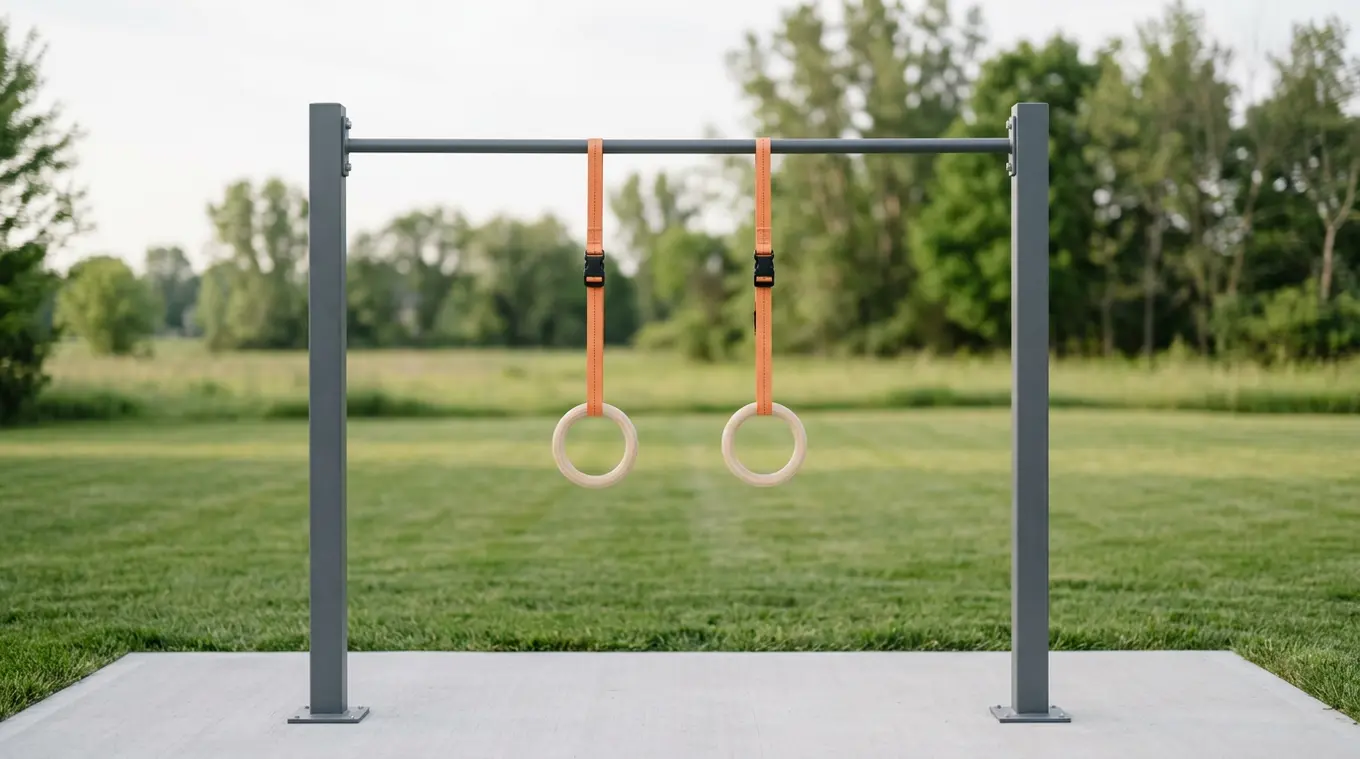
If you rent, portable is usually the better option. If you own your home and know you will train consistently, fixed equipment is the better long term investment. For many readers, the sweet spot is a hybrid setup: one fixed pull up bar plus portable accessories from a reliable brand like Gornation.
This approach also works well for outdoor calisthenics equipment for small backyard use. You save space while keeping your exercise options broad.
DIY Outdoor Calisthenics Setup: Is It Worth It?
A DIY setup can absolutely be worth it if you know what you are doing. A simple post and bar installation may cost less than a branded rig, and if built properly it can last for years. I have trained on well built DIY bars that felt better than some low end retail stations.
Still, DIY is not automatically cheaper once you count concrete, steel, tools, coatings, time, and mistakes. It also puts more responsibility on you for safety. If you go this route, use weather resistant materials, measure bar height carefully, and make sure the structure can handle dynamic force, not just static hanging.
For most people, DIY makes sense for a single outdoor pull up bar. It gets more complicated fast when you start adding monkey bars, multiple uprights, and dip stations.
How to Maintain Outdoor Calisthenics Equipment
Buying durable equipment is only part of the equation. Outdoor gear is exposed to rain, sun, temperature swings, and humidity year-round, so basic maintenance is what keeps it safe and functional long term.
Check bolts, anchors, and welds every few months, especially after heavy use or winter. Steel expands and contracts with temperature changes, which can gradually loosen hardware. Re-tighten anything that has shifted and look for early signs of rust or cracking around weld points.
If you spot small rust spots on a powder-coated surface, treat them early with a rust converter and touch-up paint before they spread. Wipe down bars and frames regularly, particularly after rain or in coastal climates where salt air accelerates corrosion.
For portable gear: wooden rings benefit from occasional light sanding and re-oiling if the surface feels rough or dry. Resistance bands should be stored indoors or in a shaded area when not in use, since prolonged UV exposure breaks down rubber over time. A small equipment cover or a roofed area over your training space can meaningfully extend the lifespan of everything underneath it.
Our Top Picks for the Best Outdoor Calisthenics Equipment
If I were building from scratch for the average home athlete in the U.S., I would separate the picks into categories rather than pretend one product fits everyone.
-
Best fixed essential: a permanently installed outdoor pull up bar with galvanized steel construction and enough height for full range work.
-
Best compact expansion: fixed or freestanding outdoor dip bars for dips, L sits, and support holds.
-
Best portable upgrade: Gornation wooden rings. They are useful, easy to store, and turn a basic bar into a much more complete station.
-
Best accessory for progression: Gornation resistance bands for assistance, mobility, and higher quality warm ups.
-
Best accessory for strength: a weighted vest once your bodyweight reps are no longer challenging enough.
If your budget is tight, start with rings and bands first, then invest in the bar. If your budget is larger and you have space, a two station setup with one bar and one dip station is usually the most practical home configuration.
And if you are still building your basics, you may also like our guide to must have calisthenics equipment.
Final Advice: Build Your Outdoor Setup Step by Step
The best outdoor calisthenics equipment is not the biggest rig or the most expensive package. It is the setup that matches your level, your space, and the way you actually train. A simple, stable bar plus rings and bands will take most people surprisingly far.
If you are a beginner, avoid overbuying. If you are more advanced, focus on quality and expansion options. Think about weather, installation, and whether you want portable or fixed gear. In my experience, athletes stay more consistent when the setup feels easy to use and not cluttered.
Start with one or two essentials, train on them for a few months, and only then add more. That is the smartest way to build an outdoor gym you will still enjoy a year from now.
Conclusion
If you want a reliable outdoor training space, start with the basics and prioritize durability over extra features. A solid outdoor pull up bar, a good pair of rings, and stable dip bars cover most of what people need for serious progress. For portable additions, Gornation is an easy brand to recommend because their accessories fit real calisthenics training without feeling gimmicky. Whether you are building a small backyard setup or upgrading to a more complete rig, the right move is usually to keep it practical, weather ready, and tailored to your actual goals.
Frequently Asked Questions
What is the most important piece of outdoor calisthenics equipment?
The most important piece is usually an outdoor pull up bar. It gives you the best return for the space and cost because it supports pull ups, chin ups, hanging core work, muscle up progressions, and ring attachment. If you only install one fixed station, this is the one I would choose first.
What is the best material for outdoor calisthenics equipment?
Galvanized steel with a quality powder coated finish is usually the best choice for home and commercial use. It handles rain, humidity, sun, and temperature changes better than basic painted steel. In coastal or very wet climates, corrosion resistance matters even more, so material quality should not be an afterthought.
Can I build a good outdoor calisthenics setup in a small backyard?
Yes, absolutely. For outdoor calisthenics equipment for small backyard spaces, one pull up bar and a pair of rings often gives you enough exercise variety to train effectively. You do not need a full park. A compact setup can still support pulling, pushing, core work, and skill progressions without taking over the yard.
Is DIY outdoor calisthenics equipment safe?
DIY can be safe if the design, materials, and installation are all done properly. The biggest mistakes are weak posts, shallow foundations, and poor rust protection. For a simple single bar, DIY can be worth it. For larger rigs or dynamic training, many people are better off buying a tested structure or hiring help.
What portable equipment should I add to an outdoor setup?
The best portable additions are gymnastics rings, resistance bands, and a weighted vest. Rings add a huge range of exercises to any bar, bands help with warm ups and assisted movements, and a vest makes basic exercises harder once you outgrow bodyweight only training. These upgrades are practical and easy to store.