When people ask me about calisthenics vs weights, they usually want the same three things: get stronger, build muscle, and lose fat without wrecking their joints or their schedule.
I coach calisthenics, but I also love heavy barbells, so I am not married to one side. I see both styles work in real life, for beginners and for advanced athletes.
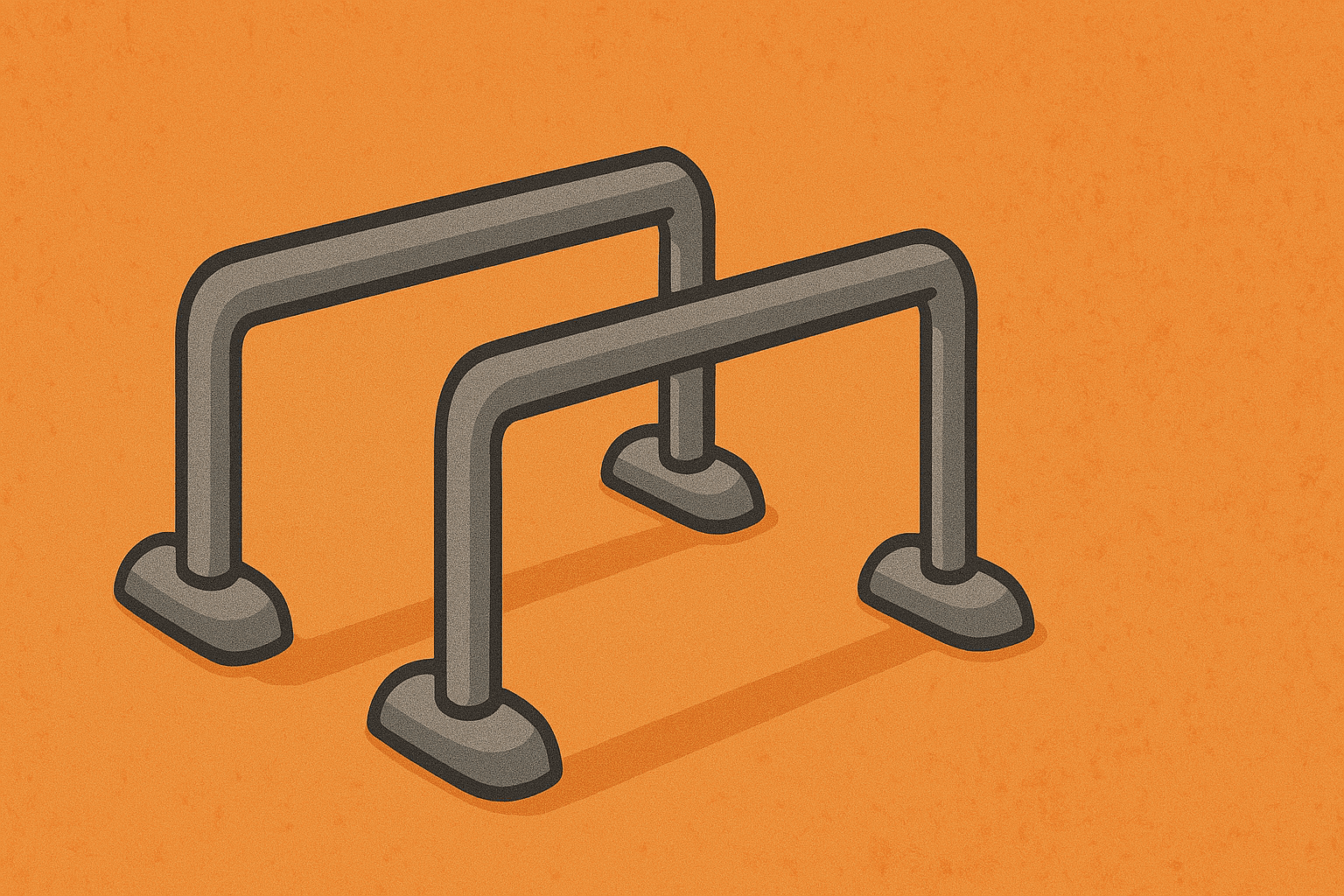
In this guide I compare strength, muscle growth, fat loss, joint health, time, and cost, and I keep it simple so a beginner or casual lifter can pick what fits their life. I will also show how basic calisthenics gear, like pull up bars, rings, dip bars, and parallettes, makes bodyweight training far more effective.
Calisthenics vs weights basics
Calisthenics means training with your own bodyweight. You use the floor, bars, rings, and sometimes small tools, not big machines.
Weight training uses external resistance, like dumbbells, barbells, kettlebells, and gym machines.
| Style | Main tools | Simple pros | Simple cons |
|---|---|---|---|
| Calisthenics | Bodyweight, bars, rings, floor, gear | Low cost, train anywhere, joint friendly | Harder to load legs heavy, skills take time |
| Weights | Dumbbells, barbells, machines, kettlebells | Easy to add load, great for legs | Needs gym or space, more equipment cost |
Both follow the same rule: progress over time. You add load, reps, range of motion, or harder positions. They just feel very different while you do them.
What calisthenics actually is
Most calisthenics sessions are built on compound moves: push ups, dips, pull ups, rows, squats, handstands, planks, and leg raises.
You can train at home, outside, or at a park. A small setup with a pull up bar, dip bars, and a pair of parallettes already unlocks a full program. If you want ideas on choosing good bars, I break this down in my guide to Top dip bars for calisthenics training.
A key part of calisthenics is skill and control. You are not only lifting; you are learning to move your own body smoothly in space.
What weight training actually is
Weight training means using something heavy that is not your body. Classic moves are bench press, deadlift, squat, and shoulder press.
You usually train in a gym where you can change the weight in small steps. That makes progression very precise. Add 2.5 kilos to the bar, do the same reps, and you know you are stronger.
For many people, the clear numbers and fixed steps make weight training feel simple and predictable.
Shared training principles
No matter which tool you pick, your body only feels tension, not whether it comes from a barbell or a pull up.
Both styles need:
- Progressive overload
- Good form
- Enough recovery and sleep
So instead of asking which one is “right”, I ask which tool fits your goals, joints, space, and personality.
Strength and muscle gains compared
When we compare calisthenics vs weights for strength, I like to separate relative strength and absolute strength.
Relative strength is how strong you are for your bodyweight. Think pull ups, dips, sprints, and jumping.
Absolute strength is how much total load you can move, like a heavy deadlift.
Both matter, but different people need different blends.
Building strength with calisthenics
Calisthenics builds a strong upper body and core very fast. Pull ups, dips, push ups, and lever work load your shoulders, back, and trunk through long ranges and lots of tension.
You feel that strength in daily life. Carrying groceries, climbing, playing with your kids, or doing sports all get easier because you control your own body better.
At some point, bodyweight alone is not enough. That is when I add tools like dip belts or weight vests to keep increasing resistance. I use the dip belt picks from my Best weighted calisthenics equipment list to load pull ups and dips without messing up technique.
Building strength with weights
Weights shine when we talk about absolute strength, especially for the lower body.
Heavy squats and deadlifts can go far beyond your bodyweight. That is why powerlifters and many field athletes rely on barbells. It is easy to add a small plate, repeat the same movement, and track progress.
For the average person, this means quicker leg strength gains and a clear, simple path for getting stronger on basic lifts.
Muscle size and body shape
Both calisthenics and weights can build muscle if:
- The sets are hard enough
- You do enough total work
- You eat enough protein and calories
Calisthenics often leads to a lean, athletic look, since you do lots of compound moves and full body tension.
Weights make it easier to grow very large muscles, because you can isolate body parts with machines and add more load even when your bodyweight is already high.
In practice, diet and consistency beat the choice of tool.
Fat loss, joints, and injury risk
Most people do not care about their one‑rep max as much as they care about staying pain free and losing some fat.
Both calisthenics and weights help here by raising daily energy use and building muscle. More muscle means a slightly higher metabolism.
Which is better for fat loss
Fat loss still comes from a calorie deficit. Training style is a support, not the main driver.
You can use:
- Full body calisthenics circuits, like push ups, rows, squats, and planks with short rests
- Weight training sessions, like squats, presses, and rows in straight sets
Both help you keep muscle while you drop fat, which is what makes a physique look “toned” instead of just lighter.
Joint health and mobility
Calisthenics usually follows more natural joint paths and uses full body tension. Done with good form, it can build joint stability and mobility at the same time.
Heavy weights can also be safe, but they place more direct load on the joints and spine. They demand careful technique, warm up, and smart progression.
In both cases, moving through a full, controlled range is great for mobility.
Common injuries and how to avoid them
Typical calisthenics issues:
- Elbow or shoulder pain from too many pull ups or dips, too soon
- Wrist pain from lots of handstands or floor work
Typical weight room issues:
- Low back pain from rushed deadlifts
- Knee pain from shallow, sloppy squats
My simple rules: start easier than you think, own clean form before adding load, progress slowly, and never chase ego numbers.
Lifestyle, cost, and equipment needs
The best plan fails if it does not fit your life.
Weights often mean a gym membership or a full home setup. That is great if you enjoy the gym and have the budget.
Calisthenics can start with zero gear, then grow into a compact kit that fits in a closet. Guides like my Top-rated calisthenics parallettes guide show how a few smart pieces can open up a lot of training options.
Training at home or outside
Calisthenics is perfect for small spaces or outdoor parks.
A doorway pull up bar, a set of parallettes, or a park bar gives you dozens of exercises. No commute, no opening hours, just step into your space and train.
For many people, that freedom is what keeps them consistent.
Cost of calisthenics vs weights
Long term cost adds up.
- Weights: gym membership, or a barbell, plates, rack, bench, and maybe machines
- Calisthenics: can start with the floor, then add pull up bars, dip bars, rings, and bands
Quality calisthenics gear lasts for years if you choose well, so the cost per workout stays low.
Time, learning curve, and fun factor
Both styles can work in 30 to 60 minutes.
Calisthenics includes skill work, like handstands or muscle ups. That can feel like learning a sport. It is fun and rewarding, but it takes patience.
Weight training has a clearer pattern: sets and reps with fixed loads. Some people find that easier to follow and less mentally demanding.
In the end, the “best” style is the one you enjoy enough to repeat week after week.
How to choose or combine both
You do not have to swear loyalty to one side. Many of my clients start with one style, then blend both.
Match your choice to your goals
- If you want better body control, lean muscle, and flexible training, start with calisthenics
- If you want max strength or bodybuilding style size, start with weights
- If you just want to get healthier, pick the option you can stick with three times per week
All of these choices are valid.
Sample beginner paths
Here are simple starting points:
- Calisthenics only: three days per week of push ups, rows or pull ups, dips or bench dips, bodyweight squats, and core work
- Weights only: three days per week of squat, bench or dumbbell press, hip hinge or deadlift, row, and shoulder press
- Blended: calisthenics for upper body and core, with weighted squats or deadlifts for legs
You can get far with any of these.
When adding equipment makes sense
For calisthenics athletes, gear like dip belts, weight vests, rings, and parallettes helps keep progress going once bodyweight alone is easy. If you want to dive deeper into ring training, have a look at my breakdown of Essential ring exercises for calisthenics strength.
For lifters, adding bodyweight skills improves joint health, coordination, and confidence outside the gym.
I always suggest smart upgrades that match your current level and space, not random gadgets.
Conclusion
Calisthenics vs weights is not a fight. Both build strength, muscle, and support fat loss when you train hard, eat well, and recover.
Your best choice depends on your goals, joints, budget, and what you honestly enjoy doing. Pick one clear path for the next 8 to 12 weeks, stay consistent, then adjust based on how you feel and what you learned.
If you want help building a simple, effective calisthenics setup at home or upgrading your current gear, explore the detailed equipment guides on Calisthenics‑Equipment.com and turn your space into a training spot that you actually use.