Calisthenics, in my own words, is training where I mainly use my body weight to build strength, control, and mobility.
When people look up calisthenics definition, they usually feel lost in fitness jargon. They want to know one simple thing: what exactly will I be doing if I start this style of training? I had the same question when I began.
I now train only calisthenics, but I do use simple tools like pull up bars, dip bars, and rings. That mix lets me train at home, outside, or in a quiet corner of a gym, which is exactly the kind of setup I focus on at Calisthenics-Equipment.com.
Calisthenics Definition In Simple Terms
What Calisthenics Is
Calisthenics is a way of working out where you use your own body weight as resistance.
Classic movements like push ups, pull ups, dips, squats, lunges, and planks all count as calisthenics. You move your whole body through space, instead of moving an external weight like a barbell.
How Calisthenics Is Different From Gym Workouts
Traditional gym workouts are usually about machines, cables, and heavy barbells. With calisthenics, you rely on bodyweight instead, so you can train almost anywhere, from a living room to a playground.
Most calisthenics skills use many muscles at once, so each set feels more like learning a new physical skill than just lifting a number. You can still use gear like pull up bars or dip bars to unlock more exercises, but the base of calisthenics always stays the same, your own body.
Key Parts Of Calisthenics Training
Once the definition is clear, the next step is understanding how calisthenics training actually works day to day. I like to think in three pieces: basic moves, progressions, and simple tools that support those moves.
Bodyweight Basics And Skill Progressions
Calisthenics starts with simple patterns. For most beginners, that means push ups, bodyweight rows, squats, lunges, and planks. These moves teach you how to brace your core, keep good joint positions, and control your body through a full range of motion.
From there, you use progressions. Start with an easier version, like incline push ups on a table, then slowly move toward harder versions, like deep push ups on the floor or on bars. The same idea works for pull ups, dips, handstands, and even big skills like muscle ups. Progressions help you build strength step by step and keeps your joints safe.
Training For Strength, Muscle, And Control
When people search for “calisthenics definition,” they usually want to know what results they can get. In my experience, calisthenics can build strength, muscle, and athletic control, as long as you treat it like real training, not random exercise.
To gain strength and muscle with calisthenics, you either:
- move to harder progressions,
- add more total work with sets and reps,
- or slow things down and focus on clean form.
A simple example is push ups. You might start with 3 sets of 8 kneeling push ups, then work up to 3 sets of 15, then move to full push ups, then to feet elevated or ring push ups. I am always asking my body to do a bit more than last time.
One of my favorite parts of calisthenics is how much core strength and body control I gain without doing endless crunches. Almost every movement needs a tight midline so I do not sag or wobble. Over time, I feel more stable in daily life, not just during workouts.
How Simple Equipment Fits Into Calisthenics
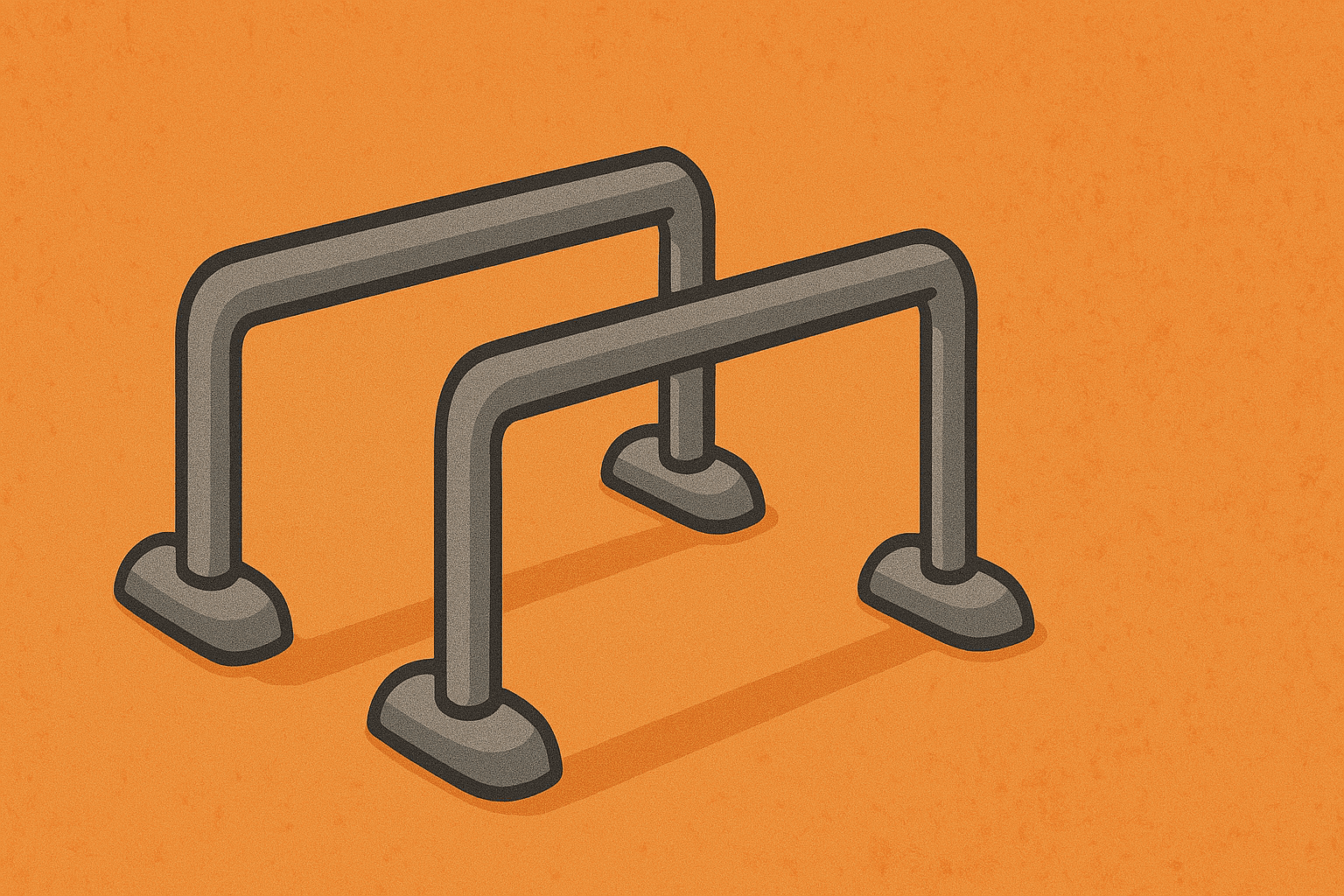
By definition, calisthenics is bodyweight training, but a few smart tools make it much easier to apply in real life. A solid pull up bar lets me train rows, hangs, and pull ups without needing a full gym. Sturdy dip bars give me space for dips, L-sits, and deep push variations. Rings add a new level of challenge and fun.
If you want help picking a strong bar for home, the best pull up bar for calisthenics guide covers the options that actually work under real training. I treat equipment as a way to increase my exercise choices and adjust difficulty, not as the main focus. The bodyweight work always comes first.
Is Calisthenics Right For Me
Once someone understands the definition, the real question is whether calisthenics fits their life and goals. I like to match the method to the person, not the other way around.
Who Calisthenics Is Best For
Calisthenics suits beginners who want to start without a huge budget, people who like to train at home or outside, and anyone who enjoys learning skills with their body. If you like the idea of doing your first pull up, holding a plank longer, or maybe one day learning a handstand, calisthenics fits you.
It also scales up very well. Advanced athletes can push hard progressions, such as one arm push ups, ring dips, or strict muscle ups, and still get challenged. The same basic moves simply grow with you.
What To Expect When You Start
In the first few weeks of calisthenics, focus on basics, not tricks. Your sessions will usually center on push ups, rows or banded pulls, squats or lunges, and a plank or dead hang. You should move slowly, feel each rep, and stop a bit before failure so your technique stays clean.
Progress at the start does not always look flashy. It might show up as holding a plank with less shaking, getting 8 neat push ups instead of 5, or feeling stable in the bottom of a squat. That quiet progress is a sign that the calisthenics definition is turning into real strength in my body.
My own favorite tools are pull up bars and rings, and I often point people to quality guides like the best dip bars for calisthenics guide when they are ready to upgrade their setup.
Conclusion
Calisthenics, at its core, is training where you use your own body weight to build strength, control, and confidence. Instead of stacking plates on a bar, you move your body through space with smart progressions and simple patterns.
You do not need to wait for a perfect plan to start. Try a few rounds of push ups against a counter, bodyweight squats, and a short plank today, and you will already be practicing calisthenics. Over time, you can grow into harder skills, add tools like rings or bars, and shape a setup that fits your life.
The definition is simple, but the journey can keep you learning for years.