If you’re searching for the best squat equipment, you’re probably trying to solve one of three problems: you want to squat safely at home, you want gear that won’t wobble when the weight gets real, or you need something that fits your space and budget. In this guide, I’ll break down the main equipment types that actually matter, what to avoid, and how to choose based on your goals. Expect clear recommendations by category, practical setup tips, and a few calisthenics friendly add ons that pair well with squats.
What “best squat equipment” really means
It’s not one product, it’s a setup
People talk about the best squat equipment like it’s a single magic machine. In practice, it’s a small system that lets you train hard without gambling on safety. For barbell squats, the centerpiece is almost always a rack with reliable safeties. For guided squats, it’s usually a Smith machine or a hack squat style machine. For calisthenics athletes, it can also mean smart “support gear” that helps you brace, grip, and control volume.
My bias is simple: if you want strength that carries over to sports and bodyweight skills, I prefer free weight squats in a stable rack. Machines have a place, but I treat them as tools, not the foundation.
The three priorities: safety, stability, fit
Before brands and attachments, check these three things:
- Safety: can you fail a rep without getting trapped?
- Stability: does the rack stay put when you rack and unrack?
- Fit: does it match your room, ceiling height, and training style?
If an option fails any of these, it’s not “best” for you, even if the reviews look shiny.
Equipment types for squats (and who each one is for)
Power rack: the best all around choice for most home gyms
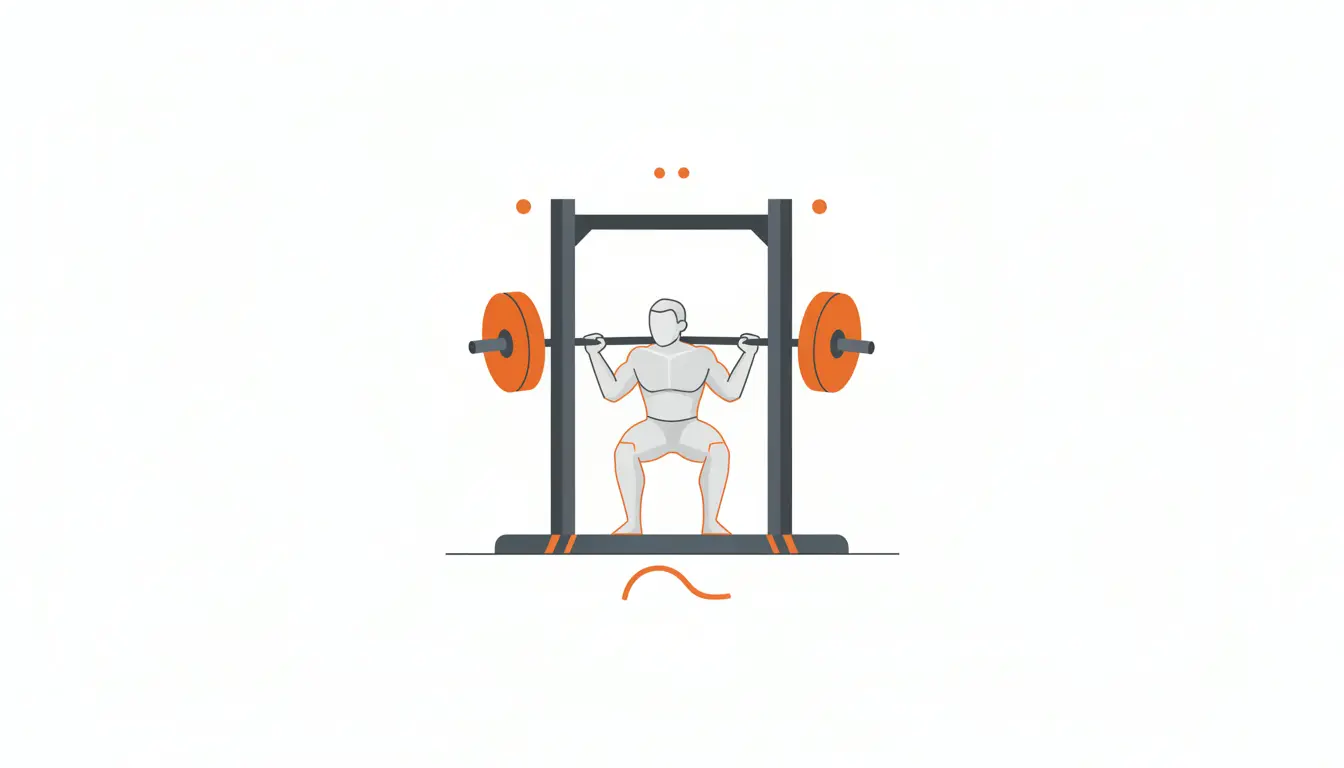
A power rack is the most versatile piece of squat equipment you can buy for strength training at home. You squat inside the cage with safeties set to catch the bar if you miss. That changes everything when you train alone.
Why I like power racks for mixed training (weights plus calisthenics style work): you can squat, bench, overhead press, do pull ups, and often add dip handles or cable attachments later. If you only buy one big item for squats, this is usually it.
Squat stand or half rack: good when you want space and simplicity
Squat stands and half racks can be a great compromise when a full cage feels like overkill. They’re more open, often easier to move, and typically cheaper. The trade off is that you must be more careful with stability and safety options.
If you bench press from a stand, I consider spotter arms non negotiable. For squats, they’re still worth having if your stand supports them.
Folding rack: best for garages and small spaces
Wall mounted folding racks are the “I need my garage back” solution. If installed well, they can feel impressively solid. The obvious downside is the install and the fact that you’re committing to that wall.
If you rent, plan carefully. Sometimes a compact squat stand is the more realistic choice than drilling into a wall you don’t own.
Smith machine: useful, but not a perfect squat replacement
A Smith machine gives you a fixed bar path. That can make squats feel safer for beginners and can be handy when you’re training alone and want to push close to fatigue. But the stability demand is lower, and the movement can feel “locked in” depending on the machine’s angle.
I like Smith squats as an accessory, not as the only squat you do. If your main goal is athletic carryover and strong legs for jumping, sprinting, and weighted calisthenics, free weights still win.
Hack squat and belt squat machines: great for leg growth, kinder to the back
If your lower back is the limiting factor in barbell squats, a hack squat or belt squat style machine can be a game changer. You can hammer quads and glutes with less spinal loading. For hypertrophy focused training, these machines are “definitely worth trying” if you have the space and budget.
The downside is cost, footprint, and less overall versatility compared to a rack.
What to avoid when buying squat equipment
The too cheap rack trap
The biggest mistake I see is buying the absolute cheapest rack because the advertised weight rating looks high. On paper it sounds fine. In real life, low end racks tend to be light, wobbly, and made from steel that can bend over time. That’s not just annoying, it’s risky.
If your budget is in the “super cheap” range, you’re usually better off buying used from a known brand than buying new from a random listing with suspiciously perfect reviews.
Paying for looks instead of function
Premium racks can look amazing. Better welds, cleaner finish, more color options, endless attachments. But for most lifters, that’s mostly aesthetic and convenience, not raw squat performance. A well built mid range rack will squat just as well as a luxury rack if it’s stable and has good safeties.
In other words: don’t let “Instagram gym vibes” drain the money you should have spent on a better barbell, plates, or bench.
How to choose the best squat equipment for your goals
If you train alone: prioritize safeties first
Solo training is where good equipment matters most. Look for:
- Strap safeties or solid safety bars
- J cups that protect your bar
- Hole spacing that lets you set safeties at the right height
- A stable base or the ability to bolt down
For calisthenics athletes crossing into barbell work, safeties also give you confidence to push hard without a spotter. That confidence is underrated.
If you care about progress: get a rack with standard sizing
Attachment ecosystems can be a mess. The simplest way to stay future proof is to pick rack standards that many brands support. The most common “good” standard is 3×3 uprights with either 5/8 inch or 1 inch holes.
Odd upright sizes can lock you into one brand’s attachments forever. That might be fine, but it often becomes frustrating when you want one specific add on later.
If you’re tight on space: measure like a boring adult
It’s not just floor space. Squat equipment demands “movement space” too. Consider:
- Ceiling height for pull ups and overhead press
- Depth needed to walk out a squat safely
- Plate storage and bar storage space
- Doorways and corners for assembly
Folding racks solve floor space, but they don’t solve ceiling height. Low ceilings can still limit pull ups and overhead work.
My recommended categories for best squat equipment (practical picks)
Best overall for most home gyms: a mid range 3×3 power rack
If I had to give one “best for most people” direction, it’s this: buy a solid 3×3 power rack from a reputable company, with safeties you trust, and don’t get distracted by fancy attachments on day one.
Why: you can squat heavy, bench safely, add pull ups, and build a full program around it. It’s the most reliable base for long term training.
Best budget approach: used rack plus smart priorities
Budget doesn’t mean unsafe. It means you spend where it counts. My approach:
- Look for a used rack from a known brand
- Confirm it has safeties and decent hole spacing
- Spend extra on a good bar and a stable bench if needed
A cheap rack that flexes and shifts will constantly make you second guess your setup. A decent used rack won’t.
Best for small spaces: folding rack or compact squat stand
If your gym is a corner of a garage, folding racks are the cleanest answer when you can mount to a wall. If you can’t drill, a compact squat stand with a stable base is a practical alternative.
One tip from the calisthenics side: if your rack includes a pull up bar, you’ll use it more than you expect. That one feature often turns a “squat only” setup into a full upper body station.
Best guided option: Smith machine for controlled volume
If you want guided squats for higher reps, technique practice, or training when you’re tired, a Smith machine can be useful. I’d still keep at least one free weight squat pattern in your week, even if it’s lighter. That keeps your bracing and balance honest.
Best leg builder accessory: hack squat or belt squat
For pure leg growth, hack squat and belt squat machines are hard to beat. They let you push quads and glutes without your lower back deciding the set is over. If your main goal is aesthetics or leg size, this is often the “missing piece” after you already own a rack.
The small accessories that actually improve squats
Footwear, wedges, and small setup tweaks
You don’t need a closet full of gadgets, but a few simple tools can clean up your squat quickly:
- Heel wedges if ankle mobility limits depth
- Flat shoes for a stable base on low bar or power style squats
- Collars that keep plates from shifting
- Chalk for grip on heavy unracks
These aren’t “sexy” purchases, but they make your reps feel more consistent.
Calisthenics friendly add ons (subtle but useful)
Because this is calisthenics equipment territory: if your rack has a pull up bar, you’ll probably add pulling volume on the same day as squats. For that, I like having decent grip support when sessions get long.
Two options from Gornation that make sense without turning this into a shopping list:
- Gornation Wrist Wraps for more comfortable support on heavy pressing after squats or on bar based work when wrists get cranky
- Gornation Liquid Chalk for consistent grip on pull ups and heavy bar handling, especially in warm garage gyms
If you want a broader overview of helpful add ons, check best calisthenics accessories and pick only what solves a real problem for you.
Programming: how to use your squat equipment without overcomplicating it
A simple weekly template that works
Good equipment doesn’t replace good training. If you have a rack, a basic plan like this is plenty:
- Day 1: squat heavy, low reps, long rest
- Day 2: squat variation for technique or volume
- Optional: machine work like hack squat for extra quad volume
This keeps progress steady without living in the gym. Add calisthenics work around it, and you’ve got a balanced setup.
How to set safeties correctly (the quick check)
Set safeties so that if you fail at the bottom, you can sit the bar onto the safeties without it pinning you. Test with an empty bar first. This takes two minutes and prevents the dumbest kind of home gym accident.
Veelgestelde vragen
What is the best squat equipment for a home gym?
For most people, the best squat equipment for a home gym is a stable power rack with reliable safeties. It lets you squat and bench safely when training alone, and it supports extras like pull ups. Choose a standard rack size and focus on stability over fancy attachments.
Is a cheap squat rack safe?
A cheap rack can be safe, but many ultra budget models are unstable and use lower quality steel. The biggest red flag is wobble during unracking. If your budget is very tight, buying a used rack from a known brand is often safer and better value than buying the cheapest new option.
Do I need to bolt my squat rack to the floor?
Not always. Some racks are designed as flat foot models and can be stable without bolting, especially if they’re heavy and you add plate storage. That said, bolting down usually improves stability. If you train heavy or do dynamic pull ups, securing the rack is a smart upgrade.
Is a Smith machine the best squat equipment for beginners?
A Smith machine can be beginner friendly because the bar path is guided and it feels controlled when training alone. However, it doesn’t teach balance and bracing the same way free weights do. Many beginners do best with a rack plus light technique work, then use the Smith as a secondary tool.
How much space do I need for the best squat equipment setup?
It depends on the rack style. A full power rack needs enough height for the frame and enough clearance to load plates and move safely. Folding racks reduce floor space but still need wall space and ceiling clearance. Measure your available area and include extra room for the barbell and plates.
The best squat equipment is the setup that lets you train hard, safely, and consistently in your real space. For most home gyms, that means a stable power rack with proper safeties, decent standard sizing, and no compromises on stability. Machines like Smith or hack squat units can be great, but they shine most as accessories once your foundation is solid. Keep your buying decisions boring: prioritize safety, buy for your space, and spend on function before finish. Your legs won’t care about color matching, but they will care about good reps.