Gymnastic rings bring next-level challenge and fun to any workout, no matter your fitness background. They’re incredibly versatile and pack a lot of value into a single piece of gear, helping build strength, improve mobility, and fire up your core. Whether you’re just starting out or looking to progress, you can tailor exercises with rings to suit any skill level.
Training with quality rings delivers results quickly, but picking the right set matters. If you’re after reliable tips or want to find the top calisthenics rings for your training, Calisthenics-Equipment.com covers gear that actually works—and explains how to use it safely and effectively.
Why Train with Rings?
Gymnastic rings do more than just look impressive. Training with rings brings a unique level of challenge and reward that can transform your workouts, no matter if you’re a beginner or advanced. Their instability and flexibility unlock strength, stability, and coordination in ways that standard weights and machines simply can’t touch.
Let’s break down exactly why adding rings to your routine pays off so much.
Instability Translates to Greater Strength Gains
Rings move with you, never locking you into a single path. Every rep fires up stabilizing muscles across your shoulders, arms, and core. This makes even simple moves, like push-ups or dips, much harder and much more effective.
- You can’t just power through with brute force. Control and form matter or you’ll feel the instability take over.
- Stability from rings carries over into other lifts and daily movement, making it a smart choice for functional strength.
Unmatched Versatility and Variety
What I love most about rings is how they ramp up or calm down the difficulty, all with a height adjustment or grip tweak. Whether you aim to build muscle, improve joint health, or master skills like muscle-ups and advanced holds, rings have something for everyone.
- Quickly switch from rows to flyes, swings, or supports without new equipment.
- Mastering bodyweight moves on rings provides endless progressions, so boredom doesn’t stand a chance.
Check out more gear that supports versatile training setups in the Best Gym Equipment for Calisthenics guide.
Joint-Friendly Strength and Mobility
Rings aren’t locked to the floor or a machine, so your joints follow a natural movement path. That means less stress on your wrists, elbows, and shoulders—great news for injury prevention and long-term training.
- Movements adapt to your body, not the other way around.
- Improved mobility comes as a bonus, since even basic exercises force joints to stabilize and align.
Builds True Core Strength
Every exercise on rings demands that your abs and lower back switch on to keep your body stable. It’s a full-body challenge, even when you’re working chest or back.
- No machine or bench isolates your muscles, so your core stays active start to finish.
- Static holds and transitions bring a different level of strength, hitting overlooked muscles in the process.
Perfect for Compact, Anywhere Workouts
Rings are light, easy to set up, and fit in any gym bag. You just need a sturdy overhead support, and you’re good to go at home, outside, or while traveling.
- Rings make it possible to take advanced bodyweight training anywhere.
- If you want even more ideas for portable gear, check out the Top Calisthenics Travel Gear.
Adding rings to your training isn’t just about looking strong. It’s about getting every part of your body to work in sync, wherever you are, with one simple tool.
Essential Ring Exercises for Beginners
Starting strong with rings doesn’t have to be overwhelming. A few well-chosen moves will give you a real taste of what rings offer—strength, stability, and challenge, all tuned to your level. These beginner-friendly exercises set a solid foundation, building muscle and confidence without the need for fancy skills.
Ring Rows: Build Back and Arm Strength with Every Rep
Ring rows are the go-to for building pulling strength fast. They focus on your upper back, biceps, and forearms while letting you adjust difficulty on the fly. You get a fantastic muscle-building option that’s easy on the joints.
Why start with ring rows? You can:
- Target your lats, rhomboids, and biceps in one move.
- Train your grip and wrist control, since the rings move with you.
- Adjust your feet to make the move easier (standing more upright) or tougher (straightening your body).
Scaling ring rows is simple:
- Begin with your body more upright and rings at chest height for a lighter pull.
- Step your feet forward and lower your body to make it harder.
- Elevate your feet on a box for a serious challenge.
I always remind beginners that consistent ring rows build the foundation for pull-ups, muscle-ups, and more complex moves. For more on starting movements like this, take a look at the calisthenics basics explained guide.
Ring Push-Ups: Crank Up Chest, Triceps, and Core Activation
Ring push-ups might look like your standard push-up, but the rings turn it up a notch. The instability means you work not just your chest and triceps, but also stabilize with your shoulders and core. You’ll feel the difference within the first few reps.
To set up ring push-ups:
- Hang the rings so they sit a few inches above the ground.
- Grip the rings tight, keep your wrists straight, and stay controlled as you lower down.
- The deeper range of motion activates even more muscle than a floor push-up.
Starting out, keep your feet wider for extra balance. Progress by bringing your feet together, raising the rings, or elevating your feet for extra intensity. The challenge kicks in quickly, but that’s what makes it so effective for total body strength.
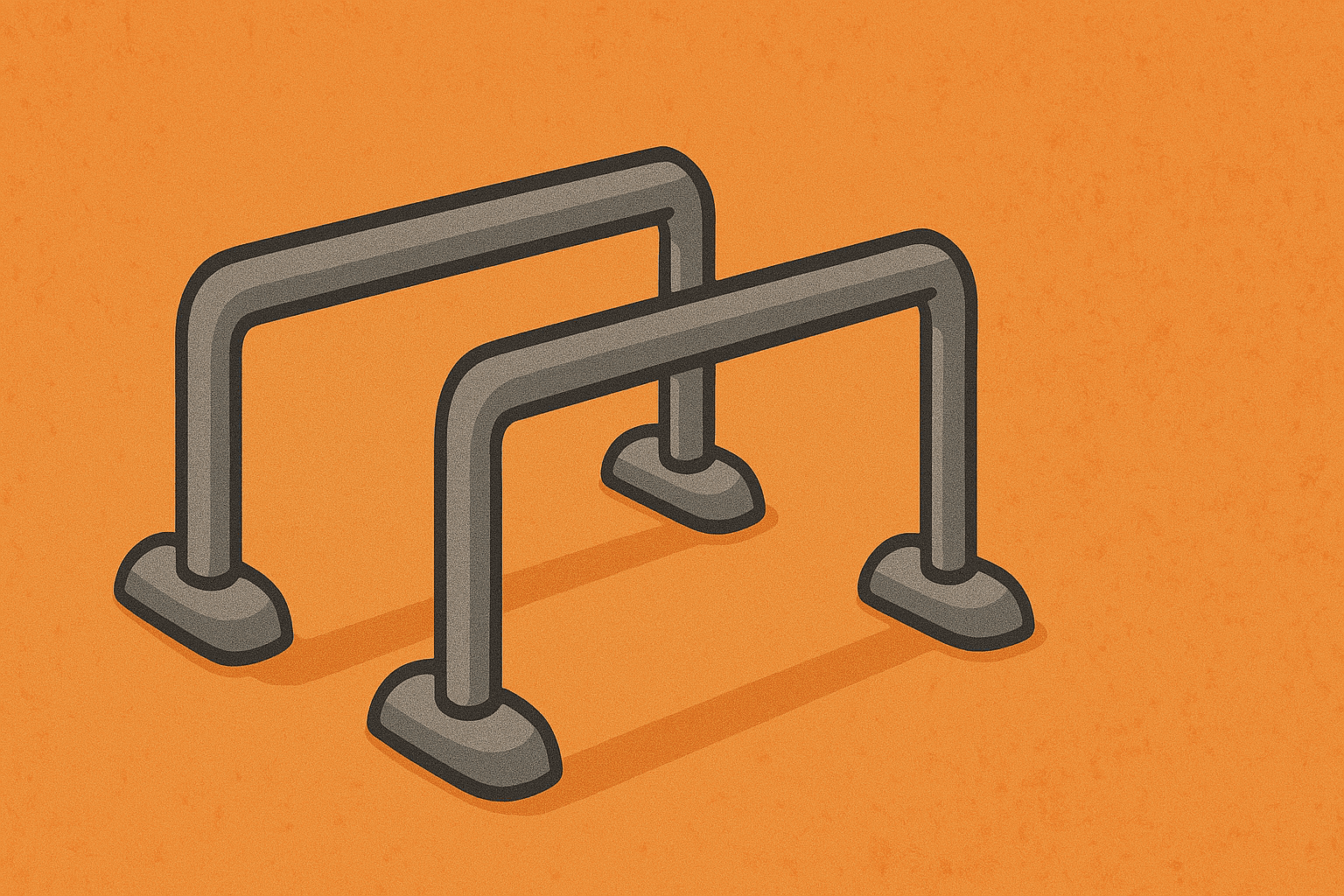
If you’re interested in ways to boost your push-up game, including gear for more comfort and control, check out the Best push up bars for calisthenics.
Ring Support Holds: Build Shoulder and Core Stability from Day One
Ring support holds are the secret sauce for better control and form on rings. It’s a static move where you hold yourself up with straight arms, shoulders down, and rings pulled close to your sides. This position lights up your shoulders, chest, triceps, and especially your core.
Holding a clean support isn’t just about raw strength. It teaches your body to stay tight and stable while balancing the moving rings. That stability carries over to tougher skills and keeps you safe during lifts.
Mastering support holds early pays off because:
- Shoulders get used to the right positioning (safe and strong).
- Core activation sets the groundwork for dips, push-ups, and swing control.
- Your grip and wrist strength improve quickly just from holding steady.
If you ever feel your wrists working overtime or need extra support, using quality wrist wraps can help protect your joints and keep your form locked in. Upgrading your equipment can be a smart move as training gets more serious.
These three moves—rows, push-ups, and support holds—aren’t just for beginners. They’re the backbone of strong, resilient ring training for years to come.
Intermediate and Advanced Ring Exercises
Once you’ve mastered the basics, rings open up a whole new world of challenging moves. Working up to intermediate and advanced ring exercises adds serious strength, stability, and skill to your training. You’ll build power and balance, but also boost your mobility and coordination like never before. Training at this level means dialing in your technique, keeping your joints healthy, and using the right equipment for safe, long-term progress.
Ring Dips: Detail Technique and Muscle Groups Targeted. Emphasize Control and Shoulder Health.
Ring dips stand out as a staple for upper body strength. They target not only your chest, but also your triceps, shoulders, and upper back. Because the rings move freely, you can’t brute-force your way through—every rep demands focus and control.
To perform ring dips safely and effectively:
- Start with arms straight and rings close to your sides.
- Lower yourself slowly, keeping elbows tucked and shoulders down.
- Go as deep as your mobility allows, pausing briefly at the bottom.
- Press up by driving your chest through and locking your elbows at the top.
The big win here is the need for total-body tension and joint stability. Unlike fixed bars, rings force your shoulders to stabilize with every inch of movement. This helps build resilience and avoids strain, but only if you resist the urge to rush. I always recommend using high-quality dip bars alongside your ring setup for safe progression and added variety.
Keep wrists neutral and scapula (shoulder blades) active throughout. Control trumps depth if your goal is long-term joint health.
Ring Muscle-Ups: Break Down the Movement into Phases and Give Tips for Clean Form.
Ring muscle-ups look impressive for a reason. You launch from a hanging pull, transition over the rings, and finish with a strong dip. This exercise unites pulling and pushing strength with timing and coordination.
Here’s how I break down the move:
- Pull Phase: Start from a false grip. Pull the rings to your chest as high and close as you can.
- Transition: As you reach your chest, rotate your hands and chest over the rings. Think “chest over hands.”
- Dip Phase: Press down and finish strong in a ring dip position.
Consistency in each phase matters far more than just muscling it up. Focus on:
- Wide false grip for better leverage and wrist safety.
- Explosive pull without swinging or “kipping” too much.
- Controlled transition, moving elbows from below to above the rings.
- Smooth dip to lockout.
Muscle-ups place heavy demands on your grip, shoulders, and core, so keep reps low and form tight. Mastery here pays off in every other upper body movement.
Skin-the-Cat: Explain the Skill’s Benefits for Shoulder Mobility and Core Activation.
Skin-the-cat is a classic gymnastic skill that’s more than just a party trick. This move builds powerful shoulder extension and serious core strength. Starting from a hang, you pull your legs through your arms and rotate backward for a full body opener.
Why practice skin-the-cat?
- Shoulder Mobility: Extends your range and prepares joints for ring muscle-ups and levers.
- Core Activation: Your abs, lats, and hips work together for smooth, controlled movement.
- Spinal Decompression: The rotation gives a gentle stretch that feels great after top-heavy workouts.
For safe progression:
- Keep arms slightly bent and engage your lats as you rotate.
- Go slow, pause at your full extension, then reverse the motion.
- If you’re working on advanced hangs or holds, skin-the-cat helps by “greasing the groove” for those skills.
A solid set of rings lets you ease into this move and adapt the difficulty as you grow more flexible.
Archer Pull-Ups and Other Advanced Variations: Describe Progression for Those Seeking Even Greater Challenge. Reference Quality Gear for Safe Training.
Once you feel strong with regular pull-ups and dips, it’s time to get creative with ring progressions. Archer pull-ups, for example, shift most of your weight to one arm, forcing your muscles and joints to work overtime. This variation takes the intensity to a whole new level while building unilateral strength and balanced muscle development.
To work up to advanced moves like archer pull-ups:
- Start with wide pull-ups, focusing on control and full range of motion.
- Progress to assisted archer pull-ups, keeping one arm straight as you pull with the other.
- Aim for slow, steady reps to maximize tension and safety.
Other killer challenges include one-arm ring rows, ring flyes, and even front-lever pulls. Each variation brings its own mix of strength, stability, and control.
Remember: high-level ring work pushes your limits. Using sturdy, well-tested equipment is key to injury-free training. For those looking to explore more advanced pulling exercises, my advice is to occasionally switch things up with static bar moves, as detailed in the Best Static Bars for Calisthenics review. This gives your joints a break from the instability of rings, while still building advanced pulling power.
Keep challenges fresh, focus on form, and don’t rush. Rings reward persistence and patience with real-world strength and impressive skill.
Workout Programming and Progressions with Rings
Building a strong, balanced body with rings takes more than just picking a few exercises. You need a plan that guides how and when to progress, so you keep making gains without risking injury or burnout. Rings offer endless possibilities, but smart programming is the secret to unlocking their power—no guesswork, just focused, effective training.
Key Principles of Programming Ring Workouts
A solid ring workout plan is all about structure and intention. I always make sure to consider these core principles:
- Consistency Tops Intensity: Stick to two to four focused ring sessions each week. Your body adapts better to regular training rather than sporadic, all-out efforts.
- Push-Pull Balance: Always match pushing moves with pulling. For example, pair ring push-ups with ring rows or dips with pull-ups.
- Progressive Overload: Aim to increase reps, sets, or difficulty just a little every session. This keeps your body guessing and growing stronger.
- Joint Health and Mobility: Warm up with dynamic stretches, and don’t neglect ring support holds and scapular work. These help keep shoulders and wrists healthy for the long haul. Resistance bands come in handy for activation—see the trusted picks in the Best resistance bands for calisthenics.
When programming your sessions, start with compound, skill-based moves when you’re fresh, then shift to strength and accessory work after.
Beginner to Advanced Progressions
The beauty of ring training is how easy it is to scale up (or down) as you grow. Here’s how I recommend progressing with rings:
- Start Simple: Nail your basics first. This means rows, push-ups, and support holds.
- Add Difficulty Gradually: Once you hit higher rep ranges (10-15 reps with good form), increase the challenge. Move your feet, adjust ring height, or try new grips.
- Introduce New Skills: When the basics feel easy, add in dips, archer rows, or support transitions. Keep form tight rather than chasing bigger numbers too quickly.
- Explore Advanced Moves: Only once you own the foundations, jump into muscle-ups, skin-the-cats, and levers. This keeps your joints happy and progress steady.
Using a simple list or table to track your progress helps boost motivation and spot areas that need extra work.
Structuring a Typical Ring Session
Wondering how to fit everything into a single workout without getting overwhelmed? Here’s a sample structure I often use:
- Warm-Up (10 min): Focus on shoulder circles, band pull-aparts, light stretching.
- Skill Work (10 min): Choose one skill move (like support holds or false grip hang) and practice crisp technique.
- Strength Moves (20-30 min): Alternate between push and pull variations. For example, 3 sets each of ring push-ups and rows. Use slow, controlled reps.
- Accessory/Core (10 min): Add in planks, ring fallouts, or static holds for abs and extra stability.
- Cool Down (5-10 min): Gentle stretching and deep breathing.
You can adjust sets and reps based on how you feel that day, but I always finish with perfect form—fatigue never means sloppy reps.
If you’re cross-training or want more pulling ideas, check out routines using fixed equipment in the Top Pull-Up Bar Workouts article. This offers fresh variety while still building serious upper body strength.
Signs It’s Time to Progress
Recognizing when to push forward (and when to be patient) keeps ring training both safe and rewarding. Here’s what I watch for:
- You can complete all your sets with solid form and a little energy left.
- The movement feels smooth rather than shaky, especially when holding support positions.
- Your joints and tendons don’t ache after training. Any persistent pain is a red flag—listen to it.
Progression doesn’t always mean adding more reps. Sometimes, it’s pausing longer in the hardest part of a move, slowing down your negatives, or trying a new grip.
Ring programming is an ongoing process. Trust it, and over time you’ll build the kind of strength and control that sets you apart—even if you never step foot in a traditional gym.
Choosing the Best Gymnastic Rings and Accessories
Getting the right gymnastic rings and accessories is key if you want to train safely, make steady progress, and actually enjoy your workouts. With so many options out there—wood vs. plastic, different straps, fancy buckles—it can feel like standing in the middle of a hardware store, not a gym. But with a few smart tips, you’ll pick gear that works with you, not against you, no matter your space or experience.
What to Look For in Quality Rings
When I shop for gymnastic rings, I focus on these features every time:
- Material: Wooden rings feel the best in your hands, offering top grip and comfort. Plastic rings are more affordable, water-resistant, and rugged for outdoor use, but they’re often slicker.
- Diameter: Standard ring size is around 28mm or 32mm. The smaller diameter gives better control and is usually recommended for most adults. Bigger hands may feel more comfortable on wider rings.
- Strap System: Go for thick, heavy-duty straps with clear length markings. Quick-adjust cam buckles beat basic metal loops for safety and fast setup. I’ve had straps slip mid-workout, and trust me, you don’t want that.
- Portability: Some rings and straps are bulkier than others. If you’re always training on-the-go, pick lightweight options that fit in your bag.
High-quality rings double down on safety. They won’t leave you questioning if your grip will hold when you step up for a muscle-up.
You can see how rings compare with other portable gear by checking out the Top Outdoor Calisthenics Equipment, which gives insights on rugged choices for any space.
Choosing the Right Accessories for Ring Training
Smart accessories do more than just make life easier—they can prevent injuries, support progress, and boost overall training enjoyment. Here are my top picks if you’re serious about ring work:
- Wrist Wraps: Rings demand a lot from your wrists, especially when learning new moves or practicing support holds. A good pair of wraps can help keep your form tight and wrists stable.
- Chalk: Sweaty hands and sliding rings? Liquid or block chalk makes a real difference for grip, especially if you train outdoors or don’t want rings slipping out from under you.
- Anchor Solutions: Not every space has a perfect anchor point. Door anchors, ceiling mounts, and tree straps give you flexibility to turn any spot into a solid training zone.
- Resistance Bands: Helpful for learning skills like muscle-ups or tough ring pull-ups, bands ease the load and support better form during progressions.
If you want a full run-down on helpful training extras, I recommend looking at the Best Calisthenics Accessories, which ranks gear designed to push your training further.
Setting Up for Safety: Ring Placement and Environment
Choosing the best rings and add-ons is only part of the puzzle. How and where you set up your rings matters just as much. Always check that your anchor (pull-up bar, ceiling beam, or outdoor tree limb) can handle bodyweight plus a jump or swing.
- Make sure straps are even—crooked rings make training tougher and riskier.
- Hang rings far enough apart (about shoulder-width) to avoid wrist or shoulder strain, but close enough for safe control.
- Give yourself enough height so you can fully hang, but not so high you can’t safely step down.
Good gear means little if you cut corners on setup. Taking an extra minute could save your hands, shoulders, or even your living room floor.
Choosing the right rings and smart accessories sets you up for fun, safe, and strong training from day one. Pair smart gear with solid skills, and ring workouts become a go-to favorite.
Conclusion
Ring training builds real-world strength, toughens your core, and keeps workouts interesting for the long run. With basic moves like rows and push-ups as your foundation, and advanced skills like dips and muscle-ups as long-term goals, you keep your progress steady and your body balanced.
Progressing on rings isn’t just about getting stronger, it’s about moving better and using equipment that works for you, not against you. If you’re ready to expand your setup, trying new tools like the top weight vests for calisthenics can add another layer to your training.
Ring workouts reward smart effort and a willingness to learn. Thanks for reading, and I hope you’ll share your own favorite exercises or check out more expert gear reviews to keep your training fresh.