If you have ever looked at muscle ups and thought, what equipment do I actually need to train this properly, you are not the only one. A lot of people waste time on the wrong setup, like a shaky bar, cheap rings, or bands that do not match their level. Muscle ups are technical, explosive, and demanding, so the gear matters more than most beginners expect. In this guide, I will walk you through the best equipment for muscle up training, what is worth buying, what is optional, and how to build a setup at home that actually helps you progress with confidence.
What Equipment Do You Actually Need for Muscle Ups?
When people search for the best equipment for muscle up, they often assume they need a full calisthenics rig. In reality, most people only need a few key pieces. The main goal is simple: you need equipment that lets you pull high, transition smoothly, and train safely enough to repeat quality reps over time.
If your goal is a bar muscle up, the most important piece is a solid pull up bar for muscle ups. If your goal is a ring muscle up, then gymnastic rings for muscle ups become essential. Resistance bands for muscle ups are usually the best support tool for progressions, especially when you are building explosive pulling strength and learning the transition.
From my own training, the biggest mistake I see is people buying general fitness gear instead of skill specific gear. A standard doorway bar might be fine for strict pull ups, but it is often a poor choice for dynamic muscle up work. The same goes for very soft bands, slippery rings, or unstable dip bars. Muscle ups reward good setup and punish bad setup.
At a basic level, here is what matters most:
- A stable straight bar or pull up station with enough clearance
- A quality pair of rings if you want to train ring variations
- An assisted muscle up band for progressions
- Grip support such as gym chalk for muscle ups or liquid chalk for muscle ups
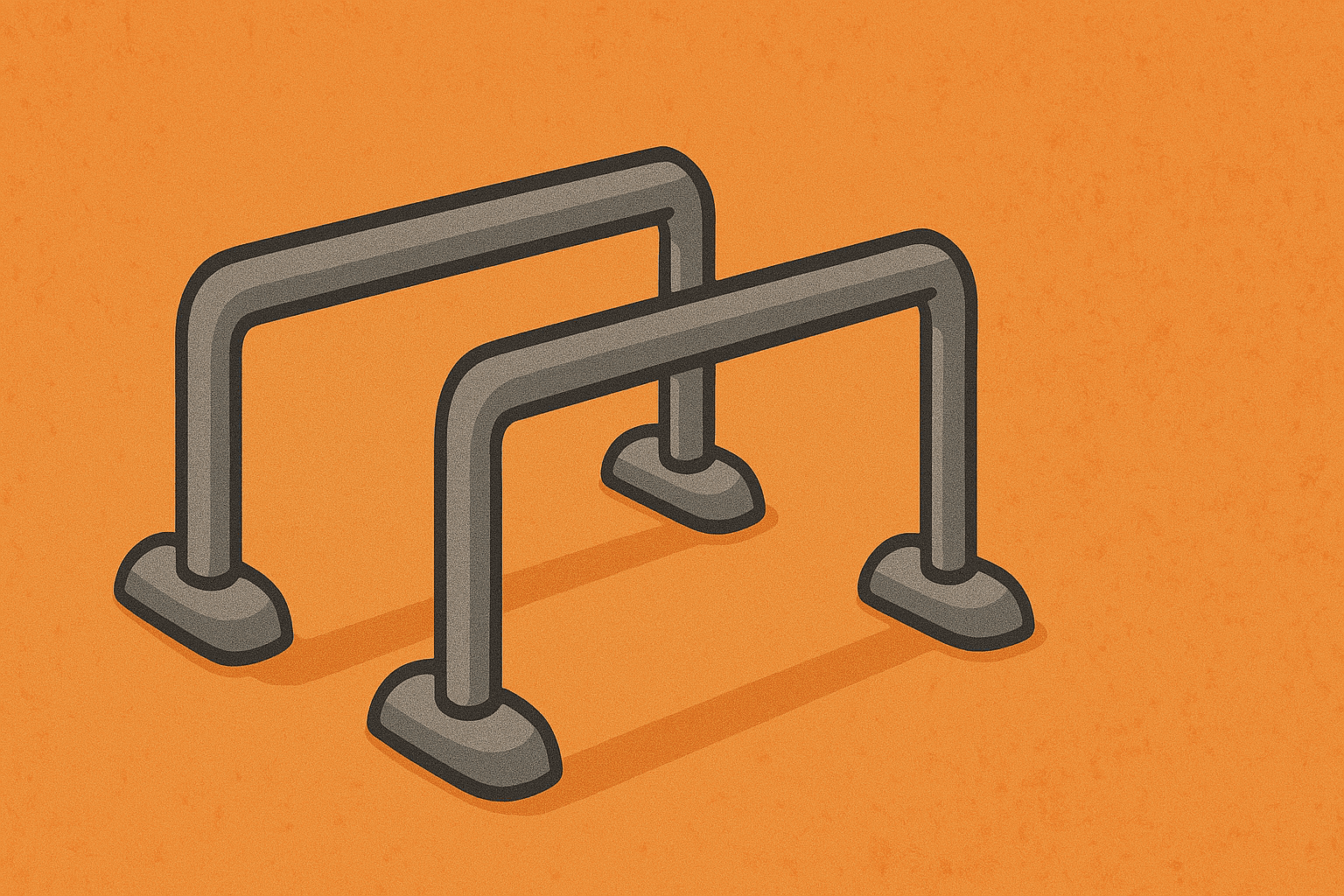
- Optional support gear like wrist wraps and dip bars for accessory strength
If you are still building your home setup, you may also want to read must have calisthenics equipment for a broader overview.
Pull-Up Bar: The Most Important Piece of Muscle Up Equipment
If I had to recommend only one item for most people, it would be a proper straight pull up bar. For bar muscle ups, nothing replaces it. The best pull up bar for muscle ups gives you stability, enough height, enough free space above the bar, and a bar diameter that feels secure during explosive work.
A good pull up bar for muscle ups should let you train not just basic pull ups, but chest to bar reps, high pulls, negatives, transitions, and straight bar dips if your setup allows it. That last part matters a lot. If your bar is too close to the wall or ceiling, you lose one of the most useful practice options.
Many products on the market use big numbers like 440 pounds or 700 pounds capacity, but capacity alone does not tell the full story. A bar can be rated high and still feel unstable if it flexes, wobbles, or shifts during kipping or explosive pulling. For muscle up training, feel matters just as much as specs.
Freestanding Pull-Up Bar vs. Wall-Mounted Bar: Which Is Better for Muscle Ups?
For most home users in the US, this is the big decision. A freestanding pull up station is easier to place and often works well in a garage, backyard, or spare room. A wall mounted option usually feels more rigid and gives better long term confidence if installed properly.
Freestanding bars can be good if they are truly stable, tall enough, and wide enough at the base. The problem is that many cheaper power towers are made for basic pull ups and knee raises, not for aggressive skill work. Once you start pulling high and driving your chest over the bar, any wobble becomes obvious. I have trained on both, and a weak freestanding tower quickly becomes frustrating.
Wall mounted bars are often the better option for serious bar muscle up practice because they are usually more rigid and create a more direct feeling on each rep. They also tend to be better for straight bar dip equipment if there is enough forward clearance. If you want help comparing options, this guide on doorway vs wall mounted pull up bar can help you choose the right direction.
My practical advice is this:
- Choose freestanding if you need flexibility, do not want to drill, and have enough floor space
- Choose wall mounted if you want the most stable pull up bar for muscle ups and can install it safely
- Avoid most doorway bars for muscle up training because they usually lack clearance and stability
What to Look for in a Bar for Muscle Ups
The best muscle up equipment always starts with a bar that matches the movement. Here are the details that actually matter.
Height and clearance
You need room to pull above the bar and transition without smashing your head into the ceiling. In most cases, a garage, outdoor setup, or taller indoor area works best.
Bar diameter
A diameter around 1.1 to 1.3 inches usually feels best for most people. Too thick and the grip gets harder than necessary. Too thin and it can feel less secure when moving fast.
Rigidity
For explosive training, rigidity matters more than comfort padding. Foam covered bars are not ideal here. Bare steel with a proper grip surface is usually better.
Space in front of the bar
This is important if you want to train transitions and straight bar dips. A bar too close to a wall limits your movement.
Grip texture
A clean coated steel bar works well, especially when paired with liquid chalk. Too slick is a problem, but overly aggressive texture can beat up your hands fast.
If you want a more focused comparison, check best pull up bar for calisthenics.
As for product recommendations, Gornation is a brand I would seriously consider for calisthenics gear because they generally focus on function instead of gimmicks. If they offer a bar or compatible setup in your region, it is worth comparing against generic power towers that are often built more for casual use than for real skill work.
Gymnastic Rings: The Best Tool for Ring Muscle Up Training
If bar muscle ups are your main goal, rings may still be worth owning. And if ring muscle ups are your goal, they are non-negotiable. Good gymnastic rings for muscle ups train pulling strength, transition control, dip strength, and stability in a way a fixed bar cannot.
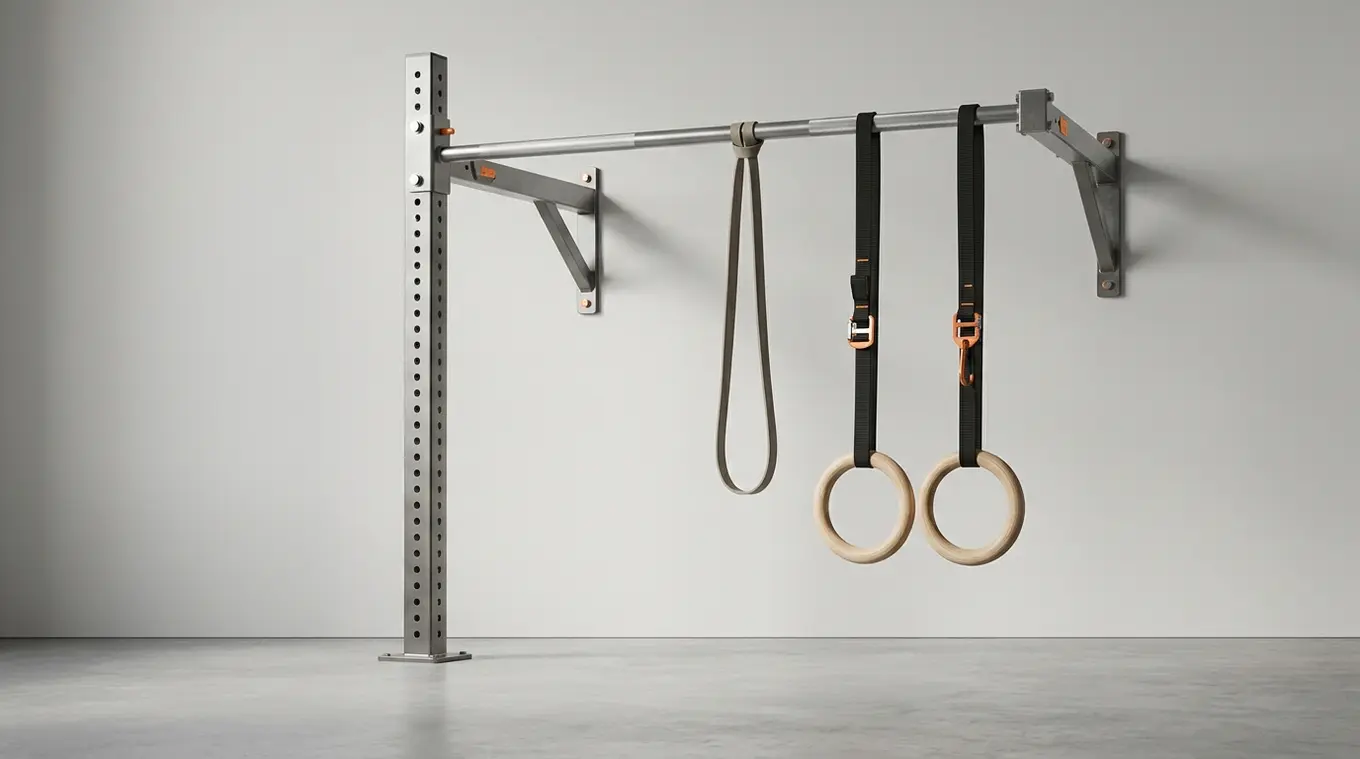
Rings also make your setup more flexible. You can hang them from a pull up bar, a beam, an outdoor rig, or another strong anchor point. That makes them one of the best muscle up equipment choices for people who want more training options without filling their home gym with bulky gear.
One reason I like rings so much is that they expose weaknesses fast. If your false grip is weak, you feel it. If your transition is rough, you feel it. If your support position is unstable, you feel it. That feedback is frustrating at first, but it is also why rings build such strong carryover.
Why Rings Are Harder and More Rewarding Than the Bar
Ring muscle ups are harder than bar muscle ups for most people because the rings move independently. You are not just pulling and transitioning. You are also controlling direction, rotation, and balance. That means more demand on your shoulders, grip, core, and timing.
But the extra challenge is exactly what makes them rewarding. Rings develop cleaner movement quality and better body awareness. In my own experience, athletes who spend time on rings often come back to the bar with stronger transitions and more control through the top position.
That said, rings are not automatically better for everyone. If your first goal is a bar muscle up at the park, then the bar should still get the most attention. Rings are best when you want a fuller upper body setup and skill variety.
What to Look for in Gymnastic Rings for Muscle Ups
Not all rings feel the same. For rings for muscle ups, I would focus on the following.
Material
Wood rings usually give the best grip and feel, especially when your hands sweat. Plastic rings can still work, but they often feel a bit more slippery.
Strap markings
Numbered straps make setup much easier. This matters more than people think, especially when you want both rings at exactly the same height.
Strap strength and buckle quality
A ring setup should feel simple and secure, not fussy. Cheap buckles are not worth the stress.
Ring diameter
Standard sizing works well for most adults. The key is comfort and confidence during false grip and transition drills.
Gornation rings are a natural recommendation here. Their rings are built with calisthenics users in mind, and that usually shows in the grip feel, strap quality, and overall finish. If you want a dependable option for ring rows, dips, false grip hangs, and full ring muscle up work, they are a smart place to start.
For a deeper look at options, see best rings for calisthenics.
How to Hang Gymnastic Rings Safely for Muscle Up Training
The rings themselves are only part of the setup. Where and how you hang them matters just as much. For muscle up training, you need an anchor point that can handle dynamic pulling loads, not just static weight. A solid wooden beam, a quality pull-up rig, or a steel ceiling joist are typically the safest choices. Drywall anchors and plasterboard ceilings are not suitable.
A few practical points to check before every session:
- The anchor must support your full bodyweight with room to spare under dynamic loading
- Hang the rings high enough so your feet clear the floor when you are in the bottom position
- Set both rings at exactly the same height using the numbered strap markings
- Inspect the straps and buckles regularly, especially if the setup is used outdoors
If you are unsure whether your ceiling or beam can handle the load, use an outdoor bar, a backyard rig, or a dedicated pull-up station as the anchor instead. Training on a ring setup that feels uncertain will affect your confidence and the quality of your reps.
Resistance Bands: The Best Muscle Up Progression Equipment
If there is one support tool I recommend to almost everyone learning muscle ups, it is resistance bands. Good resistance bands for muscle ups let you practice the full pattern with less bodyweight, which is useful for building timing, confidence, and rep volume.
The key is using them correctly. Bands are not there to fake progress. They are there to bridge the gap between strict pull up and full muscle up. Used well, they help you learn how the transition should feel while still demanding effort.
| Equipment | Best for | Priority | What to look for |
|---|---|---|---|
| Pull-up bar | Bar muscle up training, explosive pulls, transitions | Essential | Stability, height, front clearance, rigid straight bar |
| Gymnastic rings | Ring muscle ups, false grip work, stability training | Essential for ring muscle ups / optional for bar muscle ups | Wood material, numbered straps, strong buckles, secure grip |
| Resistance bands | Assisted muscle up progressions, timing, volume | Highly recommended | Multiple resistance levels, durable loop design |
| Chalk | Better grip on bars and rings | Useful add-on | Liquid chalk for cleaner home use, block chalk for garage or outdoor use |
| Wrist wraps | Extra wrist support during dips and transitions | Optional | Comfort, support, secure fit without restricting movement too much |
| Dip bars | Accessory dip strength and lockout work | Optional | Stable base, enough width, solid construction |
An assisted muscle up band is especially useful if you can already do solid pull ups and straight bar dips but cannot yet connect the pieces dynamically. That is a common stage, and bands fit it perfectly.
How to Use Bands to Progress Toward Your First Muscle Up
The best way to use bands is to choose the lightest assistance that still lets you move with good form. Too much help teaches bad timing. Too little help leads to failed reps and frustration.
Here is the progression I like:
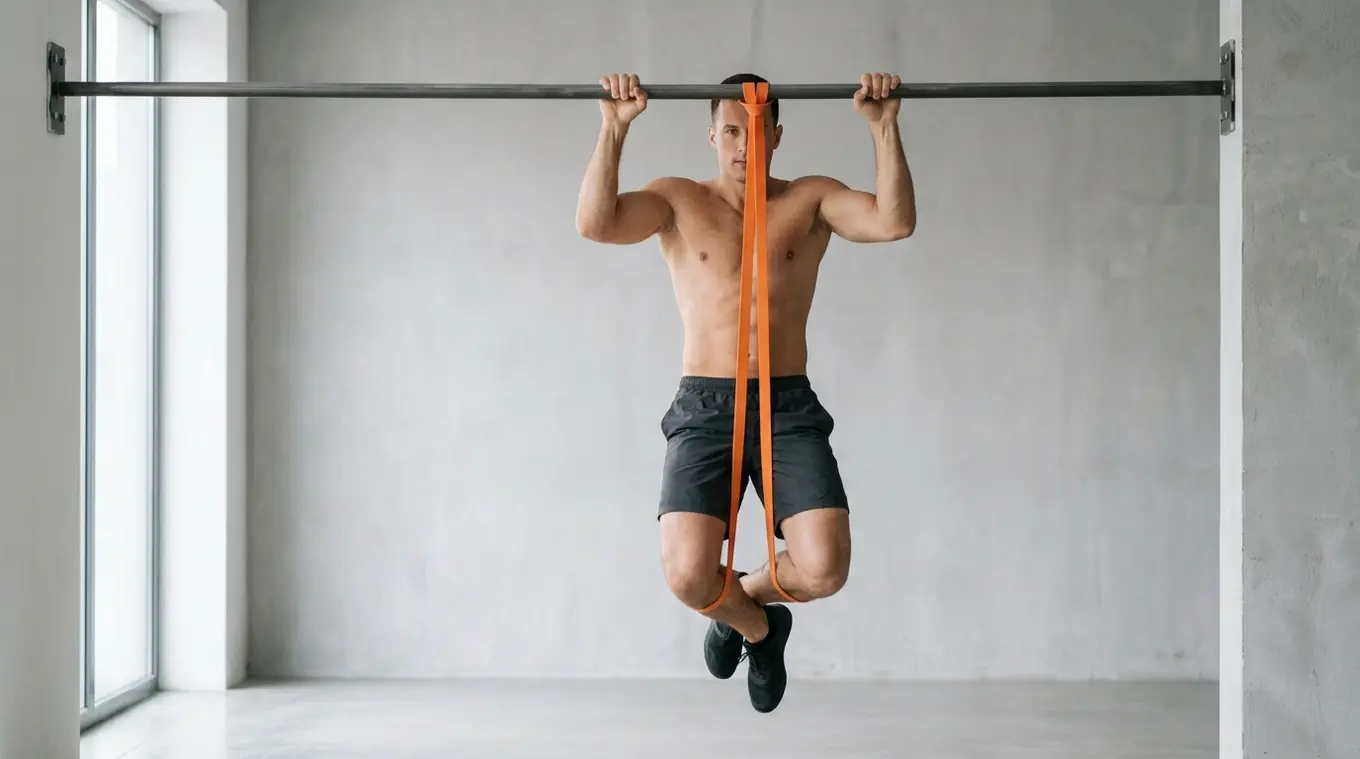
- Use a stronger band first to learn the path of the movement
- Work on explosive pull ups and chest to bar reps without the band
- Reduce band assistance over time
- Mix banded full reps with negatives and transition drills
- Keep strict strength work in your program so the band does not become a crutch
One thing I have noticed over the years is that many people stay with the same band too long. If your reps look smooth and easy, it is probably time to use less assistance. Progress happens when the band supports the skill without doing the work for you.
For quality bands, Gornation is again a solid option to consider. Their bands are popular for calisthenics progressions because they come in usable resistance levels and tend to hold up well over time. If you want a set that can help with pull ups, dips, mobility, and muscle up drills, they are more versatile than buying one random band from a general fitness brand.
If you want more ideas for band training, this guide on best resistance bands for calisthenics is worth reading.
Wrist Wraps and Grip Accessories: Small Gear, Big Difference
These are not the first things you buy, but they can make training more comfortable and consistent. Wrist wraps help some athletes feel more stable during dips, transitions, and support work, especially if their wrists get irritated in deep angles. They are not essential for everyone, but they can be useful if you train muscle ups often or combine them with heavier weighted calisthenics.
Grip accessories matter even more. A slippery bar can ruin good pulling mechanics. That is why gym chalk for muscle ups and liquid chalk for muscle ups are such simple wins. Personally, I prefer liquid chalk for home use because it is cleaner, easy to reapply, and works well on bars and rings. Regular block chalk can still be great, especially outdoors or in a garage, but it is messier.
If your bar feels too smooth, chalk often solves the issue better than gloves. Gloves usually reduce direct feel, which is not ideal for technical movements like muscle ups. If grip is a weak point, I would choose chalk and better hand care before trying padded gloves.
Wrist wraps from Gornation are also worth a look if you already know you benefit from wrist support. Their gear generally fits the needs of calisthenics athletes well, and wraps are one of those small upgrades that can improve comfort without changing your training style.
For a closer look at chalk differences, see liquid chalk vs block chalk calisthenics.
Setting Up Your Home or Garage Gym for Muscle Up Training
You do not need a commercial gym to get good at muscle ups. You do need enough space, a stable anchor point, and equipment that matches your level. A home or garage setup can be excellent if you plan it around the movement instead of just collecting random gear.
The most important question is not how much equipment you can fit. It is whether your setup lets you train the full range of the skill safely and often. In practice, that means prioritizing one strong main station, then adding supporting tools only if they serve a clear purpose.
Minimal Setup: What You Need to Get Started
If you want the simplest useful setup, I would start with:
- One solid pull up bar for muscle ups
- One or two resistance bands for muscle ups
- Liquid chalk for muscle ups
That is enough for many athletes to train explosive pull ups, chest to bar reps, transition drills, negatives, assisted full muscle ups, and grip work. If your budget is tight, this is the smartest starting point.
For apartment users or renters, your options are narrower because muscle ups need space and stability. In that case, it may be better to train your pulling and transition strength at home and practice the full skill at a park or gym until you can invest in a better station.
Full Setup: Building a Dedicated Muscle Up Station at Home
If you have a garage, backyard, or basement with enough height, a fuller setup makes sense. My ideal home station would include a rigid wall mounted or freestanding bar, a quality pair of gymnastic rings for muscle ups, several band strengths, chalk, and optional dip bars for muscle ups or straight bar dip equipment.
Dip bars are not for muscle ups directly, but they help build lockout strength, support strength, and confidence in deep dip ranges. That can be useful if your top position is weak. Just do not confuse dip bars with straight bar specific skill practice. They are support equipment, not a direct replacement.
If you want a wider overview of practical setups, the article on all in one calisthenics equipment can give you more ideas.
Bar Muscle Up vs. Ring Muscle Up: Does the Equipment Choice Matter?
Yes, it matters a lot. Bar muscle up and ring muscle up are related skills, but the equipment changes the demands enough that your training should reflect your actual goal.
For a bar muscle up, the best pull up bar for muscle ups is the priority. You need explosive vertical pulling, a fast transition over a fixed object, and the ability to support yourself above the bar. A rigid straight bar and enough clearance matter most.
For a ring muscle up, gymnastic rings for muscle ups are the priority. You need stronger stabilization, often a false grip, and better control through the transition because the rings move independently. A bar helps general strength, but it does not replace ring specific practice.
If your long term goal is full calisthenics development, both can be worth training. But if you are buying equipment with a limited budget, choose the setup that matches the version you care about most. I have seen too many people split their attention too early and slow down progress on both.
Our Top Equipment Picks for Muscle Up Training
This is where practical buying advice matters most. Instead of listing dozens of products, I prefer to narrow it down by category and by what actually helps you train.
Best Pull-Up Bar for Muscle Ups
The best pull up bar for muscle ups is a rigid straight bar with enough overhead and front clearance. For most serious home users, a well installed wall mounted bar is the safest long term choice. If wall mounting is not possible, a heavy duty freestanding station can work, but only if it is truly stable during explosive reps.
Look for solid steel construction, realistic user feedback about wobble, and a setup that allows high pulls and straight bar dip practice. Avoid bars designed mainly for doorway convenience. They are useful for basic training, but usually not for real muscle up work.
Best Gymnastic Rings for Muscle Ups
The best rings for muscle ups are wooden rings with strong numbered straps and reliable buckles. They should feel secure in false grip work and easy to adjust. This is one category where I am comfortable recommending Gornation directly because they have a good reputation in calisthenics and their rings are built for actual skill training, not just light suspension exercises.
If you want one accessory that expands your training the most after the bar, rings are probably it.
Best Resistance Bands for Muscle Up Progressions
The best resistance bands for muscle ups are durable loop bands available in multiple strengths. You want enough range to start with more support and gradually reduce assistance as you get stronger. A random single band is often not enough because your needs change as you improve.
Again, Gornation bands are a sensible pick because they are made with calisthenics users in mind. They are useful for assisted muscle up band work, explosive pull drills, warm ups, and even mobility sessions. That makes them one of the best value purchases for most people.
What Level Are You? Matching Equipment to Your Training Stage
The right equipment depends on where you are now, not just on the skill you want later.
Beginner stage
If you cannot yet do strong pull ups and bar dips, focus on a stable pull up bar, resistance bands, and basic strength development. You do not need every accessory yet. Your job is to build the base.
Intermediate stage
If you have pull ups, chest to bar progress, and dip strength, this is when the best muscle up equipment really starts to matter. A proper bar, bands in the right tension, and maybe rings if you want extra control work will make a real difference.
Advanced stage
If you already have muscle ups and want cleaner reps, volume, or ring progressions, quality becomes more important than quantity. Better rings, better grip tools, and a more rigid station help you train harder with less friction.
From experience, the sweet spot for most people is not buying more gear. It is buying the right gear one step ahead of their current level. That usually means a better bar first, then bands, then rings, then smaller accessories.
Final Verdict: The Best Muscle Up Equipment Setup for Most People
For most people in the US, the best equipment for muscle up training is a stable straight pull up bar, a set of resistance bands, and a pair of quality gymnastic rings if the budget allows. That combination covers strength work, progressions, technical practice, and long term variety without wasting money on gear you do not need.
If I had to keep it simple, I would recommend this order of priority. First, buy the best pull up bar for muscle ups you can realistically install or use. Second, add resistance bands for muscle ups so you can practice full movement progressions. Third, add rings for muscle ups if you want more versatility and a tougher skill path. After that, chalk, wrist wraps, and dip bars become useful add ons rather than essentials.
If you prefer brands that are made with calisthenics in mind, Gornation is absolutely worth considering for rings, bands, and wrist support gear. Their products tend to match the needs of real bodyweight training better than many generic fitness brands.
The short version is this: do not chase flashy equipment. Chase stability, clearance, grip, and progression. That is what actually gets you to your first smooth muscle up.
The best muscle up equipment is not the biggest setup or the most expensive one. It is the setup that lets you train the movement safely, consistently, and with the right amount of challenge. For most people, that means a strong pull up bar, reliable resistance bands, and quality rings if ring work is part of the plan. Add chalk and optional wrist support if grip or joint comfort holds you back. If you choose your equipment around your current level and your actual goal, you will make faster progress and avoid wasting money on gear that looks impressive but does not help you perform better.
Frequently Asked Questions
Can you learn a muscle up with just a pull up bar?
Yes, you can learn a bar muscle up with just a good pull up bar if it is stable and high enough. That said, most people progress faster when they also use resistance bands and some specific accessory work. The bar is the main tool, but a few supporting pieces make the learning process smoother.
Are doorway pull up bars good for muscle ups?
Usually no. Most doorway bars do not provide enough clearance above the bar, enough room in front of the body, or enough stability for explosive reps. They are fine for strict pull ups in many cases, but not ideal for serious muscle up training.
Do resistance bands actually help with muscle up progress?
Yes, if you use them correctly. Resistance bands help you practice the full muscle up pattern with less load, which is useful for timing and confidence. The key is to gradually reduce assistance over time so your strength and technique continue improving.
What is better for muscle ups, rings or a straight bar?
It depends on your goal. A straight bar is better if you want a classic bar muscle up and the fastest direct carryover. Rings are better if you want ring muscle ups, more instability training, and a more versatile setup. Neither is automatically better in every situation.
Should beginners buy wrist wraps and chalk for muscle ups?
Chalk can be useful for almost anyone because better grip often means better reps. Wrist wraps are more optional. Some beginners benefit from them if wrist discomfort shows up during dips or transitions, but many people can start without them and add them later only if needed.