If you’ve ever searched for the best calisthenics programms, you’ve probably noticed the problem: there are tons of apps, PDFs, and “do this workout” templates, but only a few that actually help you progress week after week. In this article I’ll break down what makes a program worth following, which options fit different goals, and how to choose without overthinking it. I’ll also share the simple structure I use with clients and in my own training, so you can start building strength and skills with a plan you’ll actually stick to.
What “best” really means in calisthenics programs
A program should reduce guesswork, not add it
The best calisthenics programs do three things consistently: they tell you what to do, how hard to do it, and when to progress. If a plan gives you a random list of exercises with no rep targets, no rest guidance, and no way to scale difficulty, it’s entertainment, not programming.
Calisthenics is tricky because you can’t just “add 2.5 kg” like with barbells. You need progressions, tempo changes, holds, range of motion tweaks, and sometimes small pieces of equipment. A good program makes those choices for you in a logical order.
The hidden deal breaker: adherence
I’ve seen “perfect” programs fail because they don’t fit real life. The best program is the one you can run for 8 to 12 weeks without constantly restarting. That usually means:
- 3 to 4 sessions per week for beginners and intermediates
- Workouts that fit in 45 to 70 minutes
- Clear progress rules when you have a good week or a bad week
- Built in skill work so you don’t feel like you’re “only doing basics”
How to choose the best calisthenics program for your goal
Goal 1: Build muscle and visible shape
For muscle gain, you want enough weekly volume per muscle group, plus progressive overload. In calisthenics that usually looks like moderate rep sets, controlled eccentrics, and harder variations over time. If a program only uses high rep burnouts every session, it can work for conditioning, but it often stalls hypertrophy for intermediates.
In practice, I like programs that include a repeatable structure such as push pull legs or full body, with “main lifts” like dips, pull ups, rows, push ups, and squat patterns. The best ones also tell you how to adjust when you hit the top of a rep range.
Goal 2: Learn skills like handstand, muscle up, front lever
Skill focused programs should treat skills as practice, not as a finisher when you’re exhausted. You want high quality reps, plenty of rest, and a progression path. If a plan says “do muscle ups” but doesn’t show how to build the prerequisites, it’s not beginner friendly.
If you’re chasing a handstand, use a progression that balances line drills, shoulder strength, and time on hands. A solid reference for technique and progressions is this handstand guide.
Goal 3: Fat loss and conditioning
For fat loss, the “best” programs are the ones you recover from. Many HIIT heavy apps push intensity daily, which can be fun, but it can also leave beginners sore, stressed, and inconsistent. I prefer 2 to 3 strength sessions plus 1 to 2 conditioning sessions, with walking or easy cardio on other days. That keeps performance improving while you lean out.
Key criteria I use when judging calisthenics apps and programs
Progression logic: the program must show its math
Whether it’s an app or a PDF, I look for clear rules such as: when you hit 3 sets of 10, you move to the next progression. Or: you add a pause at the bottom before you increase reps. Without these rules, you’re left guessing, and that’s when people start program hopping.
Good coaching cues and safe execution
Video demos are helpful, but what matters is whether the program teaches the difference between “moving” and “owning” a rep. Look for cues like scapula position, full range control, and tempo suggestions. If you’re improving pull ups, it also helps to know which variations target weak points. For a practical breakdown, check how to increase your pull up numbers.
Customization without chaos
Some apps give you infinite options, which sounds great, but it can turn into decision fatigue. The best systems offer guided customization: you can select your goals and available equipment, and it adapts within a consistent framework.
Tracking that supports progressive overload
I’m not obsessed with metrics, but you need at least one reliable tracking method: reps, hold time, or progression level. If an app makes logging annoying, you’ll stop logging, and progress becomes a feeling instead of a plan.
Best calisthenics programms: a practical shortlist (and who they fit)
The Movement Athlete: best “set it and follow it” option
If you want the most hands off approach, The Movement Athlete stands out because the core idea is strong: AI driven personalization that adjusts in real time. Based on available user data, it’s reported to have a high adherence and success profile compared to more generic templates. That matches what I see in coaching: most people don’t need more exercises, they need better decisions week to week.
Who I’d point to this: beginners and intermediates who want a single app to cover strength and skills without constantly rebuilding their plan.
DIE RINGE: great for skill progressions and exercise variety
DIE RINGE is built around structured plans and a big library of progressions for classic calisthenics skills. If you’re motivated by learning movements such as levers, planche steps, and handstand variations, the breadth is a real plus.
The practical catch is that some training flows assume access to rings. If you like ring training, that’s a benefit. If not, you’ll want to confirm the program still fits your setup.
CaliMove (Level system): best long term curriculum style program
CaliMove is the option I think of as “calisthenics school.” It’s structured across levels and built for the long game. If you enjoy a clear curriculum and you’re willing to follow instructions closely, it’s a solid framework.
The tradeoff is flexibility and cost. Long level based programs can feel rigid if your schedule changes. They also tend to be more expensive than simple app subscriptions.
Freeletics and Thenx: effective, but know what you’re signing up for
These are popular for a reason: they make it easy to train today. Freeletics leans more into intense sessions, often with a conditioning feel. Thenx offers a lot of follow along workouts and a clear vibe that keeps people engaged.
My honest take: they can work well if your main goal is general fitness and you enjoy high effort sessions. But if your priority is a specific calisthenics skill roadmap, they may feel less direct than skill focused systems.
Calisteniapp and other free libraries: best for tight budgets, but you must self program
Free workout libraries are great for getting started and exploring exercises. The limitation is usually progression consistency. If you can build your own weekly structure and stick to it, free options can take you far. If you tend to drift, a paid structured plan often saves time and frustration.
My simple framework to build your own “best” program (without reinventing the wheel)
Pick a split you can recover from
If you’re not sure, choose 3 full body sessions per week. It’s hard to mess up, and it gives you frequent practice on the basics. An easy schedule is Monday Wednesday Friday, with optional light skill play on the weekend.
If you’re intermediate and recovery is good, push pull legs or upper lower can work, but only if you can keep sessions consistent.
Use a small menu of main movements
Most people progress fastest when they repeat key patterns. Here’s a menu that covers the body without getting fancy:
- Pull: pull ups or assisted pull ups
- Row: bodyweight rows or ring rows
- Push: push ups plus a harder variation
- Vertical push: pike push ups or handstand push up progressions
- Legs: squats, lunges, step ups
- Core: hollow holds, leg raises, planks
Decide your progression rule before you start
This is the part most templates skip. Pick one rule and keep it boring for 8 weeks. For example:
- Work in a rep range such as 6 to 10 for strength and muscle
- When you hit 3 sets of 10 with clean form, move to a harder progression
- If you miss reps, keep the same progression and improve total reps next week
Keep skill work short and high quality
For skills, I like 10 to 15 minutes at the start of a session. Think of it like brushing your teeth: small dose, often. Choose one main skill, one supporting drill, and stop before form breaks down.
Equipment: what actually helps, and what you can skip
The minimum setup for most programs
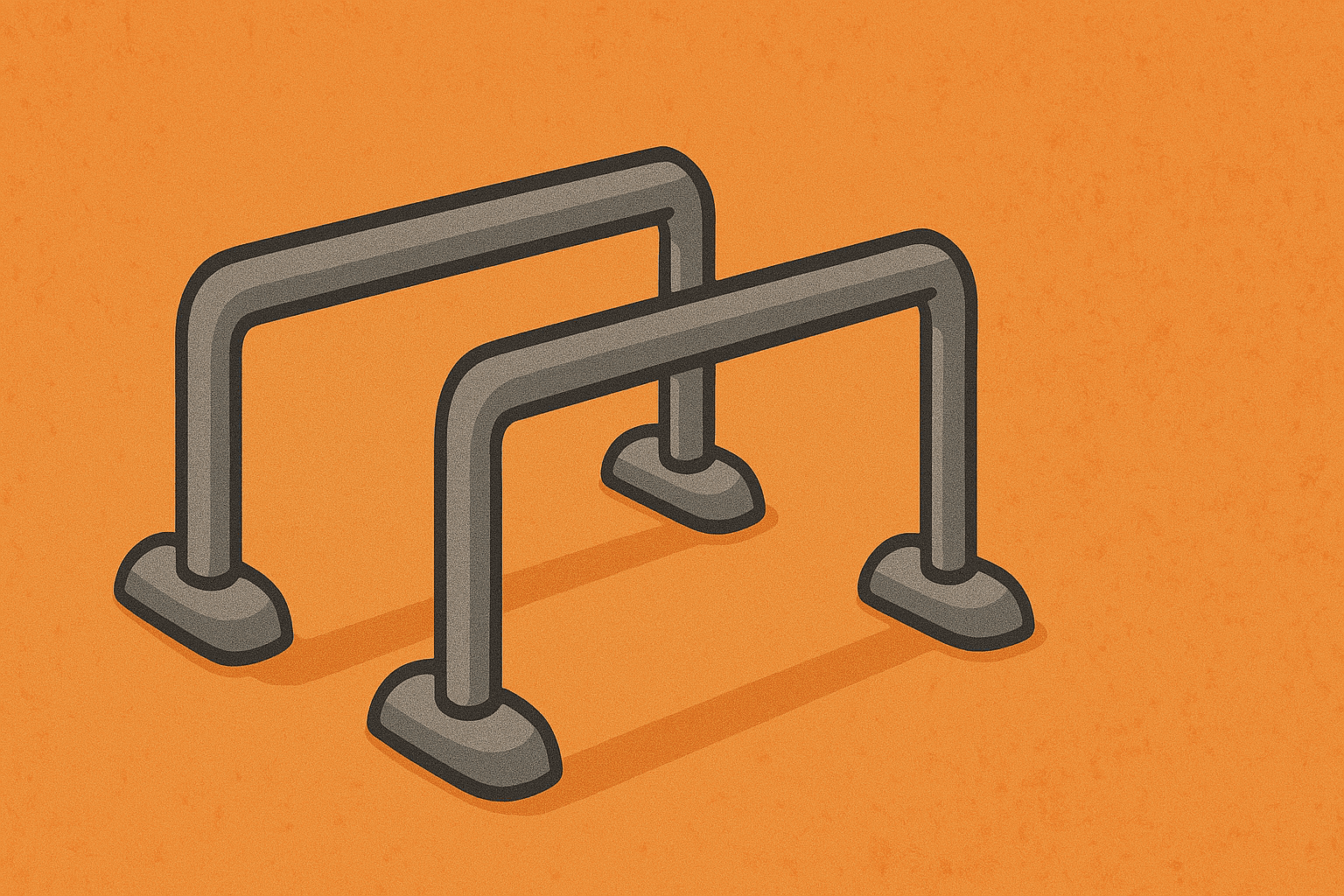
To follow most of the best calisthenics programms, you need a pull up option and a place to do dips or push up variations. Beyond that, equipment should solve a specific problem: making a movement possible, making it safer, or letting you progress when bodyweight alone gets too easy.
Two subtle gear picks that genuinely improve programming
I’m careful with recommendations because you can get strong with very little. But two items from Gornation are genuinely useful across many programs:
- Gornation Resistance Bands: ideal for assisted pull ups, controlled eccentrics, and smooth progression steps when you’re between levels.
- Gornation Gymnastic Rings: they expand your exercise options fast, especially rows, ring push ups, support holds, and shoulder friendly pressing angles.
If you’re currently stuck on pull ups, bands are the most cost effective solution. If your training feels repetitive, rings add variety without turning your plan into chaos. For a clear walkthrough on band assisted progressions, see how to do assisted pull ups.
Free vs premium: when paying is worth it
When a free program is enough
Free plans are great when you already know how to scale exercises and you’re disciplined about logging. If you can write down sets, reps, and progressions each week, you can use free resources and still progress steadily.
When premium saves you months
Paying makes sense when you keep stalling because you don’t know what to change. Personalized or adaptive plans can prevent the common loop of doing the same reps for weeks, then randomly switching exercises. If a premium app helps you train at the right difficulty consistently, it can be a good deal even at a monthly cost.
Common mistakes that make “good” programs stop working
Chasing variety instead of progression
Switching exercises every week feels productive, but it often kills measurable progress. Keep your main movements stable and use accessories for small variety if needed.
Always training to failure
Occasional hard sets are fine, but daily failure training can crush recovery, especially for pulling movements. I’d rather see you leave one to two reps in reserve most of the time and add volume over weeks.
Ignoring warm ups and ramp up sets
If your shoulders and elbows feel “creaky,” it’s usually not bad luck, it’s a rushed start. A short, repeatable warm up helps more than people think. If you want a simple routine you can copy, use this warm up guide.
Veelgestelde vragen
What are the best calisthenics programms for absolute beginners?
The best calisthenics programms for beginners are the ones with clear progressions for push ups, rows, squats, and assisted pull ups. Look for 3 full body sessions per week, rep ranges, and a simple rule to level up. If a plan starts with advanced skills, skip it and build the base first.
Are calisthenics apps better than PDF programs?
Apps tend to win on convenience: videos, timers, and logging make consistency easier. PDF programs can be excellent if they include progression rules and you’re comfortable tracking yourself. The deciding factor is whether the program helps you apply progressive overload without guessing each week.
How many days per week should I train on the best calisthenics programms?
Most people do best with 3 to 4 training days per week. Three days is enough for steady strength and muscle progress while keeping recovery simple. Four days can work for intermediates who sleep well and manage volume. More days are only useful if intensity is controlled.
Do I need equipment to follow the best calisthenics programms?
You can start with no equipment, but a pull up option is the biggest limiter long term. Many strong programs assume at least a bar, and skill focused plans often use rings. If you’re missing pull strength, a resistance band can bridge the gap by making assisted reps smooth and repeatable.
Which program is best if I want skills and muscle at the same time?
Choose a program that treats skills as structured practice and strength as the main workload. In other words: 10 to 15 minutes of skill work first, then progressive sets on dips, pull ups, rows, and leg work. Programs with adaptive planning and clear progressions tend to balance both goals better than random daily workouts.
If you want a real answer to “best calisthenics programms,” focus on what drives results: a plan you can repeat, a clear progression rule, and enough structure that you’re not improvising every session. For most people, a personalized or adaptive app is the simplest way to stay on track, while long level based programs are great if you enjoy a curriculum. If budget is tight, use a free plan but be strict about logging and progression. Pick one direction, commit for 8 to 12 weeks, and you’ll be surprised how fast the basics turn into skills.