You have probably seen athletes using both wooden and metal parallettes and wondered which one actually makes more sense for your training. That is a fair question, because the right choice depends on grip, comfort, stability, portability, and the skills you want to build. In this guide, I will break down what are parallettes, how wooden parallettes grip vs metal really feels in practice, and which option fits beginners, handstand work, planche progressions, and weighted training. By the end, you should have a clear answer to should I buy wooden or metal parallettes for your setup.
What’s the Actual Difference Between Wooden and Metal Parallettes?
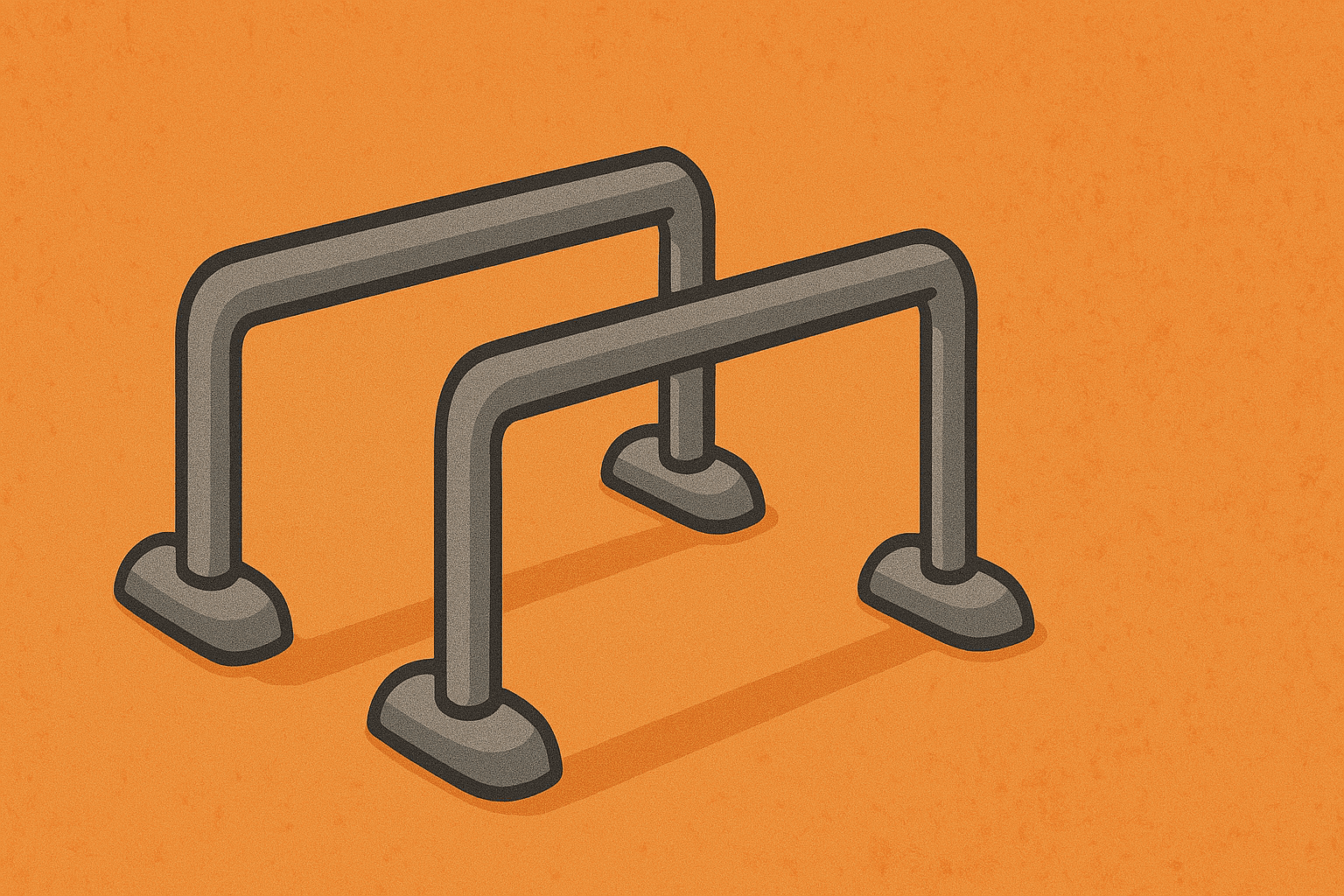
If you are new to this, parallettes are small parallel bars used for push ups, L sits, handstands, planche work, and general calisthenics strength training. They give you a neutral wrist position, more range of motion, and a more stable platform than training directly on the floor. If you want a broader comparison, this guide on parallettes vs push up bars is worth reading.
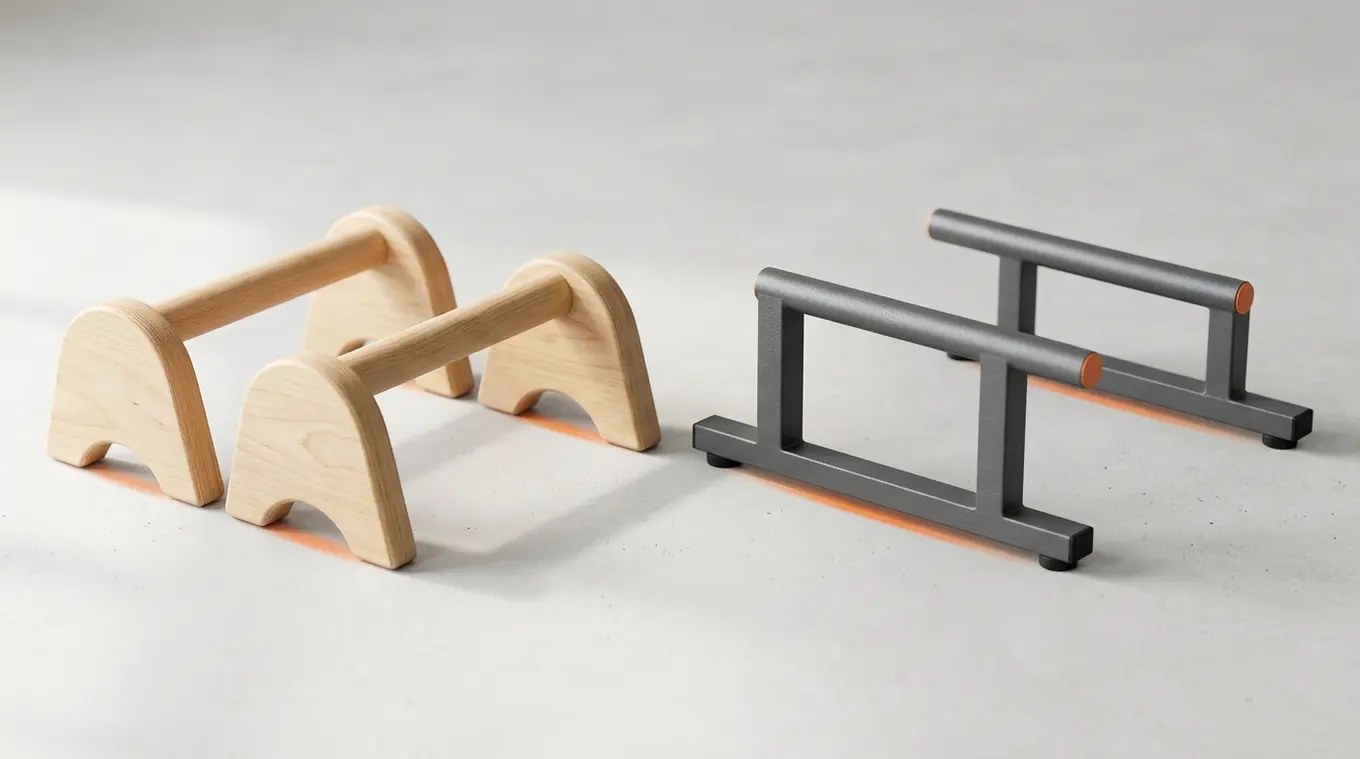
The main difference between wooden and metal parallettes is not just the material itself. It is the training feel. Wooden models usually feel warmer, slightly softer in the hand, and naturally grippy. Metal models usually feel more rigid, heavier, and often more solid under explosive or weighted work. In real use, wooden parallettes vs metal parallettes which is better comes down to whether you value comfort and grip first, or durability and maximum stability first.
From my own training, the first thing most people notice is hand feel. Wood tends to be less slippery when your palms get a bit sweaty. Metal can still work very well, especially with a quality coating or grip tape, but it usually feels harder and less forgiving. That is why the question are wooden parallettes more comfortable comes up so often. In most cases, yes, they are.
Another point is use case. The best parallettes for handstands wood vs metal often lean toward low wooden bars because they feel secure and natural for balance drills. On the other hand, if you want elevated work, deep push ups, or weighted calisthenics, metal parallettes durability becomes a real advantage.
Wooden Parallettes: Who They’re Best For
Wooden parallettes are usually the easiest recommendation for beginners and skill focused athletes. If your training includes handstands, L sits, tuck planche work, or controlled push variations, wood often gives the best mix of comfort and control. I have seen many people train longer on wooden bars simply because their wrists and hands feel better after the session.
Feel, Grip, and Wrist Comfort Explained
The biggest strength of wood is the surface feel. Wooden parallettes grip vs metal is not just marketing language. Wood has a slightly textured, dry feel that many athletes prefer, especially without gloves. It tends to feel more secure during slower static work. If you use chalk, it usually pairs very well with wood too. If grip is a concern, you may also like this article on liquid chalk vs block chalk for calisthenics.
So, are wooden parallettes strong enough? For normal calisthenics, the answer is yes, if you buy from a reliable brand and not a cheap no-name option. A good pair can handle push work, static holds, and serious progressions without any issue. For most home athletes, strength is not the limiting factor. Build quality is.
If you like the idea of a proven option, Gornation wooden parallettes are a sensible pick. They are especially good for people who want a comfortable grip, stable base, and a clean all around tool for home training. They also make sense if you care about portability or want something that feels premium without being overcomplicated.
You will also see people searching for DIY wooden parallettes or how to build wooden parallettes. That can work if you are handy, but I usually only recommend it if you know how to choose good hardwood, proper dimensions, and solid joints. A badly built pair is not worth the risk when you are balancing bodyweight over your wrists.
| Criteria | Wooden parallettes | Metal parallettes |
|---|---|---|
| Grip | Naturally grippy, especially with slightly sweaty hands | Depends more on coating or grip tape |
| Comfort | Warmer, slightly softer hand feel | Harder, more rigid feel |
| Best for | Beginners, handstands, L sits, planche basics | Weighted training, deeper push ups, dynamic work |
| Stability | Stable for skill work, especially low bars | Often feels more planted due to extra weight |
| Height and clearance | Usually lower and more compact | Often offers more height and range of motion |
| Durability | Strong enough when well built, but quality matters | Usually more heavy duty over time |
| Portability | Often lighter and easy to move | Can be heavier and less convenient to carry |
| Best choice if unsure | Safer starting point for most people | Better if your training is already advanced or weighted |
Metal Parallettes: When They Make More Sense
Metal parallettes are often the better choice for athletes who want maximum sturdiness, more training height, or a setup that can take a lot of abuse over time. If you train outdoors often, use a weighted vest, or want deeper range on push movements, metal can be the smarter buy.
This is where metal parallettes durability stands out. They generally hold up very well, and the extra weight of the bars themselves can make them feel more planted on the floor. For advanced athletes working on weighted dips between higher bars, hard planche presses, or aggressive transitions, that solid feel matters.
That said, metal is not automatically better. If your hands sweat heavily, grip can become the deciding factor. Some metal bars have excellent coatings, while others feel slick. In my experience, metal works best when the finish is good and the feet do not slide. If you are mainly asking about the best parallettes for planche wood vs metal, lower wooden bars often feel better for static planche drills, while taller metal bars can be useful for progression work that needs more clearance.
How Long Do They Last? Maintenance and Longevity Compared
Longevity is a practical question that does not always come up in comparisons, but it matters for a long-term purchase. Both materials can last for years, but they age differently depending on how and where you train.
Wooden parallettes hold up well under normal indoor training conditions. Quality hardwood is resistant to daily wear, but wood is sensitive to prolonged moisture exposure. Leaving wooden bars in a damp garage or storing them outside regularly can cause warping or cracking over time. With basic care, keeping them dry and indoors, a well-built pair can last many years without any issues.
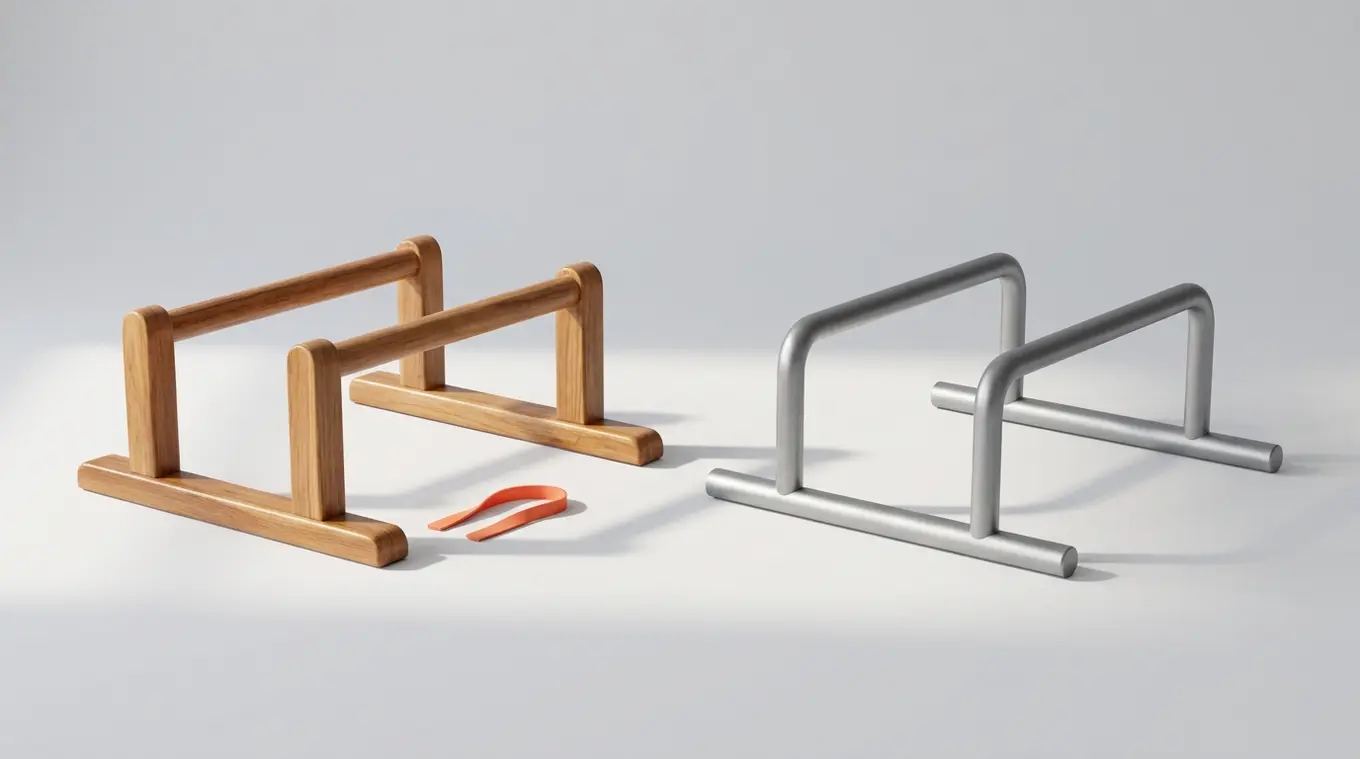
Metal parallettes are generally less sensitive to environmental conditions. A quality powder-coated or chrome-finished bar will resist rust well and handle outdoor or garage use more reliably. Cheaper metal bars with a thin or uneven coating can rust at the joints or feet if regularly exposed to moisture. The finish quality matters just as much as the material itself.
In short, wood rewards indoor care and metal handles varied environments better. Neither material wears out quickly when the build quality is solid to begin with.
Which Should You Buy? A Practical Recommendation
If you want one simple answer to should I buy wooden or metal parallettes, here it is. Buy wooden parallettes if you are a beginner, care about grip comfort, or want the best all around option for handstands, L sits, push ups, and planche basics. Buy metal parallettes if you want more height, heavier duty construction, or plan to do more weighted and dynamic training.
For most people, I would start with wood. It is the more comfortable and confidence-building option, and it covers the majority of calisthenics skills very well. A pair of Gornation wooden parallettes is a strong choice if you want dependable quality without overthinking the purchase. If your focus is larger range of motion or a more robust setup for advanced work, Gornation metal parallettes are worth considering instead.
If your main goal is handstand practice, combine your choice with good technique work and check this guide on how to learn a handstand. The right bar helps, but the right progression matters just as much.
My honest advice is simple. Do not choose based on looks alone. Choose based on how you train now, how your wrists feel, and whether you want comfort first or durability first. That is usually what decides the better buy.
When comparing wooden parallettes vs metal parallettes, there is no universal winner for everyone. Wooden bars usually win on grip, comfort, and skill work. Metal bars usually win on durability, height, and heavy duty use. If you are still unsure, wood is the safer starting point for most home calisthenics athletes. It feels better in the hands, supports the core basics well, and gives you plenty of room to grow. If your training is more advanced or more weighted, metal becomes easier to justify.
Frequently Asked Questions
Are wooden parallettes more comfortable than metal ones?
In most cases, yes. Wooden bars usually feel warmer, less slippery, and a bit easier on the hands during longer sessions. That is why many athletes prefer them for handstands, L sits, and planche basics. Comfort can still depend on bar thickness and finish, but wood often feels more natural overall.
Are wooden parallettes strong enough for serious training?
Yes, as long as they are well made. Quality wooden parallettes can handle normal calisthenics training, including static holds, push ups, and advanced progressions. The main issue is not the material alone, but how well the bars are built. Cheap, poorly assembled bars are the real problem.
What are the best parallettes for handstands, wood or metal?
For most people, low wooden parallettes are the better choice for handstands. They usually offer a more secure grip and a comfortable hand position, which helps with balance practice. Metal can still work well, but wood often gives better confidence when you are spending time upside down.
What is the difference between parallettes vs push up bars?
Push up bars are usually simpler and mainly designed for push ups and wrist relief. Parallettes are more versatile and better for skills like L sits, handstands, tuck planche work, and deeper strength movements. If you want one tool for broader calisthenics progress, parallettes are usually the better investment.
Should I try DIY wooden parallettes?
You can, but only if you are confident with materials and construction. DIY wooden parallettes can be cheap and effective, but poor wood choice or weak joints can make them unsafe. If you plan to put real bodyweight through them often, a tested product from a trusted brand is usually the smarter option.