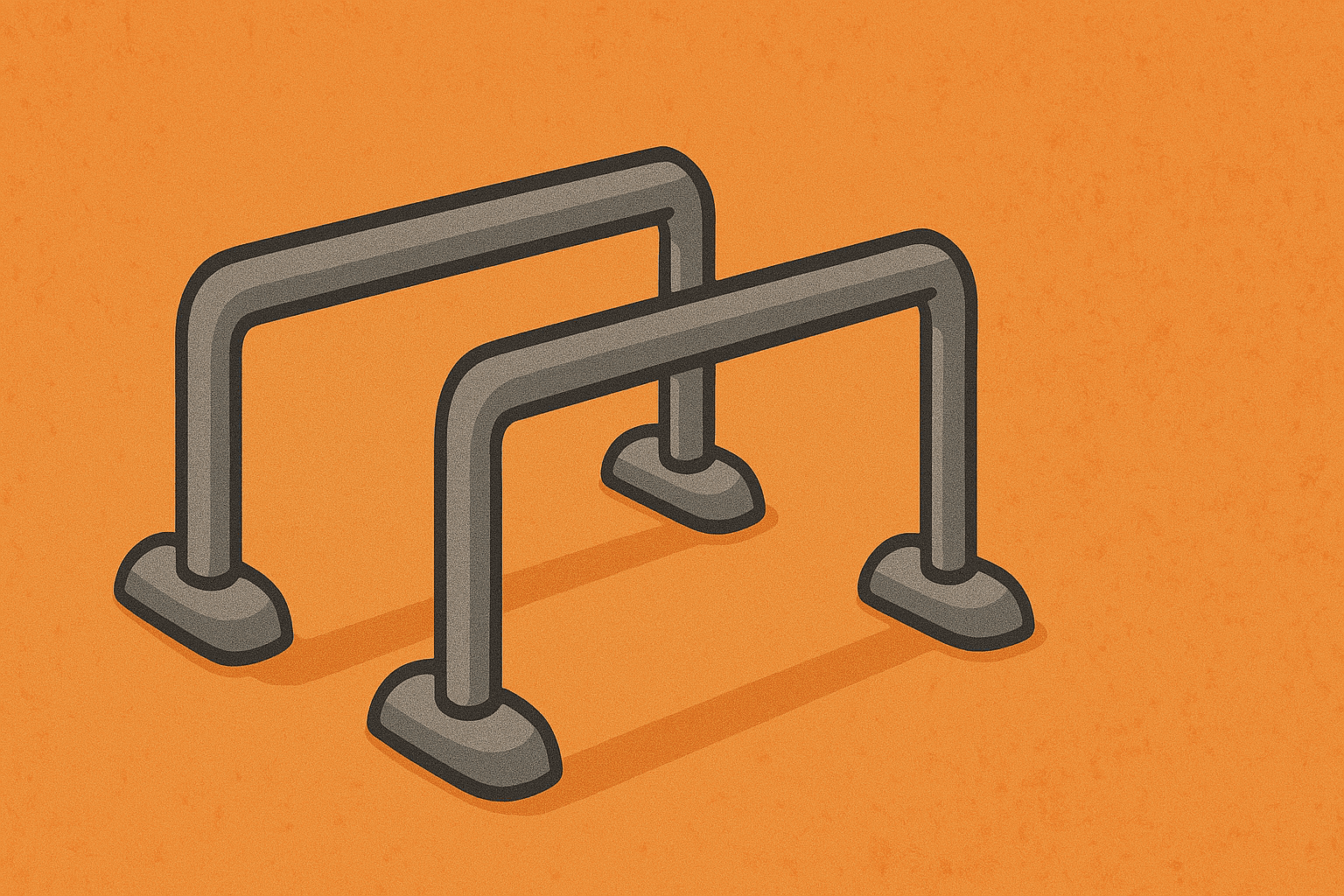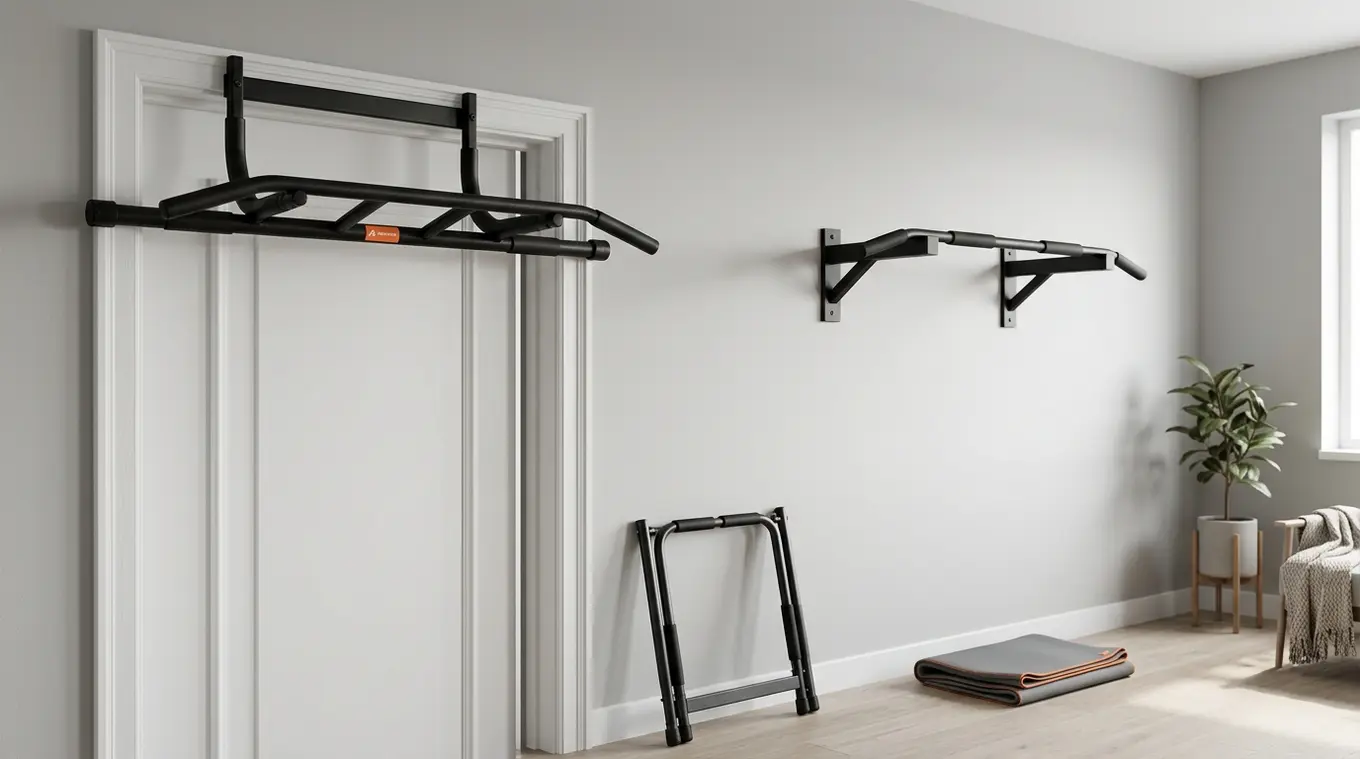
If you want to train pull ups at home but your apartment, bedroom, or office barely has any extra room, you are not the only one. A lot of people want a solid setup but get stuck on the same questions. Will a pull up bar damage my door frame? Are doorway pull up bars safe? Do I need high ceilings or a whole home gym to make it work? In this guide, I will walk you through the best pull up bars for small spaces, explain which type makes the most sense for your layout, and help you avoid buying something that looks compact online but feels terrible once it is installed.
Why Finding the Right Pull Up Bar for a Small Space Is Harder Than It Looks
Buying a pull up bar sounds simple until you actually start measuring the room where you want to use it. On paper, a bar looks compact. In real life, the bar itself is only part of the story. You also need room for your head, knees, elbows, shoulder width, and some safe clearance in front and behind you. That is why many people order what they think is the best pull up bar for a small apartment and end up sending it back.
I have trained in a full garage gym, a narrow spare bedroom, and a rental apartment with low ceilings. The advice I would give a friend is simple. Do not choose based on marketing photos alone. Choose based on the room you actually have and the way you actually train. A strict pull up setup for controlled reps needs much less space than a setup for kipping, toes to bar, or muscle up drills.
Low ceilings, narrow doorways, and no wall space: the real constraints
The biggest small space problems are usually ceiling height, doorway width, wall strength, and floor clutter. In many apartments in the United States, ceilings are around 8 feet high, which can work, but it becomes tight if you are tall or if the bar sits several inches below the ceiling. Doorways also vary more than people expect. Some over the door models fit standard openings well, but become awkward in narrow or unusually trimmed frames.
Another issue is that some people technically have empty wall space, but it is not usable wall space. A hollow interior wall, decorative trim, a closet slider, or a shared wall with neighbors may rule out a wall mounted pull up bar for small spaces. On the floor side, a freestanding pull up bar for small spaces may sound attractive until you realize the feet extend farther than the photos suggest.
Noise matters too. In a condo or shared living setup, even a stable bar can create vibration through a doorway or wall. If you train early in the morning or late at night, this becomes part of the buying decision.
What makes a pull up bar truly small space friendly
A pull up bar is genuinely small space friendly when it does three things well. First, it uses dead space such as a doorway, a section above a door, or a small wall area that would not otherwise hold equipment. Second, it stays stable without forcing you to reorganize the room every time you train. Third, it is easy to live with when you are not working out.
That last point gets overlooked. The best pull up bars for small spaces are not always the tiniest ones. Sometimes the better choice is the bar that stores quickly, folds away, or stays mounted without getting in your way. If your setup is annoying to install or remove, you will use it less. That is one reason doorway systems remain popular. They are not perfect, but they make consistent training realistic.
If you want a broader compact setup beyond just a bar, it can also help to look at small space calisthenics equipment options so your pull up bar fits into a smarter overall training corner.
Types of Pull Up Bars That Work in Small Spaces
There is no single best design for everyone. The right choice depends on whether you rent, how much drilling you can do, your ceiling height, and whether you want pure pull up training or a more versatile calisthenics setup.
Doorframe pull up bars no installation needed
For most people living in apartments, the starting point is a doorway pull up bar for small spaces. These bars usually hook over the top of the door trim and create leverage against the frame. Their biggest advantage is convenience. You can install them in seconds, remove them after training, and avoid permanent changes.
This type is usually the best doorway pull up bar option for renters and beginners because the barrier to actually using it is low. You do a set, step away, and your room still looks normal afterward. Many models also offer multiple grips, including neutral and wide grips, which helps if straight bar pull ups bother your shoulders.
The downsides are just as important. Not every doorframe is suitable. Decorative trim, weak molding, unusual wall depth, or very narrow openings can all create fit issues. Some bars also wobble more than expected, especially with taller or heavier users. They are usually best for strict reps, hangs, and controlled knee raises, not dynamic swinging.
If your main concern is avoiding holes and keeping things apartment friendly, this is still where I would tell most people to start.
Wall mounted pull up bars for compact rooms
A wall mounted pull up bar for small spaces works well when you have one reliable wall and want better long term stability. Once mounted correctly into studs or masonry, a good wall bar feels more secure than most doorway designs. It also gives more clearance from the wall, which helps with chest to bar reps, ring attachments, and some core work.
This option fits small home gyms especially well. If you use one corner of a bedroom, garage, or office for training, a fixed wall bar makes the space feel more intentional without eating up floor area. Some people also prefer the cleaner look of a mounted bar above other equipment.
The catch is installation. If you rent, drilling may not be allowed. Even if you own the place, a wall bar only works as well as the mount. Stud spacing, wall type, anchor quality, and bar depth all matter. In tight rooms, a deep wall mounted setup may actually stick out too far. That is why some buyers specifically look for a folding wall mount pull up bar or lower profile design.
From a training perspective, this is one of my favorite options when the room allows it. Stability changes the feel of every rep.
Freestanding pull up bars with a small footprint
A freestanding pull up bar for small spaces is the best choice when you cannot use a doorframe and do not want to mount anything. This can be a smart option for studio apartments, temporary living situations, and homes where walls are not suitable. The best versions are more like compact pull up stands than large power towers.
The benefit is flexibility. You are not dependent on a door or wall. Some stands can be moved, disassembled, or folded after use. A foldable pull up stand can make sense if you train in the living room and store everything after. That said, even compact freestanding options still need floor space while in use. They may save wall space, but they do not disappear.
I usually tell people to be realistic here. If you already feel cramped by a coffee table and sofa, a stand may become annoying quickly. But if you have one open corner and want the most independent setup possible, it can work really well.
Ceiling mounted and low profile options
Ceiling mounted bars are less common, but they can be excellent in very specific rooms. If the walls are occupied but the ceiling structure is strong and accessible, a ceiling mounted or low profile option can turn overhead space into useful training space. This can be especially helpful in narrow rooms where wall projection would feel awkward.
The main thing to watch is ceiling height. In low rooms, mounting a bar from the ceiling may leave too little room underneath for a dead hang. In higher rooms, it can be one of the cleanest setups available. Some models are also designed to sit in a lower profile position, which helps preserve space visually and physically.
For people comparing mounting styles directly, a deeper breakdown of doorway versus fixed options can be useful, especially if you are torn between flexibility and stability.
What to Look for Before You Buy
Before you choose from the best pull up bars for small spaces, measure first and buy second. This is where most mistakes happen. A good bar in the wrong room becomes a bad purchase.
Dimensions: how much space do you actually need?
Start with the obvious numbers. Measure doorway width, doorway depth including trim, available wall width, ceiling height, and open space in front of the bar. Then think about your body dimensions, not just the product dimensions. If you are broad shouldered or tall, the usable space shrinks fast.
For strict pull ups, you usually need less front clearance than people think, but you still want enough room that your legs and feet are not constantly brushing furniture. If you like knee raises, L sits, or hanging leg raises, you need more frontal and downward space. If you plan to add rings or straps, add even more.
One mistake I see often is people focusing only on whether the bar fits the doorway. The better question is whether they can actually train comfortably there. A doorway pull up bar for small spaces might fit perfectly, but if the hallway behind you is narrow and your knees keep hitting the wall, it will get old fast.
If core work is part of your plan, combining a bar with focused compression work like the L sit progression guide can help you get more out of limited space.
Ceiling height requirements and workarounds
One of the most common questions is what minimum ceiling height is needed. In many homes, 8 foot ceilings are workable for pull up training, but they are not ideal for everyone. Height needs vary based on your own height, arm length, and where the bar sits relative to the ceiling or top of the doorway.
If you are tall, a standard doorway bar may force bent knees at the bottom. That is not automatically a dealbreaker. Plenty of strong athletes train this way in apartments. Strict pull ups with bent knees are still effective. The problem is when you cannot get enough range for a comfortable hang or when your head gets too close to the ceiling on the top portion of the rep.
There are a few workarounds. An elevated doorway design can create more headroom. Some wall mounted bars can be inverted or positioned for better ceiling clearance. In very low rooms, rings hung from a higher mount can sometimes feel better than a fixed bar, though that requires a secure anchor point and more setup knowledge.
My honest take is this. Do not let low ceilings stop you from training, but do let them influence the bar style you choose.
Renter friendly vs permanent mounting
If you rent, the question is not just what is strongest. It is what is realistic. A bar that requires lag bolts into studs might be the best long term setup, but if your lease does not allow it, that does not help. In that case, the best pull up bar for small apartment living is often a no drill doorway model or a freestanding option that stores easily.
People ask all the time, will a pull up bar damage my door frame. The truthful answer is it can, especially if the frame is weak, the fit is poor, the padding is thin, or you swing on it. But a good doorway model used correctly on a suitable frame often causes little to no meaningful damage beyond minor pressure marks. Compared with drilling into walls, it is usually the safer renter choice.
If you own your space or have permission to mount, permanent options open up better stability and more variety. That matters more if you are heavier, stronger, or planning to progress into weighted work.
How to check if your doorframe can handle a pull-up bar
Evaluating your doorframe before you buy saves time and avoids returns. Most over the door bars need the trim to be solid, deep enough to hold the bar securely, and attached to a structurally sound wall.
Start by pressing firmly on both sides of the door molding. It should feel completely rigid with no flex, creak, or movement. If the trim shifts or separates from the wall, it is not suitable for a bar that will carry your full bodyweight. Also check the trim material. Solid wood in good condition works best. Hollow trim, MDF molding, fluted decorative profiles, or any casing that already looks loose or cracked are higher risk fits.
Measure the trim depth where the bar will rest. Most over the door models list a minimum ledge requirement in their product specs. Check that against your actual trim before purchasing. Also confirm your doorway width falls within the bar’s stated range. Standard US interior door widths vary more than people expect, and some bars fit a narrower window than their packaging suggests.
If your frame checks out, a doorway bar is likely a safe and practical choice. If it does not, a wall mounted or freestanding option will give you a more reliable training environment from the start.
Weight capacity and stability in tight spaces
Weight ratings matter, but they do not tell the full story. A bar may list a high capacity and still feel shaky because the leverage point, wall type, or frame design is poor. Stability is especially important in small rooms because there is less margin for awkward movement. If the bar shifts suddenly and you are next to a dresser, desk, or wall corner, that is not just annoying, it is unsafe.
I pay attention to three things here. The published weight limit, the mount style, and whether the design encourages strict controlled reps or dynamic movement. For tight spaces, I usually recommend training strict anyway. You can build a lot of strength without turning your apartment into a mini CrossFit box.
If you are a heavier user or plan to add a dip belt or vest later, lean toward mounted options or premium doorway bars with a strong reputation. Are doorway pull up bars safe for heavy users? Some are, but only when the frame, fit, and product quality all line up. Safety depends on the whole setup, not the sticker on the box.
Best Pull Up Bars for Small Spaces: Our Top Picks
These picks are based on what actually tends to work in small American homes and apartments, not just what looks good in product photos. I am balancing stability, footprint, ease of use, and how likely you are to keep training with it six months from now.
Best overall compact pull up bar
Recommended type: premium over the door multi grip bar
For most people, the best overall compact pull up bar is a sturdy over the door model with multiple grip options and decent clearance. This style gives the best mix of small footprint, no permanent install, and practical usability. It suits renters, beginners, and intermediate athletes better than almost any other format.
What I like about a good over the door model is that it solves the real problem. It lets you train often in a normal home without redesigning the room. Neutral grip handles are especially valuable if straight pronated pull ups irritate your elbows or shoulders. If the bar sits high enough, you can also do better dead hangs and controlled knee raises.
The downside is storage. Some of the most stable over the door bars are also bulky. If that matters to you, prioritize a simpler frame even if you give up one or two grip positions.
If you also want a broader overview of movement variety once you have the bar installed, this guide to pull up bar exercises is worth checking after you choose your setup.
Best doorframe pull up bar for narrow doorways
Recommended type: in door telescoping or simple straight doorway bar with secure mounting support
If your doorway is narrow or has awkward trim, a simpler in door bar can work better than a large hooked frame. This is often the best doorway pull up bar choice for older apartments, smaller bedrooms, and spaces where a bulky over the door system simply will not fit.
The tradeoff is versatility. You usually get one main grip position instead of several. The bar also sits lower inside the doorway, so taller users may have to bend their knees more. But if your main goal is strict pull ups, chin ups, scapular pulls, and hanging holds, it can still be an excellent solution.
For safety, I prefer models that either include brackets or are used with clearly secure side support rather than relying on friction alone. A simple design is not a bad design. In many small homes, it is the most realistic one.
Best for studio apartments and dorm rooms
Recommended type: compact no drill doorway bar or foldable freestanding stand
In a studio or dorm, every piece of equipment has to justify its presence. For most people, that means a no drill doorway bar wins. It is the lowest commitment option, takes almost no floor space, and can usually be tucked under a bed or in a closet when not in use.
If your dorm or apartment has unusual doorframes or rules against anything on the doors, a foldable pull up stand becomes the backup option. I would only go this route if you know you have a reliable storage spot. Freestanding gear that has nowhere to live tends to become clutter very quickly.
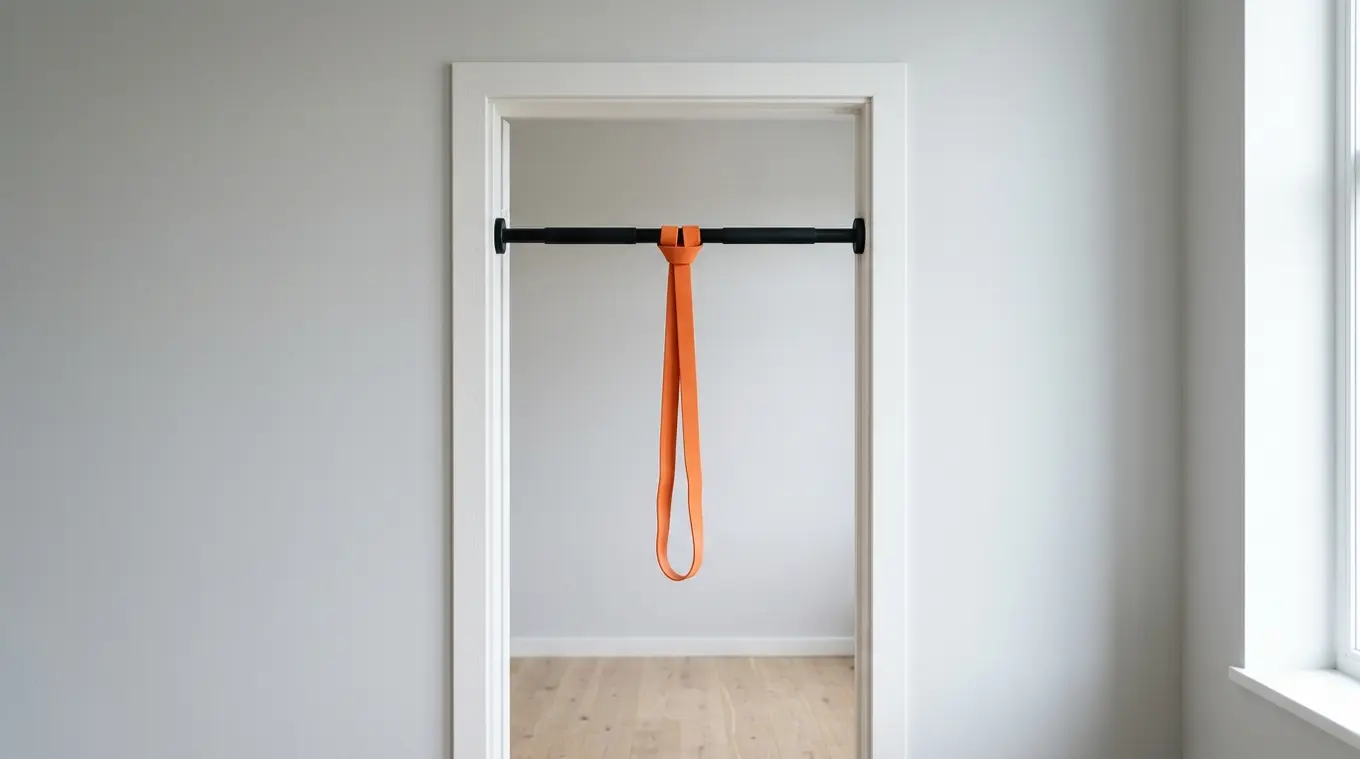
This is also where accessories matter. If you are building a compact calisthenics setup, Gornation resistance bands are a smart addition because they barely take up any room, work well for assisted pull ups, and let you train rows, face pulls, and mobility work when the bar itself is not enough.
Best wall mounted option for small home gyms
Recommended type: low profile or folding wall mount pull up bar
If you have a dedicated workout corner and permission to install, a wall mounted pull up bar for small spaces is usually the best long term investment. It creates a cleaner and more stable training feel than a doorway bar and keeps the floor open. For many people, this is the sweet spot between compact living and serious training.
A folding wall mount pull up bar is particularly appealing in tight rooms because it can reduce the visual bulk when not in use. That said, a fixed low profile bar is often simpler and sturdier. If you are deciding between the two, think about how often you truly need to fold it away. Simplicity usually wins in the long run.
Among known brands, some wall units from mainstream strength companies offer strong value. If you specifically want to stay within the calisthenics world, Gornation is more relevant as an accessory brand than as the primary wall bar choice here. Their bands, rings, and grip related add ons pair well with a mounted setup.
Best freestanding pull up bar with minimal footprint
Recommended type: compact freestanding tower or foldable pull up stand
If drilling is off the table and your doors are not suitable, the best freestanding pull up bar for small spaces is a compact stand with a narrow base and either easy disassembly or a foldable frame. This type works best for people who train consistently enough to justify dedicating a corner of the room to it.
What matters most here is not just width, but total footprint and stability. Some stands look narrow from the front but extend deeply into the room. Others store smaller than expected, which can make them a practical solution in apartments. For strict pull ups, you do not need a huge unit. For more dynamic movements, most compact stands still have limitations.
I usually see this as the best option for people who have already tried doorway bars and know they do not like them. It is a little more equipment, but it also gives you more independence from the structure of the home.
Pull Up Bar Comparison: Side by Side Overview
| Type | Best for | Space use | Installation | Main tradeoff |
|---|---|---|---|---|
| Over the door multi grip bar | Most renters and general home use | Very low floor use | No drill | Can be bulky to store |
| In door straight bar | Narrow doorways and simple setups | Very low floor use | Low effort, sometimes brackets | Less versatility and lower hanging height |
| Wall mounted bar | Small home gyms and heavier users | No floor use | Permanent mounting | Needs studs, tools, and permission |
| Folding wall mount pull up bar | Compact rooms with shared use | No floor use | Permanent mounting | Usually pricier and more complex |
| Freestanding compact stand | No suitable doors or walls | Moderate floor use | No mounting | Still occupies room during training |
| Ceiling mounted bar | Narrow rooms with strong overhead structure | No floor use | Permanent mounting | Ceiling height and structure must work |
If I had to simplify the decision, I would put it this way. Renters should usually start with a doorway solution. Homeowners with one good wall should strongly consider a mounted bar. People with difficult architecture and no usable doorframe should look at a compact stand.
Best Pull Up Bar for Your Specific Situation
Best pull up bar for rented apartments no damage
The safest answer for renters is usually a padded over the door bar with a strong reputation for fit and stability. It gives you the least permanent impact on the property while still making regular training possible. To reduce risk, inspect the frame, use the bar only on suitable trim, avoid swinging, and remove it when not needed if pressure marks are a concern.
If you are extremely cautious about damage, a freestanding option may be even safer for the apartment itself, but only if you truly have room for it. In most rentals, the practical winner is still a no drill doorway model.
Best option for low ceilings
For low ceilings, I prefer either an elevated doorway design that gives more top clearance or a wall mounted bar positioned carefully to maximize hanging room. A low room does not always mean you need a tiny bar. It means you need a bar that uses the available height intelligently.
If you are under average height, you can often make standard 8 foot ceilings work with no major issue. If you are tall, look for bars that sit high and do not force unnecessary drop below the mounting point. Bent knees are fine. Constantly cramped shoulders are not.
Best for condos and shared living spaces
In condos and shared homes, I prioritize low noise and quick setup. A stable doorway bar used for strict reps is often better than a freestanding unit that rattles or a wall mount that transfers vibration. You also want something that can be removed easily if the room has to serve multiple purposes.
This is one of those situations where training style matters more than the product name. If you keep your reps controlled and your setup simple, even a compact doorway bar can serve you really well for years.
How to Set Up a Pull Up Bar in a Small Space Without Damaging Anything
Good setup matters as much as good equipment. Many problems people blame on the bar are really installation mistakes.
Doorframe installation tips
First, check the frame carefully. Avoid weak trim, cracked molding, loose casings, or frames that already flex when you push on them. Clean the contact points so the padding sits flat. Then make sure the bar is centered and fully seated before you put bodyweight on it.
When people ask, will a pull up bar damage my door frame, my answer is usually this. Pressure marks are possible, but damage becomes far less likely when the frame is solid, the fit is correct, and you train under control. Do not kip, drop from the top, or swing aggressively on a standard doorway setup. These bars are best used like strength tools, not playground equipment.
It also helps to test the bar progressively. Put some weight on it with your feet still lightly on the floor. Then hang. Then do reps. This sounds obvious, but I have seen too many people jump straight into a full set without checking the setup properly.
Wall mounting without leaving permanent marks
Strictly speaking, wall mounting does leave permanent holes, so it is not a no mark option. But you can keep the impact minimal and clean if you plan it well. Mount into studs, use the right hardware, and place the bar where it makes sense long term so you are not patching multiple failed attempts later.
If the room is finished and appearance matters, I prefer careful measuring, painter’s tape as a marking guide, and a mounting board approach where appropriate. That can spread the load and make the mount feel more solid. If you ever remove it, a few well patched holes are much easier to deal with than damaged drywall from a poor install.
If you are not confident with structural mounting, pay someone for an hour of help. It is cheaper than repairing a bad installation and much better than gambling with your bodyweight over your desk or hardwood floor.
Training in a Small Space: Getting the Most Out of Your Pull Up Bar
A compact setup does not mean limited progress. In fact, small spaces often encourage better discipline because you naturally focus on strict, high quality reps instead of random extra movement.
Exercises you can do without needing extra clearance
The best pull up exercises at home small space style are the ones that stay controlled and efficient. Standard pull ups, chin ups, neutral grip pull ups, scapular pulls, dead hangs, active hangs, and bent knee leg raises all work well in compact environments. You can also do towel hangs, assisted reps with bands, and slow negatives.
If you have a bit more room in front of the bar, hanging knee raises and tucked windshield wiper style core work can be great. If your clearance is very tight, just focus on pulling strength and hanging endurance. That alone can carry your progress a long way.
Adding a pair of Gornation bands makes a big difference here. They are useful for assisted pull ups, extra back volume, warm ups, and even lower body work when you do not have space for larger gear. In a small apartment setup, versatile accessories matter a lot more than people think.
How to progress from beginner to advanced in a compact setup
If you are a beginner, start with active hangs, scapular pull ups, band assisted reps, and slow negatives. This is often more productive than forcing ugly full reps. Once you can control those well, build volume with clean singles and doubles, then small sets.
Intermediate trainees can progress with pauses at the top, slower eccentrics, close grip and wide grip variations, and density work where you complete a set number of reps across a short time window. Advanced athletes in small spaces can still get stronger with tempo pull ups, one and a half reps, archer style progressions where space allows, and eventually weighted pull ups if the bar and setup are truly up to it.
What I have learned from training in tighter spaces is that precision matters. Good form, smart progressions, and enough total weekly volume beat flashy movement every time. If your goal includes cleaner reps overall, it helps to review pull up form basics and build from there.
Frequently Asked Questions
Can I use a pull up bar in an apartment without damaging the doorframe?
Yes, often you can, especially with a quality over the door model used on a solid frame. Minor pressure marks are possible, but major damage is less likely when the fit is correct and you avoid swinging or dropping into reps. If your trim is weak or decorative, choose a different setup.
What is the minimum ceiling height needed for a pull up bar?
There is no perfect single number because your height and the bar design matter. For many people, 8 foot ceilings are workable for strict pull ups. Taller users may need bent knees at the bottom or a bar style that sits higher. The key is having enough room for a comfortable hang and top position.
Are doorway pull up bars safe for heavy users?
They can be safe, but only when the bar is well made, the frame is suitable, and the stated limits are respected. Heavy users should be extra careful about frame integrity and setup stability. If you are near the top of the weight range or plan to train hard, a mounted bar is usually the safer long term option.
Is a wall mounted pull up bar better than a doorway pull up bar for small spaces?
It is better for stability, but not always better overall. A wall mounted pull up bar for small spaces works best when you have a strong wall and permission to install. A doorway bar is usually more practical for renters, shared homes, and anyone who wants a no drill solution they can remove easily.
What is the best pull up bar for a small apartment if I want no drilling at all?
For most people, the best pull up bar for small apartment living with no drilling is a sturdy over the door multi grip bar. If your doors are not suitable, the next best option is a compact foldable pull up stand, but only if you have a clear storage spot and enough floor space during workouts.
Final Verdict: Which Pull Up Bar Should You Get for a Small Space?
If you want the short version, here it is. Most people should buy a high quality over the door pull up bar first. It is the simplest, most renter friendly answer, and for strict home training it covers a lot of ground. If you own your place and want more stability, a wall mounted pull up bar for small spaces is usually the better long term choice. If your doors and walls are both a bad fit, a compact freestanding pull up bar for small spaces is the fallback that still lets you train seriously.
My honest advice is to match the bar to your room first and your ambitions second. The best pull up bars for small spaces are the ones you can use safely, comfortably, and consistently. A perfect bar that does not fit your real life is not the right bar. A practical one that gets used every week absolutely is.
And if you want to make that compact setup work even better, adding Gornation bands or rings later can expand your training without filling the room with more equipment. In small space calisthenics, smart choices always beat more stuff.
Conclusion
The best pull up bars for small spaces are not just the smallest ones. They are the ones that fit your doorway, wall, ceiling height, and daily routine without becoming a hassle. For most apartment setups, a quality doorway model is the smartest place to start. For a more stable long term setup, wall mounted options usually win. And if your space has awkward doors or strict rental limits, a compact freestanding stand can still work well. Measure carefully, keep your training controlled, and choose the setup you will actually use consistently. That is what makes the difference.
FAQs
Will a pull up bar damage my door frame?
A doorway pull up bar can leave light pressure marks, but serious damage is much less likely when the frame is solid, the fit is correct, and you avoid swinging. Cheap bars, weak trim, and poor installation are usually what cause problems. If you rent, inspect the frame first and choose a padded model.
Are doorway pull up bars safe for everyday training?
Yes, many doorway pull up bars are safe for strict daily training when they are used on the right kind of frame and within their rated limits. They are best for controlled reps, hangs, and assisted work. I would not treat most doorway bars like a setup for explosive kipping or high impact movements.
What is the best doorway pull up bar for small spaces?
The best doorway pull up bar for small spaces is usually a sturdy over the door model with solid padding, stable leverage, and enough grip variety for your needs. If you have a narrow doorway, a simpler in door straight bar may actually be the better fit. The right choice depends on the frame dimensions.
Can I build strength with a pull up bar even if I have low ceilings?
Absolutely. Low ceilings may force you to bend your knees at the bottom, but you can still make excellent progress with strict pull ups, chin ups, active hangs, negatives, and band assisted work. In small rooms, cleaner technique often leads to better training quality and more consistent strength gains over time.
Should I choose a folding wall mount pull up bar or a freestanding pull up stand?
Choose a folding wall mount pull up bar if you have a strong wall, permission to drill, and want better long term stability without using floor space. Choose a freestanding pull up stand if mounting is not possible. The stand offers more flexibility, but it needs a dedicated area and usually feels more present in the room.