Maybe you have trained on cold metal bars before and thought, why does this feel so rough on my hands? Or maybe you are building a home gym and want something that looks clean, feels better to grip, and still holds up during serious training. That is exactly where wood calisthenics equipment comes in. In this guide, I will walk you through what it is, why many athletes prefer it, which wooden tools are actually worth buying, and what to watch out for before you spend your money. If you want practical advice without the usual hype, you are in the right place.
What Is Wood Calisthenics Equipment?
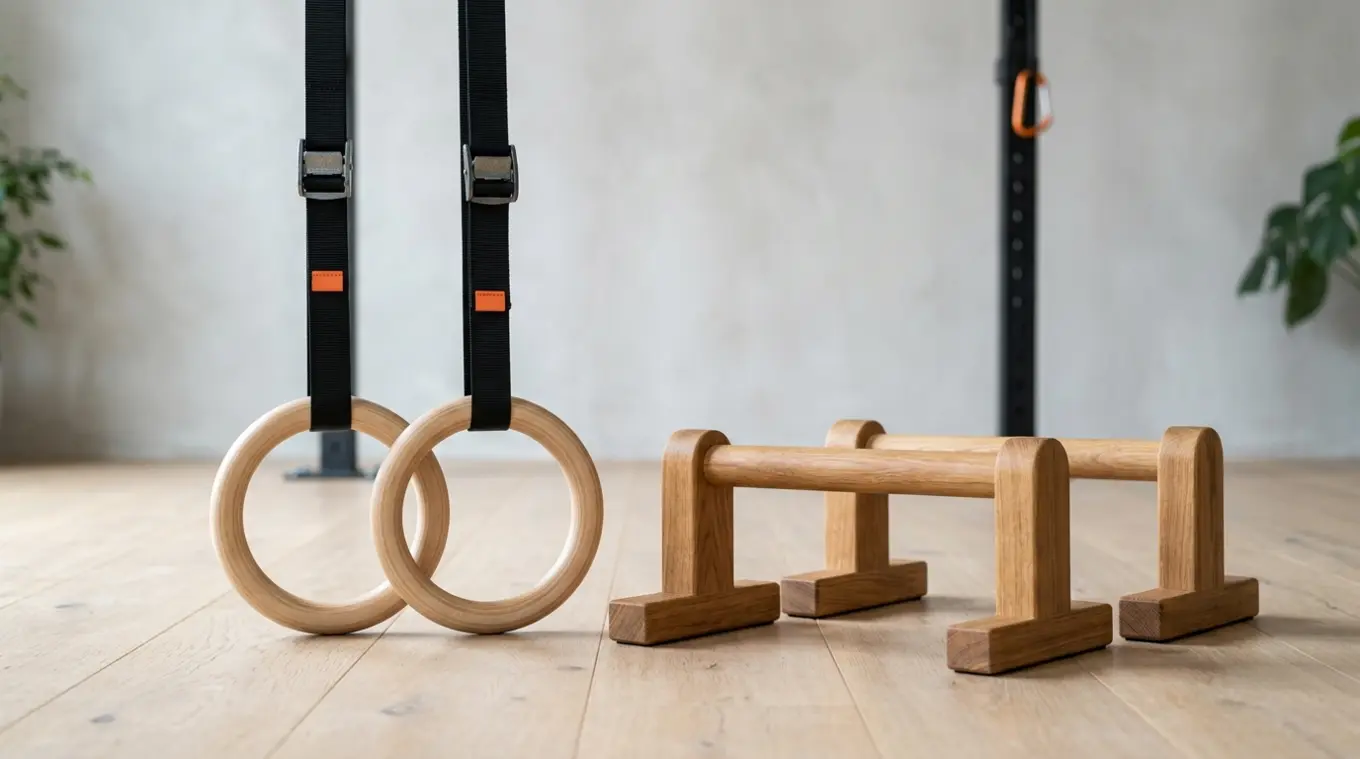
If you are asking what is wood calisthenics equipment, the simple answer is this: it is bodyweight training gear that uses wood as the main contact surface or main structure. The most common examples are wooden gymnastic rings, wooden parallettes, push-up bars, stall bars, and some pull-up bar systems with wooden rails or grips.
The reason this category has become so popular is not just aesthetics. In real training, wood often feels more natural in the hands than painted metal or hard plastic. It gives a warmer, slightly grippier surface, especially for movements where hand comfort matters, like push-ups, L sits, handstand work, dips, rows, and ring training.
In my experience, wooden equipment tends to make longer sessions feel better on the skin. That matters more than people think. If your hands slip or get irritated too fast, your training quality drops. That is one of the biggest benefits of wood calisthenics equipment, especially for home athletes who train several times per week.
Most people start with compact pieces such as rings or parallettes. If you want a bigger setup, some athletes also look into DIY wood calisthenics equipment, especially garage gym users who want a custom station. That can work well, but only if safety and proper installation come first.
Why Choose Wooden Equipment Over Metal or Plastic?
There is no single best material for every athlete, but wood has some clear strengths. If your focus is body control, skill work, and comfort during repeated sessions, wood often gives a better overall training feel.
Grip and feel: why wood outperforms metal
The main reason athletes compare wood vs metal calisthenics bars is grip. Wood usually feels less slippery than smooth metal, especially when your hands get slightly sweaty. It also avoids that cold shock you get in a garage, basement, or outdoor setup during winter months in many parts of the US.
For rings, this difference is especially noticeable. Wooden rings generally offer a more secure feeling than plastic rings, and for many athletes they are the default choice. The same goes for wooden calisthenics bars such as parallettes. If you are learning handstands, L sits, tuck planche progressions, or deep push-up variations, the grip confidence helps a lot.
That said, wood is not automatically perfect. A poor finish can be too slick, and soft wood can wear faster. So the material itself is only part of the story. Build quality still matters.
Eco-friendly and minimalist appeal
Another reason people choose wooden gear is the look and feel of it in a home gym. Wood usually blends into a room better than bulky black metal equipment. If you train in an apartment, spare bedroom, or office corner, that matters. A simple pair of wooden parallettes or rings can give you a minimalist setup without making your space feel like a commercial gym.
Some brands also use sustainably sourced wood and natural oil finishes. If that matters to you, it is worth checking product details before buying. This is one area where premium brands usually do better than generic marketplace listings.
If you want a reliable brand recommendation, Gornation is one of the first names I would look at for wooden calisthenics gear. Their rings and parallettes are designed specifically for calisthenics rather than generic fitness, and that usually shows in the grip, finish, and stability.
The Main Types of Wood Calisthenics Equipment
Not every wooden tool serves the same purpose. Some are best for skill work, some for strength, and some for building a full setup at home.
Wooden gymnastic rings
Wooden rings are probably the easiest place to start. They are portable, relatively affordable, and useful for beginners and advanced athletes alike. You can use them for rows, push-ups, ring dips, support holds, pull-ups, and muscle-up progressions. If someone asks me for the best wood calisthenics equipment per dollar, rings are near the top of the list.
They also solve the small space problem. One anchor point and a decent ceiling beam, rack, or pull-up bar can create a full upper body station. For many home athletes in the US, that is more practical than buying a large freestanding tower.
If you are exploring options, a Gornation Workout Rings Set is a smart pick because it balances quality, grip, and strap reliability. That matters more than flashy product photos.
Wooden parallettes and push-up bars
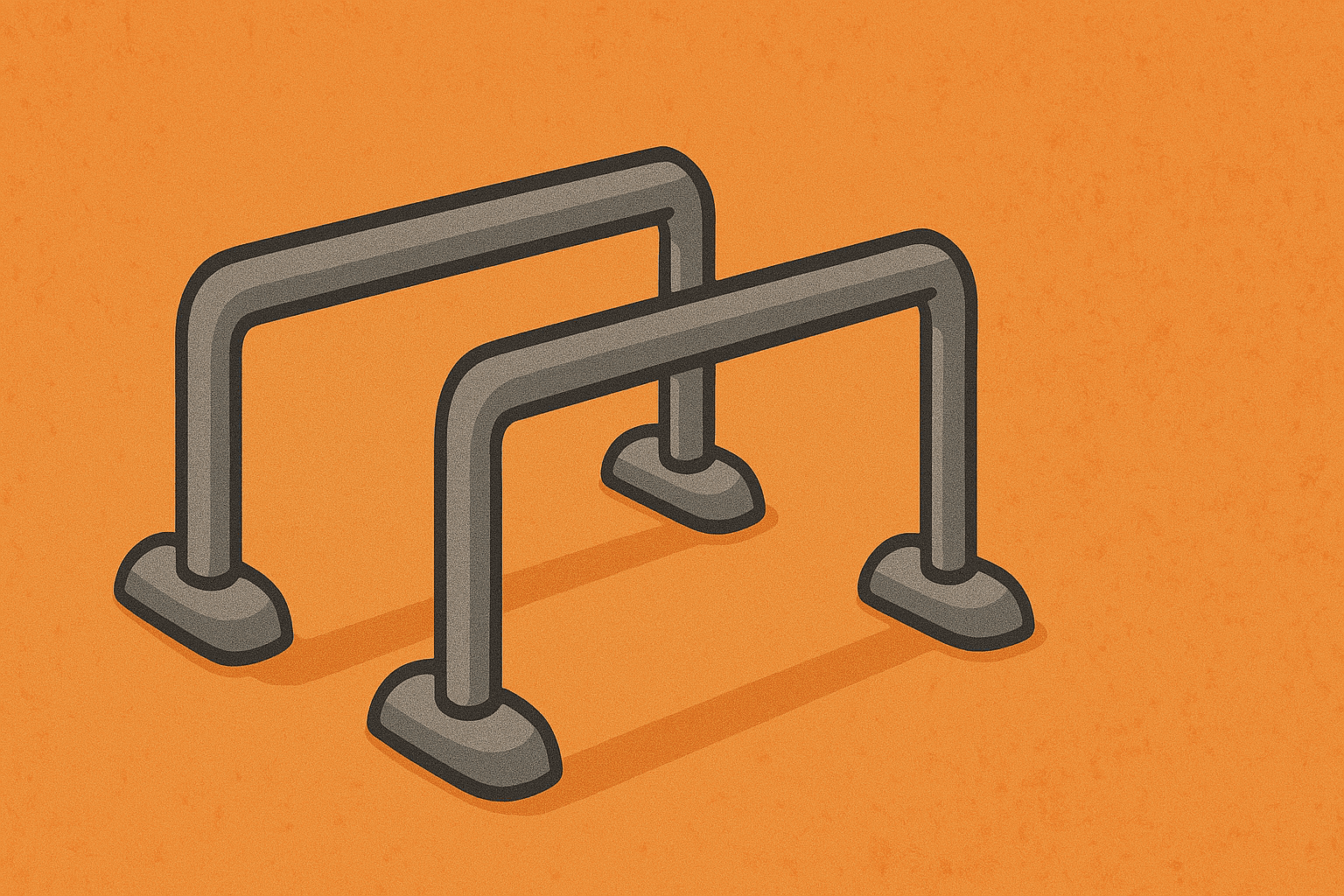
Wooden parallettes are one of my favorite tools for home training because they open up a lot of movement options without taking up much space. You can use them for push-ups, pike push-ups, L sits, tuck holds, handstand work, and planche progressions. If you have ever wondered how to use wooden parallettes, start simple. Elevated push-ups and support holds are enough to feel the difference right away.
Low parallettes are usually best for wrist-friendly push work and handstand drills. Higher parallettes give more room for L sits, dips, and deeper strength movements. If your training is handstand focused, I would also suggest reading this handstand guide alongside your equipment research.
For athletes who want a proven option, Gornation Premium Parallettes Pro or Max are worth a look depending on the height you want. They are built for real calisthenics use, not just casual floor workouts.
Wooden pull-up bar systems and stall bars
This category is less common in the US than rings and parallettes, but it can be excellent for a dedicated home gym. Wooden stall bars work well for mobility, hanging, core work, scapular control, and rehab-style training. Some athletes also use custom wooden pull-up bar systems, though these need to be built or installed very carefully.
If you are searching for the best wooden pull-up bar for home, be careful. Pure wood bars can feel great, but installation quality matters more than material. I would usually trust a high-quality wall-mounted or ceiling-mounted system from a specialist brand over a random wooden setup with weak anchors.
If you are comparing formats, this guide on doorway vs wall mounted pull-up bars can help narrow it down.
| Equipment | Best for | Main benefits | Best suited for |
|---|---|---|---|
| Wooden gymnastic rings | Full upper body training, rows, dips, pull-up progressions | Very versatile, portable, affordable, strong grip feel | Beginners to advanced athletes with limited space |
| Wooden parallettes | Push work, L sits, handstands, planche progressions | Wrist-friendly, stable for skill practice, compact | Athletes focused on push strength and balance skills |
| Wooden push-up bars | Elevated push-ups and basic support work | Simple setup, better hand comfort, easy to store | Beginners and casual home users |
| Wooden stall bars or pull-up systems | Mobility, hanging, core work, dedicated home gym setups | Great for full stations, useful for rehab and control work | Users with more space and careful installation plans |
Indoor vs Outdoor Wooden Setups: What Works Where?
Building a minimalist wooden home gym
For most people, indoor setups make the most sense. Wood stays in better condition indoors, needs less maintenance, and gives you more control over humidity and temperature. A minimalist wooden home gym can be as simple as rings, low parallettes, and a pull-up bar. That is enough to train pushing, pulling, core strength, and a lot of basic skill work.
If space is limited, I would choose wooden rings first, then parallettes second. That gives the most exercise variety for the least footprint. If you want more ideas for small setups, this guide to must have calisthenics equipment is useful.
One practical note from experience: place wooden gear on a stable surface. Even good gear feels bad on slippery tile or uneven concrete. Non-slip feet and floor contact matter more than many buyers expect.
Outdoor and street workout options
Outdoor wooden setups can work, but they need more care. Sun, rain, moisture, and temperature swings can wear down wood fast if the finish is not designed for it. That is why outdoor calisthenics parks are still mostly steel. Wood can be used outside, but it should be sealed properly and checked regularly for cracks, splinters, or loosening hardware.
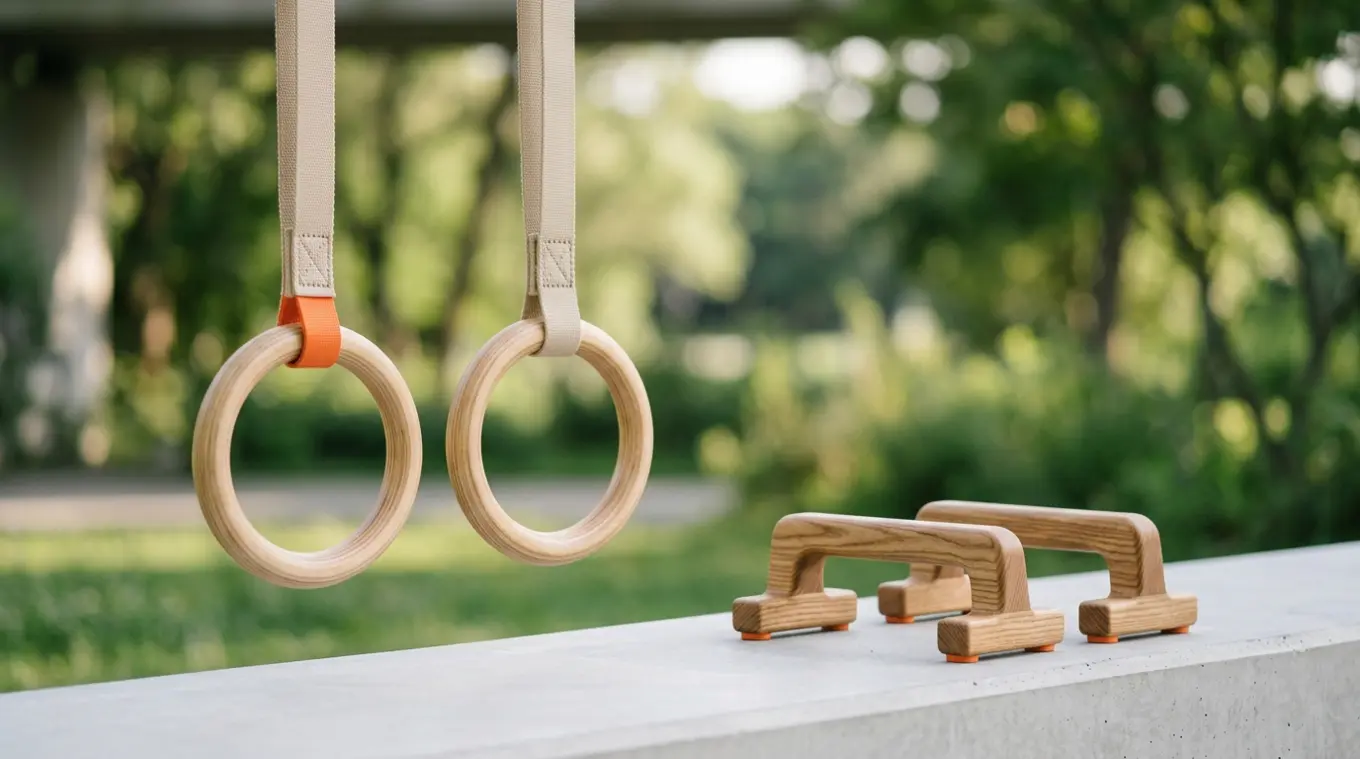
For portable outdoor sessions, wooden rings and compact push-up bars are still fine because you can bring them back inside after training. For permanent installations, I would only recommend wood if you know how to maintain it or if you buy from a company that clearly states outdoor suitability.
What to Look for When Buying Wood Calisthenics Gear
Wood type, finish, and durability
When you compare products, look beyond the phrase solid wood. Hardwood options usually hold up better than cheaper softwood. Birch and beech are common and generally good choices for rings and parallettes. The finish matters too. Lightly sanded or lightly oiled surfaces often give the best balance of comfort and grip.
A finish that is too glossy can reduce traction. A finish that is too rough can irritate the skin. Good brands get this balance right. Cheap products often do not. This is why many athletes end up buying twice after trying the cheapest option first.
If you are considering DIY wood calisthenics equipment or researching how to build a wooden pull-up bar, choose quality timber, smooth all contact points properly, and avoid cutting corners on fasteners. Homemade equipment can work well, but only when the builder respects load forces and movement stress.
Load capacity, stability, and size
This is where buyers should be strict. Load capacity should be clearly listed, and stability should be believable from the design, not just from marketing claims. Wide bases, non-slip feet, strong joints, and quality hardware all matter.
For parallettes, check height, handle diameter, width, and whether they wobble under pressure. For rings, inspect strap quality and buckle reliability as much as the wood itself. For larger stations, measure your ceiling height, wall space, and training clearance before ordering.
Wooden calisthenics equipment safety tips are simple but important. Inspect gear regularly, train on level surfaces, tighten loose parts, and do not exceed the listed load rating. If you are figuring out how to install a wooden pull-up bar safely, use proper studs or structural anchors and follow manufacturer instructions exactly. If you are not sure, get a contractor involved. That is cheaper than an injury.
How to Care for and Maintain Wooden Calisthenics Equipment
Wood needs more upkeep than metal, but with a few simple habits it is easy to keep in great condition. Most wooden rings and parallettes will last for years if treated correctly.
- Wipe it down after training. Sweat and moisture speed up surface wear. A dry cloth after each session makes a real difference over time.
- Re-oil the wood periodically. When the surface starts to look dry or dull, a light application of linseed oil or a similar natural wood oil restores grip quality and helps prevent cracking. Every few months is usually enough for indoor equipment.
- Sand lightly if splinters develop. Fine-grit sandpaper (around 220 grit) smooths rough spots quickly. Follow up with a thin oil application afterward.
- Store indoors and away from moisture. Even sealed wood will degrade faster in a damp garage or near humidity. Indoor storage is always the better option.
- Inspect hardware before each session. Screws, bolts, and ring straps should be checked regularly. Tighten anything that has worked loose before you train, not after.
With basic care, quality wooden calisthenics equipment holds up well and maintains its grip feel across many months of consistent use.
Best Wood Calisthenics Equipment Picks Right Now
If you want a short practical answer, the best wood calisthenics equipment for most people is usually one of these three categories: wooden rings, low to mid height parallettes, and a stable pull-up solution paired with wooden accessories.
For beginners, I would start with wooden rings. They are versatile, affordable, and easy to store. For handstand and push-focused training, wooden parallettes are the better first buy. For a more complete setup, combine rings with a quality pull-up bar and add parallettes later.
In terms of brand recommendation, Gornation stands out because their equipment is made for actual calisthenics progression, not just casual home fitness. Their wooden rings are a safe recommendation for almost anyone. Their wooden parallettes are especially strong if you care about grip, non-slip support, and clean build quality.
If you are still comparing options, marketplace products can be okay for light use, but quality control is mixed. I would rather buy fewer pieces and get equipment I trust than fill a room with gear I second-guess every session.
Who Is Wooden Calisthenics Equipment Best Suited For?
Wooden gear is a great fit for athletes who train at home, care about grip comfort, and want equipment that feels better in the hands during repeated use. It is especially good for rings, push-up bars, and parallettes where hand contact is constant.
Beginners benefit because wood often feels less intimidating and more comfortable. Intermediate athletes benefit because longer sessions and skill practice become more enjoyable. Advanced athletes benefit because details like grip confidence and wrist comfort start to matter even more as volume and intensity rise.
That said, wooden equipment is not always the best choice for every situation. If you need a permanent outdoor setup, heavy commercial use, or a freestanding station that lives on a patio year round, metal often makes more sense. The best choice depends on where you train, what you train, and how much maintenance you are willing to do.
Frequently Asked Questions About Wood Calisthenics Equipment
A lot of athletes ask whether wood is just a design trend. From my experience, no. Good wooden equipment changes how training feels, especially on rings and parallettes. The difference is not magic, but it is real. Better grip, better comfort, and a more natural surface can absolutely improve your sessions.
The key is buying the right type for your goals. If you want the most versatile option, get wooden rings. If you want a wrist-friendly push and skill tool, get wooden parallettes. If you want a full home gym look, build around those pieces and add a solid pull-up bar or station from a trusted brand.
Final Thoughts
Wood calisthenics equipment is not just about looks. When it is made well, it gives you better grip, a more natural training feel, and a setup that fits home training really well. For most people in the US, the smartest place to start is with wooden rings or parallettes, then expand only if your training actually needs more. If you want dependable quality, Gornation is one of the brands I would confidently put on the shortlist. Choose gear that matches your space, your level, and your goals, and you will get much more value from every workout.
FAQs
Is wooden calisthenics equipment better than metal?
It depends on the use. For rings and parallettes, wood usually feels better in the hands and offers a warmer, grippier surface than metal. For permanent outdoor structures or heavy commercial use, metal is often the more durable option.
What is the best wooden calisthenics equipment for beginners?
Wooden gymnastic rings are usually the best starting point. They are versatile, affordable, easy to store, and useful for rows, push-ups, dips, and pull-up progressions. Wooden parallettes are also excellent if your focus is push strength or handstand work.
Can wooden calisthenics equipment be used outdoors?
Yes, but only with care. Wood can be damaged by rain, sun, and moisture over time. Portable gear like rings and push-up bars can work outdoors if you bring them back inside afterward. Permanent outdoor wood setups need proper sealing and regular inspection.
How do I know if wooden parallettes are stable enough?
Check the listed load capacity, base width, feet material, and how the joints are built. Good parallettes should feel solid under bodyweight without rocking or twisting. Reviews can help, but a trusted calisthenics brand is usually the safer bet than a generic seller.
Is DIY wood calisthenics equipment safe?
It can be, but only if it is built correctly. The wood quality, fasteners, dimensions, and installation all matter. DIY projects like ring handles or a wooden pull-up bar should never be guesswork. If you are unsure about structural safety, buying tested equipment is the smarter choice.