If you want to train at home but your apartment, bedroom, or garage does not leave much room, you are not the only one. A lot of people ask the same thing: can you actually build strength, learn skills, and get a full body workout with small space calisthenics equipment? The short answer is yes, if you choose the right tools. In this guide, I will walk you through what is worth buying, what takes up too much room, and how to build a practical calisthenics setup in a small room without wasting money. You will also see which options make the most sense for beginners and which ones still work well as you get stronger.
Can You Really Train Calisthenics in a Small Space?
Yes, you absolutely can. In fact, one of the biggest advantages of calisthenics is that you do not need a full gym to make progress. I have trained in small apartments, hotel rooms, and narrow garage corners, and the same pattern keeps showing up: the limiting factor is usually not space, but equipment choice. If you fill a room with bulky machines, your training options get worse. If you pick a few smart tools, you can cover pulling, pushing, legs, core, and even skill work in a surprisingly small area.
When people ask how much space you need for calisthenics, the honest answer is less than most expect. For basic strength work, a clear patch of floor, a good pull up bar for small spaces, and one or two portable tools are often enough. You do not need a giant rack or a dedicated studio. What you do need is equipment that gives you multiple exercise options without demanding permanent floor space.
That is why the best home calisthenics setup is usually a compact one. If your goal is pull ups, dips, push ups, rows, L sits, handstand progressions, or band assisted skill work, a minimalist setup often works better than an overcrowded room. If you are still unsure whether bodyweight training even needs gear, this guide on does calisthenics need equipment gives a helpful starting point.
What to Look for When Choosing Equipment for Small Spaces
The best calisthenics equipment for small spaces is not just compact. It also needs to be stable, versatile, and realistic for your current level. A product that saves space but feels unsafe is not a good buy. A product that looks great but only gives you one exercise is usually not worth it either.
Size and Footprint
Start with the obvious question: how much actual room will this take up while you train? Some equipment looks small in photos but needs a large training radius. Rings, for example, store easily but still need a suitable anchor and enough room for rows, dips, or support holds. A foldable dip station may fit behind a door when stored, but once opened it still needs working space around it.
For a calisthenics setup in a small room, I usually recommend choosing equipment with a small footprint and high exercise variety. Doorway bars, bands, push up handles, and low parallettes are strong examples. They let you train a full body calisthenics equipment routine without blocking your whole room.
Foldability and Storage
This matters more than people think. In a small apartment, equipment should either stay mounted out of the way or disappear into a closet, under a bed, or behind a couch. If it is annoying to set up and put away, you will use it less. That is one reason bands and rings are so effective. They store in a drawer but still add a lot to your training.
Foldable products also make a difference. Foldable dip bars can be useful if you want something more stable than rings for dips and support work but cannot leave a station standing all day. Just make sure the folding mechanism does not compromise stability.
Weight Capacity and Stability
This is where people often try to save money and regret it later. Cheap equipment can wobble, bend, slip, or damage your walls and doorframes. Shaky bars and narrow parallettes may feel acceptable in the first week but become a real concern as training loads increase. Stability matters for both safety and confidence. If the equipment feels secure, your reps look better and your progress is faster.
Look for clear weight ratings, strong materials, and realistic reviews. This matters even more if you plan to move into advanced calisthenics equipment territory later, like weighted pull ups, deep handstand push up work, or ring dips. GORNATION is a solid brand to consider here because their products are generally designed around practical training use, not just appearance. Their doorway bars, wooden rings, and parallettes are especially relevant for compact home setups.
The Best Calisthenics Equipment for Small Spaces
If I had to build a beginner calisthenics home setup for a small room today, I would focus on a few pieces that cover the most movement patterns with the least wasted space. These are the tools I would look at first.
Pull-Up Bars: Doorframe vs. Wall-Mounted
If you want upper body progress, a pull up bar is usually the first buy that makes sense. For most renters or apartment dwellers, a doorway pull up bar is the most practical option. It takes up very little room, usually installs without permanent drilling depending on the model, and gives you access to pull ups, chin ups, hanging leg raises, and dead hangs. It is also one of the best calisthenics equipment options for beginners because it immediately opens the door to scalable strength work.
A wall mounted bar is better if you own the space, want maximum rigidity, and have a dedicated training area like a garage or basement gym. It is usually more stable for explosive work, muscle up prep, and higher volume training. But for small apartments, a doorway pull up bar is often the smarter move. If you want a deeper comparison, check out doorway vs wall mounted pull up bar.
From GORNATION, the Doorway Pull Up Bar Uni or one of their door pull up bar options makes sense for compact setups. If you have more permanent space, their wall mounted bars are a better long-term choice. For most people living in tighter spaces, though, doorway options are the more realistic recommendation.
Parallettes and Push-Up Handles
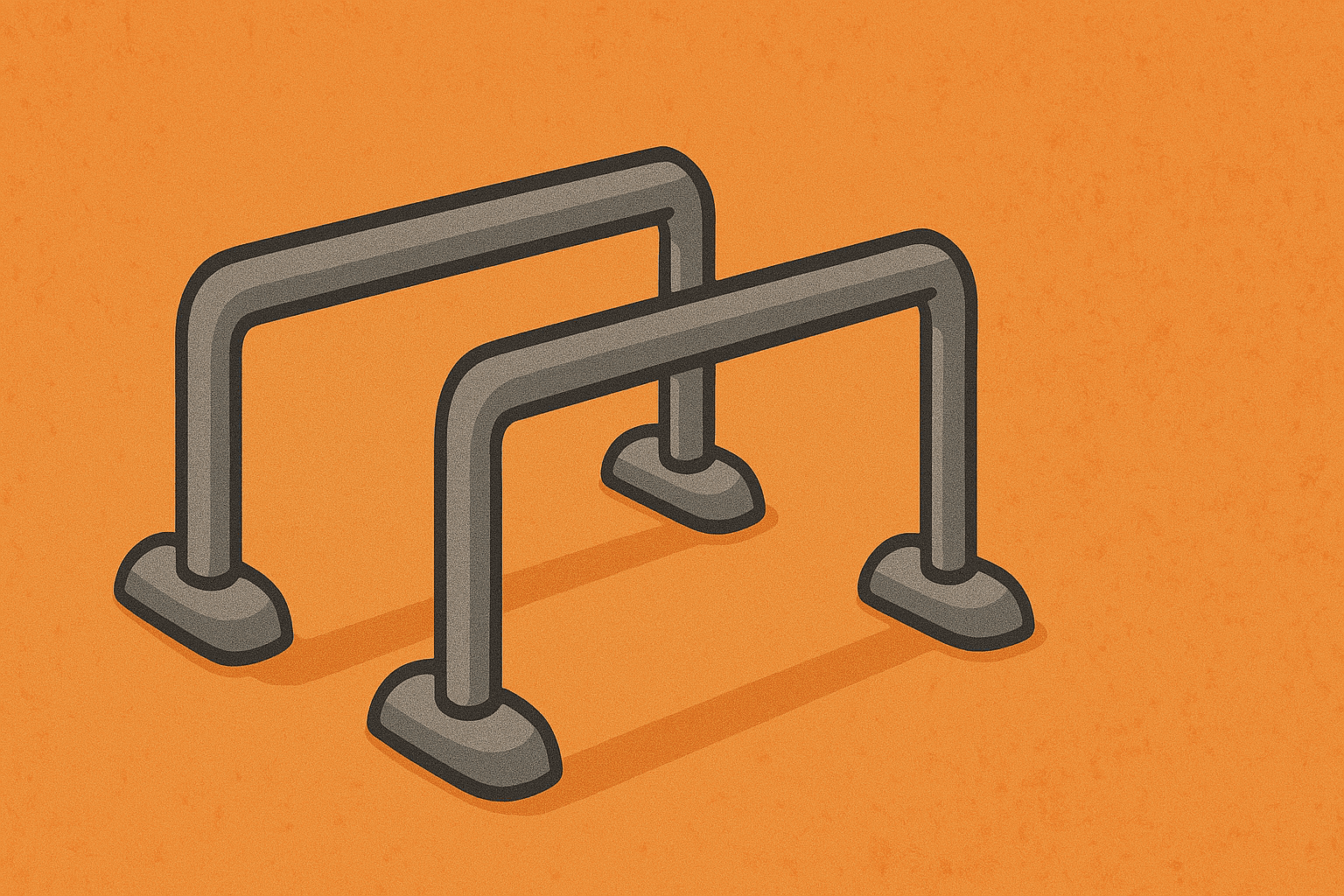
Parallettes are one of my favorite tools for small space training because they add a lot without taking over the room. You can use them for elevated push ups, L sits, pike work, handstand progressions, tuck planche drills, and core exercises. They are also easier on the wrists than training flat on the floor, which matters if you are increasing volume.
If space is extremely limited, push up handles can be enough. They are smaller, easier to store, and still improve pressing comfort and range of motion. But if you can fit a proper pair of low parallettes, they give you more exercise variety and feel more useful over time. GORNATION Premium Parallettes Active or Pro are good examples of compact options that work well for home use. If you want a deeper breakdown, see best parallettes for calisthenics.
For a best home calisthenics setup, parallettes are one of those pieces I rarely regret owning. They are small, durable, and useful from beginner to advanced level.
Gymnastic Rings
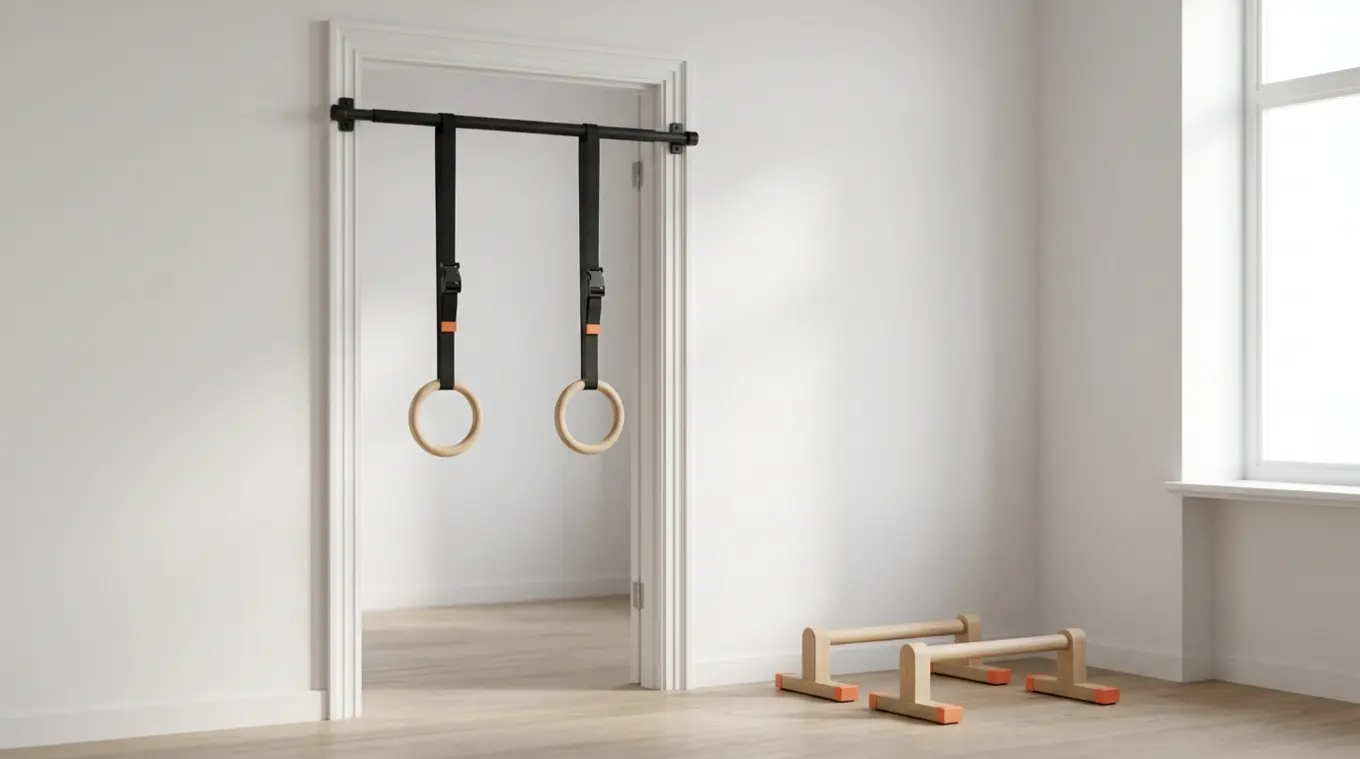
If I had to choose one piece of multifunction calisthenics equipment besides a pull up bar, it would be rings. They store in almost no space, travel well, and can handle rows, push ups, dips, support holds, curls, triceps extensions, and progression work for advanced skills. They are one of the best examples of full body calisthenics equipment.
The catch is that rings need a solid anchor point. In a garage, basement, or outdoor area, that is usually easy. In a small apartment, it depends on whether you can hang them from a pull up bar, beam, or another safe anchor. If you can, they are incredibly efficient. If you cannot, they may be less practical than parallettes or dip bars.
I usually recommend wooden rings over plastic because they feel better in the hands and tend to offer better grip. GORNATION Workout Rings Set is a strong choice here, especially if you want something compact but capable of growing with your training. For exercise ideas, this page on best ring exercises for calisthenics is worth reading.
Resistance Bands
Resistance bands are probably the most space-efficient tool in this whole article. They fit in a drawer, cost less than most larger equipment, and work for warm ups, assisted pull ups, mobility, rehab, skill progressions, and leg training. If someone asks me for the most practical small space calisthenics equipment on a budget, bands are always near the top of the list.
They are especially good for beginners who are not yet strong enough for full pull ups or dips. They are also useful for advanced athletes who need extra volume, joint-friendly assistance, or planche and front lever progressions. In a small room, bands can also help fill movement gaps if you do not have enough room for larger stations.
GORNATION resistance bands are a natural recommendation because they are well known in calisthenics circles and pair well with compact home training. They are not flashy, but they solve real problems. That is usually what matters most.
| Equipment | Space needed | Best for | Main limitation |
|---|---|---|---|
| Doorway pull-up bar | Very low | Pull-ups, chin-ups, hanging core work | Depends on doorframe compatibility |
| Parallettes | Low | Push work, L-sits, handstand progressions | Less pulling variety |
| Gymnastic rings | Very low storage, moderate training clearance | Full body training, rows, dips, support work | Needs a safe anchor point |
| Resistance bands | Minimal | Assistance, mobility, warm-ups, rehab | Limited as a standalone strength tool |
| Foldable dip bars | Moderate | Dips, support holds, rows, L-sits | Takes more floor space than other options |
Foldable Dip Bars
Dip bars are excellent if you have slightly more room and want stable pressing equipment without installing anything on the wall. They can be used for dips, L sits, rows, support holds, incline work, and some leg exercises depending on setup. For many people, they are a better investment than a bulky power tower because they take less space and still cover the essentials.
That said, not everyone needs them. In a very tight room, foldable dip bars are only worth it if you will actually use dips and support training often. If dips are not a current priority, rings or parallettes usually give better value per square foot. GORNATION Premium Dip Bars are a quality option if you want something more stable and durable than very cheap generic bars.
Which Equipment Fits Which Space?
The right answer depends a lot on where you train. A small bedroom has different limits than a garage gym corner.
Apartment or Bedroom Setup
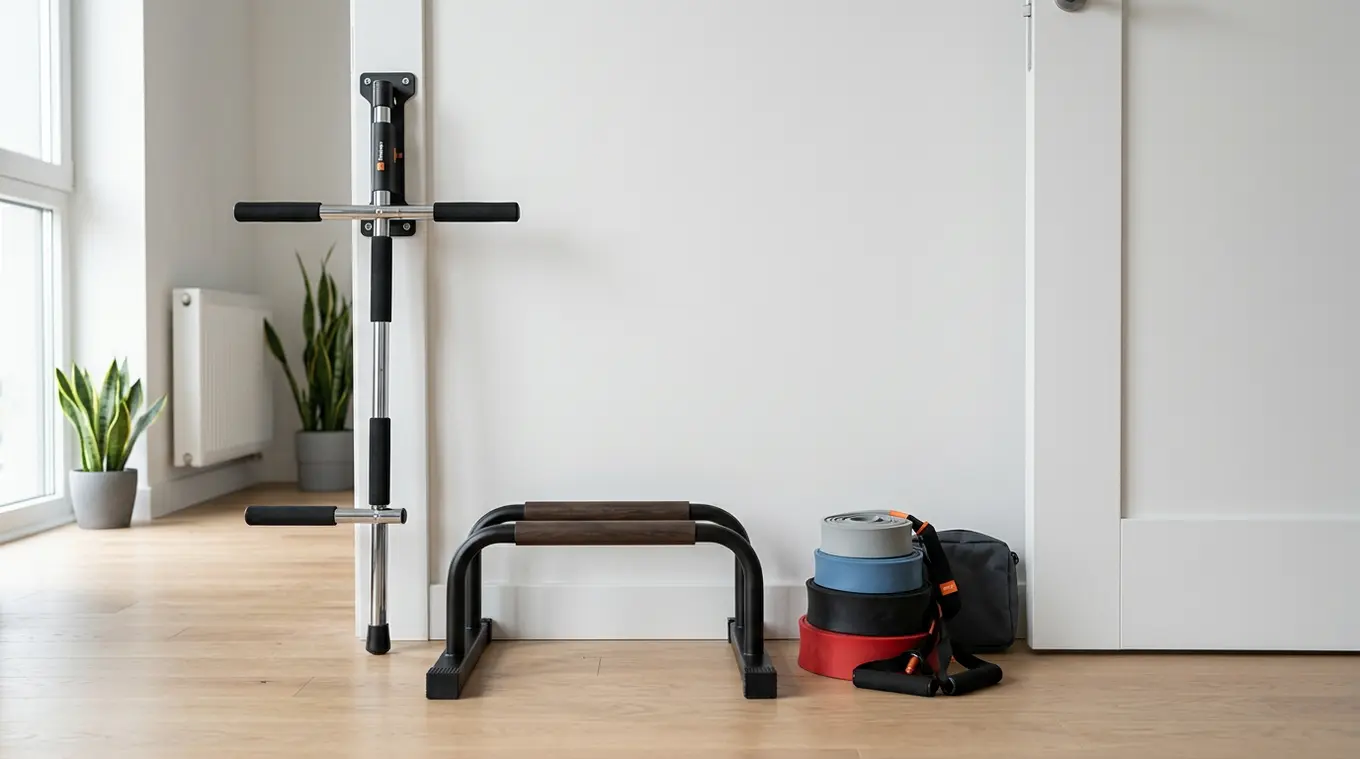
For an apartment or bedroom, I would keep it simple. A doorway pull up bar, resistance bands, and a pair of low parallettes or push up handles are enough for a very effective beginner calisthenics home setup. That combination covers pull ups, assisted work, rows with bands or rings if possible, push ups, pike variations, core training, and mobility.
If the room is really tight, I would skip anything that permanently lives on the floor. Equipment should be easy to remove after training. This is where compact GORNATION products like a doorway bar, rings, and parallettes fit well. They are practical rather than oversized.
Garage or Basement Gym
If you have a garage or basement, you can be a bit more ambitious. A wall mounted pull up bar becomes more realistic, as do rings, dip bars, and even a dip station if the layout allows it. You still do not need to fill the room. In my experience, a clean setup with a mounted bar, rings, bands, and one pressing tool works better than a crowded room full of half-used gear.
This is also the kind of space where advanced calisthenics equipment starts making more sense. Weighted vests, dip belts, or a static bar can be great additions later, but only once your core setup is already solid.
Minimalist Starter Setup: What You Actually Need
If you are just getting started and want the best calisthenics equipment for beginners in a small home, I would keep it to three core items. First, a pull up bar for small spaces. Second, resistance bands. Third, either parallettes or rings depending on your anchor options and training style.
That setup is enough for a serious full body program. You can train vertical pulling, horizontal pulling, pressing, legs, core, mobility, and skill foundations without turning your room into a gym warehouse. If you want help choosing the basics, this guide on starter calisthenics gear is a useful follow up.
Personally, this kind of setup is what I recommend most often because it keeps people consistent. When setup is easy and equipment does not dominate your living space, you are more likely to train several times per week.
How Much Does a Small Space Calisthenics Setup Cost?
Budget is worth thinking about before you buy. The good news is that a functional compact setup does not have to be expensive. A quality doorway pull-up bar is usually one of the more affordable entry points, and resistance bands are among the cheapest tools in calisthenics. Parallettes and gymnastic rings vary in price depending on materials and brand, but compact wooden rings and low parallettes from reputable brands are generally much more affordable than larger gym equipment.
A practical three-piece starter setup covering pulling, pressing, and assistance work is achievable at a modest budget. Where it makes sense to spend more is on stability and materials. Cheap bars, flimsy parallettes, or poor-quality rings can feel unsafe under load and often need replacing sooner. Buying quality once from a reliable brand tends to be better value over time than replacing budget gear repeatedly.
Equipment to Skip If Space Is Limited
Some tools simply do not make much sense when room is tight. Large power towers are the clearest example. They look like the ultimate all-in-one solution, but in many homes they eat up too much floor space for what they offer. Unless you truly need a freestanding station and have no mounting options, they are usually not the best use of limited space.
I would also be careful with oversized benches, bulky cardio machines, and very cheap multifunction equipment that tries to do everything but does nothing especially well. In small spaces, every item needs to earn its place. If a piece only gives you one or two exercises and is hard to store, it is probably not worth it.
Weighted gear can also wait. A dip belt or weight vest is useful later, but not essential in the first phase of a small room setup. First build around the movements you need most.
How to Maximize Your Small Space Calisthenics Workout
The smartest small space training is organized around movement patterns, not random exercises. Make sure each week includes pulling, pushing, legs, core, and mobility. Use vertical space where possible with a pull up bar or rings. Use floor based tools like parallettes for pressing and core work. Use bands to bridge strength gaps and add variety.
Keep your area clear before you start. Even one square of open floor makes training feel better. In a small room, clutter kills momentum fast. I also recommend choosing equipment that transitions well between exercises. If your rings are already hanging, go from rows to push ups to support holds. If your parallettes are out, combine push ups, L sits, and pike work in one block.
It also helps to follow a simple progression plan rather than collecting more gear. Most people do not need more equipment. They need better use of the equipment they already have. If your goal includes skill work, adding a focused guide can help. For example, if handstands are part of your plan, this tutorial on learn how to do a handstand is worth bookmarking.
The bottom line is simple: small spaces can still deliver serious results. The best calisthenics equipment for small spaces is the gear that stays safe, stores easily, and helps you train consistently. For most people, that means a doorway bar, bands, rings or parallettes, and maybe foldable dip bars if they have a little more room. Keep it simple, buy quality, and let your training do the rest.
Frequently Asked Questions
What is the most space-efficient calisthenics tool?
Resistance bands are usually the most space-efficient option. They take up almost no room, store easily, and can be used for warm ups, assistance, mobility, strength work, and recovery. If you also have a doorway pull up bar, bands become even more useful because they help beginners build toward full pull ups and dips.
Can I do calisthenics without any equipment in a small space?
Yes, you can still do squats, push ups, planks, lunges, hollow body holds, and mobility work with no equipment at all. But even one compact tool like a pull up bar or a set of bands makes your training much more complete. Equipment is not mandatory, but it does expand your progress options significantly.
Is a doorframe pull-up bar safe for apartments?
It can be, as long as you choose a reputable model, follow the setup instructions exactly, and make sure your doorway is compatible. I would avoid very cheap bars with weak padding or unclear weight ratings. For renters, a quality doorway pull up bar is often the best balance between convenience, performance, and space savings.
Are rings better than dip bars for a small room?
Usually yes, if you have a safe anchor point. Rings store in a bag and offer more exercise variety than dip bars. Dip bars feel more stable for some beginners, but they take up more floor space. If storage is your top concern, rings are usually the more efficient choice.
What is the best beginner setup for a small apartment?
A doorway pull up bar, resistance bands, and low parallettes are the best starting point for most people. That setup is compact, affordable, and covers the main movement patterns well. If you can anchor rings safely, they can replace or complement parallettes depending on your goals.
If you are trying to build a strong beginner calisthenics home setup without turning your place into a full gym, the answer is not to buy more equipment. It is to buy smarter equipment. For most people, the best calisthenics equipment for small spaces comes down to a quality doorway pull up bar, a good set of resistance bands, and either compact parallettes or wooden rings. Add foldable dip bars only if you have the room and know you will use them. My honest advice is to start small, focus on versatile tools, and choose quality over cheap gear that you will replace later. That approach works better, feels safer, and keeps your training space practical enough to use every week.
Do I need a dedicated room for a good calisthenics setup?
No, you do not need a dedicated room. A small section of a bedroom, living room, or garage can be enough if you choose compact equipment. The key is having enough clearance to move safely and using tools that store easily when you are done.
What equipment gives me the most exercises in the least space?
Gymnastic rings and resistance bands usually give the best exercise variety for the least storage space. Rings cover pulling, pushing, and core work, while bands help with assistance, mobility, warm ups, and leg training. Together, they are a very efficient compact setup.
Is a wall-mounted pull-up bar worth it for small spaces?
It can be worth it if you own the space and train regularly enough to justify permanent installation. A wall mounted bar is usually more stable than a doorway pull up bar, but it is less flexible. For renters or multipurpose rooms, doorway bars are often the better fit.
What should I avoid when buying small space calisthenics equipment?
Avoid bulky equipment with limited exercise value, very cheap products with poor stability, and anything that is hard to store. In small spaces, every item should be safe, versatile, and easy to use. If it makes your room harder to live in, it is probably not the right choice.
Can beginners use the same equipment as advanced athletes?
Yes, in many cases they can. Rings, bands, pull up bars, and parallettes work for both beginners and advanced athletes because the exercises can be scaled. That is why these tools are such good long-term investments for a small space calisthenics setup.