Have you ever jumped on a pull up bar, felt your hands start to slide, and wondered if a simple layer of tape would actually help? That is a common question, especially if you train in a humid garage, at a public park, or on a smooth home bar that feels more slippery than secure. In this guide, I will walk you through why use grip tape on a pull up bar, when it helps, when it does not, and how to apply it properly. You will also see how grip tape compares with chalk, grips, and bare metal so you can choose what makes sense for your training.
What Is Grip Tape and Why Do People Put It on a Pull Up Bar?
Grip tape is a wrap that goes around the pull up bar to improve hand contact. In calisthenics, it is usually made from cloth-based sports tape or a textured material that adds friction and absorbs some moisture. People use it because a bar that looks fine can feel very different once your palms get sweaty. A slick powder-coated bar, an old outdoor bar with worn paint, or a thick bar with little texture can all make pulling feel less secure.
In practical terms, grip tape for calisthenics bar setups is meant to make the surface easier to hold. That can matter for strict pull ups, chin ups, toes-to-bar, and especially more dynamic work like kipping or a tape for muscle up bar use. I have trained on bars that felt almost perfect with bare hands and others that became frustrating after two sets. On the wrong surface, your grip gives out before your back and arms do. That is usually the point where people start looking into tape.
Not every tape feels the same, though. Cloth tape tends to feel more natural and less aggressive on the skin. Rubber-style tape can feel tackier but sometimes gets too soft, too sticky, or uncomfortable over longer sessions. That is why cloth tape vs rubber tape for pull up bar setups is an important comparison before you buy anything.
The Main Benefits of Using Grip Tape on a Pull Up Bar
The main reason athletes ask about the benefits of grip tape on pull up bar training is simple. They want a more secure hold without overcomplicating things. A good wrap can make a cheap or average bar feel much better, and that can improve the quality of your reps right away.
Better Grip and Less Slipping
This is the biggest benefit. Grip tape increases friction between your hand and the bar, which helps reduce sliding. If your bar gets sweaty fast or has a smooth coating, the difference can be obvious from the first set. On high rep pull ups, dead hangs, and muscle up practice, even a small reduction in slip makes your training feel more controlled.
For many athletes, the best grip tape for pull up bar use is not the roughest option. It is the one that gives reliable traction without tearing your skin up. That is why I usually recommend a cloth-based sports tape first. A product like the Gornation Grip Tape is a solid example because it is made for bars, rings, and parallettes rather than random general use. It gives more hold without making the bar feel overly harsh.
Reduced Hand Pain, Blisters, and Callus Formation
Some people assume tape always makes bars rougher, but the right tape can actually make training more comfortable. A badly coated metal bar or one with uneven wear can create hot spots that chew up your hands. Grip tape can smooth out that experience and reduce the constant rubbing that leads to blisters and thick calluses.
This is one of the most underrated aspects of grip tape on pull up bar setups. People focus on grip but forget comfort. If the tape is too abrasive, wrapped badly, or starts peeling, it can create more skin issues instead of fewer. So yes, tape can help your hands, but only when the material and wrapping are done well.
More Confidence in Your Movement
Confidence matters more than people think. If you do not trust your hands on the bar, your reps get hesitant. You pull less explosively, your transition for muscle ups feels awkward, and your swing becomes less efficient. When the bar feels secure, you move more naturally.
I have noticed this most with skill work. On a reliable taped bar, you commit more fully to the pull and transition. That does not magically increase strength, but it removes doubt. And once doubt is gone, performance usually improves a bit because your effort becomes more direct.
Does Grip Tape Actually Improve Pull Up Performance?
Yes, but in a very specific way. Grip tape does not make you stronger. It does not replace good pulling mechanics or grip strength work. What it can do is reduce grip loss as the limiting factor. If your hands are slipping before your lats, upper back, and arms are truly fatigued, then tape may help you get more quality reps.
That is why the answer to why use grip tape on a pull up bar often depends on what is stopping your set. If your forearms are weak, tape is not the full solution. If the surface is the issue, tape can make a real difference. On muscle ups, chest to bar pull ups, and higher rep sets, that difference is often more noticeable than on a single strict pull up.
From experience, tape helps most on bars with poor texture. On a good knurled or raw steel bar, the gain is usually smaller. On a slick gym or home bar, it can be significant. If you train weighted pull ups and want every rep to feel stable, improving hand contact can also help you stay tighter throughout the movement. For broader gear ideas, this guide on best calisthenics accessories is worth a look.
Grip Tape vs Chalk: Which One Works Better for Pull Ups?
The grip tape vs chalk for pull ups debate comes down to environment and preference. Chalk mainly helps by reducing moisture. Tape changes the bar surface itself. If your problem is sweaty hands on an otherwise decent bar, chalk may be enough. If the bar is smooth, too thick, worn out, or awkwardly coated, tape often works better because it fixes the contact point directly.
Chalk is also easier if you train in different places and cannot modify the bar. In a commercial gym, you may not be allowed to tape anything. In that case, liquid chalk or gymnastic grips make more sense. If you want a deeper comparison, check this article on liquid chalk vs block chalk for calisthenics.
Compared with gymnastic grips, tape is less personal but more universal. Grips travel with you. Tape stays on the bar. That makes grip tape vs gymnastic grips for pull ups a matter of context. For your own home station, tape is convenient. For public bars or gyms, grips are often the more practical option.
My honest take is this. If you own the bar, tape is often the cleanest long term fix. If you do not own the bar, start with chalk or grips first.
When You Don’t Need Grip Tape on Your Pull Up Bar
Not every bar needs tape, and not every athlete benefits from it. If your bar already has a great texture, your hands stay relatively dry, and you feel stable through your sets, adding tape may just create extra maintenance. It can also slightly change the diameter of the bar, which some people dislike for longer hangs or smaller hands.
| Option | Best for | Main advantage | Main downside |
|---|---|---|---|
| Grip tape | Home bars with smooth or slippery surfaces | Improves bar texture and traction directly | Needs maintenance and can leave residue |
| Chalk | Sweaty hands on an otherwise decent bar | Reduces moisture quickly | Does not fix a poor bar surface |
| Gymnastic grips | Gyms, parks, and places where you cannot modify the bar | Portable and practical across locations | Less natural hand feel for some athletes |
| Bare metal bar | Bars that already have good texture | No setup required; trains grip strength naturally | Can become slippery or uncomfortable on smooth bars |
This is where the question of whether grip tape is bad for a pull up bar comes in. It is not usually bad, but low quality tape can leave sticky residue or wear unevenly over time. Cheap tape can peel, bunch up, and make the bar feel worse than before. So if your current setup already works well, there is no need to fix a problem you do not have.
I would also skip tape if you are specifically trying to build grip strength on a normal metal surface for competition or outdoor carryover. In that case, training directly on the bar may be more specific and useful.
Home vs Gym Pull Up Bar: Does the Location Change Anything?
Yes, quite a bit. On a home bar, you control the setup, maintenance, and tape quality. That makes grip tape a much more attractive option. If your doorway, wall-mounted, or freestanding bar feels too slick, wrapping it once can improve every session after that. This is especially useful in garages, basements, and outdoor home setups where humidity changes throughout the year.
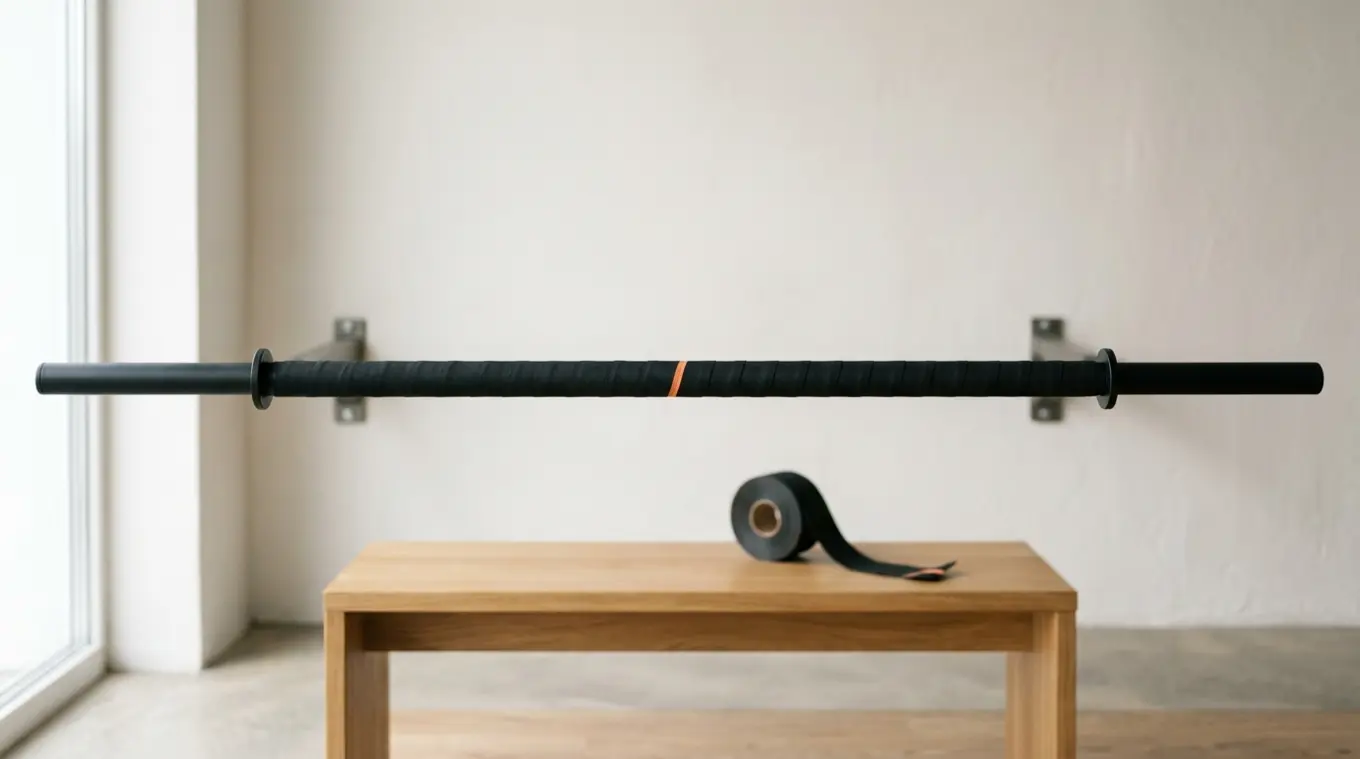
In a gym, the situation is different. You may not be allowed to apply anything to the equipment, and even if you can, the tape wears faster because many people use it differently. Public bars also collect more sweat and chalk, so tape can get dirty quickly.
For outdoor parks, tape can be helpful but it is less predictable. Weather, temperature, and moisture all affect how it feels. Some athletes prefer to keep outdoor bars bare and use grips instead. If you are still choosing your setup, this guide to the best pull up bar for calisthenics can help you start with a better surface in the first place.
How to Wrap Your Pull Up Bar with Grip Tape
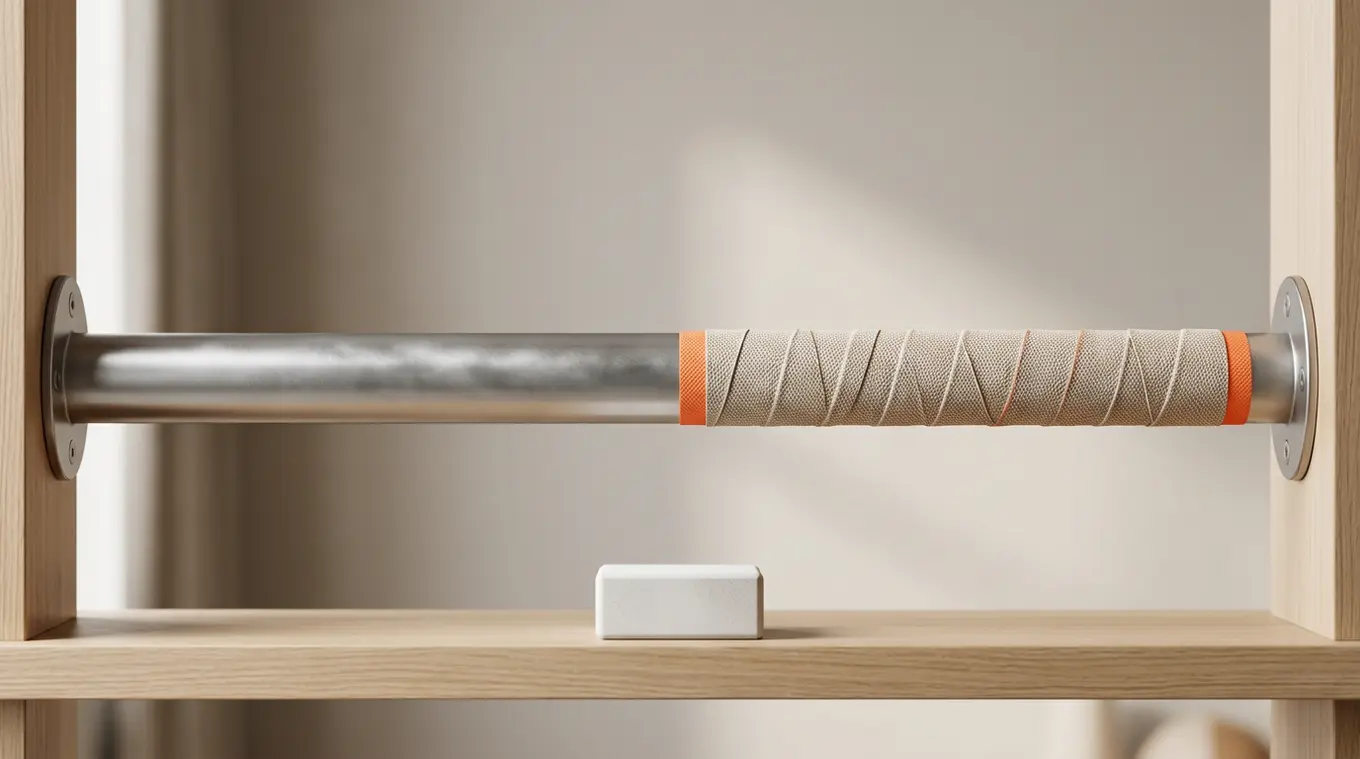
If you want to know how to wrap grip tape on a pull up bar, keep it simple. Clean the bar first so the tape sticks well. Start at one side of the grip area and wrap with light overlap, keeping even tension as you move across. Do not stretch it too hard or leave gaps. A smooth, consistent wrap always feels better than a rushed one.
For how to tape a pull up bar for better grip, focus on the parts where your hands actually sit. Most people do not need to wrap the entire bar. Just cover the common pull up and chin up positions. If you do muscle ups, make sure the transition area feels smooth and does not have raised tape edges.
A few practical tips help a lot:
-
Use a cloth-based tape if you want a more balanced feel.
-
Avoid thick overlapping layers that make the bar too wide.
-
Replace the tape once it becomes glossy, dirty, or starts peeling.
For a dedicated bar setup, Gornation Grip Tape is a smart option because it is designed for repeated training use and works well on pull up bars, rings, and parallettes. If your training includes explosive pulling, that kind of purpose-built tape is usually a safer choice than generic hardware store tape.
How to Remove Grip Tape from a Pull Up Bar
At some point, the tape will need to come off, whether it is worn out, dirty, or you simply want to replace it. Removing it cleanly matters because leftover adhesive can make the bar feel sticky and harder to re-tape properly.
Start by peeling the tape back slowly at a low angle rather than pulling it straight off. This reduces the chance of leaving a thick layer of residue behind. On most bars, the tape comes off in one piece if it is not too old. If it has been on for a long time or dried out, it may tear into smaller sections, which takes a bit more patience.
For any adhesive residue left on the bar, a cloth with a small amount of isopropyl alcohol usually removes it cleanly. Let the bar dry fully before applying fresh tape. Avoid soaking the bar or using harsh chemicals on painted or coated surfaces, as these can damage the finish.
Should You Use Grip Tape on Your Pull Up Bar? The Honest Answer
If your hands slip on the bar, yes, grip tape is absolutely worth considering. It can improve traction, reduce distraction, and make pull ups and muscle ups feel more secure. That is the strongest answer to why use grip tape on a pull up bar. It helps when the surface is the limiting factor.
But it is not automatic. If your bar already feels great, or if you train in places where you cannot modify the equipment, chalk or grips may be better. The best choice depends on the bar surface, your sweat level, your training style, and whether you own the equipment.
My practical advice is to treat tape as a tool, not a requirement. If your home bar feels too smooth or inconsistent, try a quality cloth tape first. If you want a dedicated product, Gornation Grip Tape is one of the more sensible choices because it is built for calisthenics use rather than random sports applications. If the bar is already good, keep it simple and train as is.
In the end, the real goal is not just more friction. It is better training quality. If tape helps you hold the bar with more comfort and confidence, then it is doing its job.
Final Thoughts
Grip tape can be a simple upgrade that makes a pull up bar feel safer, more comfortable, and more reliable, especially on smooth or sweaty setups. It will not replace strength or technique, but it can remove slipping as the weak link in your training. If you own your bar and keep losing grip before your pulling muscles are done, trying tape makes sense. If not, chalk or grips may be enough. Keep it practical, choose a tape that feels good on your hands, and only use it when it genuinely improves your sessions.
Frequently Asked Questions
What is the best grip tape for a pull up bar?
The best grip tape for pull up bar use is usually a cloth-based sports tape that balances grip, comfort, and durability. It should improve traction without feeling overly rough on your hands. For calisthenics, purpose-built options like Gornation Grip Tape are often a better choice than generic tape because they are designed for bars and repeated training.
Is grip tape bad for a pull up bar?
Grip tape is not usually bad for a pull up bar, but low quality tape can leave sticky residue or wear unevenly over time. It can also trap dirt if you never replace it. On your own home bar this is manageable, but in shared gyms it may create maintenance issues and is sometimes not allowed.
Should I use grip tape or chalk for pull ups?
If the main issue is sweaty hands, chalk is often enough. If the bar itself is too smooth or poorly textured, grip tape usually helps more because it changes the contact surface. Many athletes use both depending on the setting. At home, tape is convenient. In gyms or parks, chalk or grips may be the more practical option.
How often should you replace grip tape on a pull up bar?
You should replace grip tape when it becomes glossy, starts peeling, feels dirty, or no longer improves grip. How long it lasts depends on training frequency, sweat, and whether the bar is indoors or outdoors. For regular home use, checking it every few weeks is a good habit so performance and comfort stay consistent.
Does grip tape help with muscle ups as well as pull ups?
Yes, grip tape can help with muscle ups, especially if you lose confidence during the pull or transition because the bar feels slippery. A secure surface makes explosive pulling feel more predictable. That said, the wrap needs to be smooth and even. Poorly applied tape can create edges that feel awkward during fast, dynamic movements.