If you are trying to choose between a chain dip belt and a rope dip belt, you are probably asking the same thing most lifters ask once weighted dips and pull ups get serious: which one actually feels better, holds more securely, and makes training easier? I have used both styles for weighted calisthenics and streetlifting, and the difference is more noticeable than many people expect. In this guide, I will break down comfort, adjustability, durability, safety, and value so you can pick the best dip belt for your training without wasting money on the wrong setup.
What Is a Chain Dip Belt and What Is a Rope Dip Belt?
Both options do the same basic job. They let you hang extra weight from your waist for exercises like dips, pull ups, chin ups, and even belt squats. The difference is in the material used to connect the weight to the belt. That small detail changes comfort, setup speed, portability, and how the system feels during hard sets.
How a metal chain dip belt works
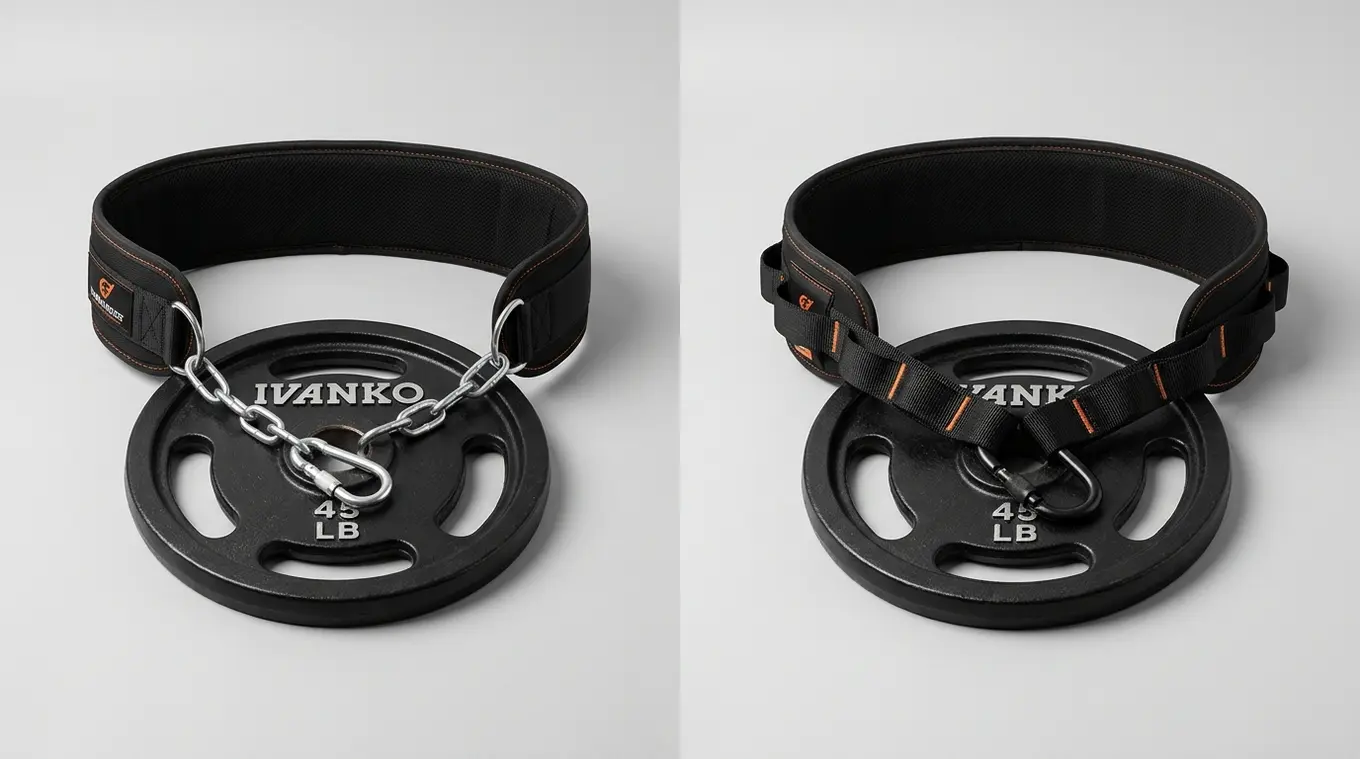
A chain dip belt uses a steel chain threaded through the front of the belt. You loop the chain through a weight plate, then secure it with a carabiner. This is the classic gym setup and still very common. A good heavy duty dip belt with chain feels solid and familiar, especially if you train in commercial gyms where plates have large center holes.
The main advantage is simplicity. A chain is easy to understand, easy to inspect, and usually works well with standard Olympic plates. If you want a traditional weighted dip belt, this is the version most people picture first.
How a rope dip belt works
A rope dip belt replaces the metal chain with a strong textile strap, daisy chain, or reinforced rope system. You still use the same belt around your waist, but instead of hanging weight on steel links, you use a soft looped strap or rope to feed through plates or kettlebells.
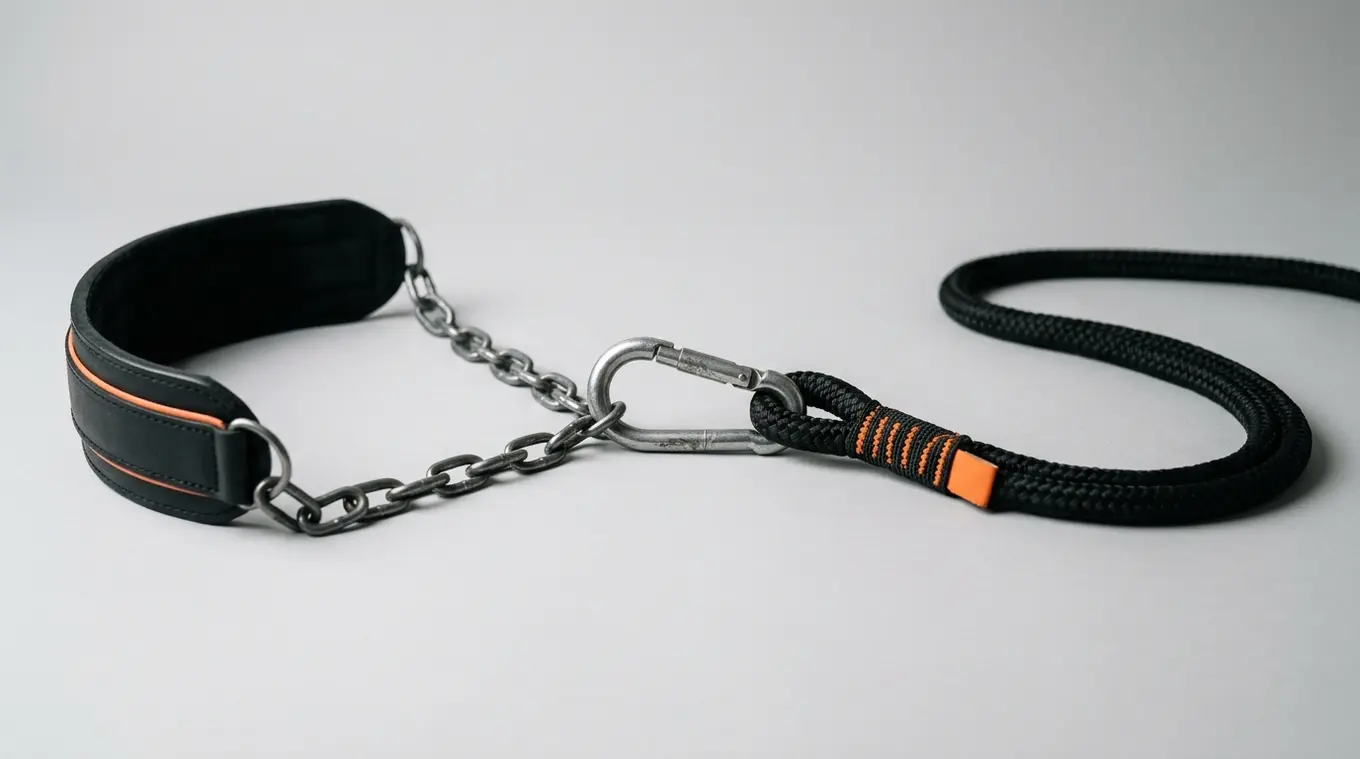
This style has become more popular in calisthenics because it is lighter, easier to pack, and often more comfortable. It also solves a common complaint with chain setups: pinched skin, damaged shorts, and the clunky feel of metal around your legs. A product like the Gornation Dip Belt Rope is a good example of this approach. It is made to replace the chain on a dip belt, weighs very little, and is designed for athletes who want a cleaner setup for weighted calisthenics.
Key Differences Between Chain and Rope Dip Belts
The real comparison starts once you actually train with them. On paper both can hold weight. In practice, they do not feel the same.
Adjustability and weight attachment
A chain dip belt usually gives you fixed adjustment based on where you clip the carabiner into the chain. It works, but it is not always precise. Sometimes the plate hangs too low and swings more than you want. Sometimes it sits too high and gets in the way of your knees during dips.
A rope dip belt often gives you more flexible adjustment because of multiple loops or variable length. That makes it easier to fine tune the hang height based on your exercise and your body size. This matters more than people think. For weighted pull ups, a better hang position can make the movement feel more natural and reduce annoying plate swing.
Another practical point is plate compatibility. If you are wondering how to attach plates to dip belt systems, both styles are simple with standard plates. Rope systems can be even better when you train with smaller plates or kettlebells, because the rope can feed through tighter openings that a bulky chain may struggle with. Some rope products, including Gornation’s Dip Belt Rope, are specifically designed to fit through small plate holes, which is useful for home gyms and calisthenics parks with mixed equipment.
Comfort and fit during dips and pull ups
This is where the biggest difference shows up. An uncomfortable feeling from chain dip belts is one of the most common reasons people switch. Metal can pinch skin, catch clothing, and create pressure points when the plate shifts. That does not make chain belts bad, but it does mean comfort depends a lot on your setup, shorts, belt width, and body position.
A rope dip belt is usually the more comfortable option. The softer material moves better with your body, does not scrape your legs the same way, and is less likely to leave your training clothes worn out over time. In my own training, I noticed this most on higher volume weighted pull ups. On heavy singles, both worked fine. On repeated sets, the rope setup just felt less distracting.
If comfort matters a lot to you, especially during longer sessions, rope has a clear edge.
Durability and Long-Term Use: Which Holds Up Better?
Many people assume metal automatically means more durable dip belt performance. That is partly true, but not the whole story. A quality chain is extremely strong and can last for years. It is hard to argue with steel when pure abrasion resistance is the priority.
That said, modern rope and daisy chain systems are much tougher than most buyers expect. Good ones are tested for very high loads, often far beyond what the average athlete will ever use. For example, Gornation states that its Dip Belt Rope is lab tested up to 250 kilograms at the loops and up to 1000 kilograms end to end. That does not mean you should train recklessly, but it does suggest that a well-made textile system can be a safe and reliable option when used correctly.
The weak point in either system is usually not the advertised max load. It is wear, poor stitching, cheap carabiners, rust, or misuse. Chains can rust or scratch equipment. Textile straps can fray if dragged over rough edges or stored carelessly. So which is the more durable dip belt? For raw material toughness, chain still has the edge. For real world calisthenics use, a premium rope belt can hold up extremely well and often feels better while doing it.
The key is buying quality and checking your gear regularly. Weighted dip belt safety matters more than chasing a huge number on a product page.
How to Inspect and Maintain Your Dip Belt
Whether you use a chain or rope dip belt, regular inspection is the most important safety habit you can build. The article may mention checking your gear, but knowing specifically what to look for makes all the difference.
What to check on a chain dip belt
Look for rust, bent or cracked links, and sharp edges that can catch skin or clothing. Check that the carabiner opens and closes smoothly and locks fully before each session. Replace any link or fastener that looks corroded or deformed, even if it still feels functional.
What to check on a rope dip belt
Inspect the stitching and loops for fraying, cuts, or signs of wear. Pay close attention to where the rope contacts plate edges, as rough or sharp plate holes are the most common cause of damage over time. Store the rope flat and dry, away from direct sunlight, to help preserve its tensile strength.
For both styles, the carabiner is often the first component to show wear. Use a properly rated carabiner and replace it if the gate shows any stiffness, wobble, or resistance. A few seconds of inspection before each set is a simple habit that keeps your setup trustworthy for the long term.
| Factor | Chain dip belt | Rope dip belt |
|---|---|---|
| Comfort | Can pinch skin and catch clothing | Usually softer and less distracting |
| Adjustability | Works, but adjustment is less precise | Often easier to fine tune hang height |
| Portability | Heavier and bulkier | Lighter and easier to pack |
| Plate compatibility | Great with standard Olympic plates | Often better with small plate holes and kettlebells |
| Durability | Excellent raw material toughness | Very durable if high quality, but needs inspection for fraying |
| Best for | Traditional gym setups and lifters who like a classic feel | Calisthenics athletes who want comfort and versatility |
Which Dip Belt Is Best for Your Training Style?
Your best option depends less on theory and more on how and where you train.
Best choice for dips and weighted pull ups
If your main focus is classic weighted calisthenics with dips, pull ups, and chin ups, both can work well. A chain dip belt setup still makes sense if you mostly train in a gym with standard iron plates, you like a traditional feel, and you do not mind the extra weight and bulk.
But if you train at different locations, carry your equipment in a gym bag, or value a smoother setup, a rope dip belt often makes more sense. It is lighter, easier to transport, and usually more comfortable during movement. If you are building a compact weighted setup, pairing a rope system with other portable gear from a guide like best portable calisthenics equipment can be a smart move.
For athletes who ask how to use a dip belt efficiently, my advice is simple: keep the hanging length short enough to reduce swing, use plates that move freely through the attachment point, and test your setup with light weight before your first hard set.
Best choice for streetlifting and heavy loads
Streetlifting changes the conversation a bit because loads get heavier and every detail matters. If you are pushing serious numbers in weighted dips and pull ups, stability and confidence become the priority. Some athletes still prefer chain because it feels bombproof and familiar under maximal loads.
Others prefer rope because the reduced pinching and smoother movement help them stay focused. A high quality rope system can absolutely handle heavy training if it is properly rated and paired with a strong belt and carabiners. For many athletes, the best dip belt for streetlifting is not just about max load. It is about how secure and repeatable the setup feels week after week.
If you are comparing broader weighted equipment options, our guide on best weighted calisthenics equipment is a helpful next read.
Price and Value: What Do You Actually Get?
Price differences are usually not huge, so value comes down to experience. Basic chain setups can be inexpensive and effective. If your budget is tight and you just need something that works, a chain dip belt is often enough.
Rope systems can cost a little more when you buy a well made branded version, but they often give you practical upgrades that are worth it. Lower weight, easier packing, more comfortable use, better adjustability, and less damage to clothes all add up. That is why many athletes end up feeling a rope dip belt gives better everyday value even if the chain version looked cheaper at first.
For a specific recommendation, the Gornation Dip Belt Rope stands out if you already own a dip belt and want to upgrade the attachment system without replacing everything. It is especially useful for calisthenics athletes who train in parks, home gyms, and commercial gyms rather than one fixed place. If you want more options, you can also compare models in this guide to the best dip belt for calisthenics.
Our Recommendation: Chain or Rope Dip Belt?
If you want the short answer, here it is. Choose a chain dip belt if you want a traditional heavy duty dip belt feel, train mostly in one gym, and care most about rugged simplicity. Choose a rope dip belt if you want a more comfortable option, lighter carry, easier adjustment, and a setup that feels better for modern weighted calisthenics.
After using both, I would recommend rope for most calisthenics athletes. It solves more everyday annoyances without giving up the strength you need for serious training. The chain version still has its place, especially for lifters who love the old school feel. But for comfort, portability, and versatility, rope wins for most people.
My practical advice is this: if your current chain setup already bothers you, pinches your skin, or tears up your shorts, do not ignore that. Those small annoyances add up. A quality rope replacement like the Gornation Dip Belt Rope is one of the simplest upgrades you can make to improve your weighted training experience.
And no matter which option you choose, always check the belt, attachment point, carabiner, and plate position before you start. The best dip belt is the one that feels secure, fits your training style, and lets you focus on getting stronger.
When it comes to chain dip belt vs rope dip belt, there is no one-size-fits-all answer, but there is a clear pattern. Chain is classic, sturdy, and proven. Rope is lighter, more comfortable, and often more practical for real world calisthenics training. For most athletes doing weighted dips and pull ups at home, outdoors, or across different gyms, a rope setup is the smarter buy. If you want a simple upgrade with strong safety ratings and better day to day comfort, Gornation is a solid option to consider.
Frequently Asked Questions
Is a rope dip belt strong enough for heavy weighted calisthenics?
Yes, a high quality rope dip belt can be strong enough for heavy training if it is properly tested and used with a reliable belt and carabiner. Always check the stated load ratings, inspect the loops or stitching for wear, and avoid cheap no name options for heavy streetlifting sessions.
Why do some people find a chain dip belt uncomfortable?
The discomfort usually comes from metal pinching skin, catching shorts, or swinging awkwardly between the legs during dips and pull ups. Some athletes do not mind it, but others find it distracting enough to switch to a rope or daisy chain style attachment.
How do you attach plates to a dip belt safely?
Feed the chain or rope through the center hole of the plate, then secure it fully to the other side of the belt with a strong carabiner or the intended loop system. Before each set, make sure the plate hangs evenly and test the setup with a light lift off before starting your reps.
Is a rope dip belt better than chain for pull ups?
For many athletes, yes. A rope dip belt often feels smoother and more comfortable during weighted pull ups because it is lighter and less likely to pinch or swing awkwardly. Chain can still work very well, but rope tends to be more user friendly during repeated sets and longer training sessions.
Should beginners buy a chain dip belt or a rope dip belt?
Beginners can use either, but a rope dip belt is often easier to live with because it is lighter, more portable, and usually more comfortable. If you are just building your setup and want something practical for long term use, rope is often the safer and more versatile first choice.