If you have ever looked at a pull up bar and wondered whether it is actually worth buying, you are not the only one. A lot of people ask what does a pull up bar help with, especially if they cannot do a full pull up yet. The short answer is that it helps with far more than just pull ups. It can build upper body strength, improve grip, train your core, and even make simple hanging work useful for beginners. In this guide, I will break down what a pull up bar is good for, which muscles it works, how it compares to other equipment, and whether it is a smart choice for your home training setup.
What Does a Pull Up Bar Actually Do for Your Body?
A pull up bar mainly helps you train pulling strength with your own bodyweight. That sounds simple, but in practice it covers a lot. It teaches your body to control your shoulders, stabilize your core, and move your body through space. In calisthenics, that matters because strong pulling is the base for skills like pull ups, chin ups, toes to bar, leg raises, and eventually harder moves like muscle ups.
From my own training, one of the biggest changes I noticed after using a pull up bar consistently was not just a stronger back. My shoulders felt more stable, my grip stopped being a weak point, and my posture improved because I was finally balancing out all the pressing work like push ups and dips.
Which muscles does a pull up bar work?
If you are asking what muscles does a pull up bar work, the main answer is your back, arms, shoulders, forearms, and core. The biggest muscle involved is the latissimus dorsi, or lats, which gives your back that wide look. You also train the traps, rhomboids, rear delts, biceps, brachialis, and the muscles in your hands and forearms.
The core is often overlooked in discussions about pull up bar muscles worked, but it plays a big role. To keep your body from swinging, your abs and glutes need to stay engaged. Even basic hanging trains body tension if you do it correctly.
Grip also changes the emphasis. If you want to know what does a wide grip pull up help with, it usually shifts more demand toward the upper back and lats while reducing how much the biceps help. If you want to know what does a close grip pull up help with, that version often feels stronger for many people and brings the arms, especially the biceps, more into the movement.
Is a pull up bar enough for upper body training?
It can be enough for a large part of your upper body training, but not for everything. A pull up bar gives you excellent pulling work, hanging drills, and core exercises. If you combine it with push ups, dips, and maybe resistance bands, you already have a strong upper body routine at home.
For many beginners, a bar plus bands is a very smart start. If you need ideas for a simple setup, our guide on must have calisthenics equipment is worth checking. If you want a premium option, Gornation pull up bars and resistance bands are a solid combination because they are beginner friendly, stable, and easy to use for progressions.
The Main Benefits of Using a Pull Up Bar
When people ask what is a pull up bar good for, they usually think about back training first. That is true, but the benefits go further than that. A good bar helps with strength, control, mobility, grip endurance, and long term progression in calisthenics.
Does a pull up bar help build muscle?
Yes, a pull up bar can absolutely help build muscle. Pull ups, chin ups, negatives, and isometric holds all place serious tension on the upper body. That tension is one of the main drivers for muscle growth. If you train close enough to failure and keep progressing over time, your back, arms, shoulders, and forearms can grow very well from bar training.
Beginners often underestimate how effective simple progressions are. Even if you cannot do a strict pull up, dead hangs, scapular pulls, band assisted reps, and slow negatives can build the strength and muscle you need. That is why pull up bar for beginners benefits are real. You do not need to start advanced to benefit.
Once bodyweight reps get easy, you can add load with a dip belt or weighted vest. Gornation offers both, and that makes sense if your goal shifts from just learning pull ups to building more size and strength.
Can a pull up bar help you lose weight?
A pull up bar can help with weight loss, but not in a magical way. It supports fat loss by helping you build muscle, increasing training intensity, and making bodyweight workouts more challenging. More muscle can contribute to a higher metabolic rate over time, and hard sets of pull ups, knee raises, and hanging work burn energy.
That said, weight loss still depends mostly on your nutrition and your total activity level. So if you are wondering whether a pull up bar alone will make you lose weight, the honest answer is no. But as part of a smart training plan, it helps a lot.
How long does it take to see results from pull up bar training?
This is one of the most common questions beginners have, and the honest answer is that it depends on your starting point and how consistently you train. That said, most people notice improvements in grip strength and shoulder endurance within a few weeks of regular practice. Visible strength gains and muscle development generally follow after several weeks of progressive training.
For beginners working toward their first strict pull up, the timeline varies widely. Some get there within a month or two, others take longer. What matters most is consistency and progression. Doing dead hangs, scapular pulls, and band assisted reps regularly tends to move the needle faster than occasional max effort attempts. The key is giving your joints, especially your elbows and shoulders, enough time to adapt alongside your muscles.
What does hanging from a pull up bar do?
This is one of the most useful but underrated parts of owning a bar. Hanging from a pull up bar improves grip strength, shoulder tolerance, and body awareness. It can also feel great after long hours sitting at a desk. A controlled dead hang lets the shoulders move overhead in a simple way that many adults rarely train.
People also ask does hanging from a pull up bar help your spine and does hanging from a bar help back pain. In some cases, passive or active hanging can create a temporary feeling of decompression and relief, especially if you sit a lot and feel stiff through the upper body. I have personally found short hangs helpful after heavy desk days and after hard pushing sessions.
Still, this is not a cure for back pain. If someone has an injury, nerve symptoms, or sharp pain, a bar is not the first fix. It can help some people feel better, but it is not universal. The safer answer is that hanging may reduce stiffness and improve overhead comfort, but it should be introduced gradually and pain free. If you want to read more, our article on the benefits of hanging from a pull up bar goes deeper into this.
How Effective Is a Pull Up Bar Compared to Other Equipment?
A pull up bar is one of the highest value pieces of calisthenics equipment because it gives you a lot without taking much space. Compared to dumbbells, it is more limited in exercise variety, but much better for vertical pulling with bodyweight. Compared to resistance bands, it is more stable and better for measurable strength progress. Compared to rings, it is easier to start with because the bar does not move.
In my experience, if someone wants just one piece of equipment for upper body calisthenics at home, a pull up bar is usually the best first buy. Rings are amazing too, but they ask for more control and setup. Bands are useful, but they do not replace the feeling of pulling your full bodyweight.
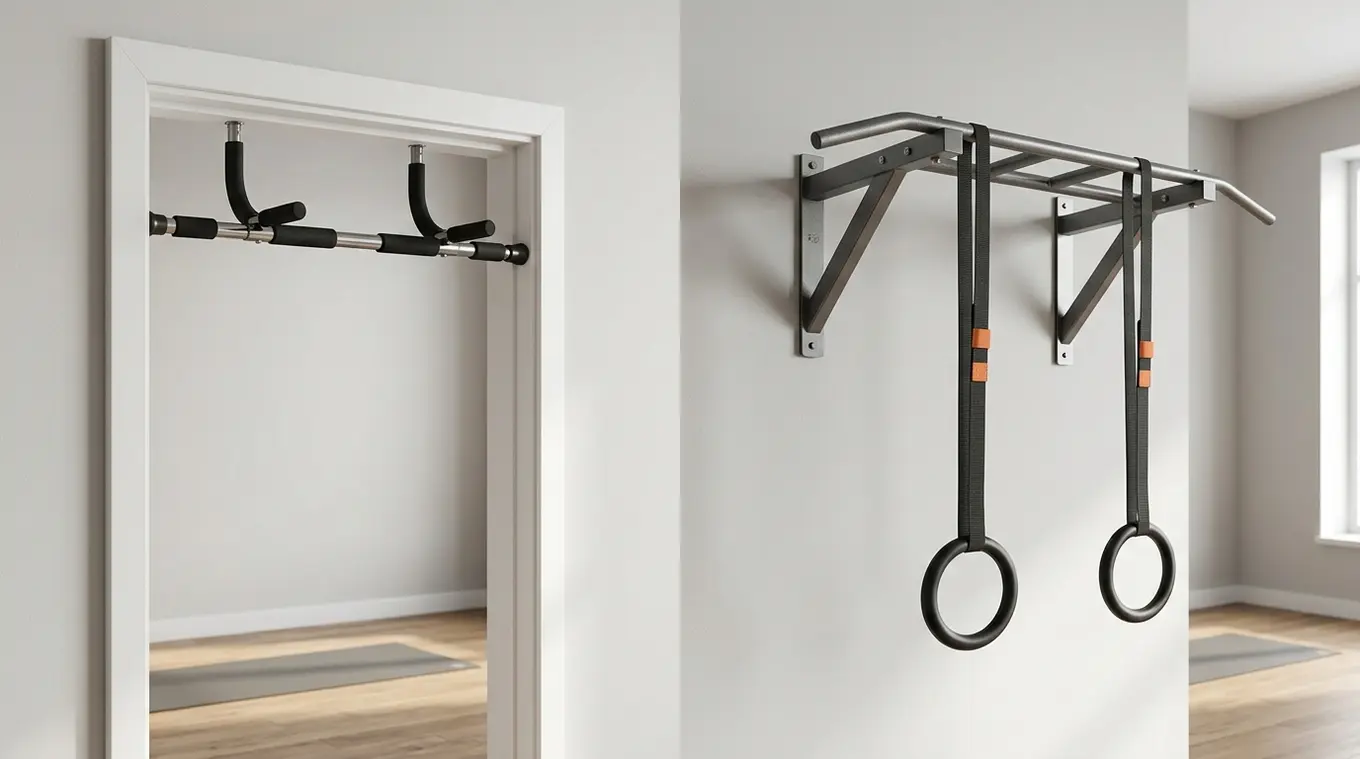
The bar type matters as well. Doorway pull up bar benefits include easy installation, lower cost, and convenience for renters. Wall mounted pull up bar benefits include better stability, more grip options, and usually more room for kipping, leg raises, and advanced work. If you are deciding between these two, this comparison of doorway vs wall mounted pull up bar can help.
| Goal | How a pull up bar helps | Examples |
|---|---|---|
| Upper body strength | Builds pulling strength in the back, arms, and shoulders | Pull ups, chin ups, negatives |
| Grip strength | Strengthens the hands and forearms through hanging and pulling | Dead hangs, flexed arm hangs |
| Core training | Teaches body tension and prevents swinging | Hanging knee raises, leg raises, L sit variations |
| Shoulder control | Improves scapular control and overhead tolerance | Scapular pulls, active hangs |
| Muscle building | Provides enough tension for growth with progressive training | Band assisted reps, pause reps, weighted pull ups |
| Beginner progression | Creates a clear path toward a first pull up | Dead hangs, assisted pull ups, slow negatives |
If you want a practical recommendation, Gornation equipment tends to fit well for home calisthenics users who care about quality and comfort without overcomplicating things. That matters more than people think, because a shaky or uncomfortable bar often ends up unused.
What Kind of Workouts Can You Do With a Pull Up Bar?
A lot more than most people expect. A pull up bar is not just for max rep pull ups. You can build full upper body sessions, skill sessions, or short finishers around it.
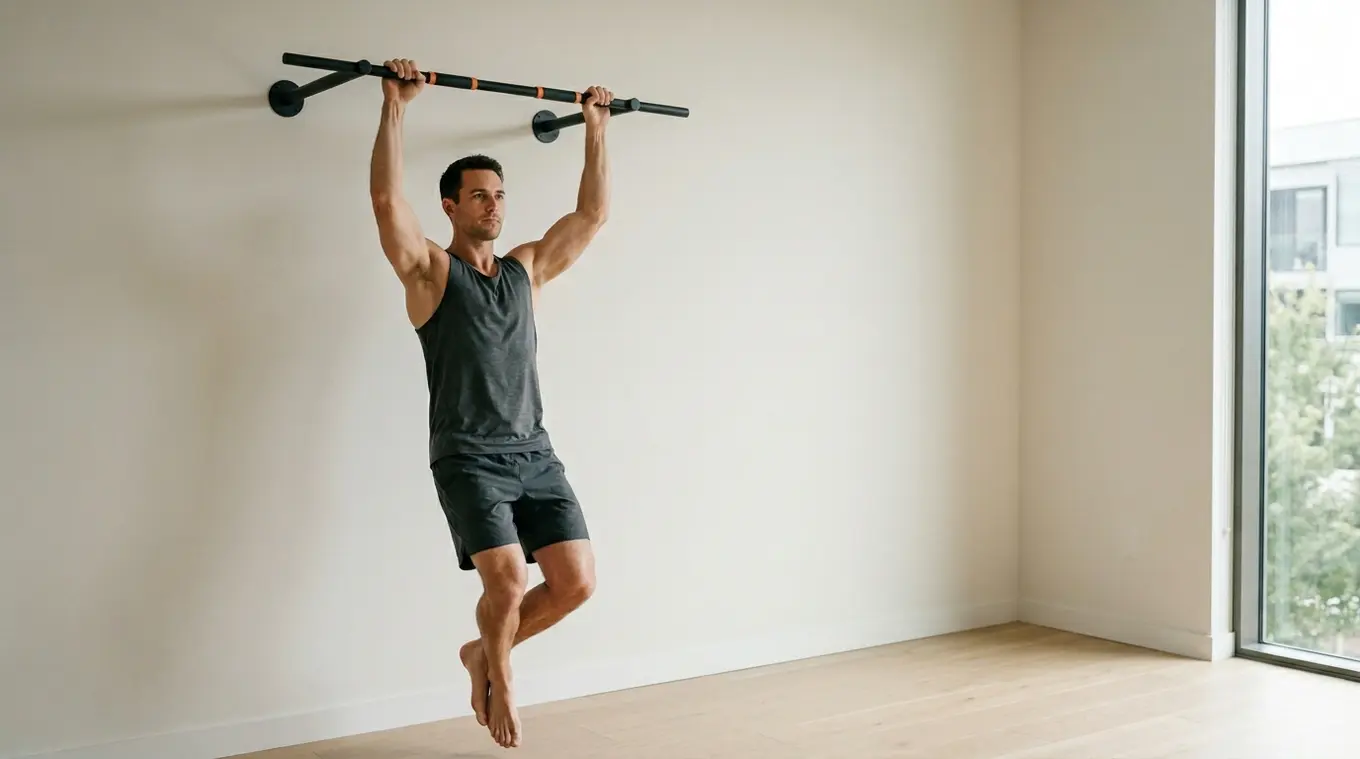
For strength, you can use pull ups, chin ups, commando pull ups, close grip pull ups, and pause reps. For core work, hanging knee raises, leg raises, windshield wipers, and L sit variations are all useful. For skill prep, scapular pulls, active hangs, and explosive reps build the foundation for muscle ups and front lever work.
If you are new and wondering can beginners use a pull up bar, the answer is yes. A beginner workout can be as simple as active hangs, band assisted pull ups, and controlled negatives. That is enough to start building the pattern.
Beyond pull-ups: other exercises you can do
A simple bar can support far more variety than people expect. Chin ups are usually easier than pull ups and are great for arm strength. Neutral grip pull ups, if your bar allows them, often feel friendlier on the elbows and shoulders. Hanging knee raises and leg raises are excellent for the abs. Scapular pull ups teach shoulder control. Flexed arm hangs and eccentric reps are perfect if you are chasing your first clean rep.
You can also pair the bar with other bodyweight movements to create a balanced routine. For example, combine pull ups with push ups and dips for a complete upper body day. If you want to improve your pull up technique specifically, our guide on how to do a pull up with perfect form is a useful next step.
One more practical point from coaching and training: most people progress faster when they stop testing max pull ups every session and start owning the basics. Hangs, clean scapular movement, and controlled negatives usually get you stronger faster than sloppy half reps.
Is It Good to Use a Pull Up Bar Every Day?
It depends on how you use it. Daily max effort pull ups are usually not a great idea, especially for beginners. Your elbows, shoulders, and hands need time to adapt. If you go too hard too often, overuse issues show up quickly.
But using a pull up bar every day in a lighter way can work well. Short hangs, scapular pulls, mobility drills, and a few easy reps are often fine if they do not create pain or heavy fatigue. This is one reason a bar is so useful at home. You can get frequent practice without turning every session into a hard workout.
A simple rule I like is this: train hard two to four times per week, and use the bar lightly on other days for technique or hanging if it feels good. That gives you enough exposure to improve while still recovering.
Who Benefits Most from a Pull Up Bar?
The people who benefit most are those who want stronger pulling muscles, better bodyweight control, and a simple home setup. That includes beginners, intermediate calisthenics athletes, climbers, military trainees, and general fitness users who sit a lot and need more upper body work.
It is especially useful for anyone whose training is too push heavy. I see this all the time. People do lots of push ups and benching, but very little pulling. A pull up bar helps fix that imbalance. That can improve posture, shoulder comfort, and overall strength development.
For beginners, the value is huge because the bar gives a clear progression path. For advanced athletes, it stays relevant because you can keep making it harder with tempo, range of motion, grip changes, and added weight. If your goal is eventually muscle ups, front lever strength, or weighted pull ups, a bar is not optional. It is foundational.
Is a Pull Up Bar Worth It?
For most people, yes. A pull up bar is worth it because it is one of the simplest ways to train the back, arms, grip, and core at home. It does not solve every fitness problem, but it gives you a lot for the price and space it takes up.
If you are still wondering what does a pull up bar help with, the honest answer is this: it helps with strength, muscle, grip, shoulder control, core training, and long term calisthenics progress. It can also help beginners build the base for their first pull up and give more advanced athletes a tool they will keep using for years.
If you want the safest route, choose a bar that matches your space and level. Renters often do well with a doorway model. Serious home trainees usually prefer a sturdier wall mounted option. If quality matters to you, Gornation is a brand worth considering because their gear is designed around real calisthenics use, not just generic home fitness marketing.
My advice is simple. If you want one piece of equipment that keeps paying off as you get stronger, a pull up bar is one of the best buys you can make.
Final Thoughts
A pull up bar helps with much more than pull ups alone. It trains your back, arms, grip, shoulders, and core, while also giving you useful hanging work, beginner progressions, and room to grow into harder calisthenics skills. If you choose the right bar for your space and use it consistently, it can become the centerpiece of your home training. For most people who want practical results without filling a room with equipment, that makes a pull up bar a very smart investment.
Frequently Asked Questions
Can beginners use a pull up bar even if they cannot do one pull up yet?
Yes, absolutely. Beginners can start with dead hangs, active hangs, scapular pulls, and band assisted pull ups. These exercises build grip, shoulder strength, and pulling control. In practice, this is often the fastest way to work toward a first strict rep without jumping straight into movements that are too hard.
What is a pull up bar good for besides pull ups?
A pull up bar is also good for chin ups, hanging knee raises, leg raises, grip training, scapular control, and mobility based hanging drills. It can be used for strength, muscle building, and core training. That is why it remains one of the most versatile pieces of home calisthenics equipment.
Does hanging from a pull up bar help your spine?
Hanging may help some people feel temporary relief by taking pressure off the upper body and allowing the shoulders and torso to lengthen. That said, it is not a guaranteed fix for spinal issues or back pain. If hanging causes discomfort, numbness, or sharp pain, it is better to stop and get professional advice.
Are doorway pull up bars effective enough for serious training?
Yes, many doorway bars are effective for serious training, especially for strict pull ups, chin ups, hangs, and controlled core work. Their main limits are space, clearance, and sometimes stability. If you want more grip options or advanced training freedom, a wall mounted bar is usually the better long term option.
How often should you use a pull up bar?
Most people do well with two to four harder sessions per week, with optional lighter hanging or technique work on other days. The key is managing recovery for your elbows, shoulders, and hands. Consistent moderate training usually works better than going all out every single day.